
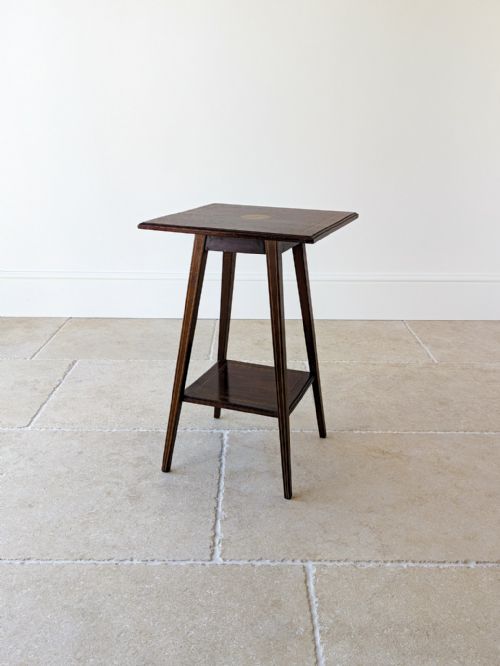
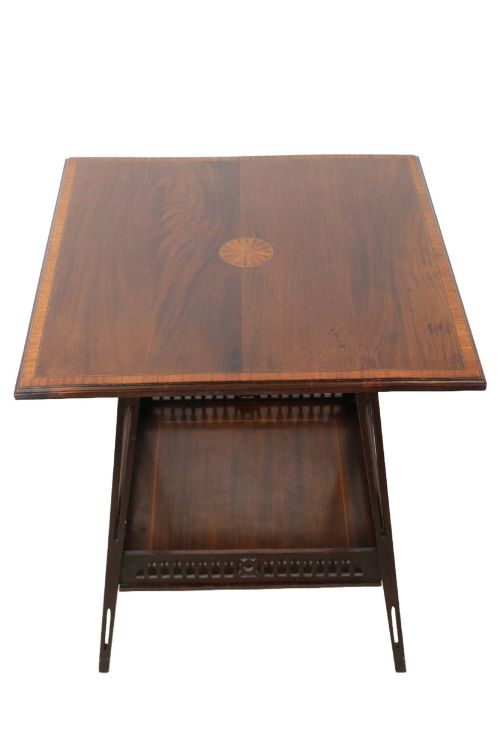


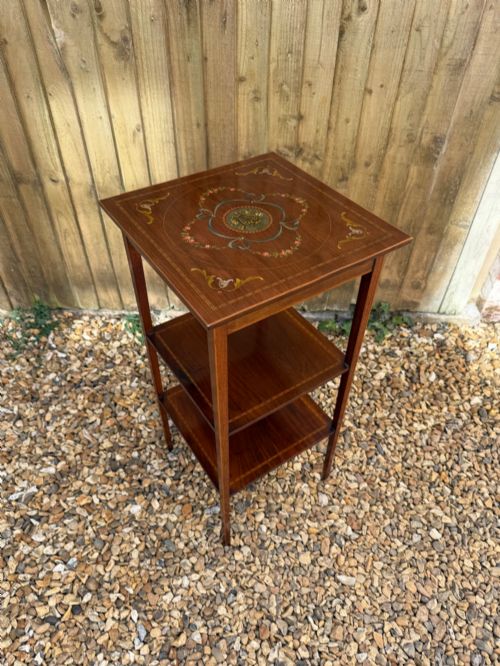
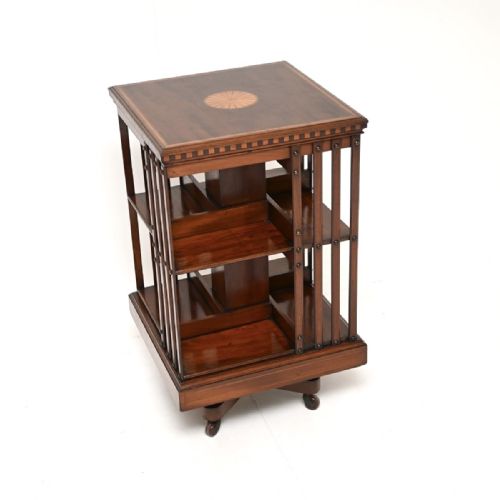
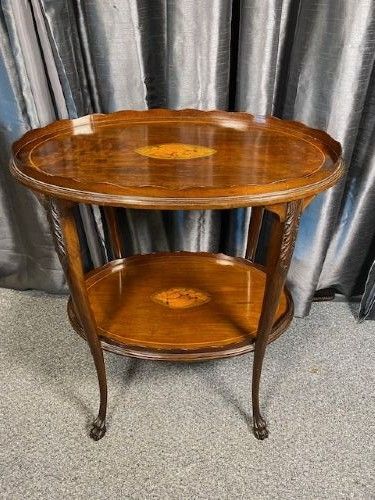
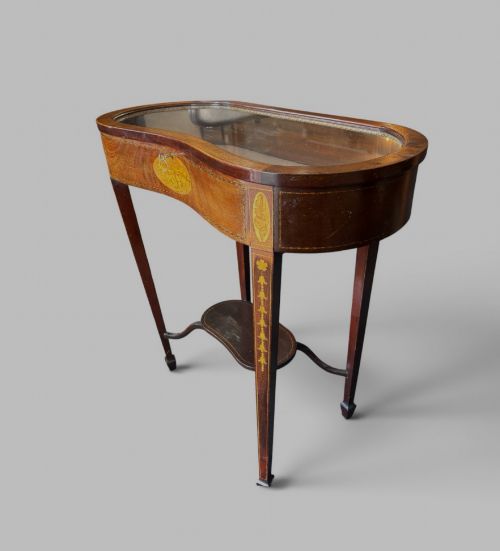
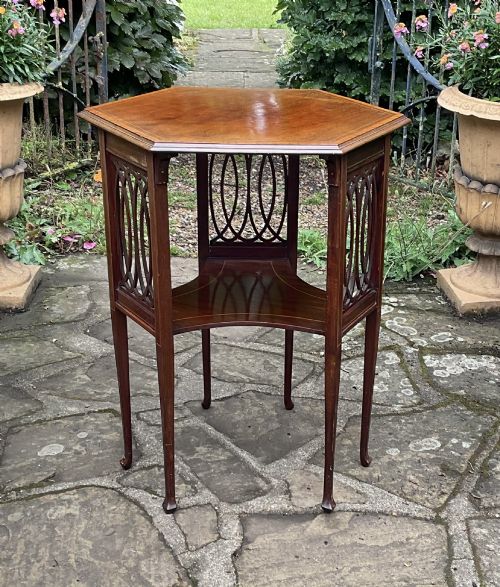
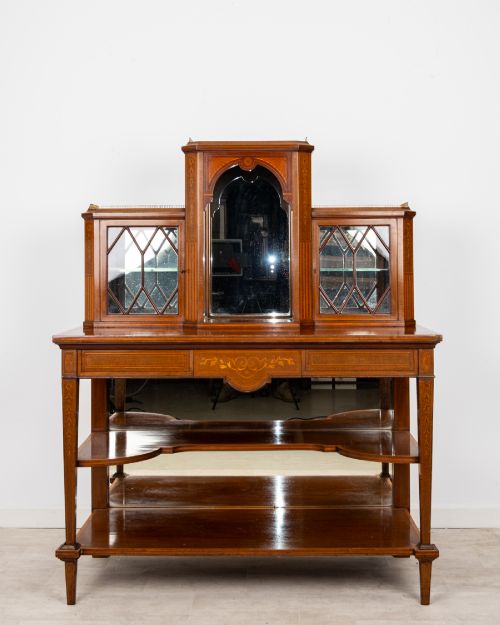
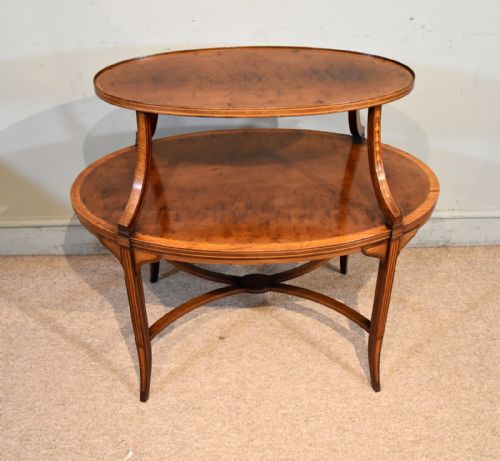

Inlaid Mahogany Display Table
When you search for an inlaid mahogany display table, you explore pieces designed to show off delicate collectables under glass.

Inlaid Mahogany Display Table
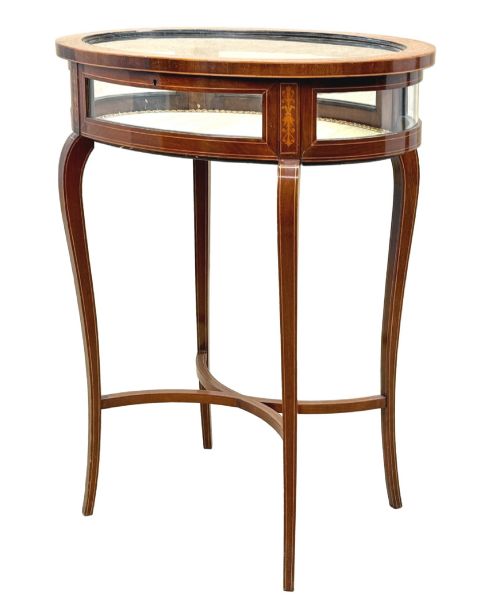
An inlaid mahogany display table brings together timber frames and glass panels, often taking the form of an Edwardian bijouterie table, vitrine, or occasional table designed for drawing rooms.
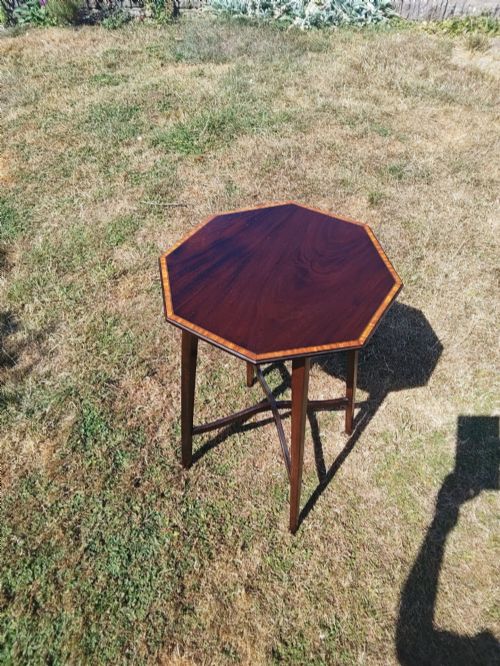
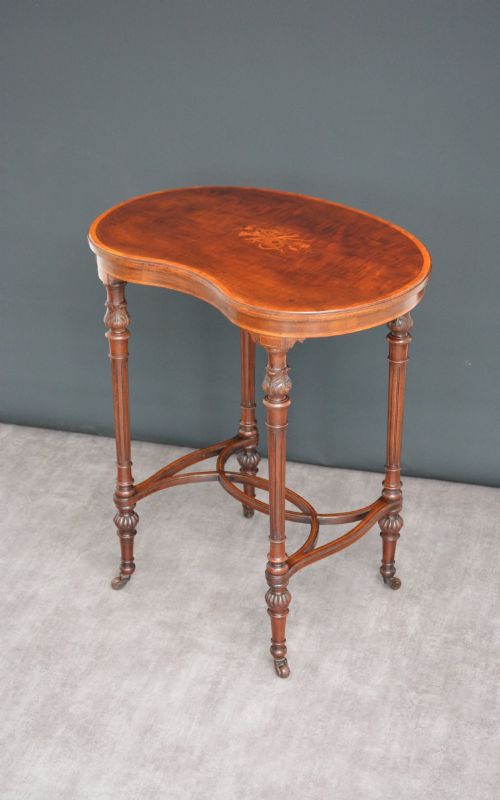
These pieces frequently appear from the Edwardian era and the late nineteenth century, manifesting in oval, kidney, octagonal, or rectangular shapes with glazed tops or cabinets for showing small treasures.
Makers utilised these versatile occasional forms to merge surface decoration with practical display, giving collectors a secure way to house jewellery, coins, and curiosities.
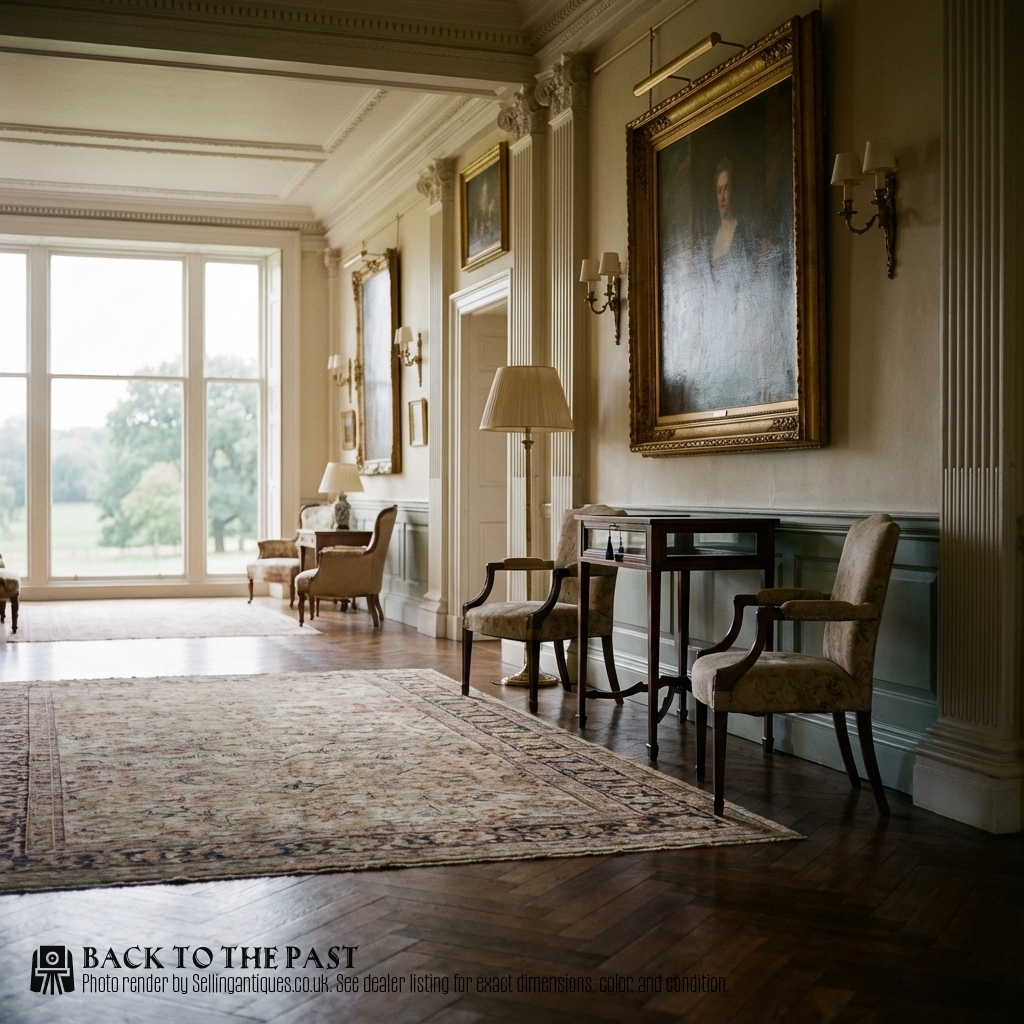
Distinctions in Execution
Quality rests in the crispness of the satinwood and boxwood inlay, where finer examples display elaborate marquetry scrolls and precise botanical motifs rather than simple linear stringing.
The choice of secondary timbers, the weight and clarity of the glass, and the refinement of brass mounts or hinges separate standard production pieces from exhibition-grade work.
Proportion and structural grace define the better pieces, ensuring that delicate legs and complex curved glass frames remain entirely stable and balanced.
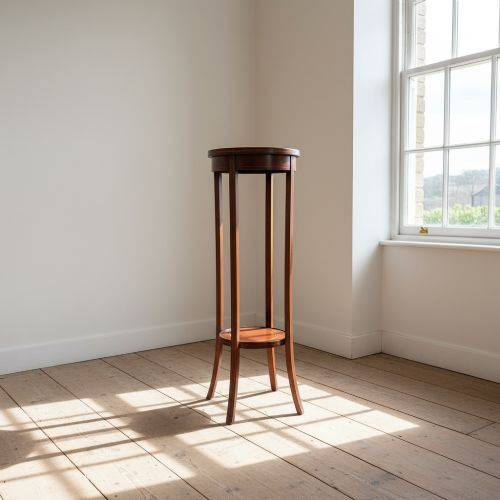
Listings feature frequent examples from the Edwardian period, utilising mahogany, satinwood, and glass in forms ranging from occasional tables to plant stands.
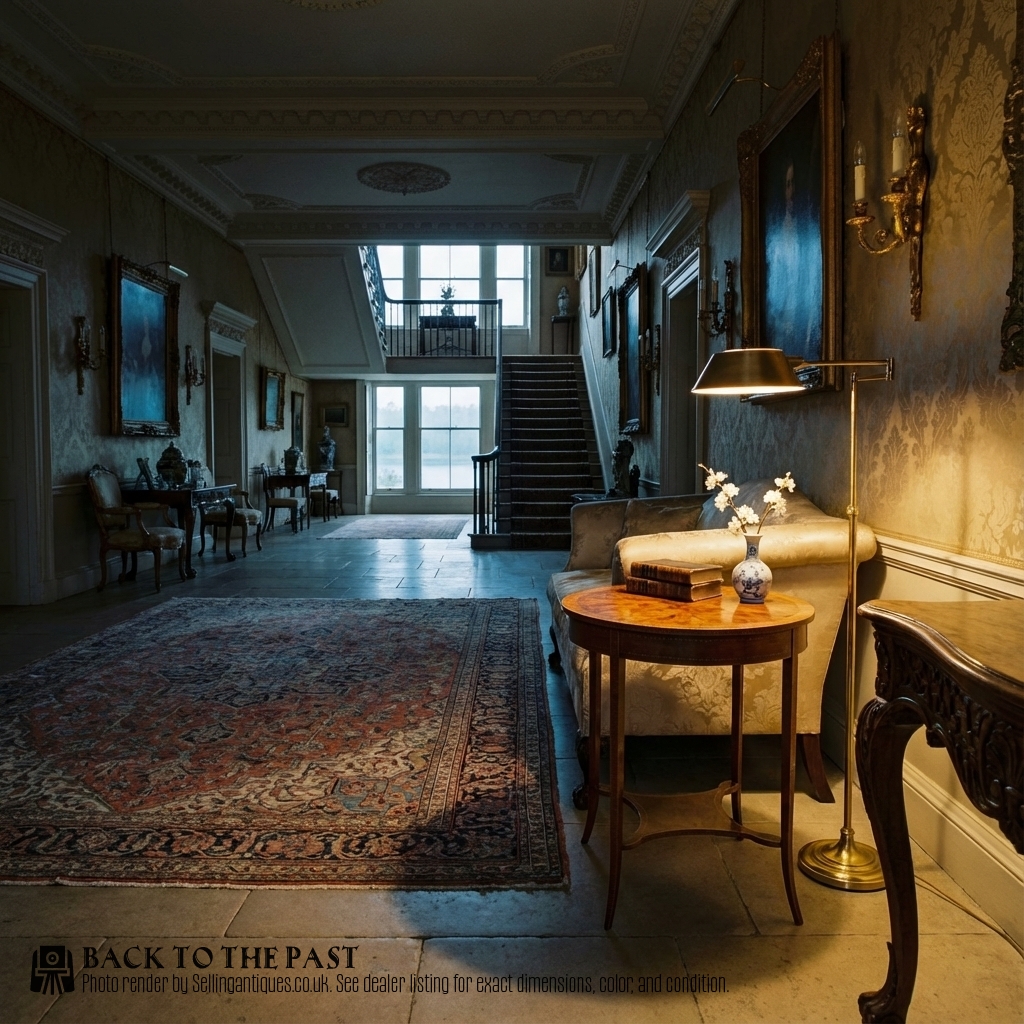
Trevor Page and Co·Edwards and Roberts·Shoolbred of London
The Inlaid Mahogany Display Table Glossary
- Bijouterie table
- A glass-topped table specifically made for displaying small precious objects, jewellery, and curiosities.
- Marquetry
- Decorative woodwork where pieces of veneer are fitted into a ground to form intricate pictorial or geometric patterns.
- Satinwood
- A pale, lustrous timber imported from the tropics and frequently utilised for contrasting inlay work on darker carcases.
- Vitrine
- A glass cabinet or display case designed to protect objects while allowing all-round visibility.
- Stringing
- Thin lines of contrasting wood inlaid into grooves on a surface to create delicate geometric borders.
Inlaid Mahogany Display Table: Frequently Asked Questions
What is an inlaid mahogany display table used for?
These tables served primarily in polite drawing rooms to exhibit small collectables, portrait miniatures, and jewellery under protective glass tops.
They allowed hosts to share delicate curiosities with guests while keeping items safe from dust and handling.
How do I date an inlaid mahogany display table?
Dating relies on observing characteristic styles, timber treatments, and structural details associated with the late Victorian and Edwardian periods.
Most surviving examples date from around eighteen-eighty to nineteen-ten, often showing Sheraton Revival influences in their lighter frames and floral marquetry.
How do I care for the velvet interior?
The textile lining requires gentle dusting with a soft brush and protection from direct sunlight to prevent fading of the original colours.
Avoiding moisture ensures the underlying timber and adhesive remain secure beneath the fabric.
What shapes are available?
Makers constructed these tables in oval, kidney, octagonal, round, and rectangular formats to suit different room layouts.
Kidney and oval shapes are particularly common among Edwardian bijouterie pieces designed to fit beside seating.