
Inlaid Curio Cabinet
An inlaid curio cabinet brings together glass and fine timber to hold small treasures, offering a refined focal point for any room.
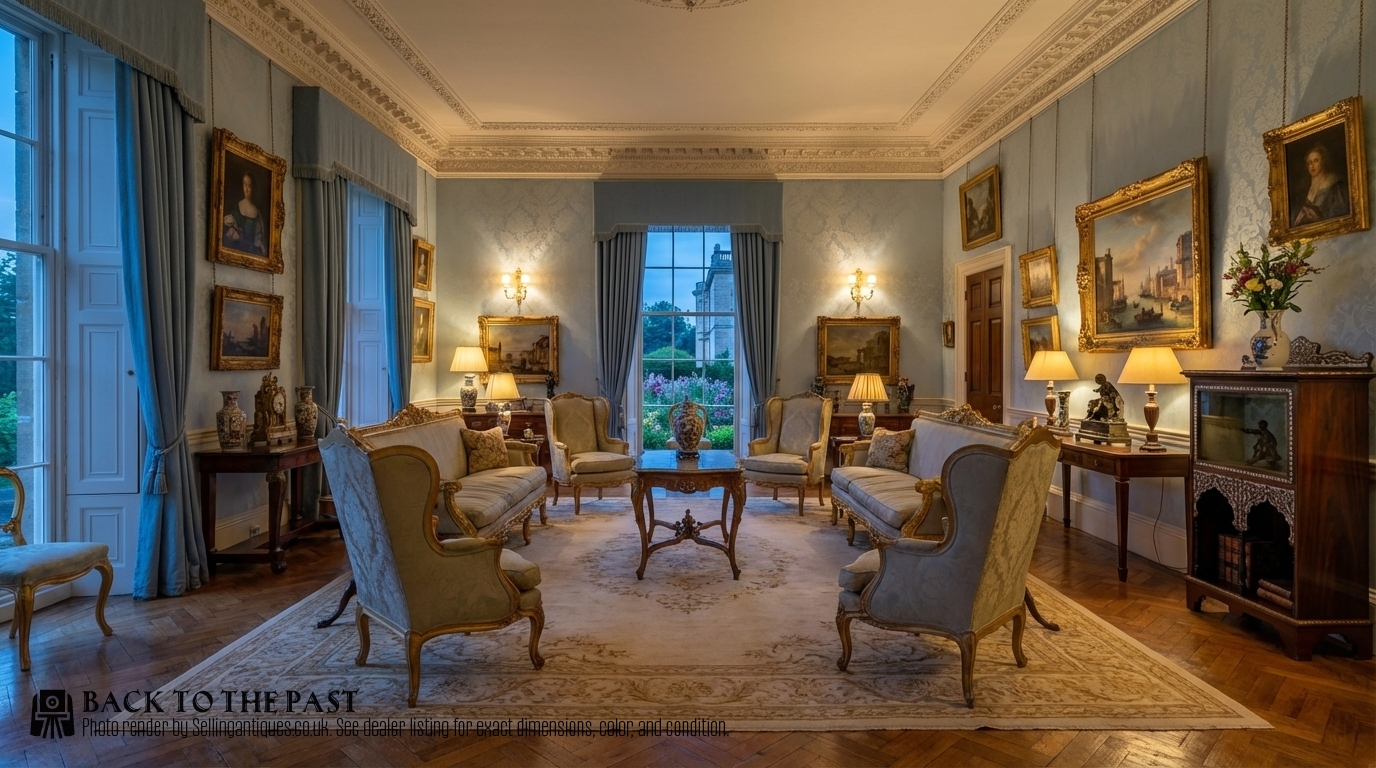
Inlaid Curio Cabinet
An inlaid curio cabinet is a glazed display piece designed to showcase small collectibles, ceramics, and personal items while protecting them behind glass doors or tabletops. When searching this phrase, a buyer encounters pieces primarily from the Victorian and Edwardian eras, alongside earlier Dutch and Asian examples.
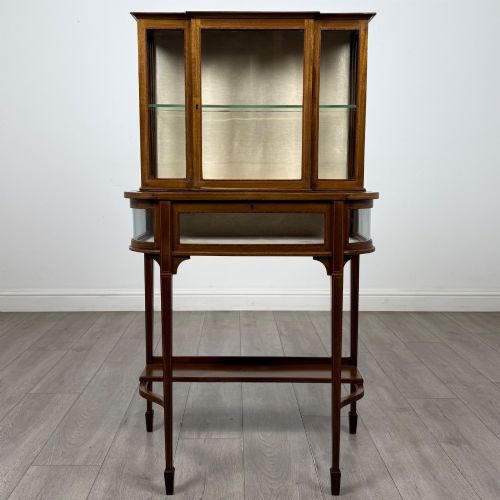
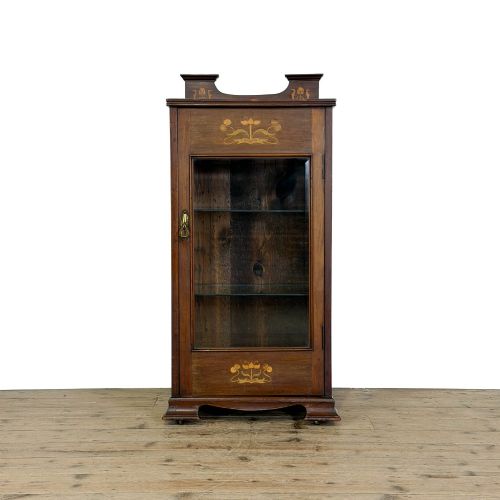
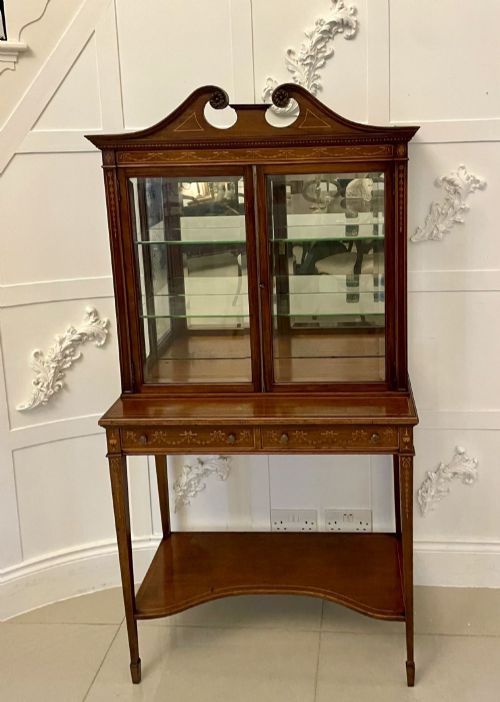
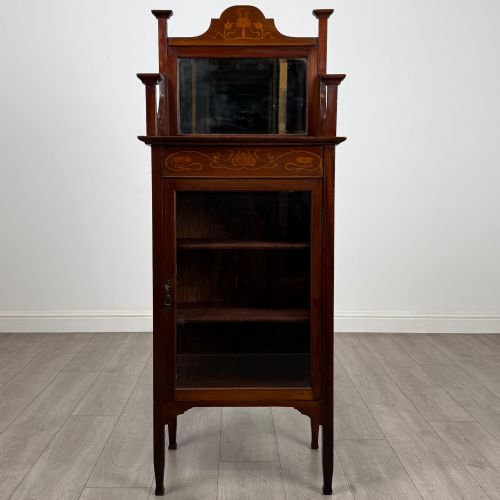
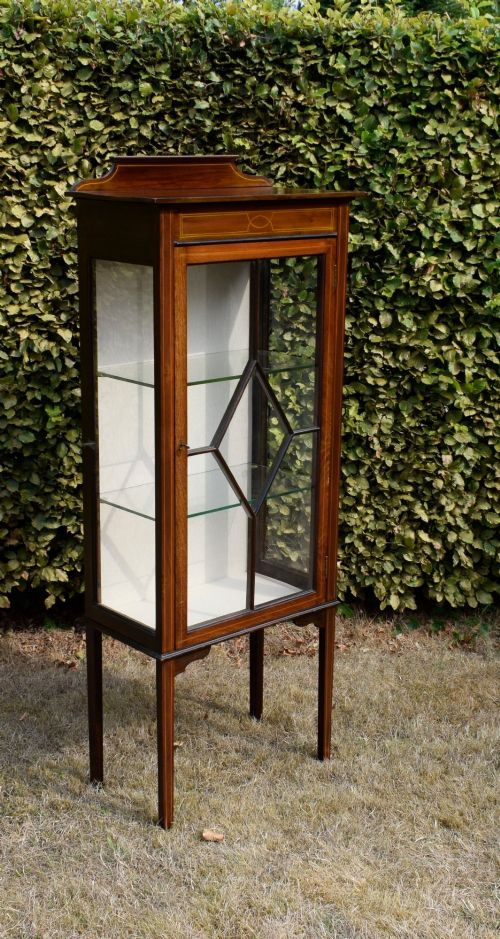
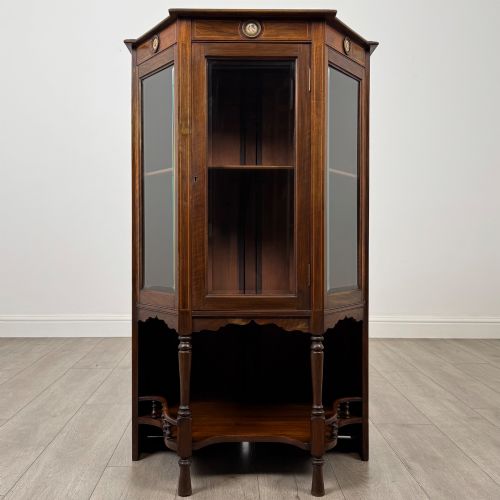
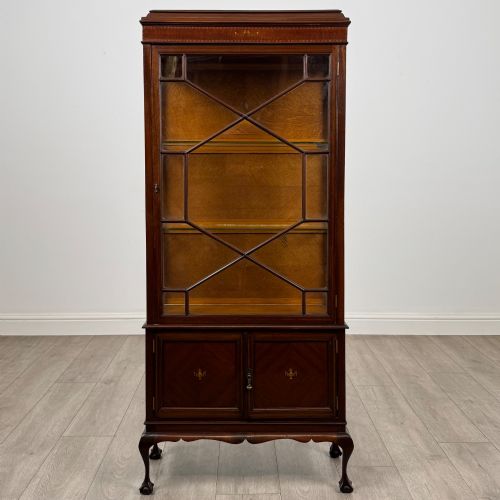
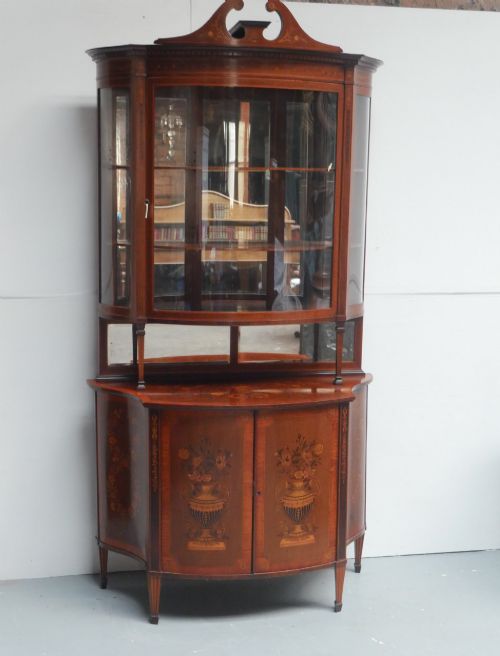
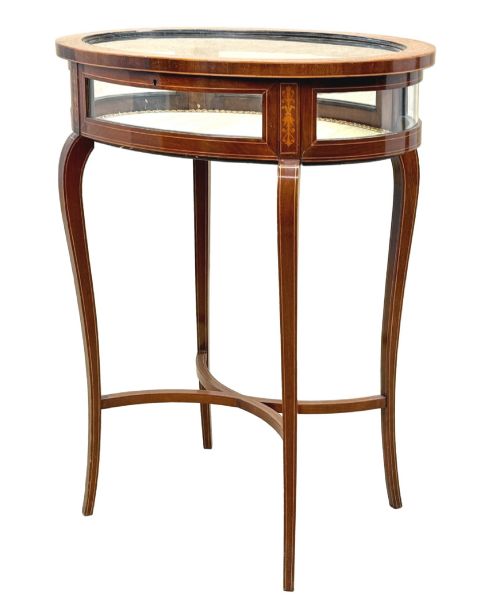
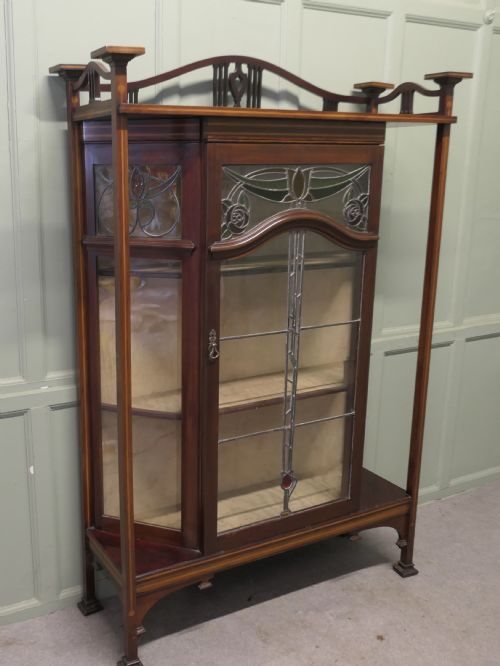
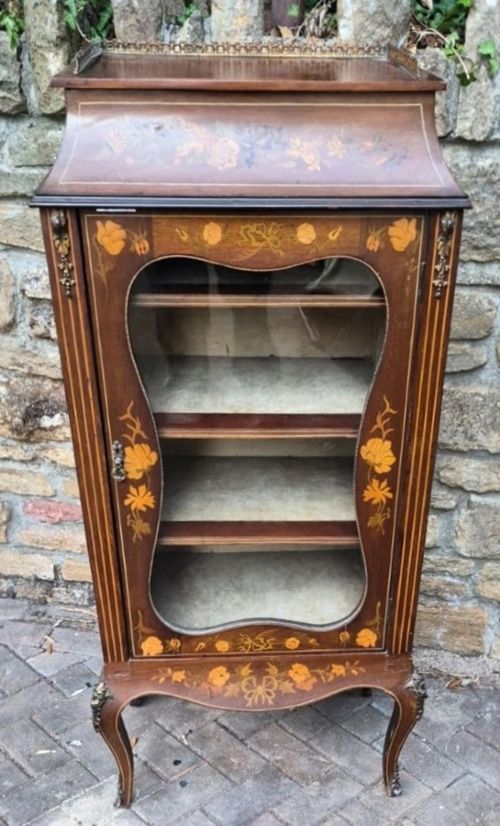
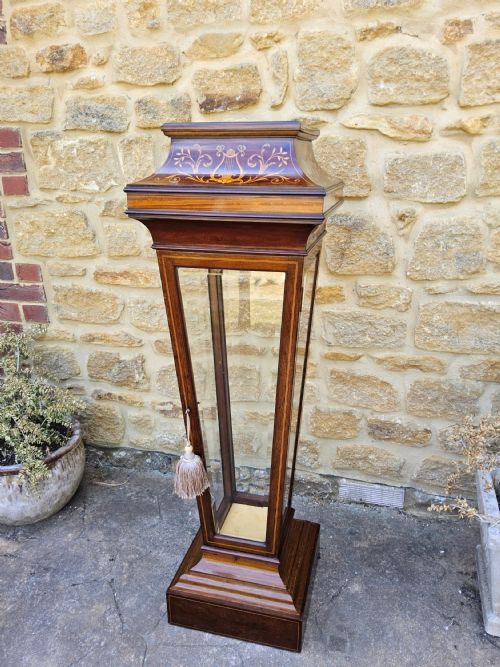
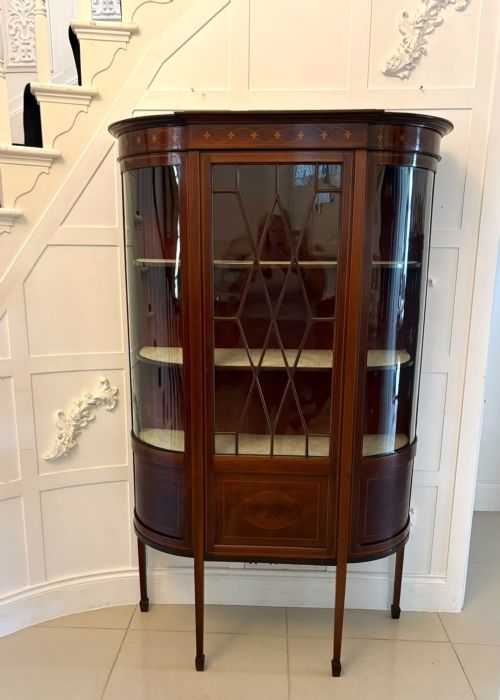
The most common form on this page is the Edwardian mahogany display cabinet, frequently decorated with contrasting satinwood or fruitwood inlay. Alongside upright standing cabinets, buyers will find bijouterie tables, wall cabinets, and pedestal variants designed for tabletop or floor placement.
How they were made
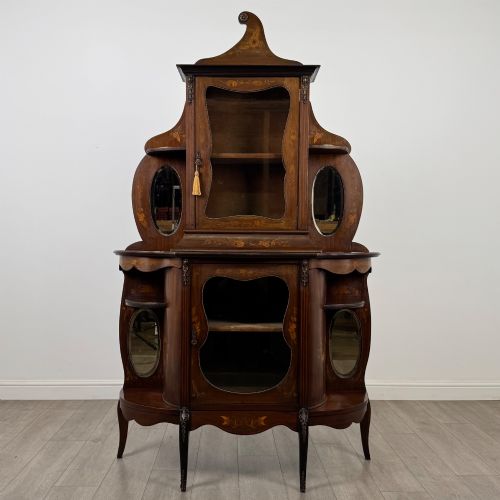
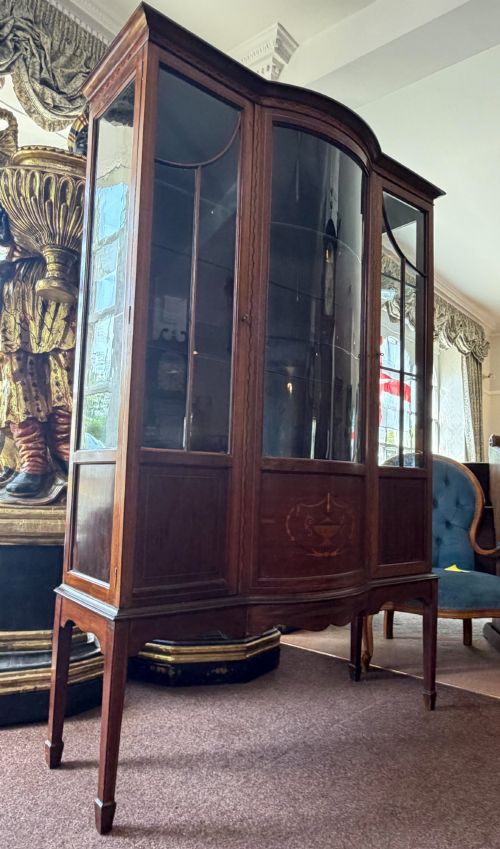
Cabinet makers relied primarily on mahogany and walnut as foundational timbers, building carcases that often incorporated curved bow fronts or serpentine shapes. These woods provided a stable, dark base for decorative contrasting veneers and intricate marquetry panels.
Surfaces were embellished using satinwood inlay, fruitwood, and occasionally mother of pearl, set flush into the timber. Glazed panels and brass or gilt bronze mounts completed the construction, balancing structural timber with transparent display areas.
Several cabinets hail from the Meiji period, proving that Victorian parlour owners loved a Japanese pagoda as much as local marquetry.
What varies in quality
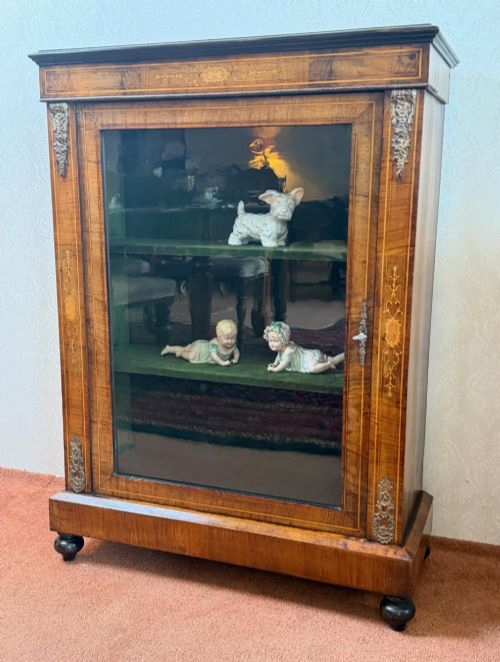
Quality in these cabinets rests upon the precision of the marquetry and the choice of timber figure, such as burr walnut or select mahogany. Finer examples display meticulous floral or neoclassical inlay work that integrates seamlessly into the surrounding grain.
Structural complexity also defines the tier of a piece, separating simple flat-fronted boxes from sophisticated serpentine, bow-ended, or multi-door designs. The refinement of the brass hardware, internal fabric linings, and glass clarity further distinguish standard production from superior workshops.
Edwards & Roberts·Shapland and Petter·Waring & Gillow
The Inlaid Curio Cabinet Glossary
- Vitrine
- A glass-fronted display cabinet used for porcelain and precious objects. This term originates from the French word for glass.
- Bijouterie table
- A glass-topped table or cabinet designed specifically for jewellery and small valuables. These pieces often feature hinged lids and velvet-lined interiors.
- Marquetry
- Decorative veneer applied to a carcase in patterns using different woods, shells, or metals. It differs from inlay by assembling the pattern before adhering it to the surface.
- Pier cabinet
- A low cabinet designed to stand against the wall space between windows. Victorian examples frequently utilise walnut with gilt mounts.
- Satinwood
- A durable, yellowish timber prized for its lustrous sheen and used extensively for contrasting inlay work. It forms a bright counterpart to darker mahogany.
Inlaid Curio Cabinet: Frequently Asked Questions
Where should I place a curio cabinet?
These cabinets suit living rooms, studies, or hallways where natural light can pass through the glass panels without exposing the timber to harsh direct sunlight.
Position them against sturdy walls or in corner spaces away from heat sources that might affect the antique wood and glue joints.
How do I clean the glass and interior fabric?
Use a soft, dry microfibre cloth on the glass to avoid spraying liquid cleaners directly onto the antique timber framing or delicate inlay.
Vacuum velvet or fabric linings gently with a low-suction attachment to remove dust without disturbing the original backing.
Can I adjust the shelves inside?
Most period display cabinets feature fixed wooden or glass shelving set into pre-cut grooves rather than modern adjustable metal brackets.
Plan the height of your collection items beforehand to ensure larger pieces fit comfortably within the stationary tier spacing.
How do I distinguish Edwardian from Victorian cabinets?
Victorian pieces tend to use darker solid woods, heavy proportions, and rich burr walnut or elaborate fruitwood marquetry. Edwardian cabinets often showcase lighter mahogany frames, satinwood inlay, and more slender, neoclassical lines.