


Inlaid Brown Wooden Commode
An inlaid brown wooden commode provides capacious storage while displaying rich cabinet-making skills across centuries of domestic interiors.

Inlaid Brown Wooden Commode
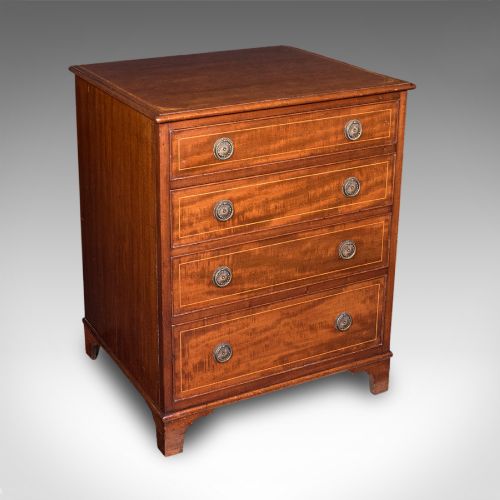
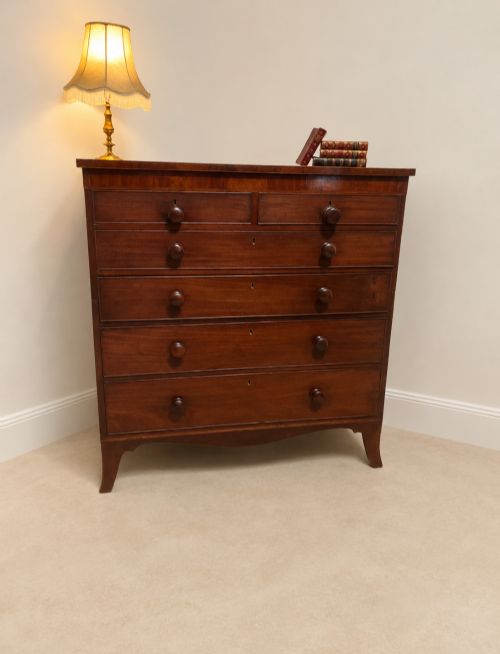
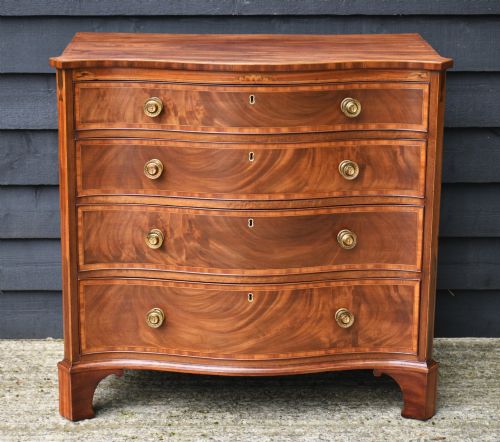
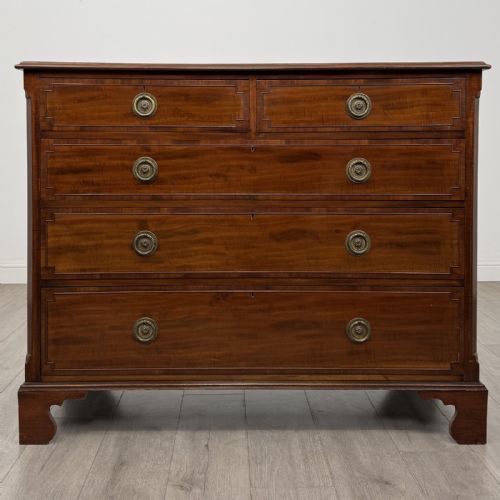
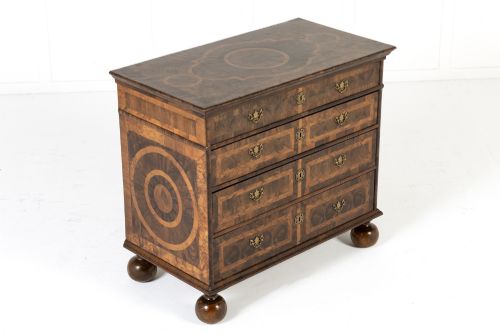
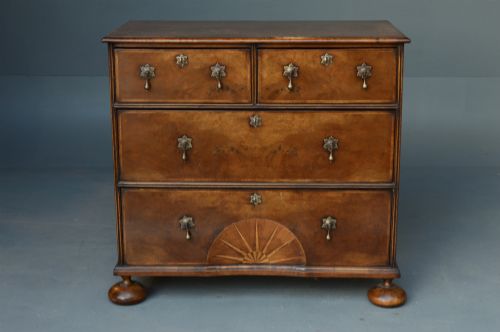
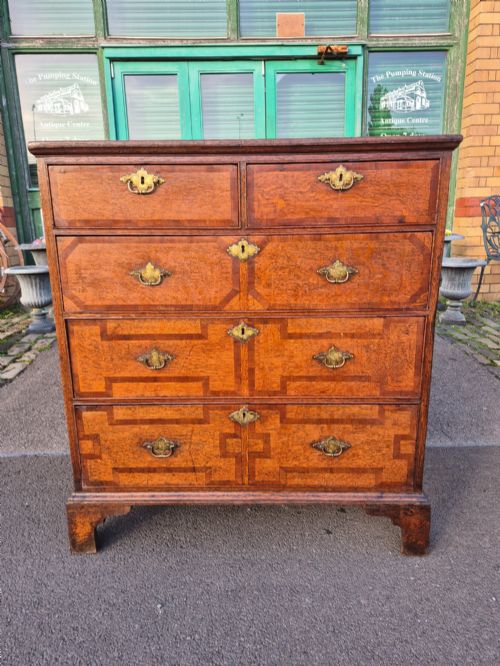
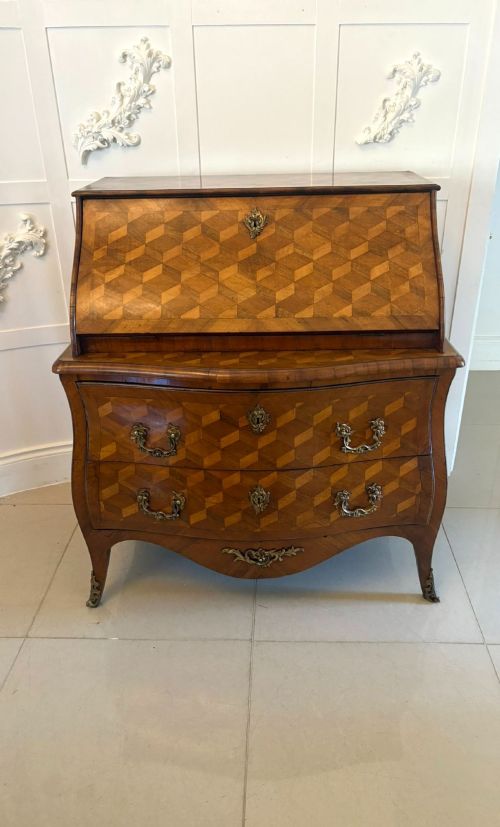
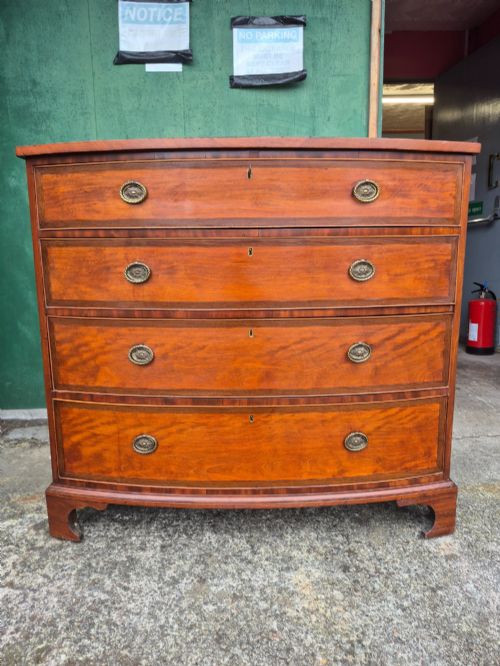
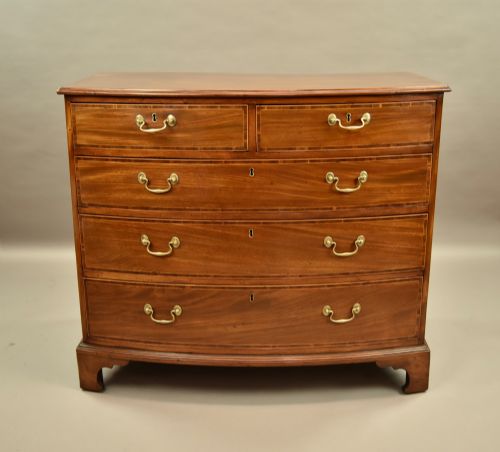
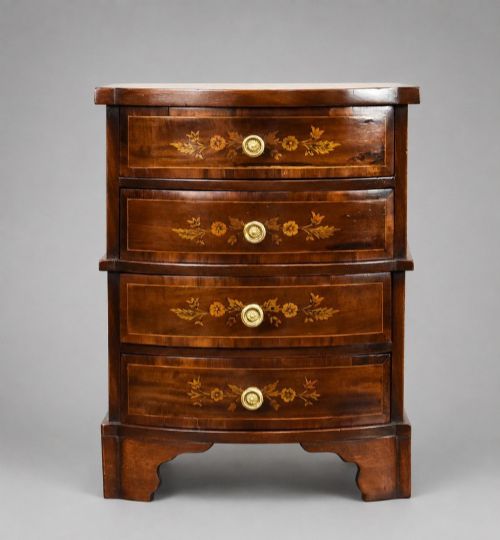
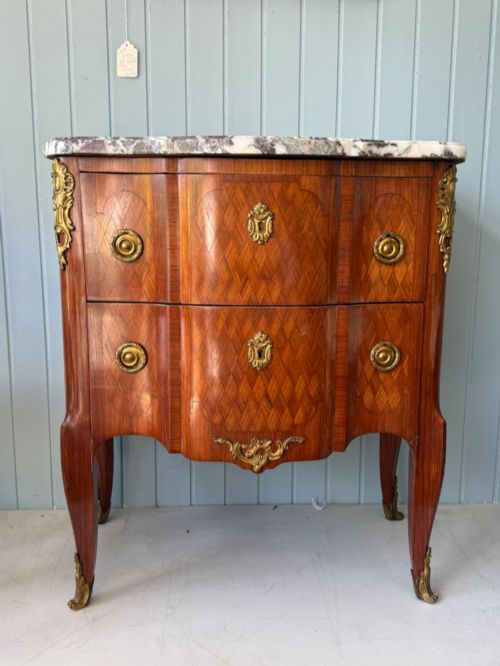
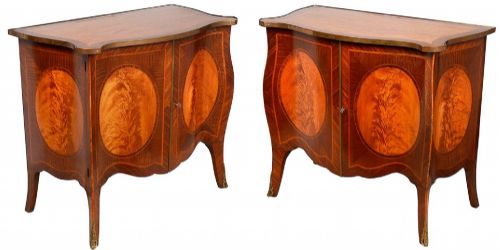
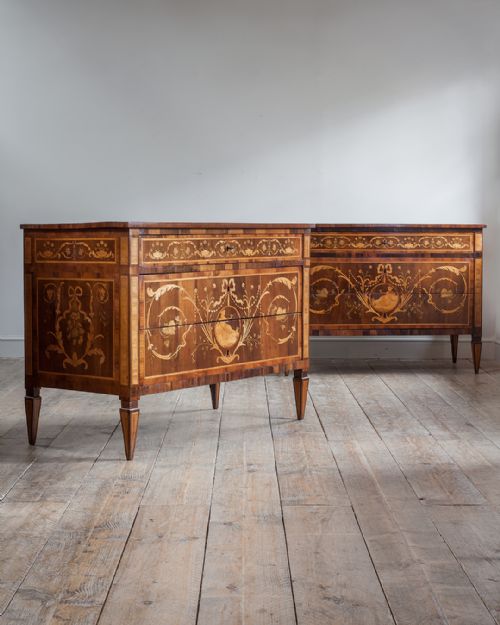
When searching for an inlaid brown wooden commode, buyers encounter a diverse selection of brown timber case pieces spanning the seventeenth century through the early twentieth century. The primary forms include substantial chests of drawers, bow-fronted designs, serpentine shapes, side cabinets, bedside tables, and compact miniature furniture.
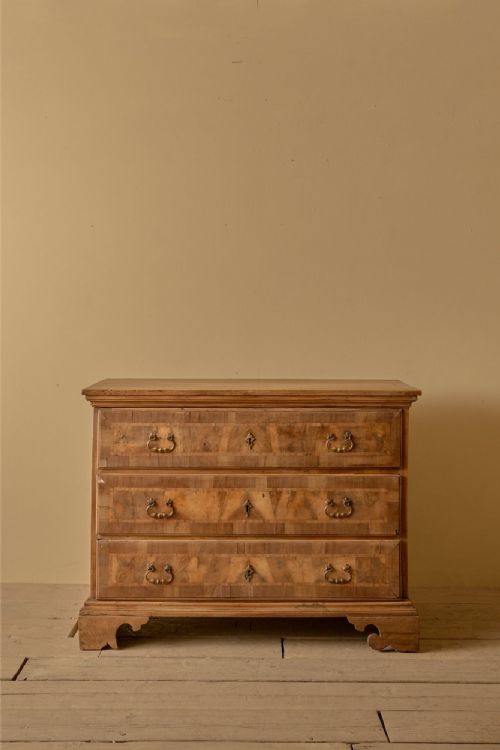
Georgian and eighteenth-century examples dominate the selection, frequently utilising mahogany and walnut paired with decorative stringing or marquetry. Alongside these, nineteenth-century pieces, Edwardian variations, and continental commodes from France, Italy, and Austria appear regularly within the listings.
The typology encompasses formal bedroom storage, salon commodes, and specialised bedside cabinets. Each piece displays distinct regional adaptations in proportion and timber selection, reflecting the prevailing taste of its period of origin.
Materials and Construction
Cabinet-makers relied on dense brown hardwoods such as mahogany, walnut, and cherrywood as the structural foundation for these pieces. Secondary timbers were joined using traditional framing techniques to support heavy drawer loads and expansive top surfaces.
Decorative surfaces gained contrast through the application of boxwood inlay, satinwood banding, kingwood, and feather-banded borders. These lighter botanical veneers were meticulously let into the darker primary wood to trace outlines, create geometric panels, or delineate drawer fronts.
Inlaid Brown Wooden Commode Retail Price Guide 2026
Typical asking prices for inlaid brown wooden commode among the pieces listed under this phrase on Sellingantiques today, from the lower quarter to the upper quarter. They describe what is for sale here now, not the wider market.
Miniature commodes survive because apprentices built them as masterworks to prove their skill to guild masters.
Distinctions in Standard
The standard of a piece rests upon the precision of the cabinet-maker's joinery and the integration of the contrasting veneers. Sharp execution in the boxwood inlay and clean mitres at the corners indicate superior workmanship.
Proportion and timber selection heavily influence the distinction between standard provincial items and exhibition pieces. Highly figured fiddleback mahogany or carefully matched walnut burrs combined with sophisticated serpentine or bow-front contours signal elevated workshop production.
Pietro Ferrario
The Inlaid Brown Wooden Commode Glossary
- Commode
- A low chest of drawers or cabinet designed for domestic storage. Originating in France, the term applies widely to decorative case furniture with multiple drawer tiers.
- Inlay
- A technique where contrasting materials are set into the surface of a base timber to form decorative patterns. Craftsmen commonly utilised boxwood and satinwood for this purpose.
- Serpentine
- A furniture front characterised by a wavy contour with a convex centre flanked by concave curves. This shape requires advanced woodworking skill to execute cleanly.
- Marquetry
- Elaborate veneer work forming pictorial or decorative designs using various wood species. It differs from simple linear inlay by covering broader expanses with patterned veneers.
- Feather-banding
- A decorative border made from veneers cut diagonally to create a herringbone pattern resembling bird feathers. This detail frequently surrounds drawer perimeters on walnut furniture.
Inlaid Brown Wooden Commode: Frequently Asked Questions
How do I identify a Georgian commode?
Georgian pieces typically feature dense mahogany or walnut construction combined with precise line inlay, brass hardware, and classical proportions.
Regional variations include serpentine fronts and bracket feet characteristic of eighteenth-century British and continental workshops.
Where were these commodes placed?
Historical interiors utilised these case pieces primarily in bedrooms, drawing rooms, and private chambers for linen and personal storage.
Compact versions such as bedside cabinets and miniature chests served specific functional roles within domestic spaces.
How do I care for antique wood furniture?
Preserving these surfaces requires maintaining stable indoor humidity away from direct heat sources and sunlight to prevent timber movement.
Regular dusting with a dry cloth and occasional application of traditional wax helps maintain the finish of the wood and inlay.