
Inlaid Brown Chest Drawers
When an inlaid brown chest drawers catches the eye, you are looking at centuries of cabinet-making skill that combines practical storage with decorative woodcraft.
Inlaid Brown Chest Drawers
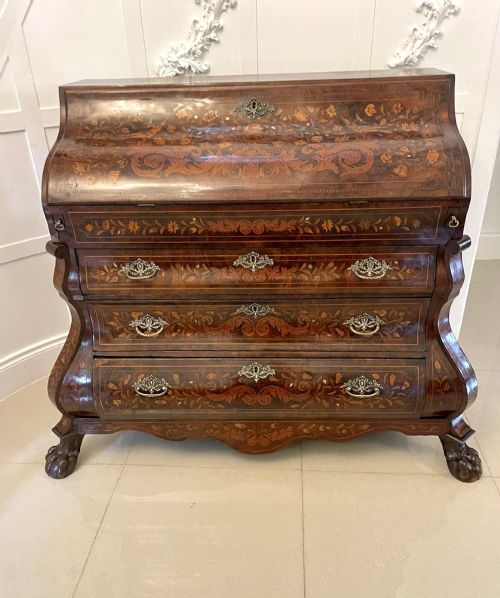
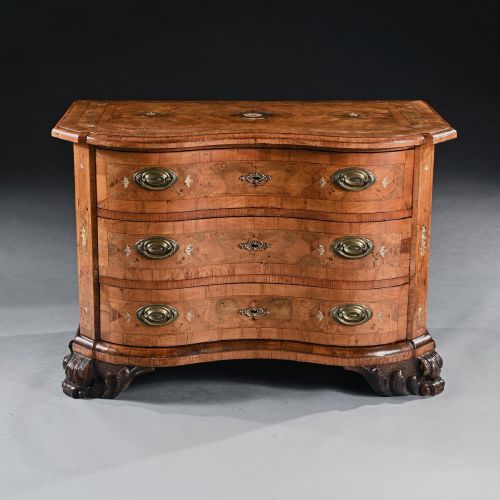
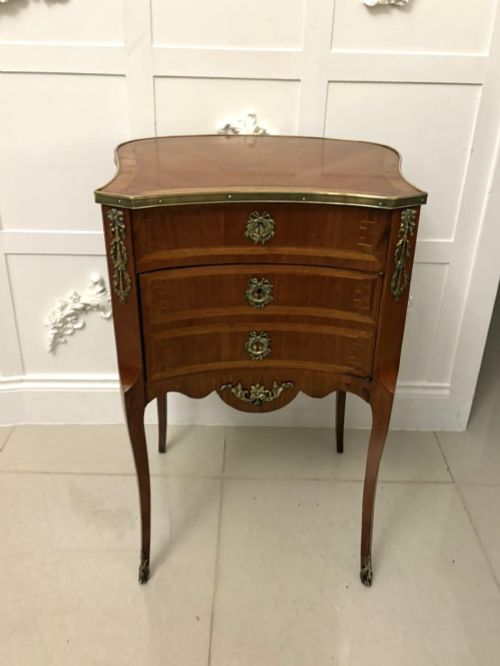
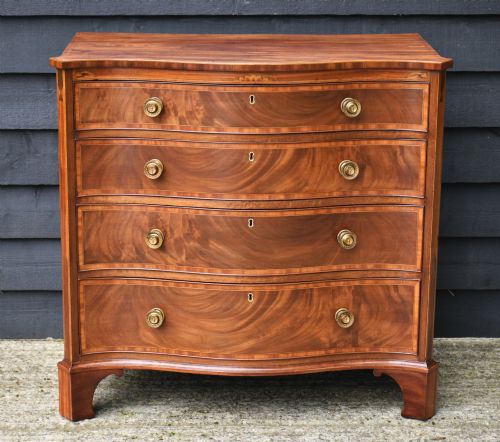
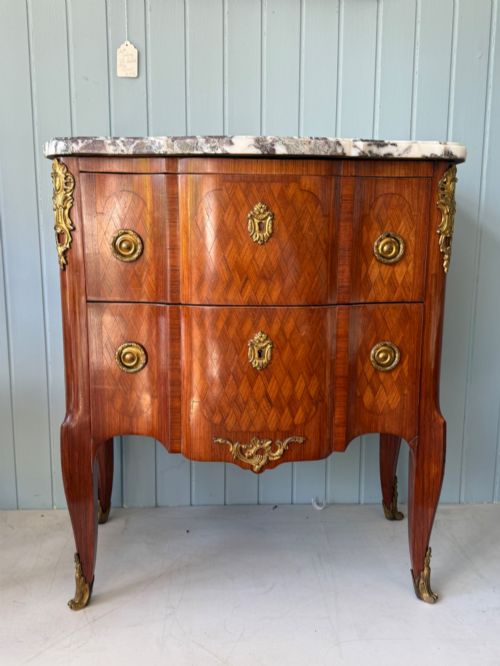
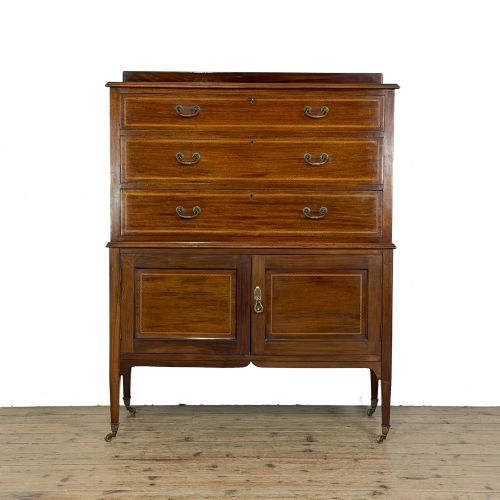
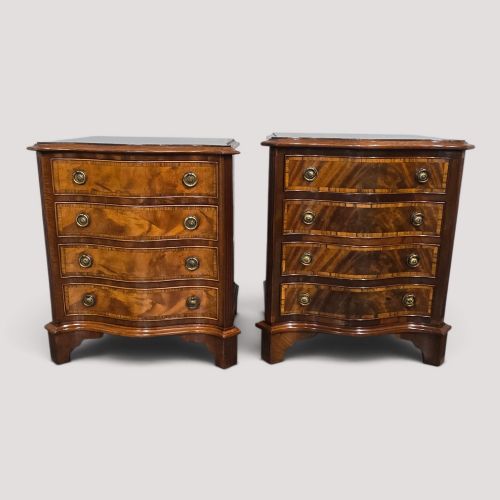
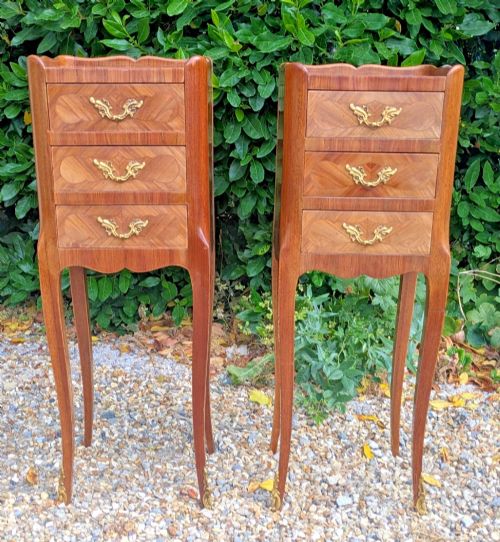
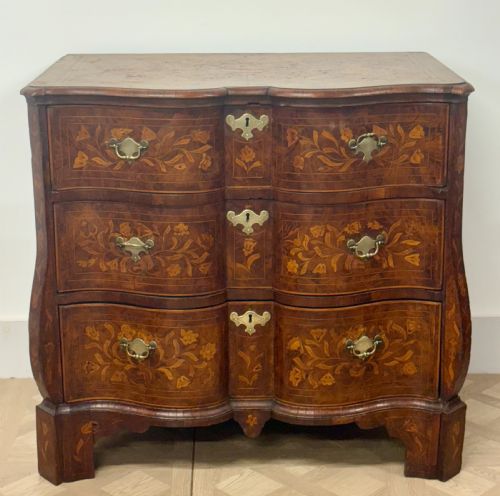
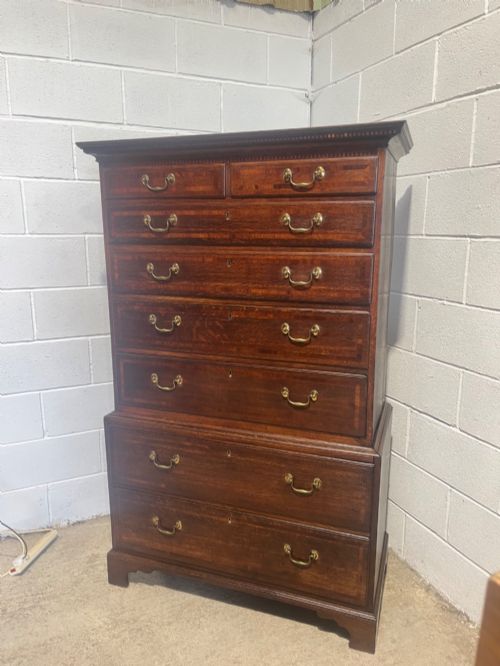
An inlaid brown chest drawers encompasses a diverse selection of storage furniture, ranging from compact bedside cabinets and serpentine commodes to tall chests and secretaire bookcases. Most examples encountered here date from the eighteenth and nineteenth centuries, spanning Georgian, Regency and Edwardian periods.
The dominant forms are constructed from rich brown timbers such as mahogany, walnut and oak, often detailed with contrasting lighter woods like satinwood or boxwood. Pieces originate from English, French, Dutch, Italian and German workshops, reflecting regional preferences in proportions and decorative motifs.
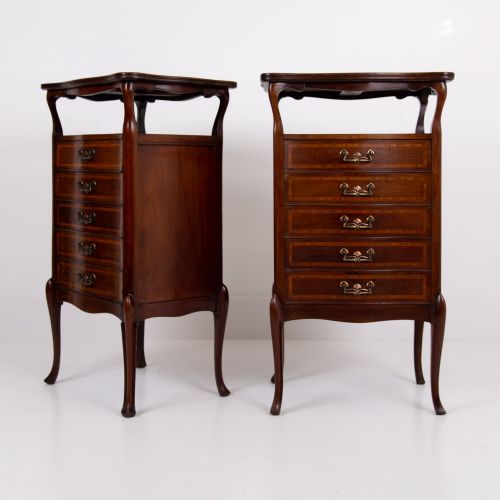
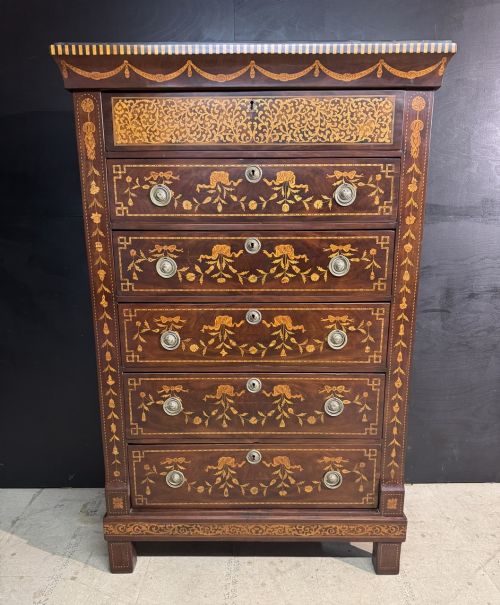
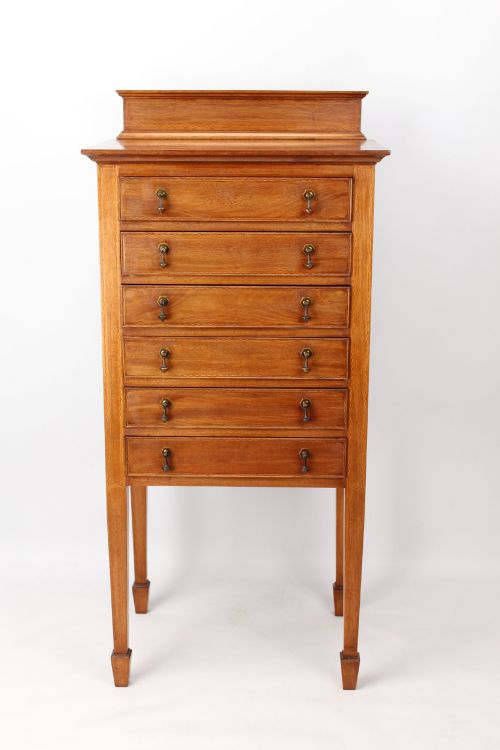
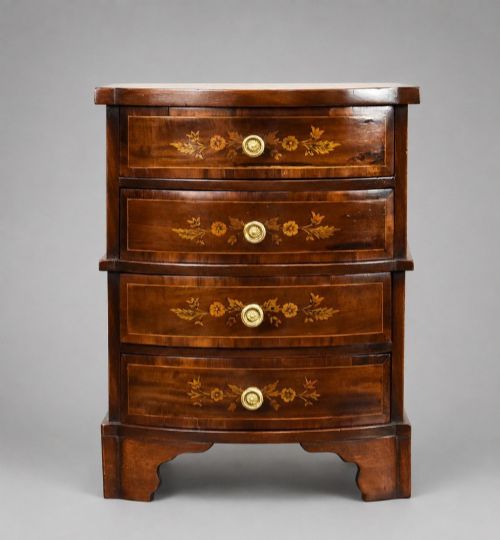
Buyers will find everything from monumental walnut chests on chest to miniature marquetry bedside chests and music cabinets. The overarching characteristic remains the integration of functional drawers with meticulous surface ornamentation.
Materials and Technique
Cabinet-makers relied on sturdy foundational timbers like oak and mahogany for carcases, applying choice veneers of walnut, kingwood and burr walnut to visible surfaces. These grounds provided a stable base for intricate decorative schemes.
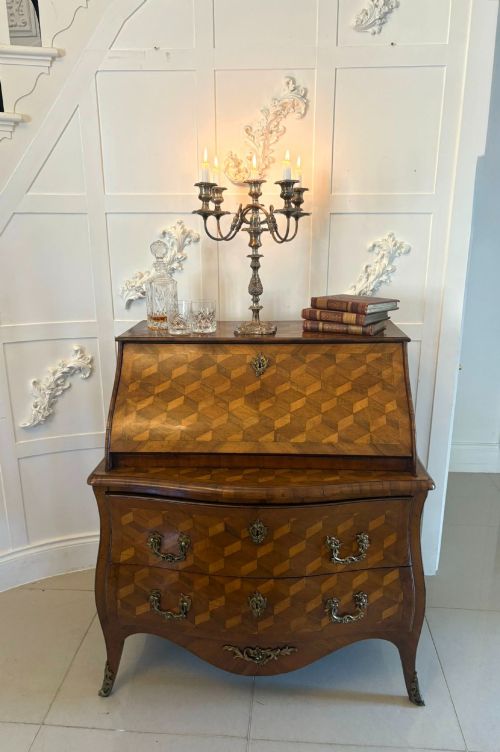
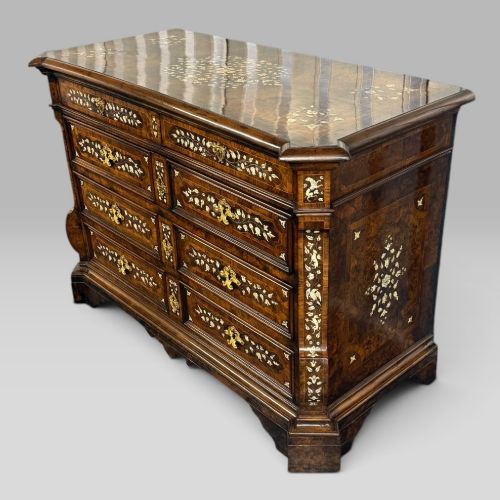
Marquetry and parquetry techniques required precise cutting of contrasting woods, pewter, ivory and brass to form floral patterns, geometric arrangements and arabesques. Line inlay and stringing further defined the drawer fronts and borders.
Advanced construction methods included dovetail joints for drawer construction and specialised shaping for bombe and serpentine forms, requiring significant joinery expertise.
Object forms range from monumental chests on chest to diminutive miniature furniture and bedside cabinets.
Evaluating Quality
Quality rests upon the precision of the veneer work and the harmony of the timber figure, where book-matched grains and balanced floral marquetry elevate an ordinary carcase into a masterwork. Finer pieces demonstrate seamless integration of contrasting woods without gaps or lifting along the edges.
Structural integrity and proportion also dictate standard, as evident in the crispness of serpentine drawer fronts, the fluid movement of bombe profiles, and the retention of original brass hardware or locks. The complexity of the design, from simple line inlay to pictorial floral marquetry, marks the division between utility furniture and high-status commissions.
Druce & Co·A. F. Lloyd·Edwards & Roberts
The Inlaid Brown Chest Drawers Glossary
- Marquetry
- Decorative veneer work arranged in pictorial or floral patterns across a surface. It utilises various coloured woods and materials to create intricate designs.
- Serpentine
- A furniture front or top shaped with a convex centre flanked by concave curves. This contour requires skilled carpentry to execute correctly.
- Bombe
- A swelling, outward-curving profile found on commodes and bureaus. It demands advanced woodworking techniques to shape the wood successfully.
- Parquetry
- Geometric patterns formed by small pieces of inlaid timber. It frequently covers table tops and drawer fronts.
- Stringing
- Thin strips of contrasting wood inlaid into narrow channels on furniture surfaces. It provides delicate framing for drawer borders.
Inlaid Brown Chest Drawers: Frequently Asked Questions
What distinguishes a commode from a standard chest of drawers?
A commode typically refers to a low, ornate cabinet or chest with drawers, often associated with continental European design and decorative marquetry.
English examples of similar form are generally termed chests of drawers or secretaries depending on their internal fittings.
How do I identify a Georgian piece from an Edwardian reproduction?
Georgian pieces display construction methods, timber ageing and joinery characteristic of the eighteenth century, such as hand-cut dovetails and native woods.
Edwardian items often show later secondary timbers and revival styles while utilising older decorative vocabulary.
Where were these chests placed in historic homes?
Bedrooms, dressing rooms and parlours housed these pieces for storing linens, clothing and personal items.
Smaller bedside cabinets and lamp chests served functional roles beside sleeping quarters and reception rooms.
How should I care for antique veneered furniture?
Keep wooden furniture away from direct sunlight and steady temperature fluctuations to prevent the delicate marquetry and veneers from drying out.
Apply traditional wax polishes sparingly to maintain the natural lustre of the timber.