

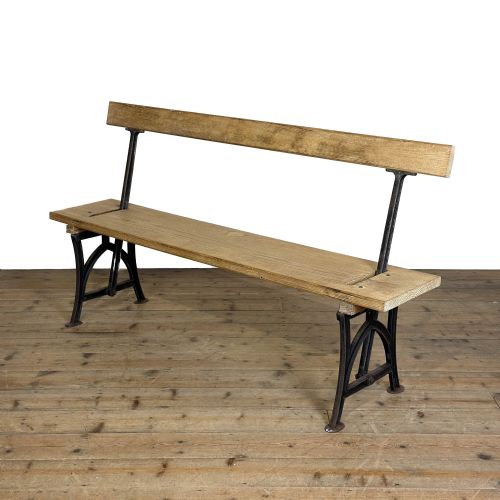
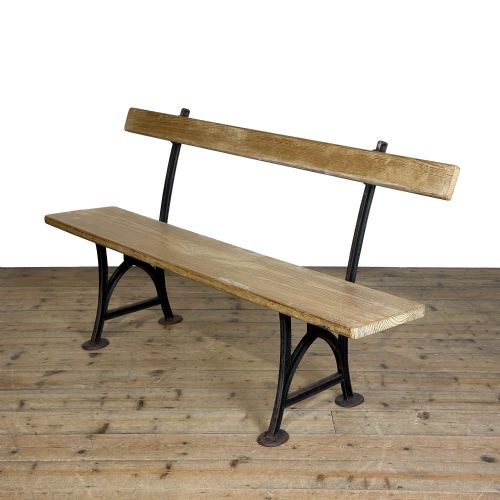
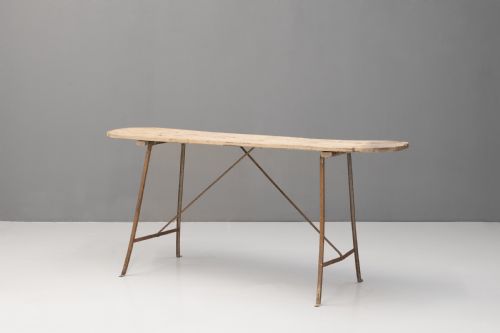
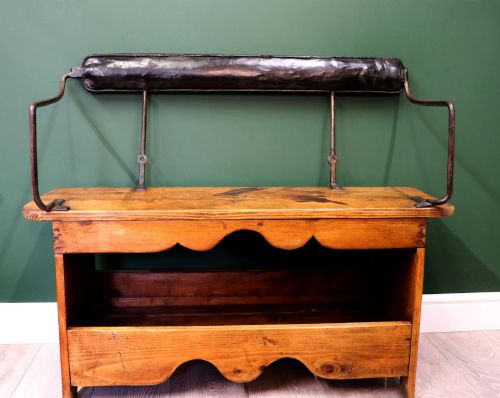


Industrial Pine Bench
An industrial pine bench brings raw workshop utility and robust timber grain straight into a modern interior.
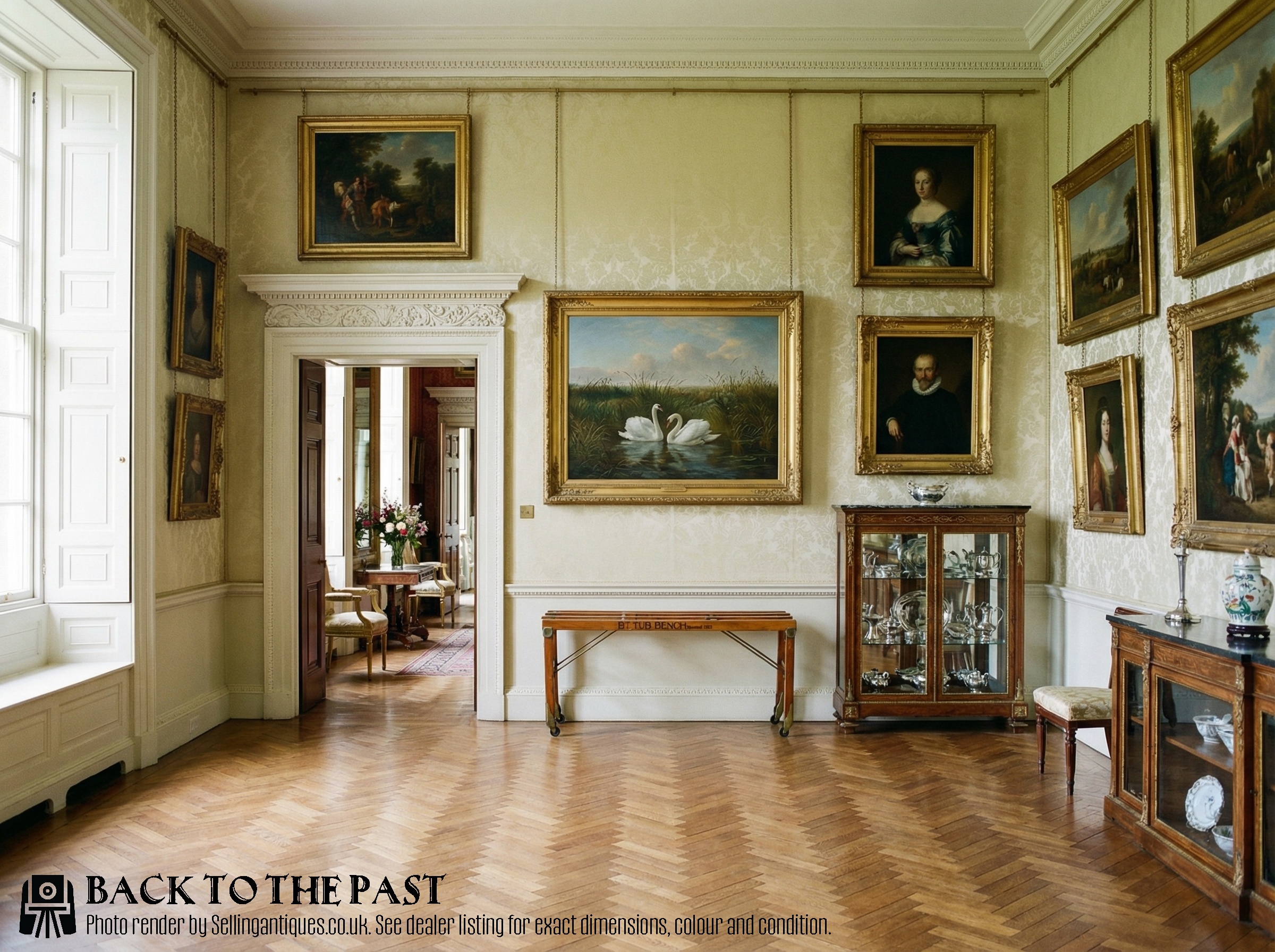
Industrial Pine Bench
When you search for an industrial pine bench, you encounter sturdy seating and work surfaces rooted in nineteenth and early twentieth century factories, railways and bakeries. These pieces combine heavy timber tops with metal supports designed for hard daily labour.
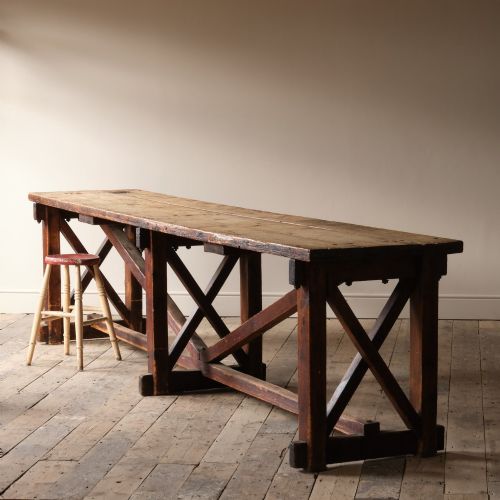
You are most likely to meet Victorian and early twentieth century examples, ranging from railway flip over seats and tram benches to workshop tables adapted for domestic seating. Their forms reflect practical origins, from folding stands to long bakers prep surfaces.
The aesthetic bridges rustic farmhouse warmth and utilitarian ironwork, making these benches versatile for hallways, kitchens and living spaces. Each item carries the marks of its working past in the surface timber and iron brackets.
How they were made
Makers constructed these benches using thick pine and pitch pine boards for the tops, chosen for durability and availability in large workshops. Joinery was straightforward and utilitarian, built to withstand heavy daily use without decorative flourishes.
Structural strength came from cast iron, wrought iron, and steel frames, sometimes incorporating brass fittings or folding mechanisms. These metal elements were bolted directly to the timber to create rigid, long lasting foundations for factory and transport seating.
Industrial Pine Bench Retail Price Guide 2026
Typical asking prices for industrial pine bench among the pieces listed under this phrase on Sellingantiques today, from the lower quarter to the upper quarter. They describe what is for sale here now, not the wider market.
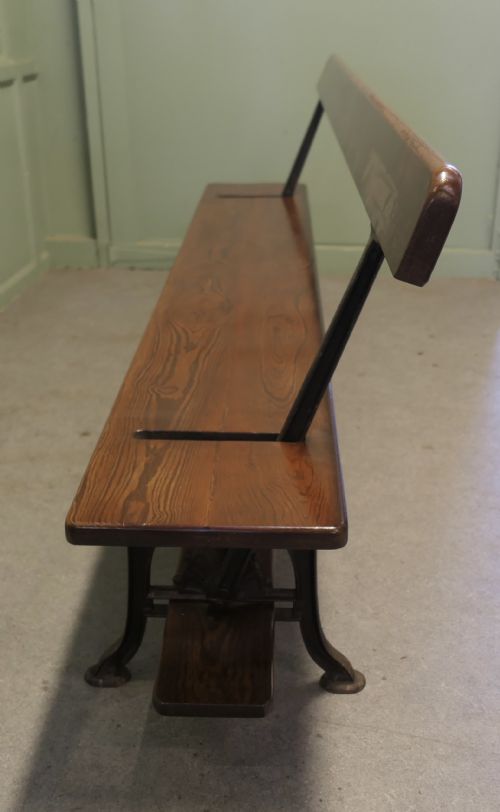
Tram passengers once flipped these wooden backs to change direction, and now you can flip them to change your hallway view.
What varies in quality
The distinction between ordinary utility items and superior pieces lies in the integrity of the original mechanism and timber substance. Flip over seating mechanisms and heavy iron frames demonstrate finer engineering when they operate smoothly and retain original patination.
The character of the timber defines the visual appeal, where rich grain, pitch density, and honest surface wear elevate a piece far above standard utilitarian replacements. Original paint remnants and untouched workshop patination indicate higher desirability.
The Industrial Pine Bench Glossary
- Pitch pine
- A resinous softwood known for its density and strong grain patterns. It provided exceptional durability in nineteenth century work furniture.
- Flip over railway bench
- A seating form featuring a reversible backrest that allowed passengers to face either direction. These mechanisms appear in transit and tram seating.
- Worktable
- A heavy wooden surface built for manual labour in factories or trade shops. Many function as benches or console tables in contemporary homes.
- Patina
- The surface sheen and colour acquired through decades of use, cleaning, and exposure. It distinguishes authentic antique pieces from modern reproductions.
Industrial Pine Bench: Frequently Asked Questions
How do I use a pine bench at home?
These benches fit naturally in hallways, at dining tables, or along kitchen walls where sturdy seating is required.
Their narrow footprints also allow them to serve as display surfaces or console tables in living spaces.
Are these benches comfortable for sitting?
Most industrial and railway benches were built for utility rather than long lounging periods. Adding cushions helps if you plan to sit for hours.
The solid timber and supportive iron frames nevertheless provide firm, stable seating.
How do I care for antique pine furniture?
Keep the timber away from direct heat sources and extreme humidity changes to prevent splitting. Natural wax helps nourish the dry pine surfaces without sealing away the historic patina.
Avoid harsh chemical cleaners that strip the aged finish.
How can I tell an older bench from a reproduction?
Examine the fixings, timber density, and the natural wear patterns on both the wood and iron components. Authentic pieces display honest tool marks and patination that modern manufacturing cannot replicate.
Old ironwork often shows hand forged or cast textures specific to nineteenth century production methods.