
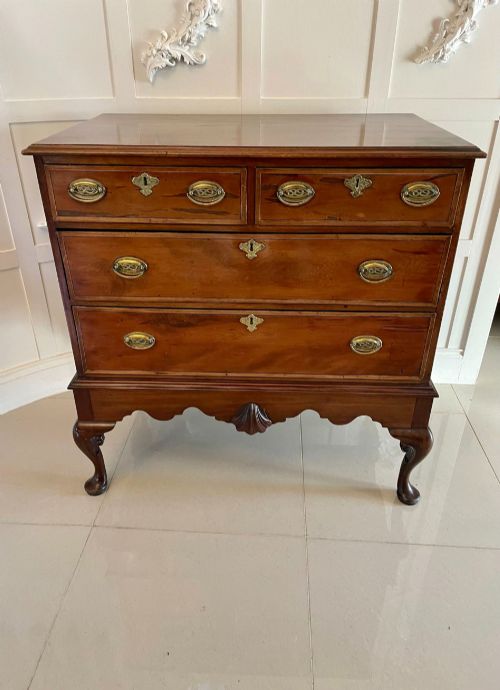
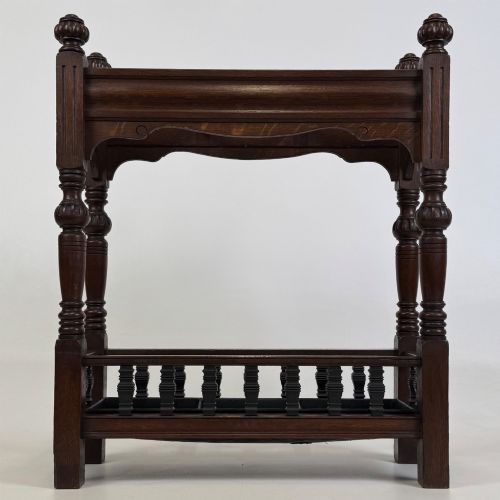
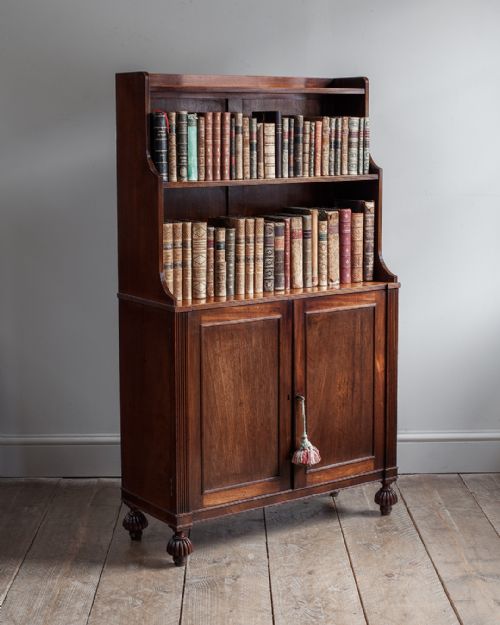
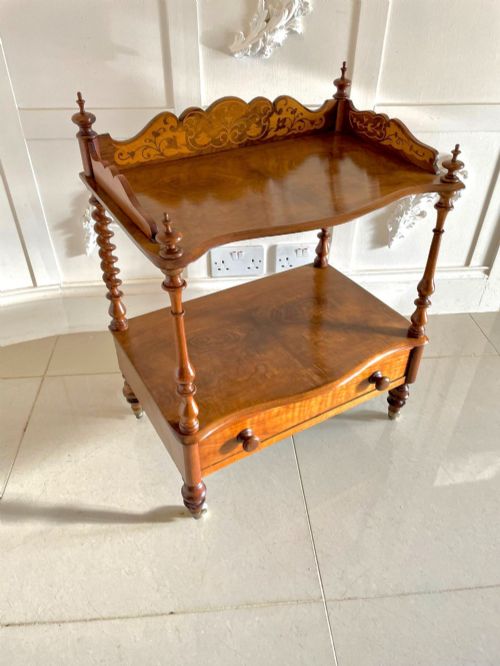
Brown Wooden Stand
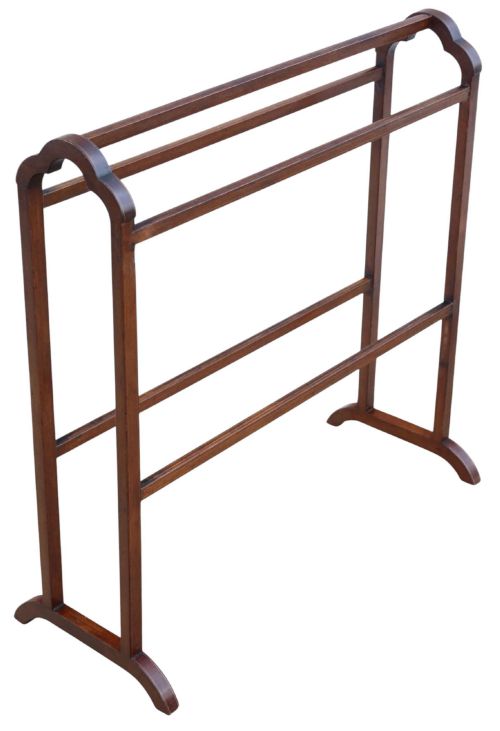
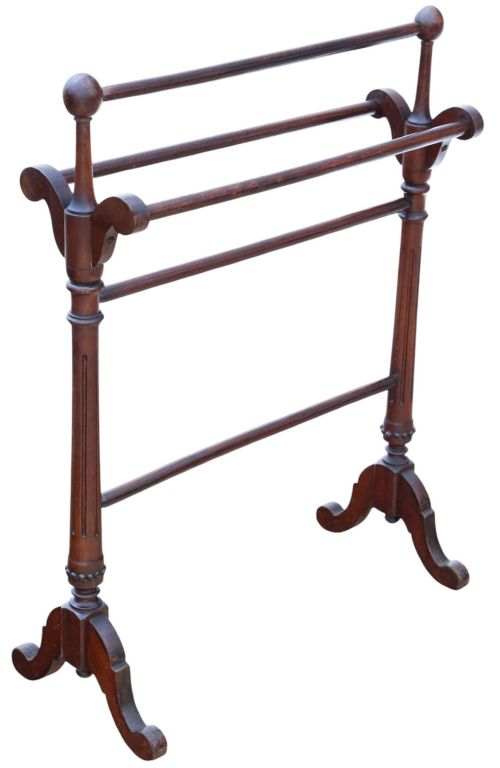
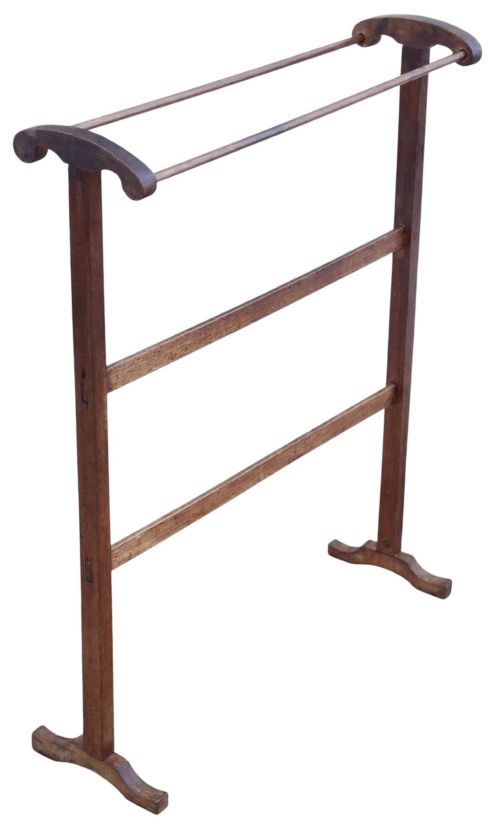
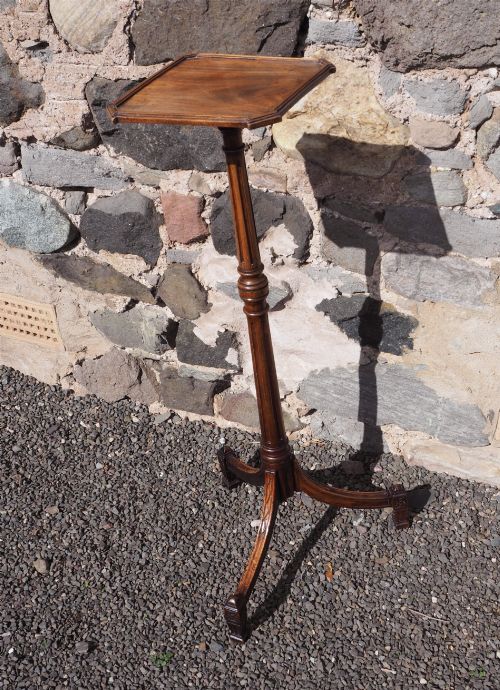
A brown wooden stand brings functional timber utility into a room, spanning Edwardian umbrella holders and Georgian butler's tray bases.
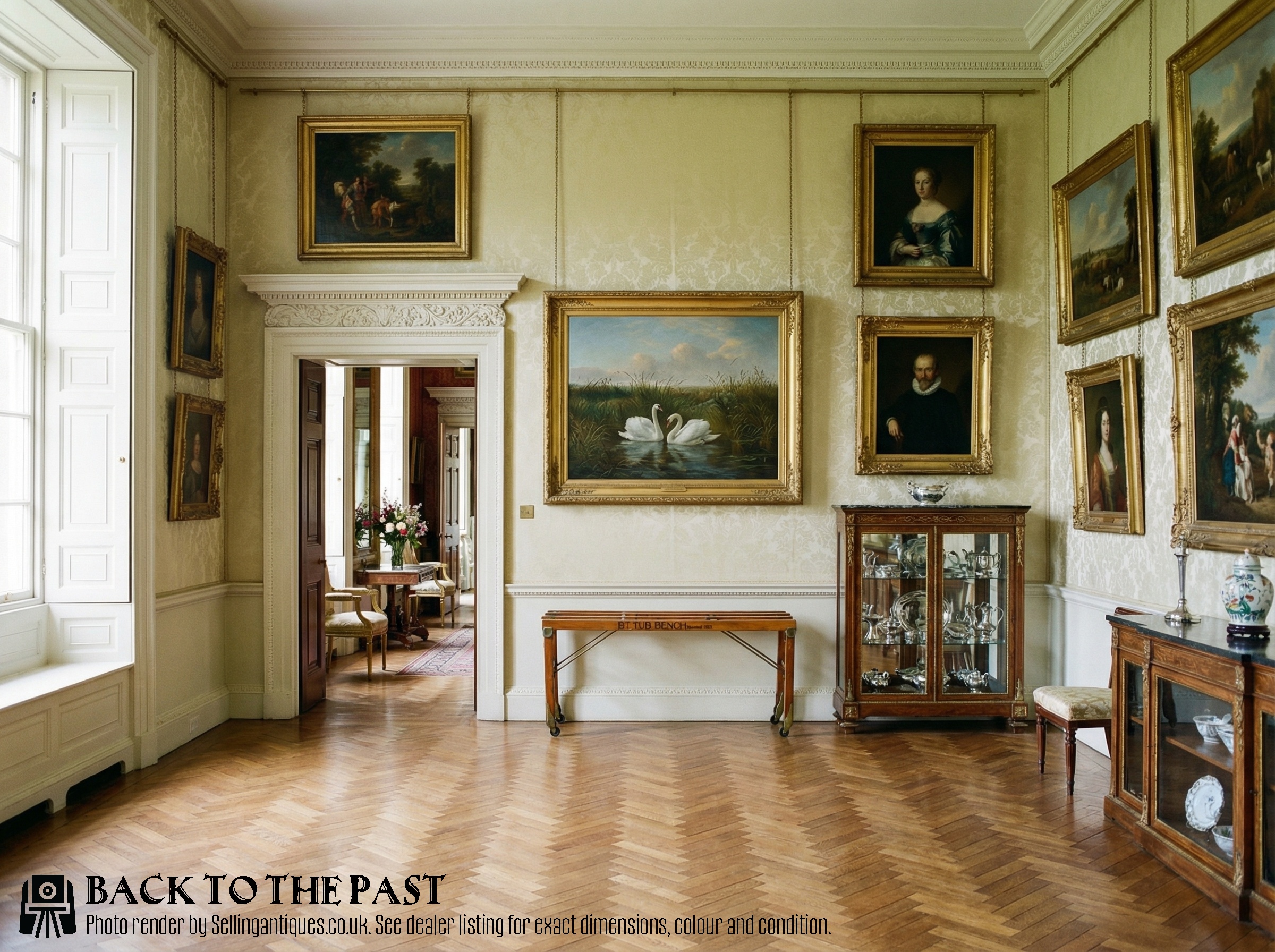
Brown Wooden Stand
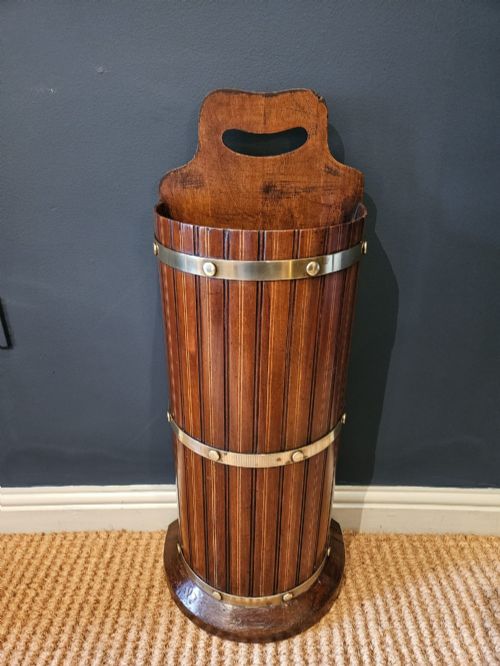
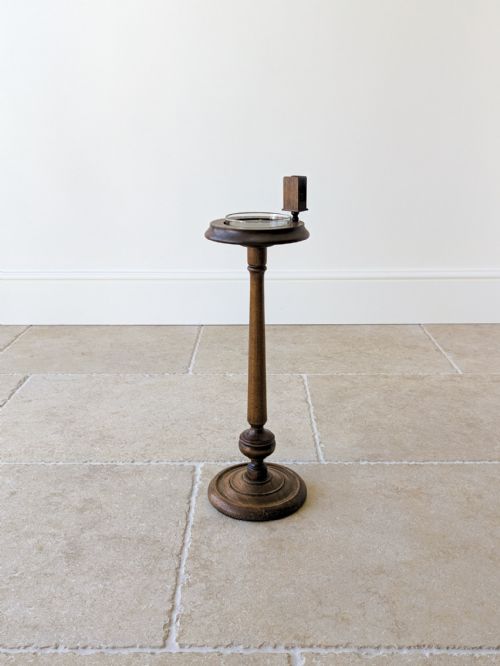
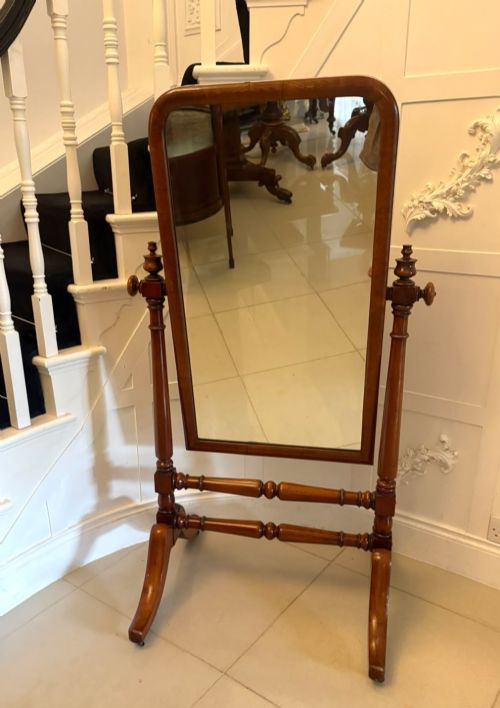
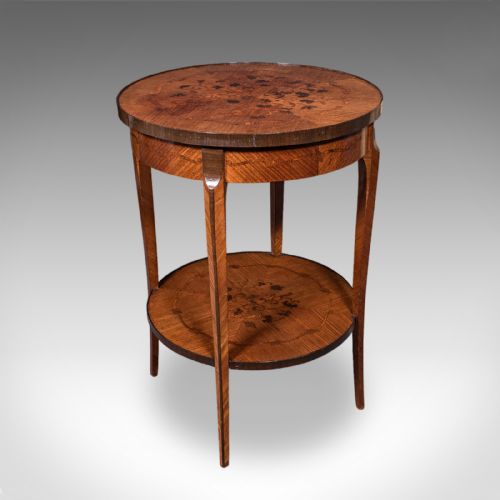
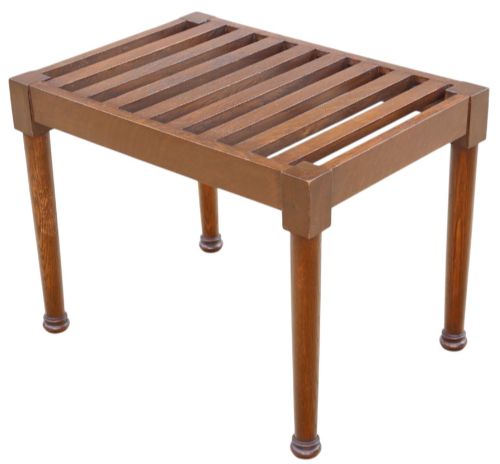
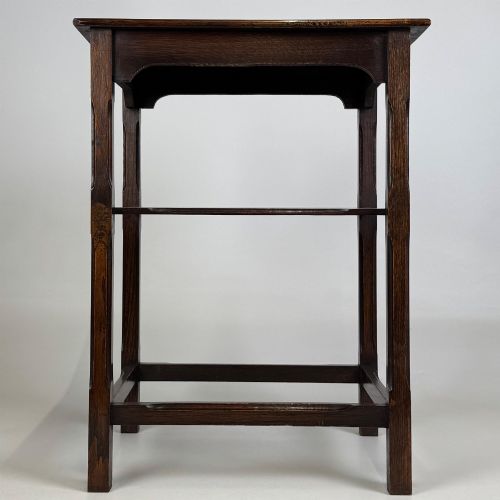
A brown wooden stand encompasses diverse domestic furniture types, appearing most frequently on this page as umbrella holders, towel rail stands, plant stands, and occasional side tables. These pieces emerge from periods including the Georgian era, Victorian epoch, Edwardian years, and the early twentieth century.
Makers utilised various functional forms to suit domestic needs, ranging from luggage racks and revolving hat stands to torchères and butler's tray bases. Oak and mahogany dominate the structural timber choices across these utilitarian and decorative objects.
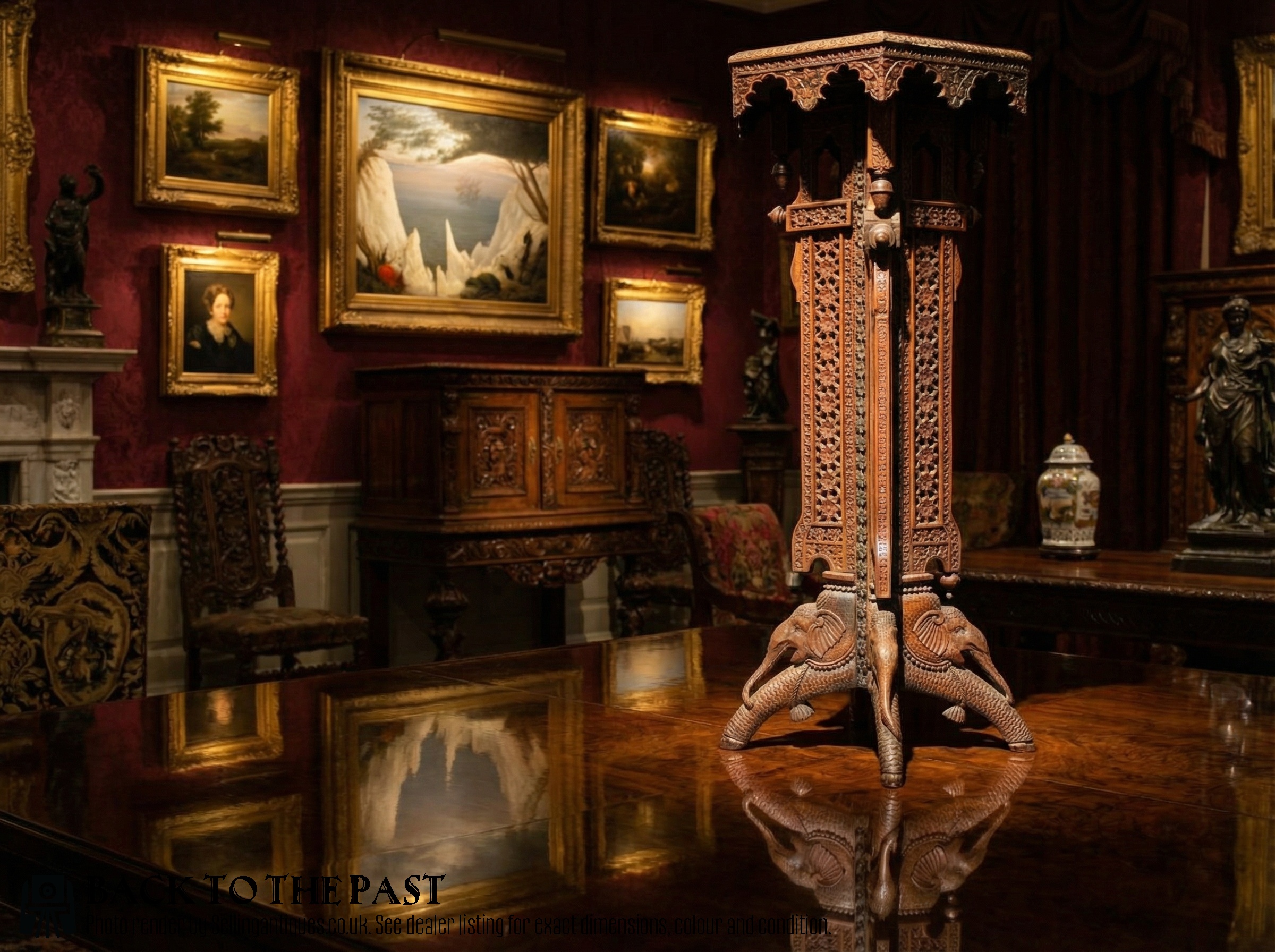
Materials and construction
Craftsmen built these pieces predominantly using solid hardwoods like mahogany and oak, frequently incorporating decorative veneers such as burr walnut, satinwood, and harewood. Brass and metal fittings often provide functional accents or structural reinforcement.
Joinery techniques vary by period and form, utilising straightforward structural joints for utility items alongside delicate inlay and carving for display pieces. Surfaces receive finishes that highlight the natural grain and colour of the timber.
One unexpected item is a fully working desk top perpetual calendar housed in dark oak.
Judgement of quality
Quality rests on the selection of timber and the precision of construction, distinguishing standard utilitarian items from finer decorative examples. Grain matching and subtle inlay work elevate a piece above basic production standards.
Proportion and the preservation of original surfaces dictate desirability, as alterations or heavy refinishing diminish historical integrity. The integration of metal hardware and the stability of joints also define the upper tier of these stands.
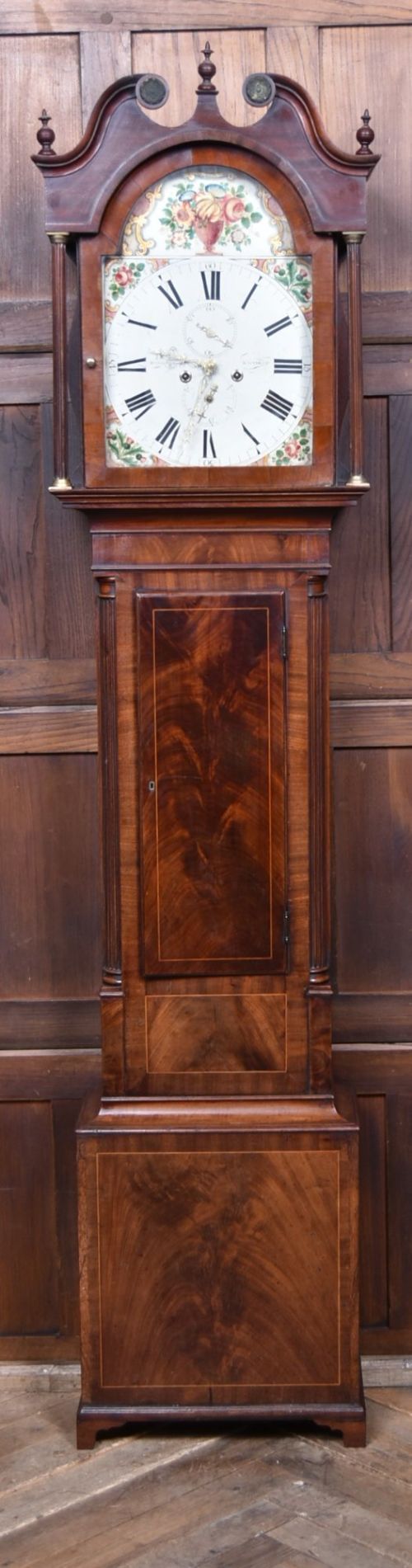
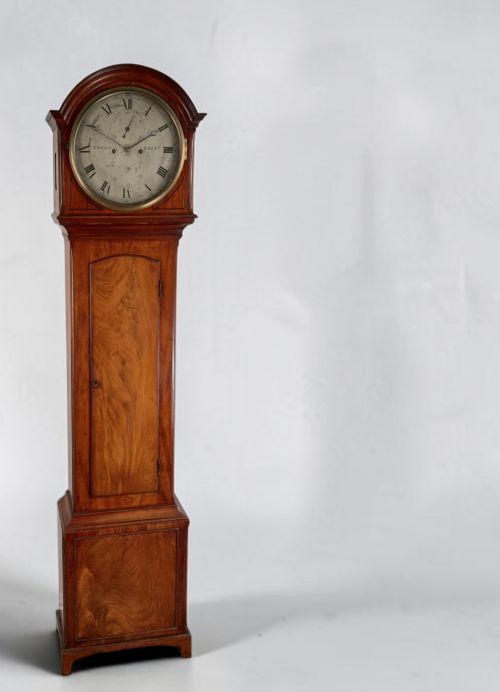
Trevor Page And Co·Hendrie Ogg·Green of Edinburgh·D Straiton
The Brown Wooden Stand Glossary
- Torchère
- A tall ornamental stand designed to support a candelabrum or lamp. These elevated pieces often feature turned columns and carved pedestals.
- Canterbury
- A low stand with partitions used for holding sheet music, books, or portfolios. Originating in the late eighteenth century, they typically feature wooden slats.
- Butler's tray
- A removable wooden tray with hinged or shaped sides, designed to sit upon a folding stand. They frequently appear in mahogany during the Georgian period.
- Inlay
- A decorative technique where contrasting materials are inserted into recesses cut into the timber base. Common examples include satinwood or darker woods set into mahogany panels.
- Solomonic
- A helical or spiral twist column resembling a corkscrew shape. This classical architectural form appears on carved wooden pedestals from the eighteenth century.
Brown Wooden Stand: Frequently Asked Questions
What is a brown wooden stand used for?
These stands served practical domestic functions ranging from holding umbrellas and walking sticks to supporting plants, luggage, or washroom towels. Their roles adapted to the specific needs of hallway, bedroom, or parlour.
Over time, many utilitarian objects transitioned into decorative interior elements. Their sturdy timber construction allowed them to endure decades of daily household service.
How do I identify an Edwardian stand?
Edwardian stands typically date from the opening decades of the twentieth century, displaying lighter framing and understated decorative elements. Oak and mahogany are the prevailing timbers from this era.
Many examples incorporate simple inlaid lines or functional brass fittings. Their forms often prioritize domestic organisation, such as revolving coat racks and partitioned umbrella holders.
What is the difference between an occasional table and a plant stand?
An occasional table provides a flat surface for lamps, books, or tea services, featuring a broader top and stable height. A plant stand is specifically proportioned with a narrow top designed to elevate potted greenery.
Plant stands often utilise slender stems or taller pillar supports to display flora within a room. Their construction focuses on vertical emphasis rather than surface utility.
How should I care for antique timber stands?
Maintain antique stands by keeping them away from direct heat sources and fluctuating humidity levels to prevent timber splitting. Regular dusting with a soft cloth preserves the polished finish.
Occasional application of appropriate wax polish nourishes the wood without building up residue. Avoid abrasive cleaners that can damage historic surfaces.