

Wooden Bench with Back
A wooden bench with back is a seating staple built from solid timber to stand against walls or fill hallways.
Wooden Bench with Back
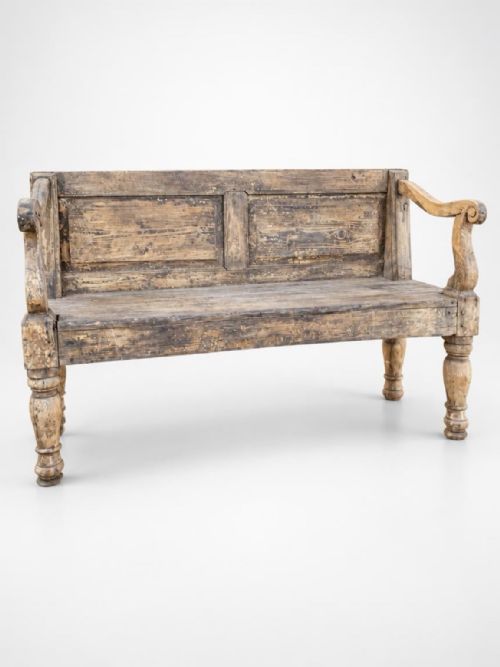
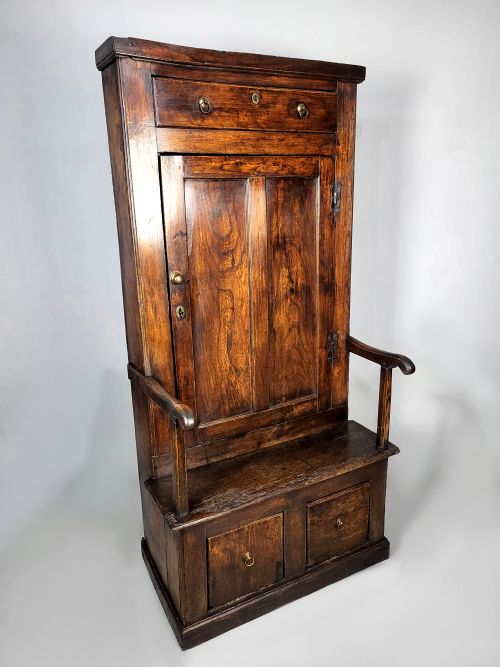
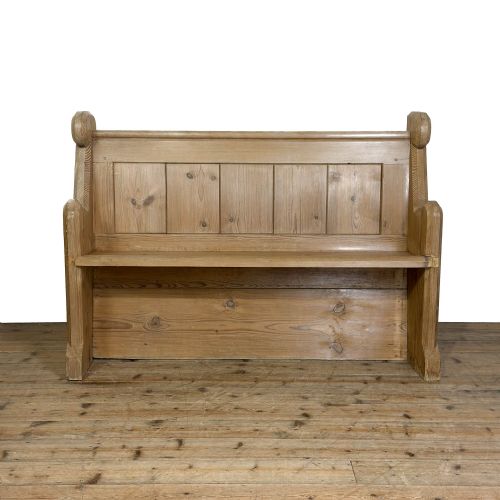
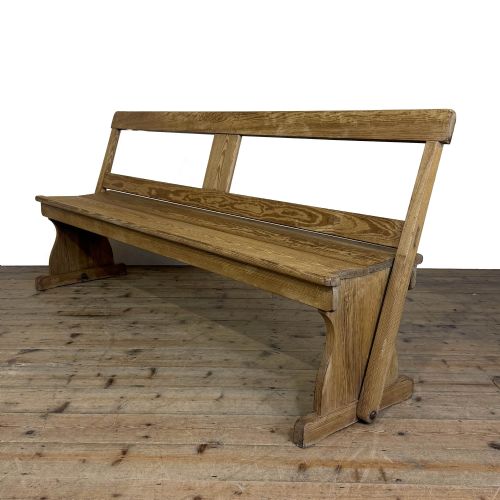
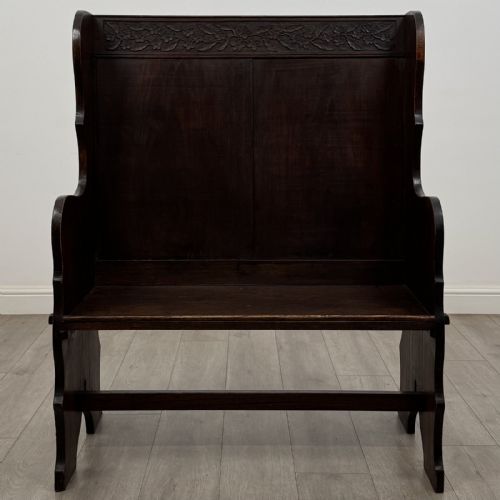
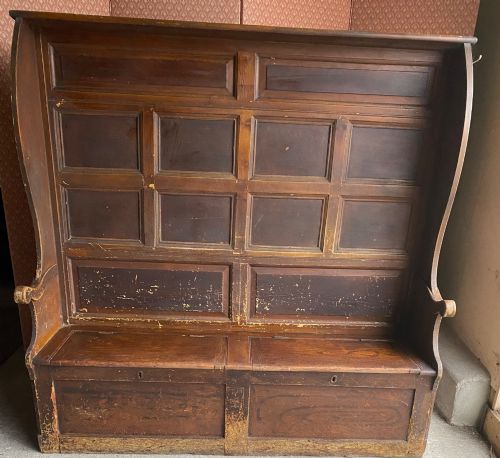
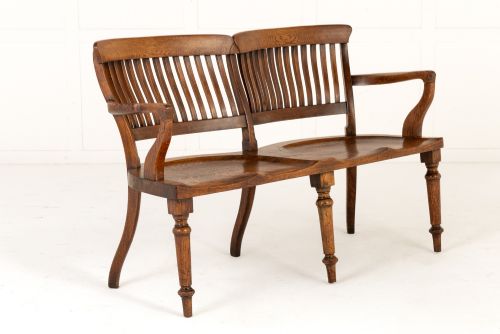
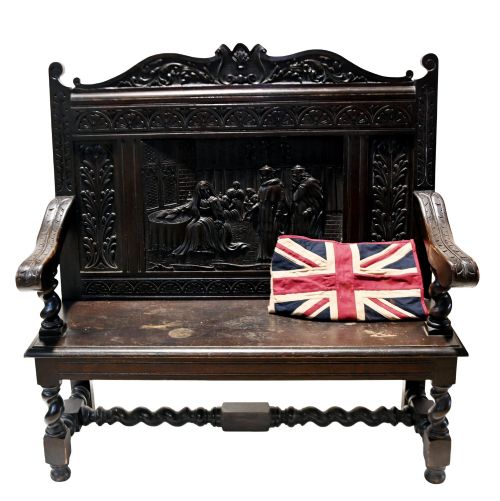
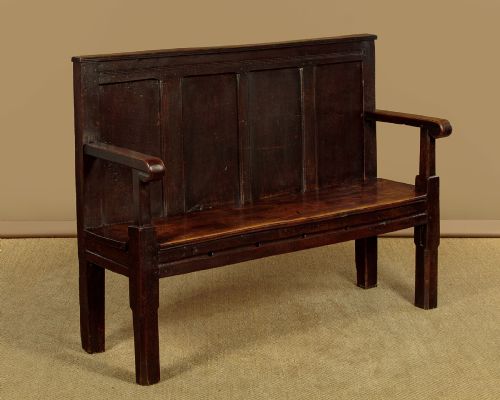
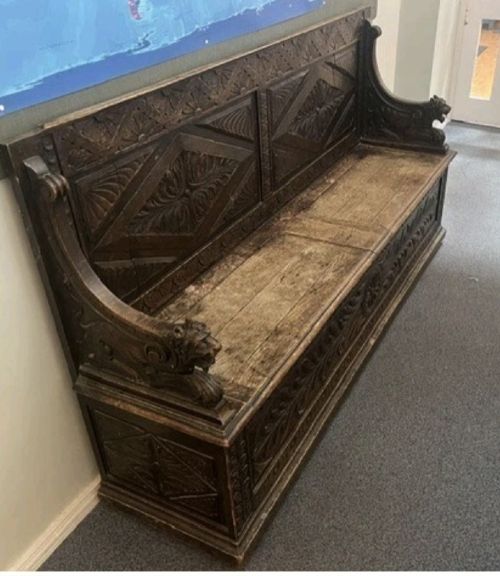
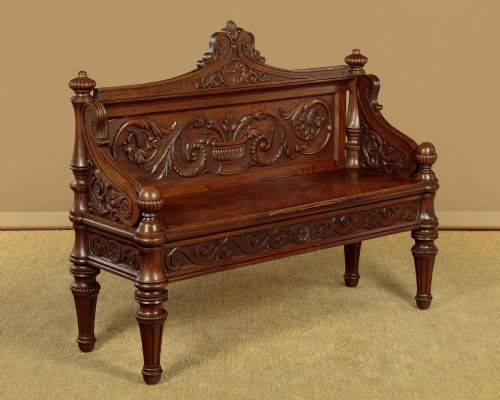
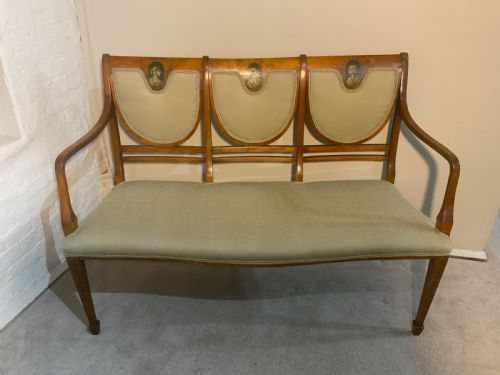
A wooden bench with back provides sturdy seating and appears in forms ranging from plain pine church pews to panelled oak box settles and painted country tavern seats. These pieces originate across periods from the seventeenth century through the Victorian era, reflecting vernacular woodworking traditions.
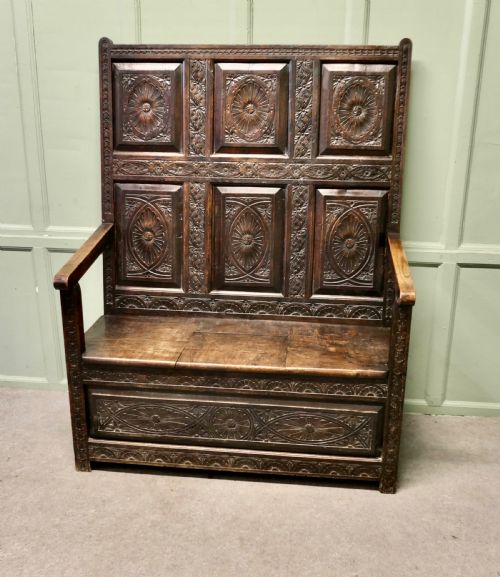
Buyers seeking a wooden bench with back will frequently encounter nineteenth century pine examples and eighteenth century oak box settles featuring high backs designed to block draughts. Regional variations such as Welsh verncular pieces and Hungarian pine benches also feature prominently in the selection.
Assessing quality and character
Quality rests in the integrity of the timber, the retention of original surface treatments like early paint or wax, and the survival of integrated storage components without excessive modern timber replacement. Pieces retaining their original proportions and vernacular joinery demonstrate superior craftsmanship.
The sophistication of the carved decoration, such as tulip motifs or period revival details, distinguishes standard utilitarian seating from finer workshops. Patina and surface depth acquired through age elevate the visual presence of both country pine and formal hardwood examples.
Wooden Bench with Back Retail Price Guide 2026
Typical asking prices for wooden bench with back among the pieces listed under this phrase on Sellingantiques today, from the lower quarter to the upper quarter. They describe what is for sale here now, not the wider market.
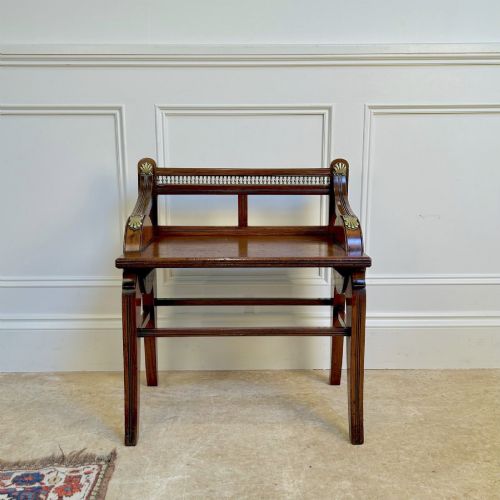
Listings feature eighteenth and nineteenth century oak and pine pieces alongside Arts and Crafts designs.
James Shoolbred & Co.·Liberty
The Wooden Bench with Back Glossary
- Settle
- A wooden bench with a high back, solid arms, and frequently a box base used for storage. This form kept occupants warm by blocking cold draughts in older houses.
- Box settle
- A settle featuring a hinged seat lifting to reveal a storage compartment underneath. These pieces served dual purposes as seating and blanket chests.
- Patina
- The surface sheen and colour acquired by wood through age, handling, and waxing. A rich patina indicates long-term care and natural wear.
- Pew
- A long wooden bench traditionally used in churches and chapels. These are constructed from solid pine or oak with upright panelled backs.
Wooden Bench with Back: Frequently Asked Questions
How do I style a wooden bench with back in a modern hallway?
Position the bench flat against a main wall to anchor the entrance space, allowing the high timber back to provide visual structure. Add a simple wool textile or scatter cushion to soften the seat while keeping the historical wood grain visible.
Ensure there is sufficient clearance for movement opposite the bench, particularly with box settles that feature deep seats. Pair the piece with simple wall hooks or a low table to maintain a functional, uncluttered entryway.
What is the difference between a settle and a church pew?
A settle typically includes solid wooden arms and often incorporates a closed box base beneath the seat for storage. These were designed for domestic rooms to block cold draughts.
Church pews are generally open at the ends and lack under-seat storage compartments, built instead for communal seating in rows. Pews rely on long timber planks and simple upright supports rather than enclosed box construction.
How should I care for a waxed pine bench?
Apply a traditional beeswax polish sparingly with a soft cloth every few months to nourish the dry timber and maintain the surface sheen. Buff gently after application to protect the wood without creating a glossy artificial finish.
Keep the bench away from direct heat sources and radiators to prevent the pine from splitting or warping. Avoid using liquid chemical cleaners that can strip the historic wax and dry out the grain.
Can I use a box settle for everyday storage?
The interior compartment of a box settle is well suited for storing bulky items like spare blankets, winter textiles, or shoes. Lift the seat lid carefully to use the space while respecting the old hinges and internal timber.
Avoid overloading the storage space with damp items, as enclosed wooden boxes require stable humidity levels to protect the antique wood. Period hinges should support the weight without straining the surrounding frame joints.