


Industrial Dining Table
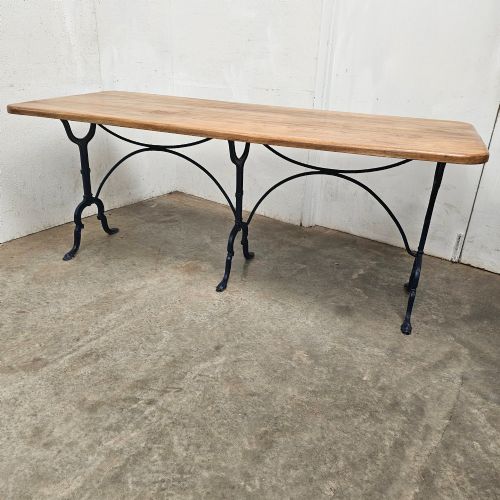
An industrial dining table brings robust metal frames and heavy timber surfaces together for a practical, hard-wearing centrepiece.
Industrial Dining Table
An industrial dining table combines sturdy metal framing with substantial wooden tops, drawing on utilitarian forms from workshops, factories and provincial settings. These pieces bridge the gap between heavy-duty functionality and domestic dining.
The selections available here span from Victorian cast iron and oak combinations to early twentieth-century French steel and elm variants. Buyers frequently encounter long bistro formats, refectory styles and trestle tables originating from Britain and France.
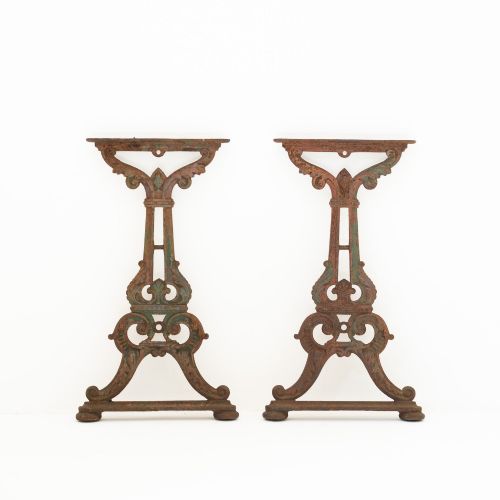
Makers adapted heavy-duty bases originally built for public houses, ships and industrial workspaces, pairing them with timber surfaces suited for daily meals. This lineage ensures each piece carries authentic utility rather than decorative mimicry.
Materials and construction methods
Construction relies heavily on structural metals including cast iron, steel, brass and copper for the bases and framework. These durable materials provide the substantial weight required to anchor large dining surfaces securely.
Wooden elements utilise dense timbers such as oak, pine, elm, teak and mahogany for the table tops. Carpenters and joiners joined these boards using traditional refectory, trestle and folding configurations designed for heavy daily use.
Listings feature items built from cast iron, steel, brass and copper paired with oak, pine, elm, teak and mahogany.
Evaluating build quality and proportion
Quality depends upon the original purpose of the components and the integrity of the marriage between base and top. Authentic workshop or institutional origins display proper engineering that lighter decorative replicas cannot replicate.
The proportional balance between the heavy metal framework and the thickness of the wooden top determines visual harmony. Finishes showing natural patination from years of service hold greater appeal than over-restored surfaces.
The Industrial Dining Table Glossary
- Cast iron
- A strong, heavy alloy poured into moulds to create rigid bases and decorative legs. It provides the heavy foundation characteristic of Victorian and early twentieth-century commercial tables.
- Trestle table
- A dining surface supported by two or more upright structures connected by a horizontal beam. This format offers maximum legroom along the length of the table.
- Refectory table
- A long, narrow dining table traditionally used in communal dining halls. Examples in this category pair antique timber tops with industrial iron or wooden frames.
- Bistro table
- A small café or tavern table typically featuring a central metal pedestal or four slender iron legs. These suit compact dining spaces and provincial interiors.
Industrial Dining Table: Frequently Asked Questions
How do I clean an industrial table top?
Wipe wooden surfaces using a slightly damp cloth and dry them immediately to protect the grain. Avoid harsh chemical cleaners that strip the historic patination accumulated over decades of use.
For metal bases, dusting with a soft brush removes loose particles without disturbing the original painted or oxidized finish. A light application of microcrystalline wax helps protect exposed iron from moisture.
Are these tables suitable for everyday family use?
The robust construction of iron bases and thick timber tops makes them exceptionally durable for daily dining. Their resilient materials handle active households without requiring delicate handling.
Many surfaces already bear marks from their previous working lives, meaning new daily use simply adds to their ongoing history. Using coasters and placemats protects against extreme heat and moisture rings.
How do I tell an old base from a modern reproduction?
Original nineteenth and early twentieth-century bases display proper foundry casting marks, heavy gauge metals and genuine wear patterns around bolt joints and footings. Modern copies often feel too light or show artificial distressing rather than authentic service wear.
The fixings and bolts on older pieces typically feature imperial threading and hand-forged or slotted fasteners rather than modern Phillips screws.
Will an iron and wood table damage wooden floors?
The substantial weight of cast iron and steel frames can scratch delicate flooring if dragged across the room. Lifting the table with assistance when repositioning prevents floor damage.
Applying subtle, discreet felt pads beneath the iron feet provides effective protection for hardwood floors while keeping the visual profile of the base unchanged.