


Indigo Blue Oriental Rug
An indigo blue oriental rug brings rich vegetable dye tones and traditional village designs into a modern room.
Indigo Blue Oriental Rug
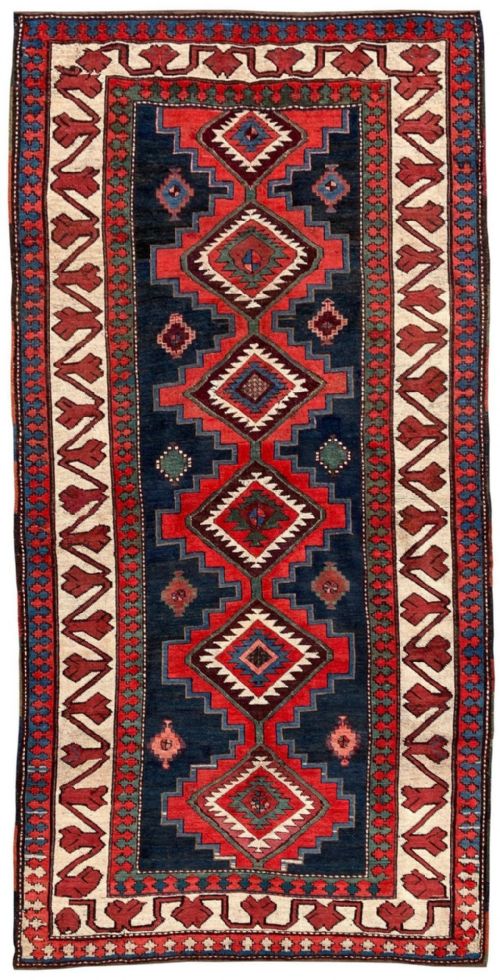
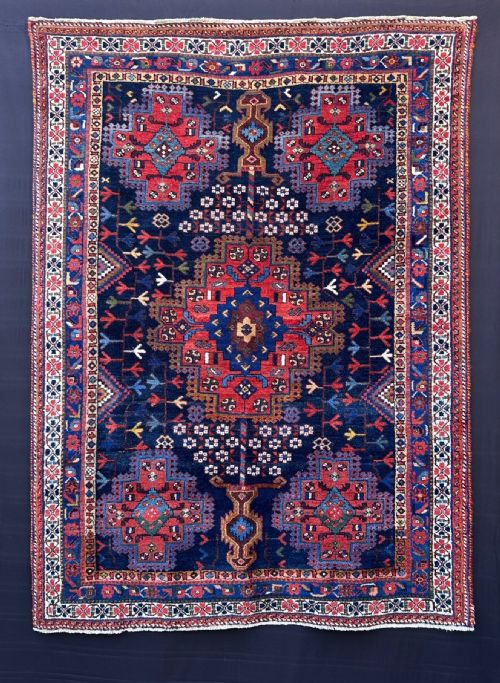
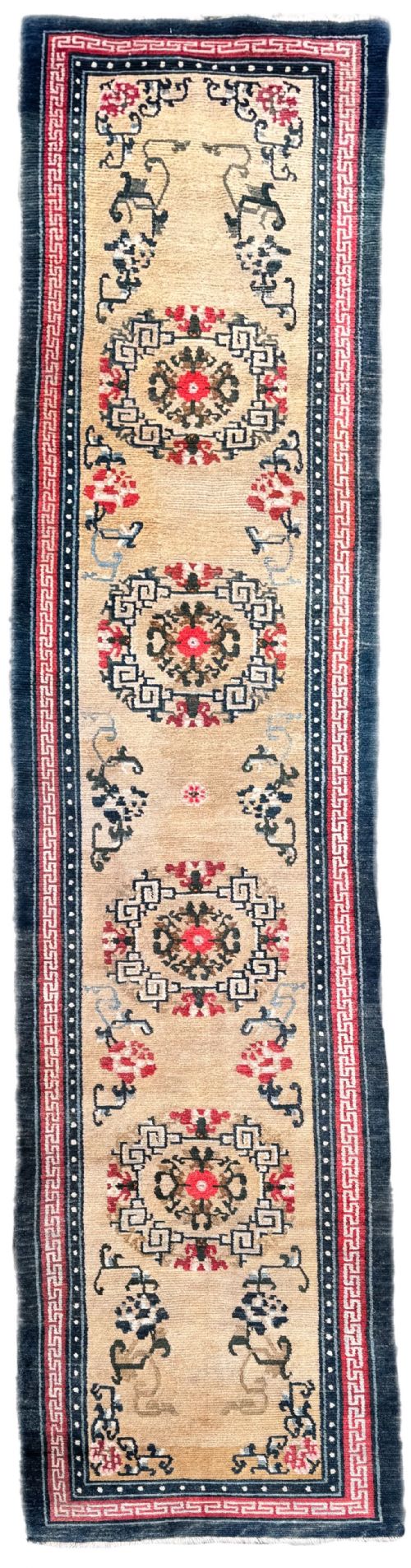
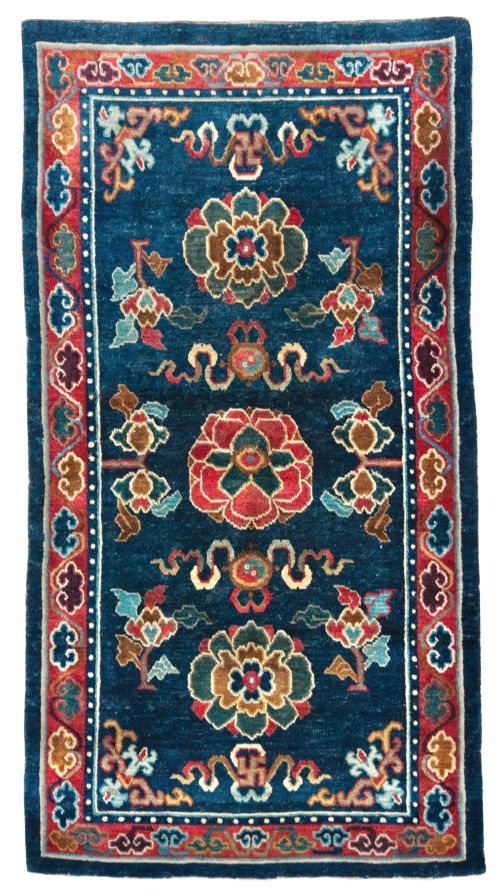
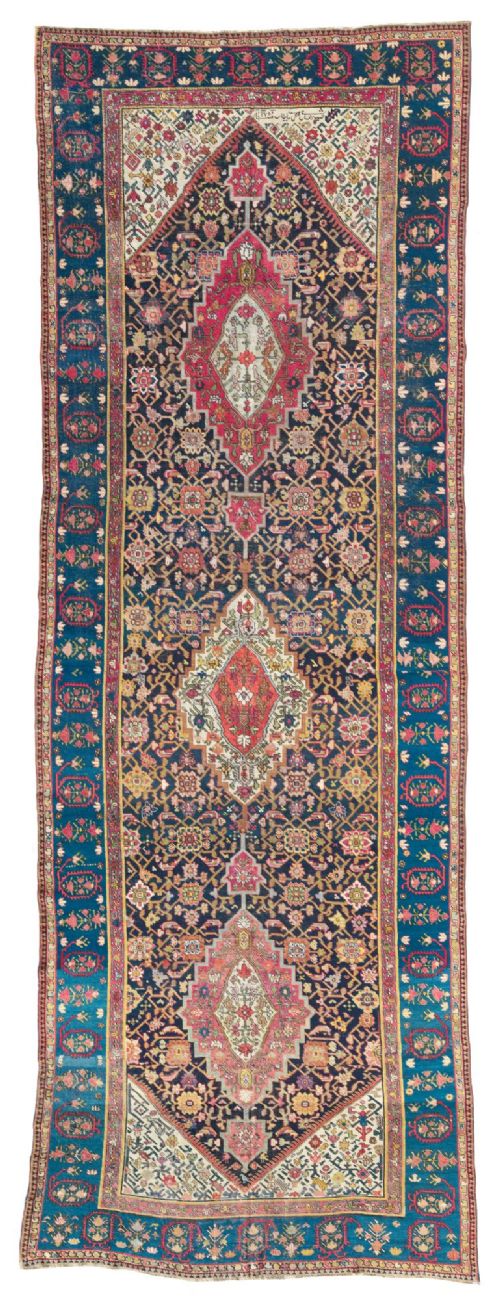
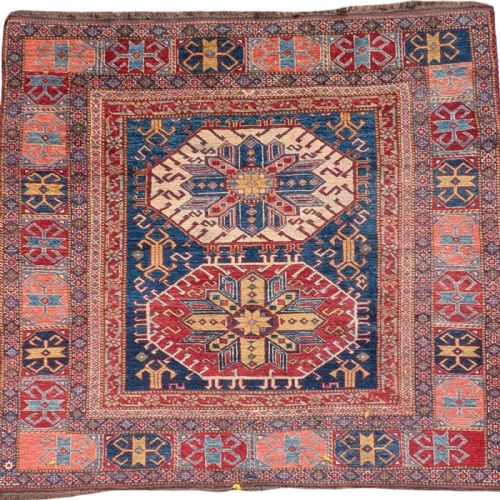
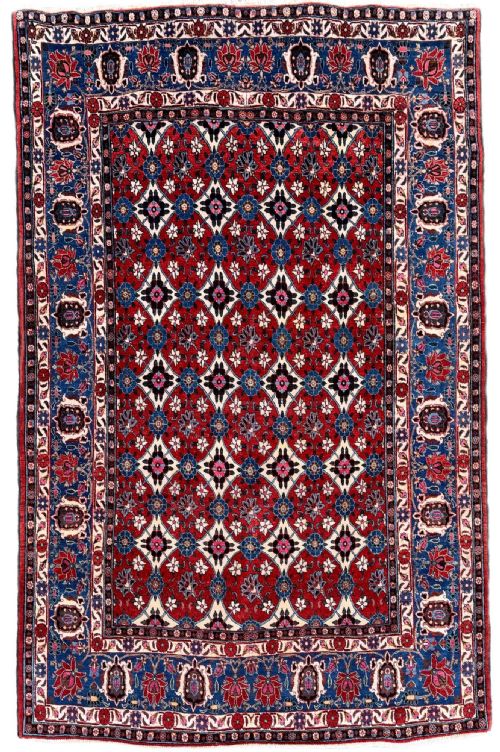
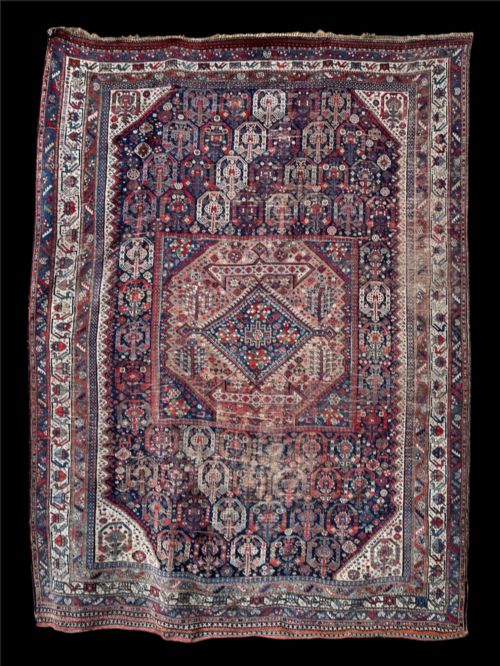
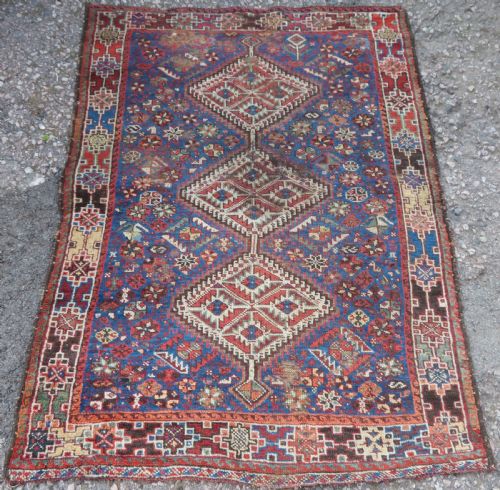
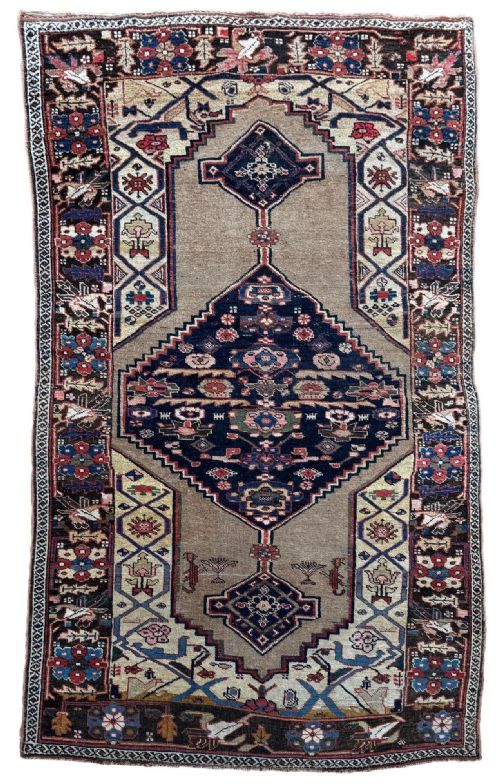
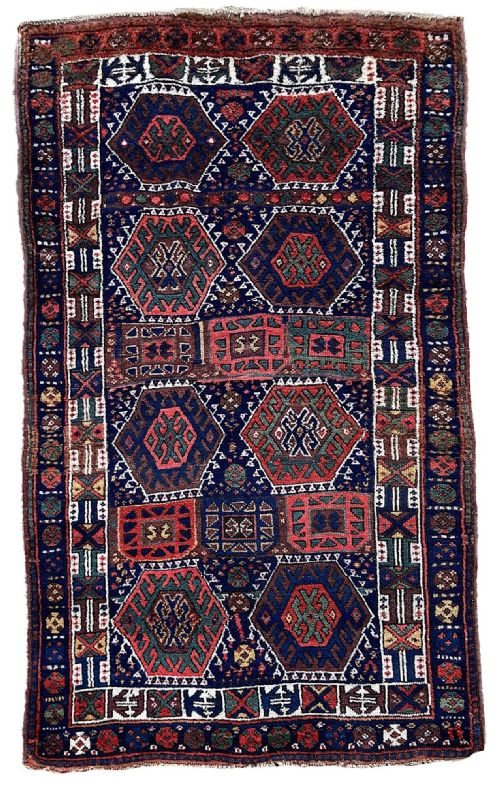
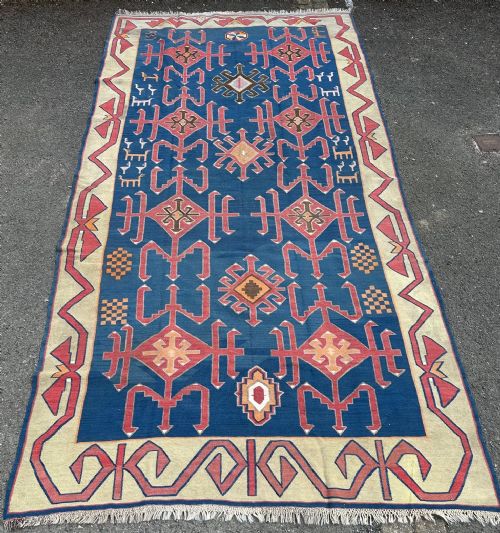
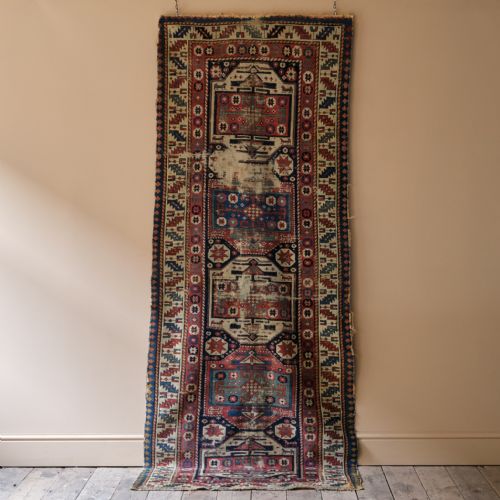
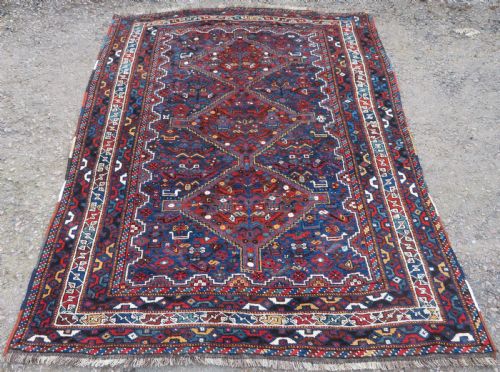
An indigo blue oriental rug encompasses hand-knotted and flat-woven carpets produced across Persia, the Caucasus, and Tibet from the nineteenth century into the early twentieth century. Buyers seeking this aesthetic encounter various regional formats, including small seating mats, room-sized carpets, and long narrow runners.
The selections on this page draw heavily from tribal and village traditions such as Kazak, Khamseh, Afshar, and Kurdish workshops. These pieces showcase distinctive regional geometries, medallion layouts, and field patterns executed in deep blue palettes.
Production dates span from the mid-nineteenth century through the 1940s, capturing diverse regional weaving traditions on wool and cotton foundations. Collectors find both room-size carpets and corridor runners representing these historical weaving groups.
Materials and Construction
These textiles rely primarily on durable wool for the pile and face, often combined with cotton for warps and wefts in Persian and Caucasian examples. Goat hair appears in certain nomadic pieces to provide structural reinforcement along the selvages.
Weavers utilised natural dyes to achieve deep indigo grounds and contrasting accents, resulting in varied hues that mellow with age. The construction methods range from dense pile knots to flat-weave kilim techniques without pile.
Current listings feature pieces spanning the nineteenth century through the 1940s, utilising wool, cotton, and goat hair.
Quality Variations
The grade of an indigo blue oriental rug depends on the depth and saturation of the natural dyes used within the wool pile. Examples with vibrant indigo grounds and crisp geometric motifs demonstrate superior artisan skill.
Structural integrity and wool quality distinguish finer village and tribal pieces from heavier commercial output. The crispness of drawing in motifs like Lezghi stars or boteh designs indicates the weaver's precision.
The Indigo Blue Oriental Rug Glossary
- Kelim
- A flat-woven carpet or rug produced without a pile by interlocking the warp and weft threads. These textiles serve as lightweight floor coverings or wall hangings.
- Runner
- A long, narrow carpet format designed for hallways, corridors, or staircases. These pieces often feature repeating medallions or continuous field patterns.
- Medallion
- A central ornamental design motif placed in the middle of the rug field. It typically anchors the surrounding geometric or floral patterns.
- Boteh
- A stylised almond or pear-shaped motif representing a-shrub or floral spray. This pattern appears frequently in Persian and tribal weaving.
- Kazak
- A style of rug woven by tribal groups in the Caucasus region. They are known for bold geometric designs and saturated primary colours.
Indigo Blue Oriental Rug: Frequently Asked Questions
Where should I place a runner rug?
These long formats suit hallways, corridors, and narrow spaces where a standard rectangular carpet proves too wide. They provide floor protection while defining transit paths.
Position them in entryways or kitchens to add warmth and colour underfoot without obstructing doors.
How do I identify a tribal rug?
Tribal carpets display geometric motifs, stylized animals, and repeating symbols rather than formal court designs. Weavers from nomadic or village confederacies produced these pieces from memory.
The irregular lines and spontaneous colour shifts often indicate nomadic rather than workshop origin.
What is a flat-weave?
A flat-weave lacks the raised pile of traditional knotted carpets, possessing a smooth surface on both sides. These textiles rely on tightly packed weft threads concealing the warps.
They function well in high-traffic zones or dining areas where furniture sits flat.
How are these rugs dated?
Dating relies on stylistic analysis, material composition, and structural characteristics typical of specific decades. Natural dyes, wool texture, and regional design evolution help narrow the period.
Nineteenth-century examples show distinct handling of indigo and madder compared to mid-twentieth-century output.