





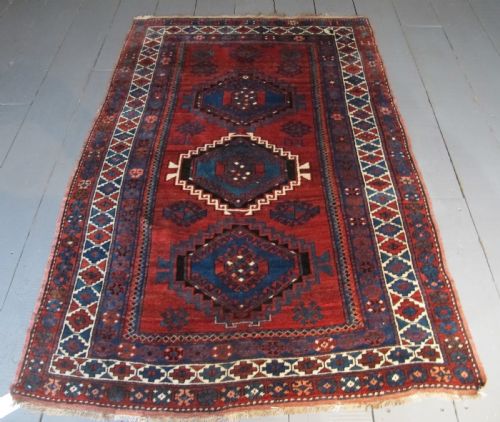
Indigo Runner
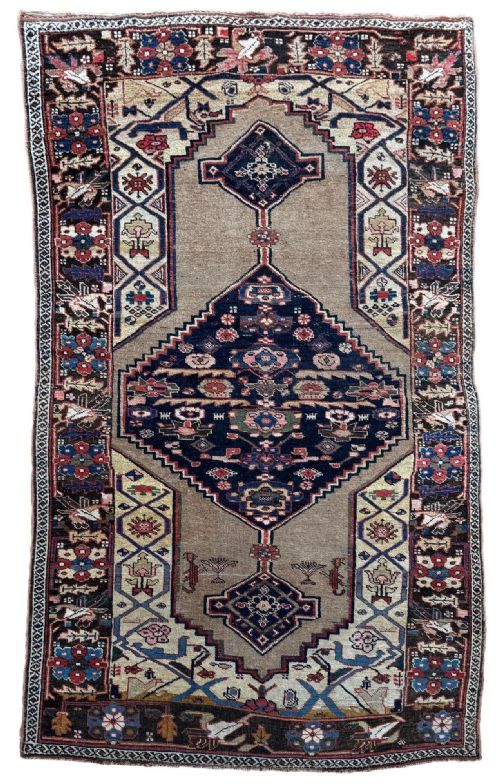
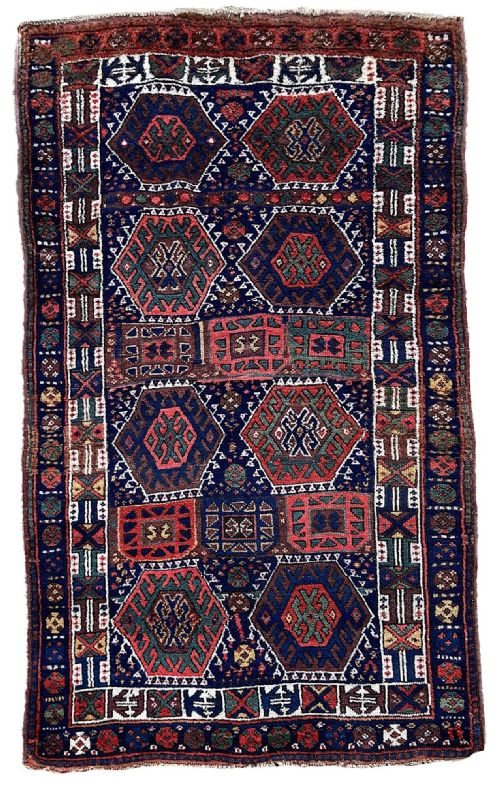
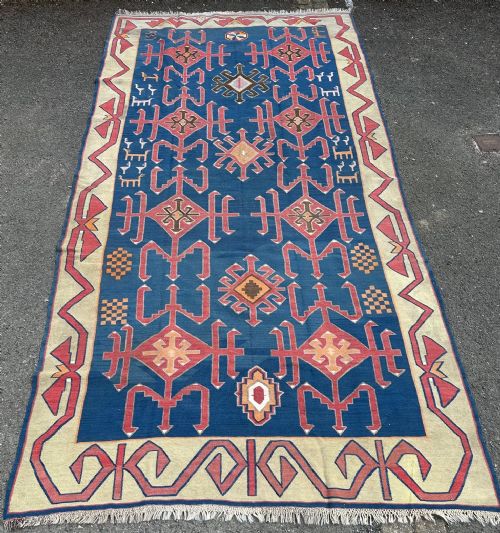
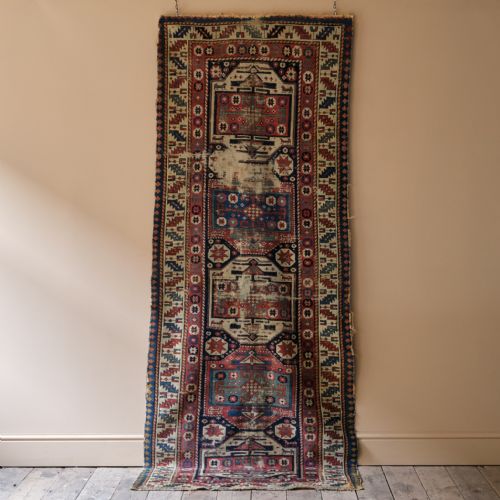
An indigo antique runner brings depth of colour and historical tribal pattern to a hallway or narrow space.
Indigo Runner
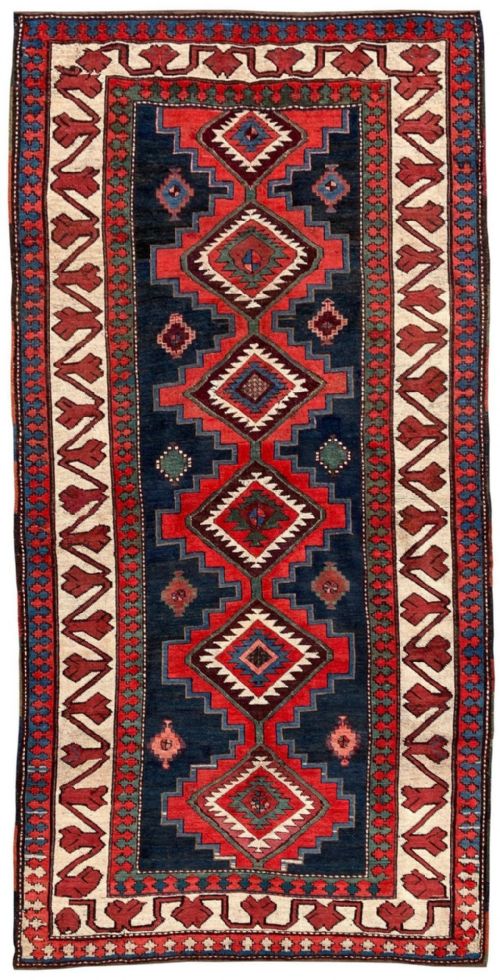
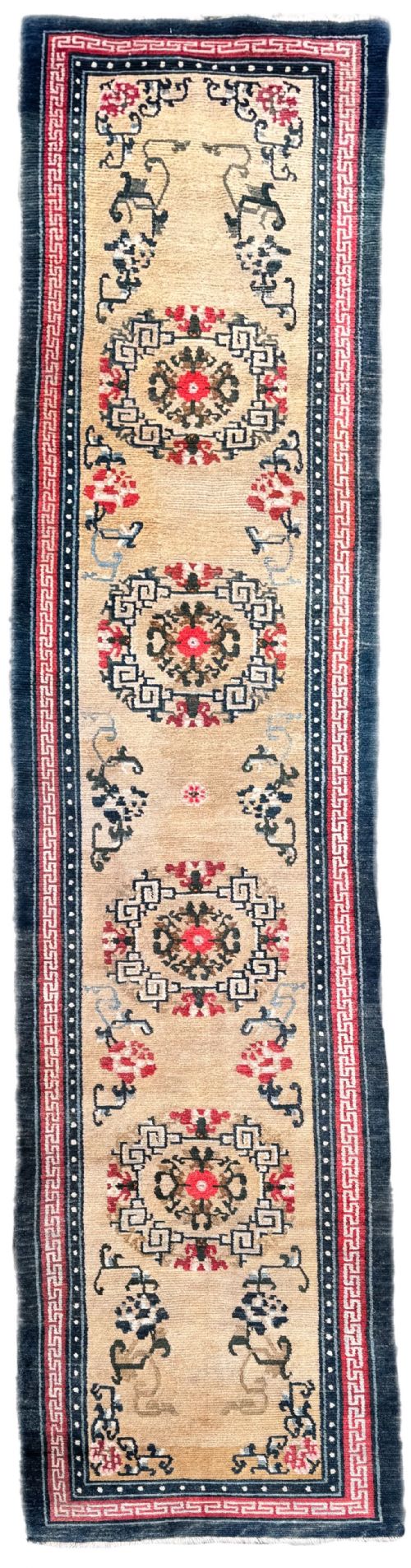
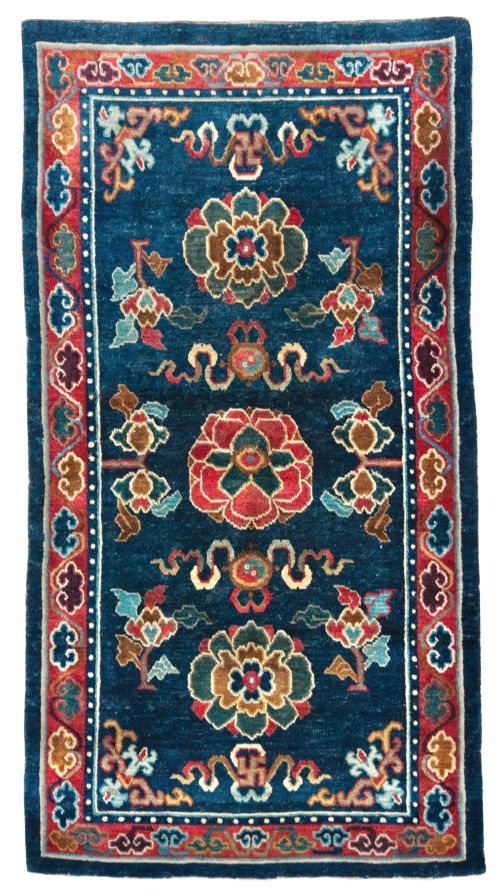
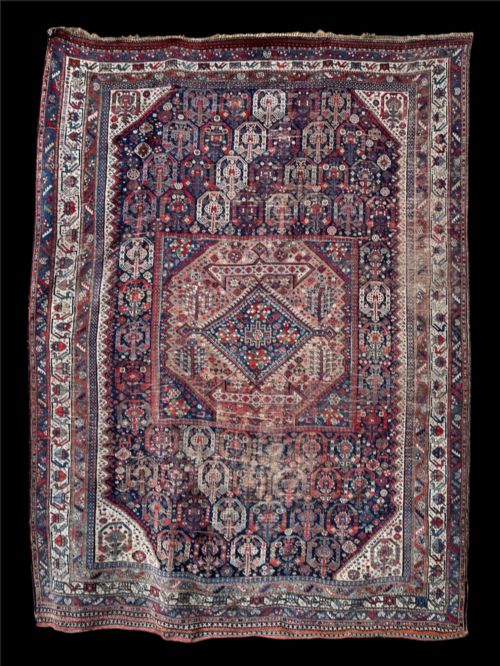
An indigo antique runner is a narrow, elongated textile woven by tribal and village makers, predominantly appearing in nineteenth and early twentieth-century formats. These pieces originate from regions such as the Caucasus, Persia, and Tibet, reflecting traditional weaving cultures that utilised deep blue dye grounds.
The selection on this page centres on elongated formats like hallway runners and long rugs, alongside related tribal carpets and flat-weaves. Makers incorporated motifs ranging from geometric stars to field repeats, executed in wool, cotton, and occasionally goat hair.
Materials and construction methods
Weavers relied principally on hand-spun wool and cotton foundations, dyed using natural substances to achieve rich indigo and secondary tones. The pile was knotted by hand or constructed as a flat-weave kilim, depending on the tribal tradition.
Materials such as goat hair appear in foundation structures for added durability, particularly in nomadic pieces intended for regular floor use.
Several runners display minor weaving asymmetries, reminding observers of the human hand behind the loom.
Factors that distinguish quality grades
Quality rests on the density of the weave, the clarity of the tribal design, and the depth of the natural dyes used in the field. Finer knots and crisp geometry separate master village productions from simpler utilitarian weaving.
The condition of the pile and edges, along with the complexity of the motifs like Lezghi stars or Herati patterns, dictates the standing of an individual piece.
The Indigo Runner Glossary
- Runner
- A long, narrow carpet format designed specifically for corridors, hallways, and stairs. These pieces balance length with a restricted width.
- Kilim
- A flat-woven textile produced without a pile by tightly interweaving warp and weft strands. This technique creates a lightweight panel with flat surfaces.
- Natural Dyes
- Colouring agents derived from plants, insects, and minerals before the introduction of synthetic alternatives. They yield nuanced shades that age with a characteristic patina.
- Kelleh
- A large, elongated rug format intermediate in proportion between a standard carpet and a long runner. These pieces serve spacious interior layouts.
- Pushti
- A small mat or rug format traditionally used for sitting or kneeling within tribal settings. They display condensed versions of larger carpet designs.
Indigo Runner: Frequently Asked Questions
Where should an indigo antique runner be placed?
These narrow textiles suit hallways, corridors, and narrow passageways where length matters more than width. Their elongated proportions draw the eye down a space while introducing historic texture.
Placing them in low to medium traffic areas preserves the natural wool pile and natural dyes over decades of daily use.
How do I care for a wool and cotton runner?
Regular gentle vacuuming without a beater bar removes grit from the wool pile without damaging the hand-spun foundation threads. Professional cleaning by a specialist in antique textiles remains essential every few years.
Keep these runners away from direct, prolonged sunlight to protect the deep indigo and secondary natural hues from fading.
How can I tell tribal styles apart?
Caucasian pieces tend to display crisp geometric medallions, stars, and sharply angled borders in saturated palettes. Persian and Baluch examples frequently incorporate repeated field motifs, darker grounds, and softer wool handling.
Examining the weave structure, fringe finish, and secondary colours reveals the regional workshop or nomadic group responsible for the work.
What does natural indigo look like over time?
Natural indigo develops a characteristic abrash, where subtle variations in dye absorption create gentle tonal shifts across the blue ground. This variation reflects traditional vat dyeing methods rather than a manufacturing flaw.
As the wool ages, these shifts contribute to the depth and visual movement appreciated by collectors of antique textiles.