





Impressionist Snow Scene Painting
Impressionist snow scene painting captures winter light and cold weather through loose brushwork and layered paint.
Impressionist Snow Scene Painting
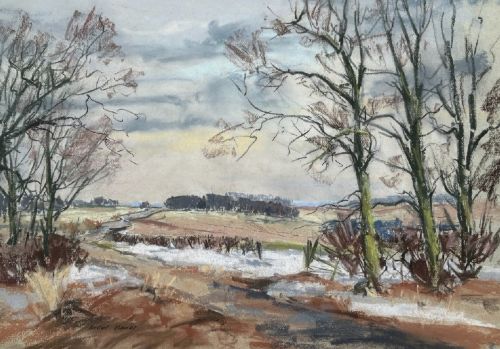
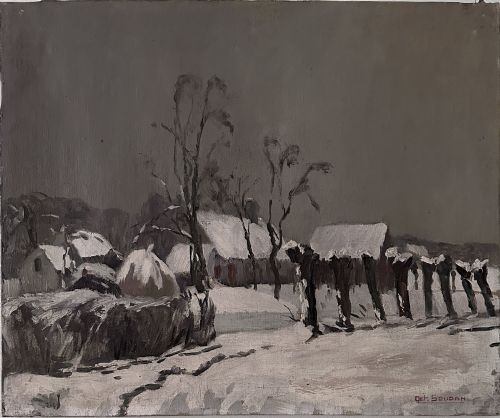
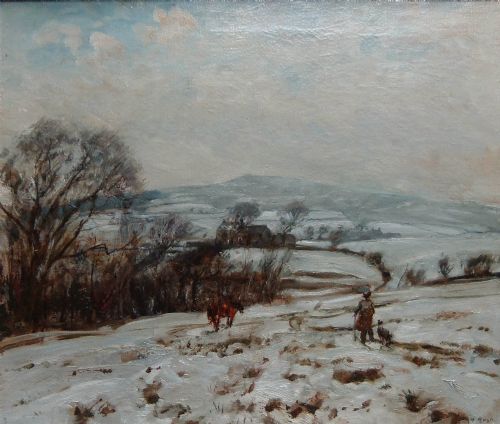
An impressionist snow scene painting presents winter landscapes rendered through the loose brushwork and atmospheric focus of the movement. These works record frozen fields, village houses, and wooded valleys during the coldest months of the year. Buyers examining this page will encounter oil paintings on canvas and board, alongside framed works on paper.
The selections span several decades, originating from British, French, and Canadian creators. Works range from rural Yorkshire scenes to depictions of Montmartre and Canadian winter landscapes. The grouping relies on styles including British Impressionism, French School, and Realism.
Village views and remote river valleys dominate the subjects available. Artists record snow accumulation on roofs, bare branches against pale skies, and figures gathering fuel in freezing conditions. Each canvas offers a specific record of seasonal light captured outdoors or recalled in the studio.
How they were made
These works rely primarily on oil paint applied to canvas, board, or wood panels. Painters layer pigment to build texture, using thick applications to suggest the weight and drift of snow. Some pieces utilise watercolour and gouache on paper, held within decorative frames often finished with gesso.
The handling of the medium prioritises loose strokes over tight detail to capture transient effects of winter weather and fading light. Brushmarks remain visible, recording the speed and direction of the painter's hand across the surface. Palette choices lean towards cool blues, stark whites, and muted earth tones to evoke cold temperatures.
Impressionist Snow Scene Painting Retail Price Guide 2026
Typical asking prices for impressionist snow scene painting among the pieces listed under this phrase on Sellingantiques today, from the lower quarter to the upper quarter. They describe what is for sale here now, not the wider market.
Several artists braved Yorkshire gales to paint snow scenes, proving that cold fingers make for spirited brushwork.
What varies in quality
Quality rests upon the artist's ability to render light across a frozen surface without losing the sense of atmosphere. Stronger works demonstrate a confident handling of tone where white paint carries shadow and colour rather than flat blankness. The structure of the composition and the integrity of the support material also divide standard pieces from finer examples.
Condition plays a role in the standing of a work, particularly the stability of the paint layer and the preservation of the original frame. Works that retain their texture and surface clarity without excessive intervention command greater attention. The presence of a recognised hand adds depth to the provenance of the piece.
A. McDonald·Gaston Cornil·Herbert Royle·Ernest Higgins Rigg·William Cave Day
The Impressionist Snow Scene Painting Glossary
- Impressionism
- A nineteenth and twentieth century painting style focused on capturing the visual impression of a moment, especially regarding shifting light and weather. Practitioners use unblended brushstrokes and bright palettes.
- Oil Paint
- A slow drying paint made by mixing pigments with a drying oil, commonly linseed. This medium allows artists to work wet into wet and build thick textures.
- Gouache
- An opaque water based paint consisting of pigment, water, and a binding agent such as gum arabic. It dries to a matte finish and is often combined with watercolour on paper.
- Gesso
- A plaster mix used as a base coat for wooden panels or canvases to prepare the surface for painting. It provides a smooth and stable ground.
- Realism
- An artistic movement focused on representing subject matter truthfully without artificiality or supernatural elements. These paintings depict everyday scenes with attention to accurate detail.
Impressionist Snow Scene Painting: Frequently Asked Questions
What subjects appear in these winter paintings?
The compositions show rural villages, northern valleys, and urban corners during cold weather. Common motifs include snow covered roofs, frozen streams, and figures gathering fuel.
Artists frequently record specific locations across Yorkshire, Montmartre, and Canadian landscapes. The focus remains on seasonal conditions and the play of winter light.
How do I care for an oil painting on canvas?
Keep the artwork away from direct sunlight and sources of extreme heat or dampness. Stable room temperatures prevent the canvas and paint layer from expanding and contracting.
Dust the surface gently with a soft dry brush when needed. Avoid using water or cleaning solutions on the painted area.
What is the difference between canvas and board supports?
Canvas is woven fabric stretched over a wooden frame, offering slight give and flexibility. Board provides a rigid wooden or composite surface that does not flex under the paint layer.
Both materials support oil pigments effectively, though board paintings often appear in smaller formats. The choice depends on the artist's preference for working texture.
How can I tell a watercolour from an oil painting?
Watercolour works are executed on paper and sit behind glass to protect the delicate medium. Oil paintings utilise canvas or board surfaces with visible brush texture and do not require glass.
Watercolour relies on translucent washes of colour, whereas oil paint offers heavier opacity and build up. Frames for works on paper often include matting boards.