





French Impressionist Watercolour
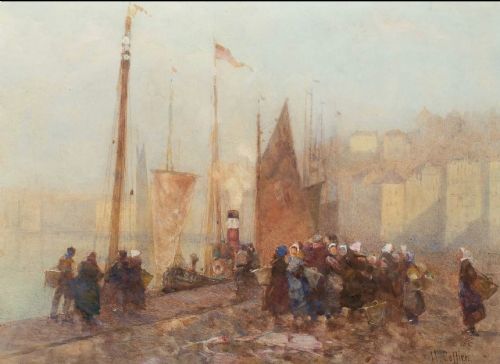
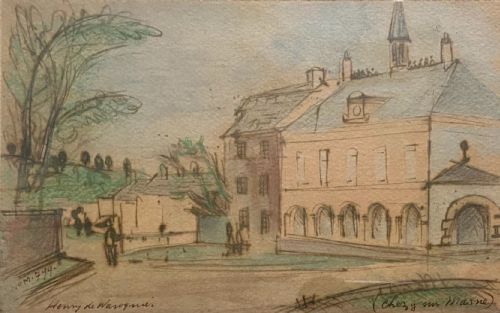
These french impressionist watercolour works on paper capture light and movement across townscapes, coastal scenes and rural views from the nineteenth and twentieth centuries.
French Impressionist Watercolour
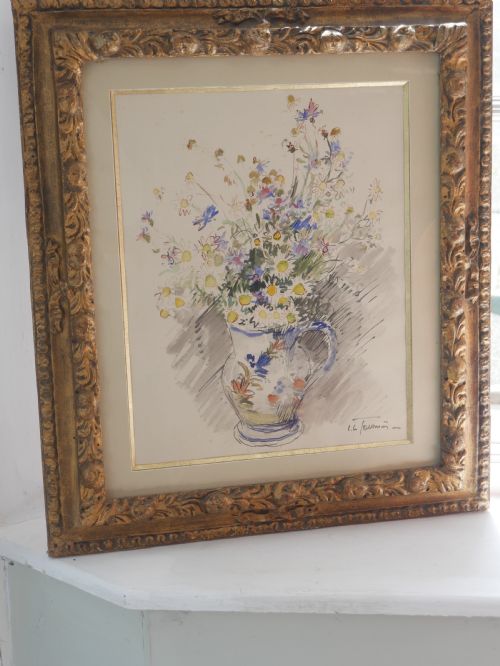
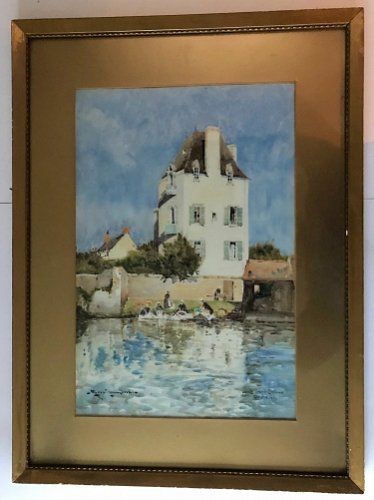
When you search for a french impressionist watercolour, you find delicate works on paper depicting coastal landscapes, town squares, and village scenes. The pieces on this page span from the nineteenth century through the 1950s, capturing daily life and light in France and nearby regions.
You will encounter genre watercolours, townscapes, and pastoral views created during the Belle Epoque, the Great War period, and mid-century movements. These works range from loose plein-air sketches to finished compositions showing figures before town halls or gathering winter fuel.
The selection includes pieces associated with broader artistic circles, such as the Barbizon School and post-impressionist networks. They are typically mounted behind glass in wood or giltwood frames that suit their age.
What varies in quality
The strength of a french impressionist watercolour rests in the confidence of the brushwork and the management of natural light. Stronger examples display an immediate sense of atmosphere, whereas lesser pieces can feel static or overly laboured.
The retention of vivid pigment and the preservation of the paper surface influence the overall impact. Works that retain their original framing and retain clean, unfaded colour command greater visual presence.
French Impressionist Watercolour Retail Price Guide 2026
Typical asking prices for french impressionist watercolour among the pieces listed under this phrase on Sellingantiques today, from the lower quarter to the upper quarter. They describe what is for sale here now, not the wider market.
The listings span periods from the nineteenth century through the 1950s, employing watercolour, gouache, ink, and crayon on paper.
Hector Caffieri·Henry de Waroquier·Albert Ludovici Jnr·Gaston Cornil·William Lee Hankey·Henri Joseph Harpignies·Joseph W Milliken·Eugene Boudin·Walter Sickert·Maurice Asselin·Yves Brayer·Charles Eyres Simmons·Lamorna Birch·Pierre Laprade
The French Impressionist Watercolour Glossary
- Gouache
- An opaque watercolour paint that provides solid areas of colour and highlights. It is frequently used alongside transparent watercolour to add body to the composition.
- Plein-air
- Painting outdoors to capture the actual light and weather conditions of a specific moment. This approach underpins much of the impressionist method.
- Barbizon School
- A mid-nineteenth-century French art movement dedicated to realism in landscape painting. It heavily influenced subsequent impressionist generations.
- Post-Impressionism
- An artistic movement following impressionism that extended its limitations while retaining its use of vivid colours. Artists explored deeper symbolic and structural forms of expression.
- Genre painting
- The pictorial representation of scenes from everyday life. These watercolours often depict market mornings, street cabs, or figures working outdoors.
French Impressionist Watercolour: Frequently Asked Questions
Are these watercolours always framed?
Most works appear within wood or giltwood frames under glass, which helps protect the delicate paper surface from atmospheric moisture and dust.
Some pieces retain their period frames, adding historical context to the artwork.
How do I care for a watercolour painting?
Keep watercolours away from direct sunlight to prevent the pigments and paper from fading over time. Stable indoor humidity levels protect both the paper support and the wooden frame.
Ensure the glass remains sealed to prevent dust or insects from reaching the paper.
What subjects are most common?
Common subjects include coastal scenes, Normandy harbours, French village streets, and market squares. Artists also captured figures in daily settings, such as town halls or rural fields.
Landscapes and townscapes dominate the available selections from this period.
How can I tell the period of a watercolour?
The paper type, framing style, and artist signatures or dates offer direct clues to the creation period. Stylistic markers, such as post-impressionist brushwork or Barbizon influences, also point to specific decades.
Comparative study with known works from artists active in the nineteenth and twentieth centuries helps verify dates.