



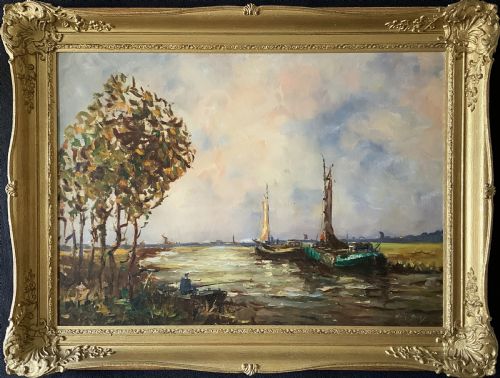
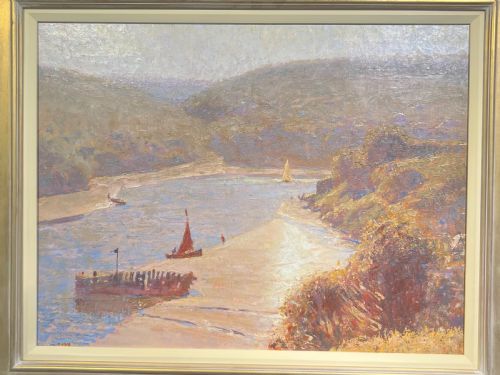


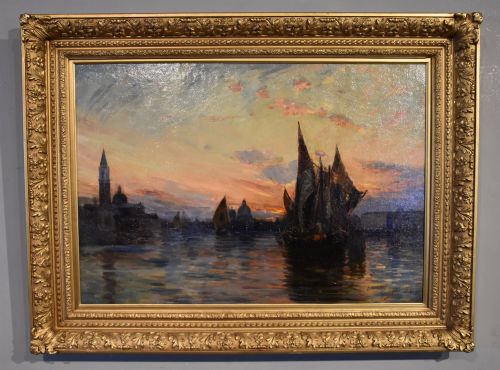
Impressionist Seascape Artwork
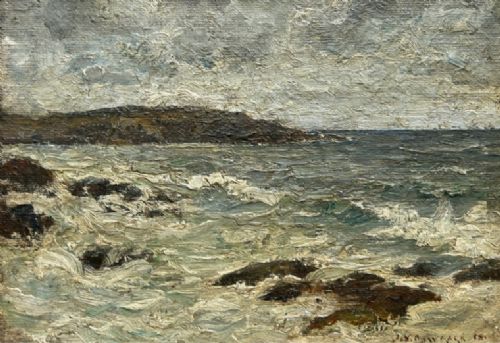
When seeking impressionist seascape artwork, collectors discover canvases that capture shifting light and coastal atmosphere through rapid brushwork.
Impressionist Seascape Artwork
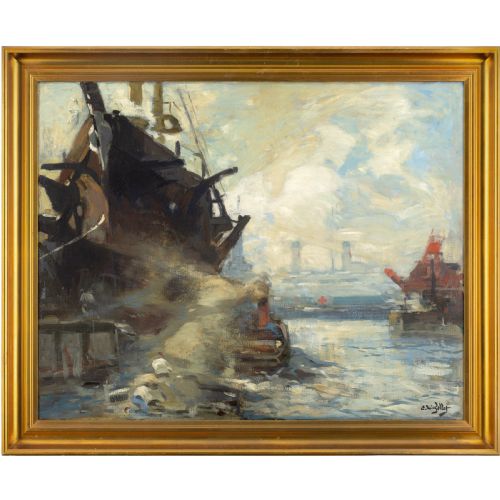
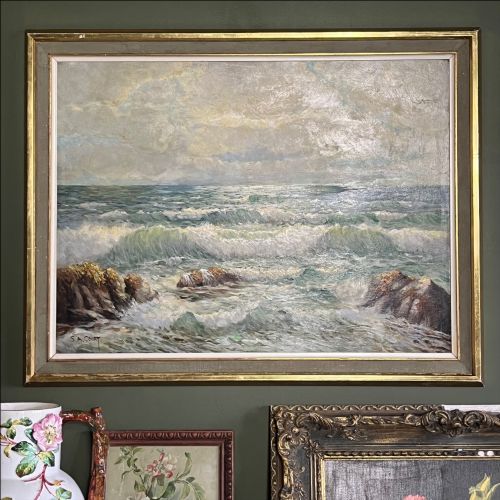
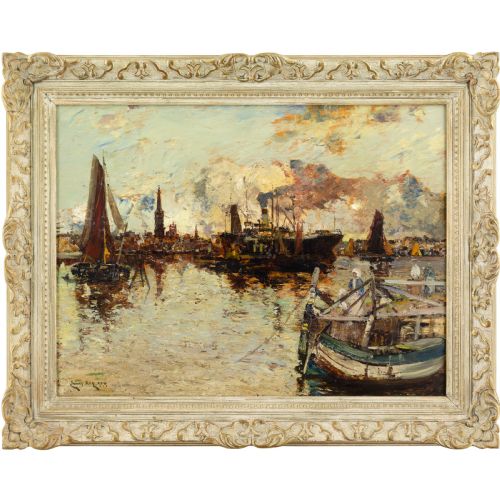
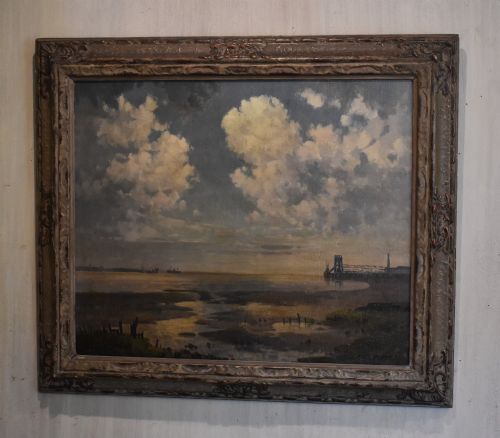
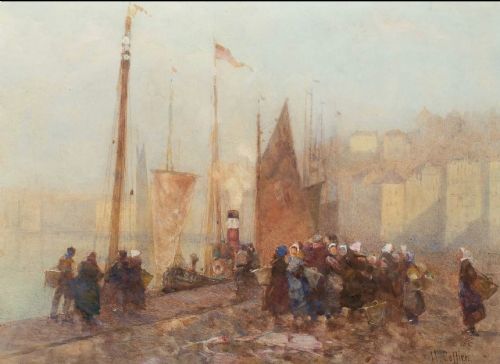
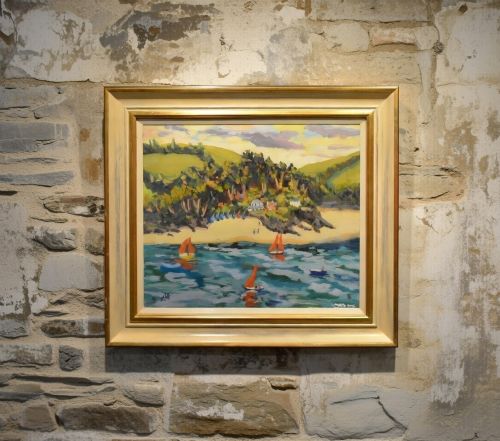
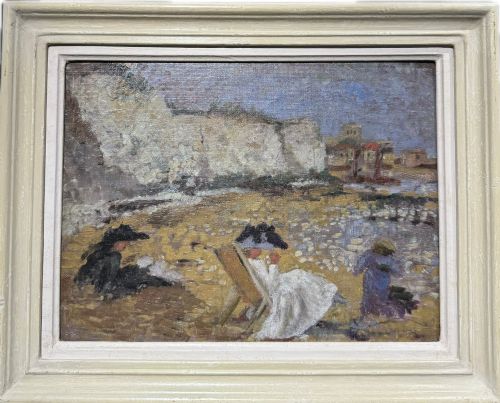
Impressionist seascape artwork gathers oil paintings and watercolours depicting marine views, harbours, and coastal cliffs. These pieces emerge predominantly from the nineteenth century through the mid-twentieth century.
The most common examples on this page are oil paintings on canvas or board, alongside watercolours on paper. British and French artists dominate the selection, recording coastal scenes from Cornwall to the Mediterranean.
Subjects range from bustling harbour walls and sailing vessels to quiet open waters and rocky shores. Painters utilised en plein air methods to capture transient atmospheric conditions directly from life.
Materials and techniques
Artists applied oil paint and watercolour using direct brushstrokes, frequently building up impasto textures to suggest movement in water and light upon waves. Canvases and wooden panels served as the primary supports for oils, whilst paper held watercolours.
En plein air creation required portable equipment, allowing painters to work outdoors beside harbours and cliffs. Frames in wood and gilt completed the construction, protecting the painted surface.
Salt air may have long since faded from these shores, yet the brushstrokes still trap the breezy afternoon light of decades past.
Variations in quality
Quality rests upon the artist's ability to handle light, atmosphere, and spatial depth with economy and precision. Stronger works demonstrate confident brushwork that conveys the movement of air and water rather than rigid detail.
Compositional balance and the preservation of the original paint surface determine the standing of each piece. Works by established painters or those exhibiting in recognised regional schools display greater mastery of colour harmony.
Clifford Hanney·Eugène-Louis Gillot·Sidney A. Court·William Banks Fortescue·James Kay·Clive Browne·Hector Caffieri·Lucy Pratt·Ethel Sands·Willem Bos·Cecil Allan Mould·Erich Mercker·Thomas Hodgson Liddell·John Holland·Frank Kelsey·Elisabeth Bardon·Edward Matthew Elliott·Louis Suire·Gustave Vidal·Gyrth Russell·Jean-Baptiste Olive·Raymond Picque·William Lee Hankey·George Turland Goosey·Norman Lloyd
The Impressionist Seascape Artwork Glossary
- Impressionism
- A nineteenth-century art movement characterised by relatively small, thin yet visible brush strokes and an emphasis on accurate depiction of light. Painters prioritised changing qualities of illumination over rigid academic finishes.
- En plein air
- The act of painting outdoors. This method allowed artists to observe landscape and seascape subjects directly in natural daylight.
- Impasto
- Paint applied thickly to a surface, leaving brush or palette-knife strokes standing proud. This technique introduces literal texture and dimension to water and sky.
- Watercolour
- Paint consisting of colour pigment suspended in a water-based solution, typically applied to paper. It offers translucent washes that capture bright atmospheric effects.
- Post-Impressionism
- A predominant style extending impressionist practices whilst rejecting its limitations. Artists explored deeper personal expression, structure, and symbolic forms of colour.
Impressionist Seascape Artwork: Frequently Asked Questions
What is impressionist seascape artwork?
Impressionist seascape artwork encompasses paintings and watercolours focused on marine and coastal subjects created from the nineteenth century onwards. These pieces capture transient effects of weather, tide, and light.
Artists aimed to record immediate visual impressions using visible brushwork and luminous palettes.
How were marine paintings used?
Marine paintings historically hung in domestic interiors, maritime offices, and galleries to celebrate coastal life and naval trade. Collectors acquired them to bring views of harbours and open water indoors.
Today, these artworks function as decorative focal points or historical records of changing coastal landscapes.
How do I live with oil paintings?
Oil paintings on canvas or board require placement away from direct sunlight and excessive humidity to protect the pigments and support. Proper framing helps insulate the piece from environmental shifts.
Regular light dusting with a soft, dry brush maintains the surface without disturbing the paint layer.
How do I tell periods apart?
Periods are distinguished through stylistic shifts, framing materials, and recorded dates associated with the artist's working life. Nineteenth-century works often favour tighter academic realism, whereas mid-century examples lean towards abstraction.
Signatures, exhibition labels, and canvas stamps on the reverse provide definitive chronological markers.