




Impressionist River Scene Artwork
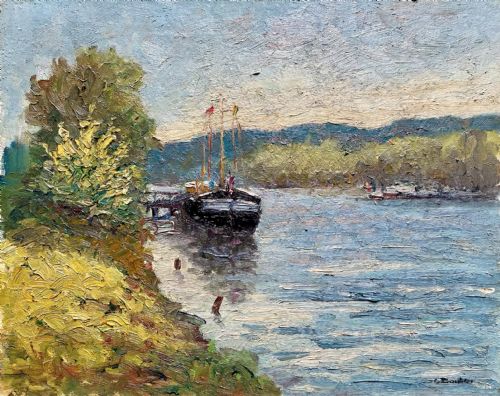
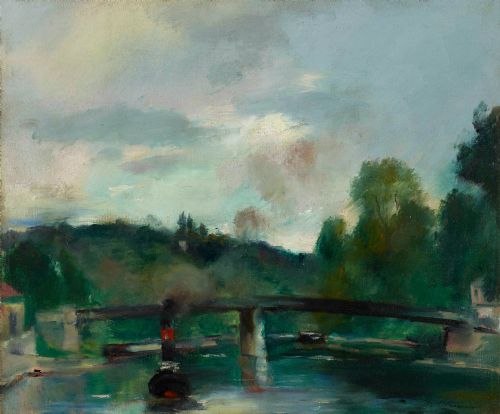
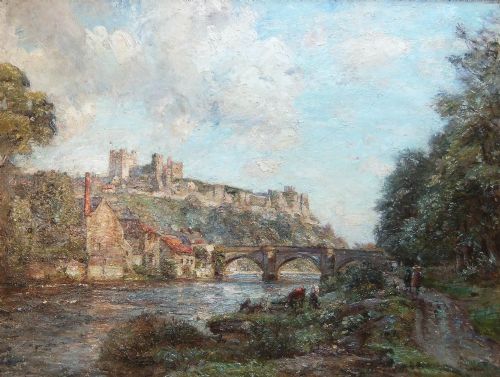
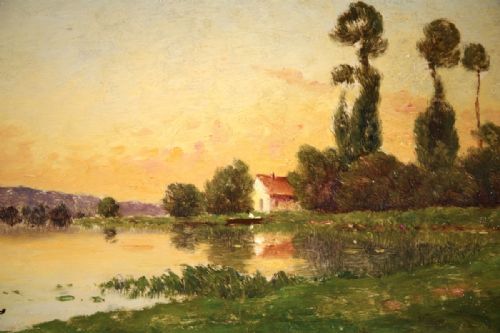
Impressionist river scene artwork captures water and light through loose, expressive brushwork, ranging from French plein air views to British landscapes.
Impressionist River Scene Artwork
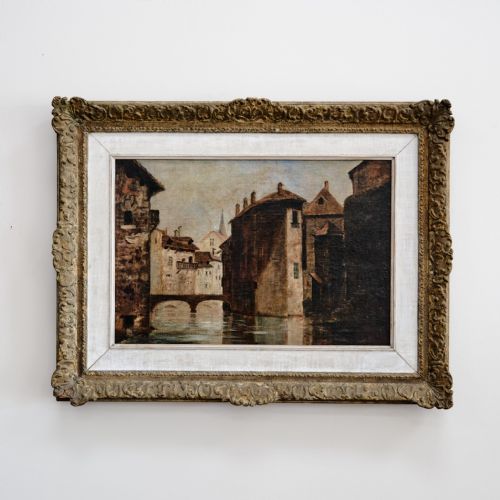
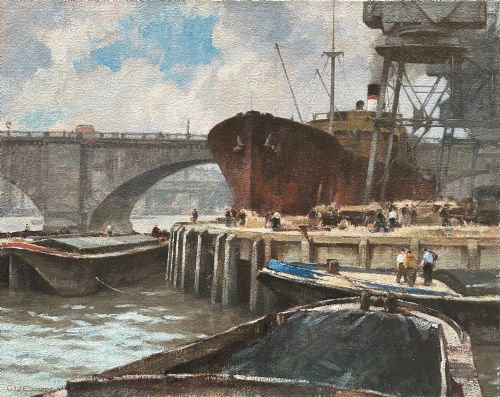
An impressionist river scene artwork records waterways, bridges and riverbanks using painterly techniques developed in the nineteenth and twentieth centuries. When searching this phrase, buyers encounter oil paintings and watercolours depicting pastoral rivers, industrial bridges and calm canals.
The selections span from nineteenth century French and British canvases through to mid-century modernist interpretations. Most pieces on this page originate from European traditions, notably British, French and Dutch schools working outdoors or in studios.
How They Were Made
Artists applied oil paint and watercolour onto stretched canvas, wood panels or paper support layers. Pigments were worked with brushes or palette knives, building texture through impasto layers to catch natural light.
Gesso grounds and wooden panels provided rigid foundations for early twentieth century works, while canvas remained standard for larger landscape formats.
Several riverbanks on this page share space with wandering ducks, busy washerwomen, and stray anglers.
What Varies in Quality
Quality rests in the confidence of the brushwork and the artist's handling of light reflecting off water. Stronger compositions demonstrate deliberate tonal contrast and structural depth rather than mechanical application.
The choice of support and condition of the pigment layer also distinguish works, with stable panels and uncracked oil surfaces preserving the intended vibrancy of the scene.
Cyril Walduck Edwards·Henri Ottmann·Herbert Royle·Florence Adelina Hess·Hubert Wellington·Honore Cavaroc·Archibald Kay·Henri Jaques Delpy·André Prévot-Valéri·Arthur Herbert Rigg·Ron Folland·David Watts·Phyllis Morgans·Armand Guillaumin·William Tatton Winter·Edmond Defonte·Robert Lesley Howey·Henry Sykes·Alois Arnegger·Franz Reder-Broili·George F. Wetherbee·Augustus William Enness
The Impressionist River Scene Artwork Glossary
- Impressionism
- A style of painting that focuses on light, loose brushstrokes and ordinary subject matter. It originated in France during the nineteenth century before spreading internationally.
- Impasto
- Paint applied thickly to a canvas or panel, standing out in relief. This technique gives texture and catches physical light within the room.
- Plein air
- Painting outdoors directly in front of the subject to capture natural light. Artists using this method often worked quickly before weather conditions shifted.
- Watercolour
- A paint consisting of pigment suspended in a water-based solution. It is typically applied to paper to create luminous, translucent washes.
Impressionist River Scene Artwork: Frequently Asked Questions
What periods do these paintings cover?
The works span from the nineteenth century through the mid-twentieth century. Artists developed distinct regional styles during these decades across Britain and continental Europe.
Changes in palette and technique reflect broader shifts in landscape painting over this period. Victorian naturalism gradually gave way to more expressive modernist interpretations.
How should I frame an old painting?
Selecting a frame depends on the period of the artwork and the material of its support. Wood mouldings finished with gesso and gilt often suit traditional nineteenth century canvases.
Mid-century pieces sometimes benefit from simpler profiles that complement the cleaner lines of the era. Conservation framing protects the edges of canvas and panel alike.
Where were these scenes usually painted?
Subjects include specific waterways such as the Seine, the Thames, and the River Orne. Artists frequently travelled to rural villages, canal paths, and urban bridges to record working boats and reflections.
Many compositions derive from direct observation during outdoor painting excursions. Others were reconstructed in studios using preliminary watercolour sketches.
How do I care for oil on canvas?
Keep paintings away from direct sunlight and steady extremes of household humidity. Stable environmental conditions prevent the canvas support from slackening and the oil paint from cracking.
Dust surfaces gently with a soft, dry brush without applying moisture or chemical cleaners. Professional conservators should handle any structural repairs or cleaning of darkened varnish.