
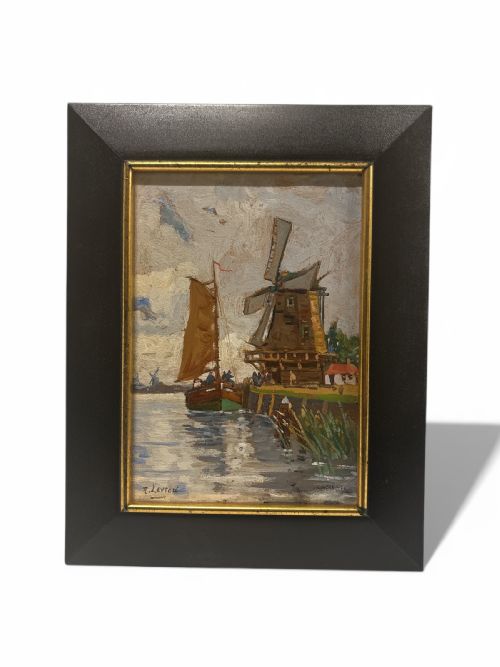
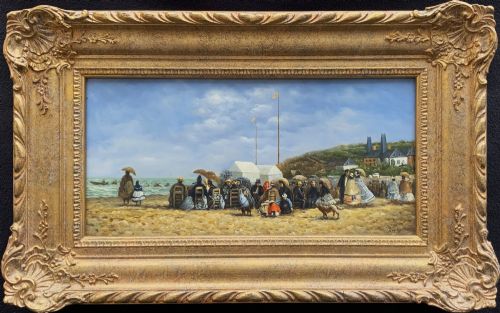


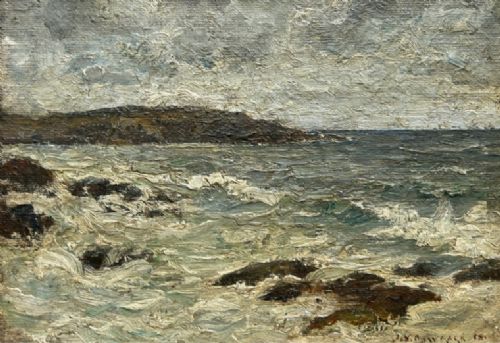
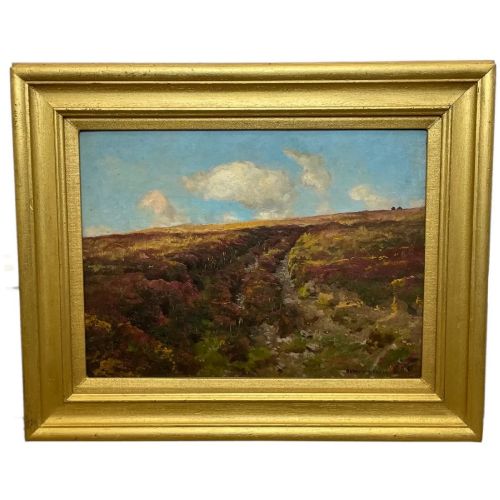
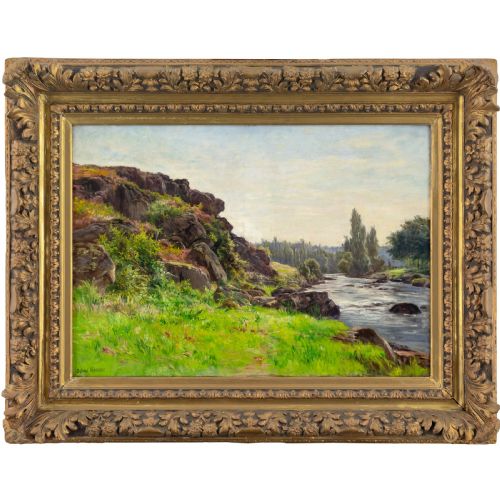
Impressionist Oil Landscape
An impressionist oil landscape captures the shifting effects of light and weather across rural and coastal scenes through expressive brushwork.
Impressionist Oil Landscape
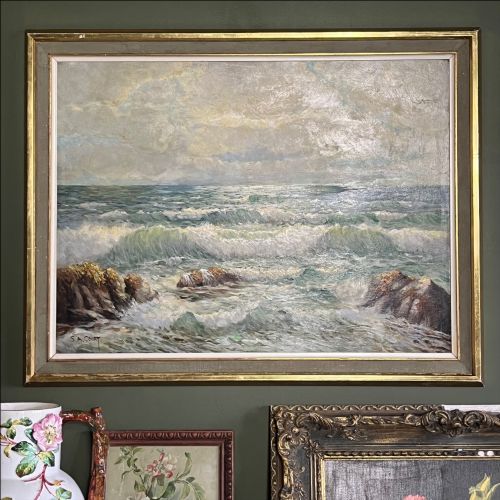
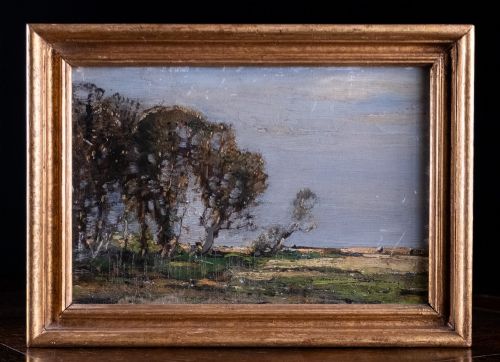
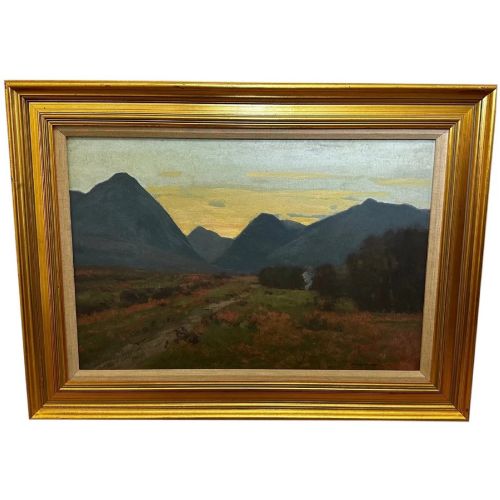
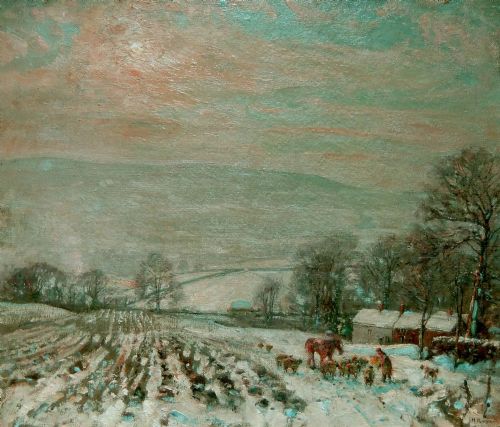
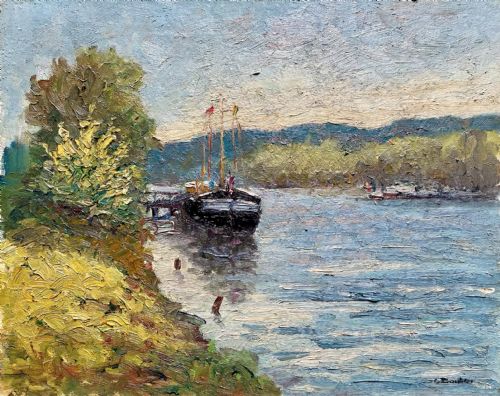
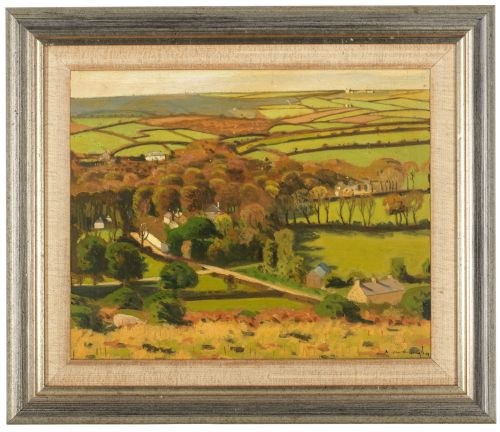
An impressionist oil landscape focuses on natural light, atmosphere, and open-air subjects such as rivers, fields, coastal views, and rural villages. These paintings record fleeting visual moments rather than precise topographical details, using visible brushstrokes to convey movement and mood.
The pieces available span from the late nineteenth century through the mid twentieth century, encompassing British Impressionism, Post-Impressionism, and continental European traditions. Canvas, wood panel, and board serve as the primary supports for these artworks.
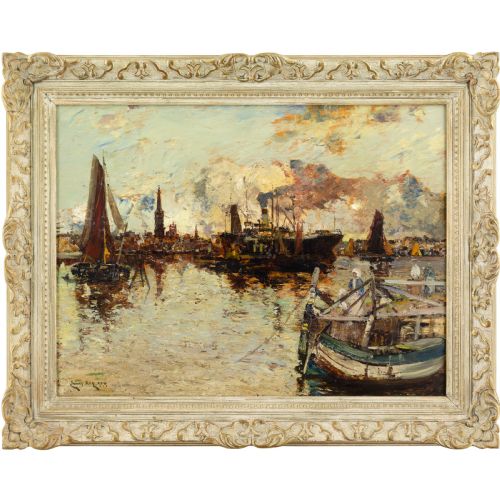
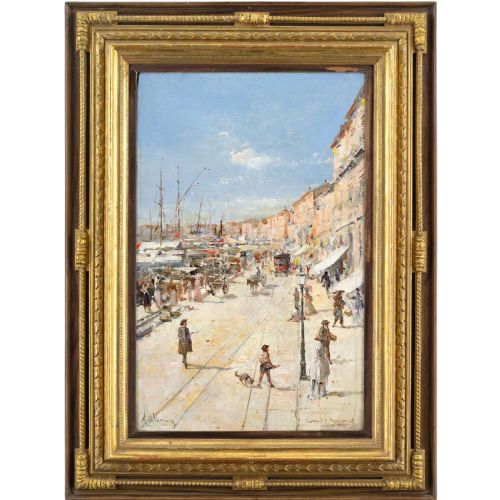
Buyers encounter coastal seascapes, pastoral river scenes, and rural farmyard views created by named artists and regional schools across Britain, France, Belgium, and Italy. Many examples retain their original period frames finished with gesso and gilt.
How They Were Made
Artists painted en plein air using oil paint applied to prepared canvas, wood panel, or board. This method allowed painters to capture changing outdoor light directly from nature.
The application of pigment ranges from smooth, blended brushwork to thick impasto that stands proud of the surface. Paint was layered to build texture, particularly when rendering water, clouds, foliage, and earth.
Finished works were frequently housed in wooden frames finished with decorative gesso moulding and gilt surfaces, which complemented the warm tones and luminosity of the oil pigments.
Impressionist Oil Landscape Retail Price Guide 2026
Typical asking prices for impressionist oil landscape among the pieces listed under this phrase on Sellingantiques today, from the lower quarter to the upper quarter. They describe what is for sale here now, not the wider market.
Several artists packed paintboxes into rural fields and busy harbours, returning with glimpses of sheep, sailboats, and quiet canal banks.
What Varies in Quality
Quality rests in the handling of paint and the confidence of the brushwork. Superior examples demonstrate a sure control of tone and colour that conveys atmosphere and spatial depth with economy of mark.
Compositional strength separates standard decorative works from accomplished paintings. The finest pieces balance the elements of light, shadow, and perspective to create a unified visual harmony across the surface.
The integrity of the physical materials also differentiates the range. Well-preserved oil pigment retained on stable canvas or sound wooden board without excessive intervention preserves the artist's original touch.
George Graham·Clifford Hanney·Arthur Wardle·Sidney A Court·Kershaw Schofield·George Houston·Herbert Royle·Robert Morson Hughes·James Kay·Augusto Alberici·Gabriel Mathieu·Arthur Gue·Charles Houben·Antonio DeVity·Clive Browne·Paul Bret·Lucy Pratt·Ethel Sands·Francisco Sancha·Cyril Walduck Edwards·Alfred Wolmark·Eric Brown·Willem Bos·Henri Ottmann·Ernest Higgins Rigg
The Impressionist Oil Landscape Glossary
- Impasto
- Paint applied thickly to a canvas or board, leaving prominent brush or palette knife marks that add tactile texture to the image. This technique gives weight and physical presence to elements like water, clouds, and foliage.
- En plein air
- Painting outdoors in direct natural light to capture the immediate visual effects of weather and atmosphere. Practitioners of this method work quickly before the environmental conditions change.
- Gesso
- A plaster-like mixture applied to wood panels or frame mouldings to provide a smooth, stable foundation for paint or gilding. It seals the raw material and accepts decorative carving or finishing.
- Post-Impressionism
- An artistic movement following impressionism that extended its use of vivid colours and thick paint while placing greater emphasis on geometric forms and expressive content. Artists often explored more personal interpretations of their subjects.
- Provenance
- The documented history of ownership of an artwork, which helps establish its authenticity and origin. A clear record adds historical context to the piece.
Impressionist Oil Landscape: Frequently Asked Questions
Where were these landscape paintings created?
These works were painted across diverse locations in Britain, France, Belgium, Italy, and the Netherlands. Artists frequently travelled to rural villages, coastal harbours, and riverbanks to record specific regional scenery.
Many paintings document recognizable spots such as the Seine near Giverny, Venetian canals, Sicilian harbours, and various rural English counties. Painters worked directly in these environments to capture authentic local light and atmosphere.
How should I display an oil painting at home?
Display oil paintings away from direct sunlight and extreme temperature fluctuations to protect the canvas and the oil pigments. Consistent indoor conditions prevent the wood supports and gesso frames from warping or cracking.
Ensure the artwork hangs securely on a sturdy wall using appropriate fixings suited to the weight of the frame. Adequate spacing around the piece allows the composition to be viewed without visual distraction.
How do I identify the period of an oil painting?
Dating relies on stylistic evidence, signatures, biographical dates of the artist, and the physical materials of the canvas and frame. Comparing brushwork techniques to established movements like British Impressionism or Post-Impressionism offers further chronological clues.
Inscribed titles, artist signatures, and historical exhibition labels on the reverse of the board or stretcher provide definitive chronological markers. Material analysis of the panel or canvas backing also assists in determining the era.
What is the difference between canvas and board supports?
Canvas provides a flexible woven textile surface stretched over a wooden frame, offering slight give under the brush. This support has been favored for centuries due to its durability and receptive texture for oil paint.
Board presents a rigid, solid backing made from wood or composite material that requires no stretching. Artists often utilised board for smaller en plein air sketches because of its portability and stability.