




Impressionist Maritime Seascape Painting
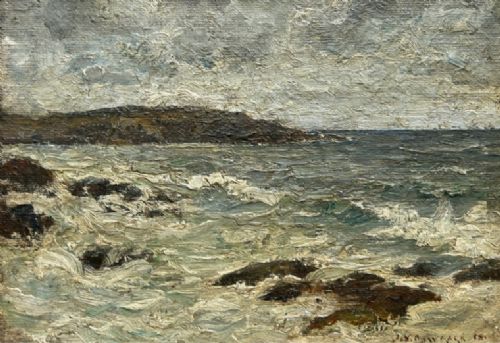
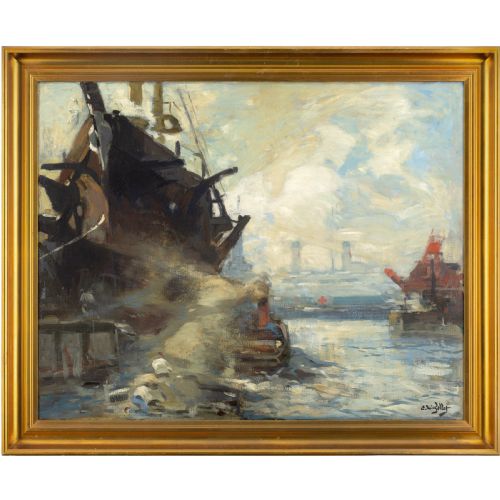
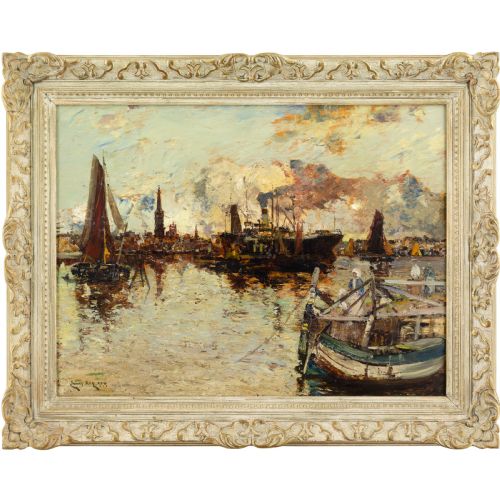
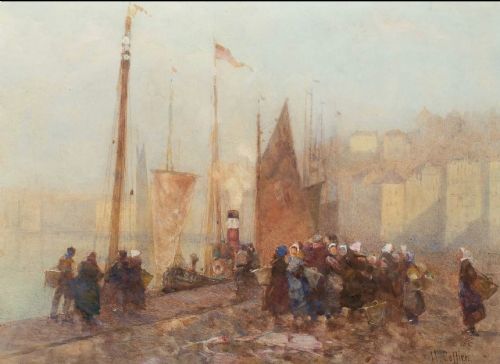
Impressionist maritime seascape painting captures the movement of coastal tides and harbour light through loose, expressive brushwork.
Impressionist Maritime Seascape Painting
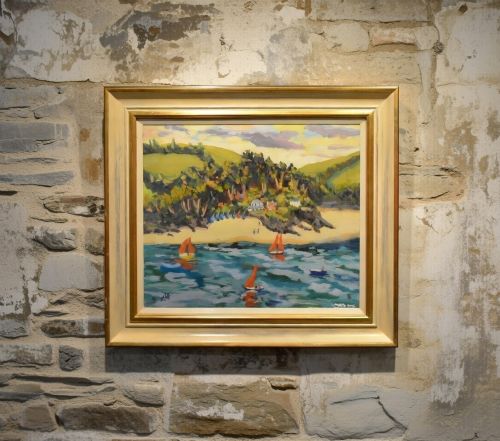
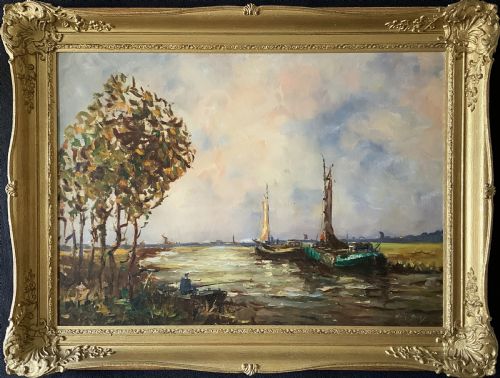
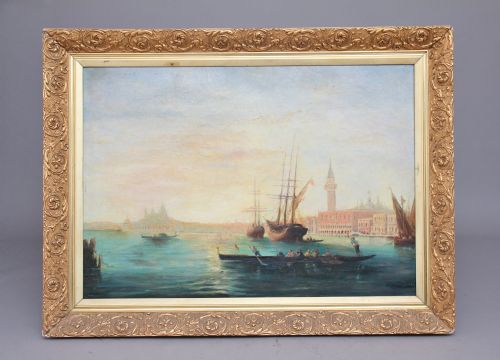
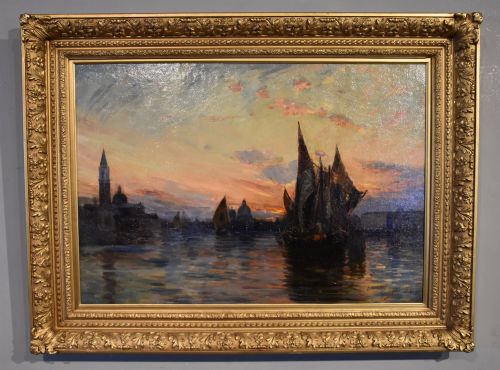
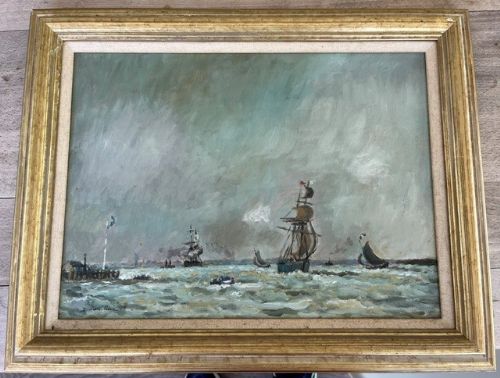
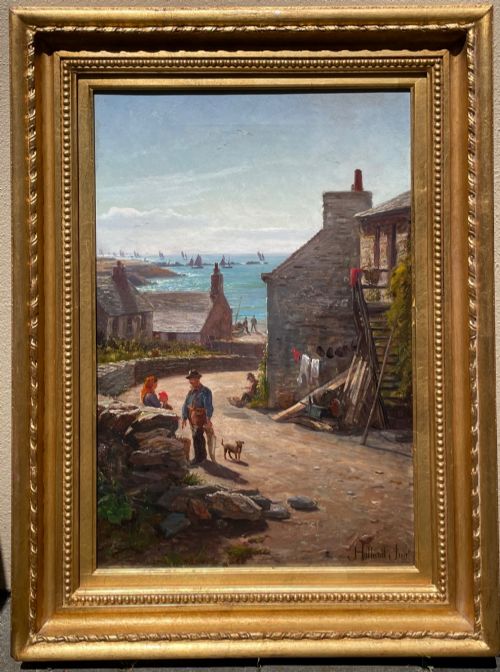
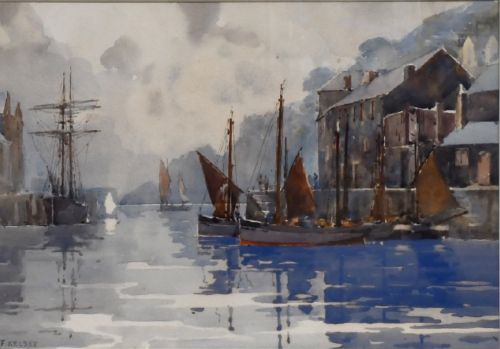
When searching for an impressionist maritime seascape painting, a buyer looks at canvases and waterpapers depicting harbours, coastal fishing boats, and open water views. The items found here span the late nineteenth century through to the mid-twentieth century, encompassing British and continental European schools.
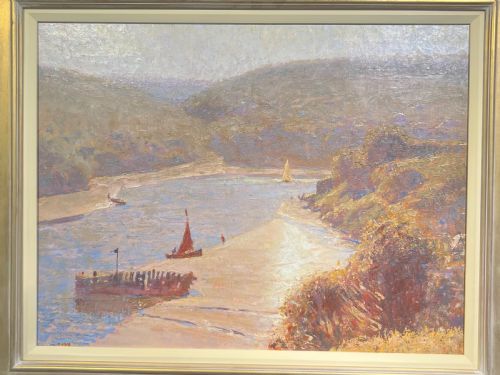
The version most commonly met on this page is the early twentieth-century oil painting on canvas or board, often recording specific locations from Cornwall to the Mediterranean. These works balance atmospheric weather conditions with topographical records of ports and shorelines.
Materials and Methods
Artists painted primarily in oil on stretched canvas, board, or paper, occasionally utilising watercolour on paper for lighter atmospheric effects. Brushwork ranges from smooth, blended passages to thick impasto that catches the light directly on the surface.
Support materials include wood panels and traditional woven canvas, often paired with gilt frames that complement the tonal balance of the composition. Pigments were applied rapidly to capture fleeting shifts in daylight, weather, and tidal movement.
Coastal subjects documented on this page range from Cornish fishing villages to Venetian lagoons and French naval ports.
Assessing Quality
Quality rests upon the artist's command of light, tone, and spatial depth rather than mere fidelity to the subject. Stronger examples demonstrate confident, purposeful brush application that conveys the weight of water and the luminosity of sky without overworking the surface.
The preservation of the original paint layer and the harmony between the canvas and its period frame also influence the overall standing of an artwork. Pieces showing greater sensitivity to atmospheric nuance command more attention from collectors.
Eugène-Louis Gillot·William Banks Fortescue·James Kay·Hector Caffieri·Lucy Pratt·Willem Bos·Cecil Allan Mould·Thomas Hodgson Liddell·John Holland·Frank Kelsey·Elisabeth Bardon·Edward Matthew Elliott·Louis Suire·Gyrth Russell·Jean-Baptiste Olive·Raymond Picque·William Lee Hankey·William Greaves·Edward Seago·Owen Bowen·Herbert Royle·Frank Wasley
The Impressionist Maritime Seascape Painting Glossary
- Impasto
- Paint applied thickly to a canvas or panel, standing out in relief so that the texture of the brush or palette knife remains visible. This technique adds tactile dimension and helps capture shimmering reflections on water.
- Estuary
- The tidal mouth of a large river, where the tide meets the stream. These environments offered artists varied subjects involving mudflats, shipping traffic, and changing light.
- Gilt
- A thin layer of gold leaf or gold paint applied to wooden frames. It provided a traditional decorative border designed to isolate and enhance the painting within.
- Post-Impressionism
- An artistic movement developing roughly from the last decades of the nineteenth century, extending impressionist methods while exploring bolder colours and more structured forms.
Impressionist Maritime Seascape Painting: Frequently Asked Questions
What defines an impressionist maritime seascape?
These works focus on the visual effects of light and atmosphere upon water, harbours, and coastal scenery rather than strict botanical or architectural accuracy.
Artists utilised loose brushwork and varied palettes to capture the transient nature of weather, tides, and reflections.
Where were most of these coastal scenes painted?
The listings encompass locations across British coastal fishing ports such as St Ives and Whitby, alongside continental European destinations including Venice, Dutch canals, and French harbours.
Many artists travelled specifically to working ports to record the daily routines of maritime life.
How can one date an oil painting from this period?
Dating relies upon a combination of stylistic markers, artist signature records, stretcher construction, and framing materials typical of the late nineteenth and mid-twentieth centuries.
Inscribed titles and biographical dates of the painters often provide precise chronological anchors.
How should these paintings be displayed at home?
These works suit traditional or contemporary interiors where natural daylight can illuminate the textured surface of the impasto or the delicate washes of watercolour.
Placing them away from direct sunlight protects the pigments from fading over time.