


Dutch Impressionist Oil Painting
A dutch impressionist oil painting brings atmospheric light and loose brushwork into a room, capturing rural canals, quiet interiors and coastal towns.
Dutch Impressionist Oil Painting
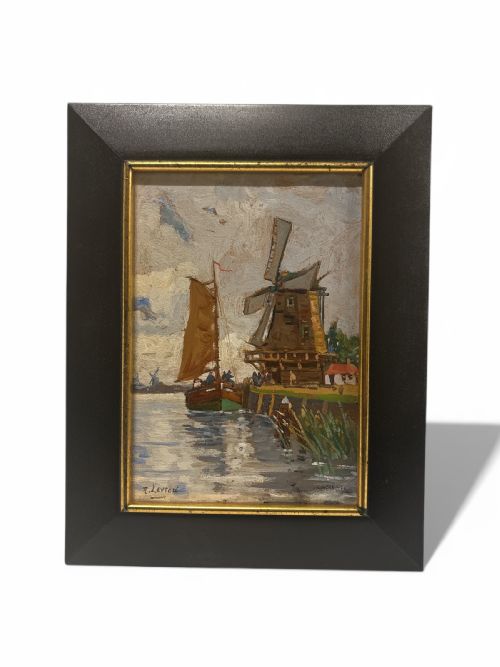
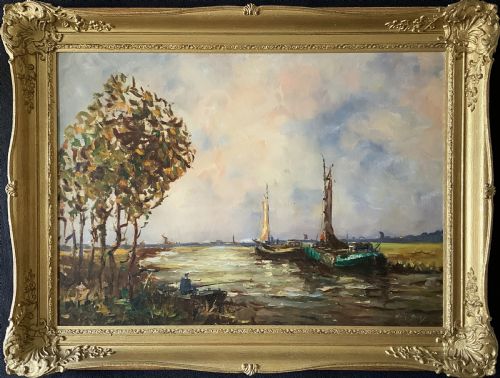
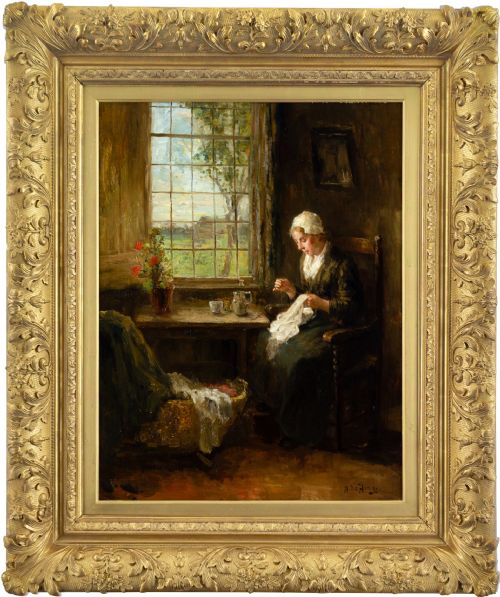
A dutch impressionist oil painting captures familiar scenes of canals, sheep grazing, and rustic interiors through expressive brushwork and atmospheric light. When searching for this phrase, collectors encounter works spanning the late nineteenth century through the mid-twentieth century.
The selections on this page include landscapes, marine subjects, and figurative pieces rooted in the Hague School and post-impressionist traditions. Canvases and wood panels show how artists recorded the changing weather and quiet moments of daily life.
Works range from early nineteenth-century compositions by painters like Anthonij Anton Mauve to mid-century village scenes and canalscapes. Each piece reflects the enduring influence of Dutch and Flemish artistic methods on the handling of light and shadow.
Materials and Technique
Artists built their compositions using oil paint on supports of canvas, canvas board, wood panel, or board. These surfaces were often prepared with gesso to receive pigment applied with both fine brushes and broad palette knives.
Frames play an integral role in the presentation of these works, frequently featuring gilt wood, gesso mouldings, and gold leaf highlights. The combination of textured paint layers and traditional frames defines the physical structure of each piece.
Listings feature works spanning the nineteenth century through the 1950s, utilising oil paint on canvas, wood panel, and board with gilt wood frames.
Judging Quality and Execution
Quality in these works rests upon the confidence of the brushwork and the artist's command of atmospheric light. Stronger pieces display a deliberate handling of paint that creates depth without relying on excessive detail.
The treatment of tone and colour harmony distinguishes finer works from routine studio output. A successful composition balances the relationship between the subject matter and the surrounding atmosphere.
Willem Bos·Bernard De Hoog·Willem Anton Alexander Knip·Hendrik Yan Wolter·Anthonij Anton Mauve·Julien Stappers
The Dutch Impressionist Oil Painting Glossary
- Hague School
- A group of nineteenth-century Dutch artists who painted in a realistic, tonal style influenced by naturalism and impressionism. Their works frequently depict landscapes, peasants, and marine subjects with muted palettes.
- Canvas
- A closely woven fabric stretched across a wooden frame to serve as a sturdy support for oil painting. It provides the necessary tension for applying varied layers of pigment and impasto.
- Gesso
- A traditional paint mixture consisting of a binder mixed with chalk, gypsum, or pigment used to prepare wood panels or canvases. This ground creates a smooth, absorbent surface for oil paint.
- Post-Impressionism
- An artistic movement following impressionism that explored emotional resonance and expressive form rather than purely optical effects. Artists working in this manner utilised distinct brushstrokes and heightened colours.
Dutch Impressionist Oil Painting: Frequently Asked Questions
How do I identify a Hague School painting?
Hague School works typically display muted grey and earthy tones that capture overcast skies and misty Dutch waterways. The brushwork remains loose yet controlled, focusing on atmospheric mood over sharp definition.
These paintings often show peasants, fishermen, or cattle in pastoral settings, reflecting a deep engagement with rural life and the natural environment.
What is the difference between canvas and panel works?
Canvases offer slight flexibility and a textured weave that shows through thin layers of oil paint. Wood panels provide a rigid, smooth foundation that allows for fine detail and crisp edges.
Both supports were widely used across different periods, with panel paintings often appearing in earlier nineteenth-century and smaller-format works.
How should I care for an antique oil painting?
Keep paintings away from direct sunlight, extreme temperature shifts, and high humidity to protect both the canvas and the wooden stretcher. Dust the surface gently with a soft, dry brush without applying pressure.
Avoid using water or cleaning solutions on the paint layer. Professional conservation is recommended for any structural repairs or deep cleaning.
What subjects are most common in these paintings?
Canal scenes, rural landscapes, and marine views dominate the subject matter, reflecting the traditional scenery of the Low Countries. Figures engaged in quiet daily tasks, such as sewing or herding sheep, also appear frequently.
These subjects allowed artists to study changing daylight across water, pastures, and domestic interiors.