




European Impressionist Artwork
These european impressionist artwork pieces capture light and everyday scenes across canvas and board from the nineteenth century onward.
European Impressionist Artwork
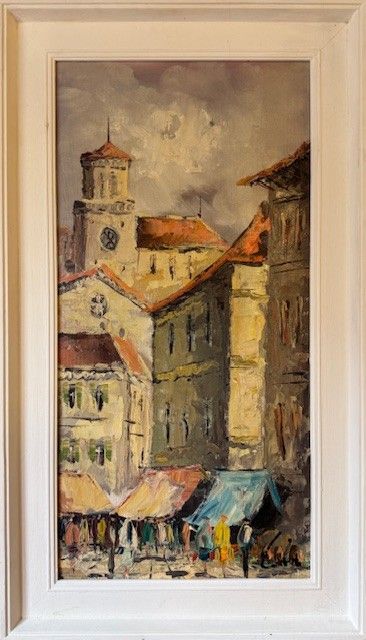
When buyers search for european impressionist artwork, they encounter oil paintings spanning the nineteenth century through the mid-twentieth century. The selection ranges from French school landscapes to Flemish street scenes and Belgian market views.
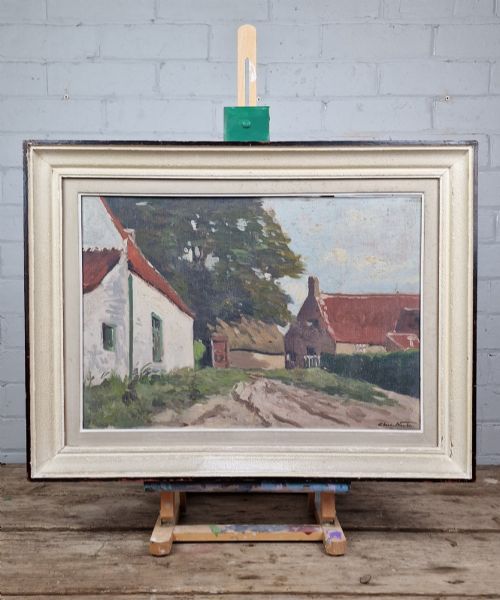
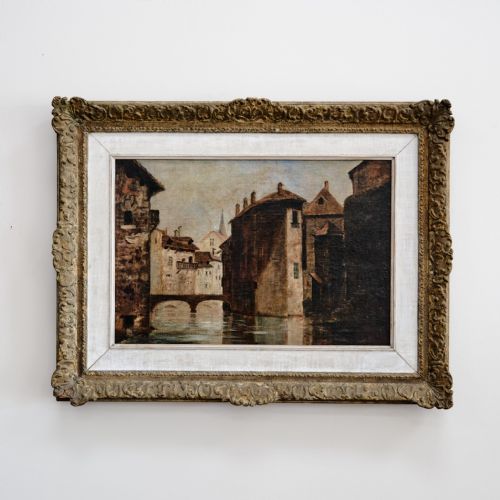
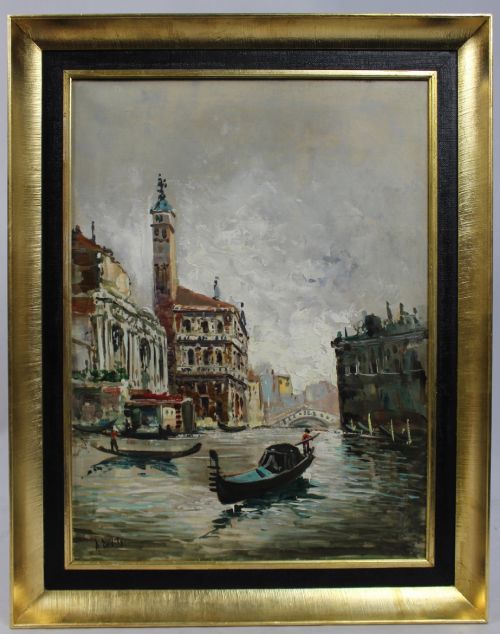
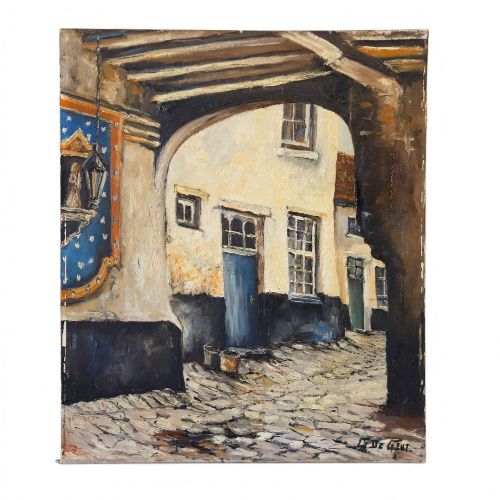
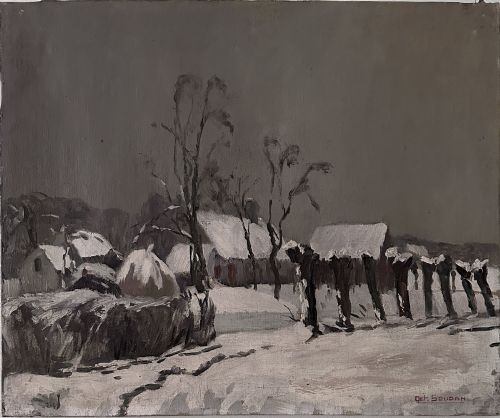
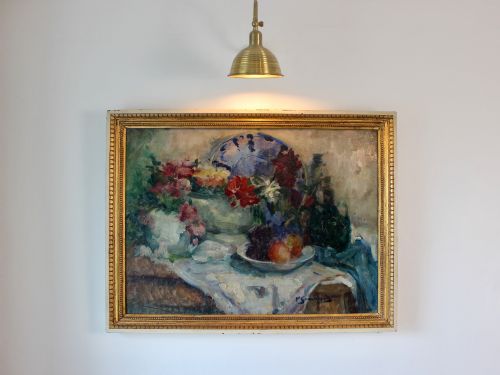
Most examples take the form of wall art executed on canvas or board, depicting quiet farmyards, cityscapes, canals, and domestic interiors. These works reflect regional variations such as post-impressionism, luminism, and mid-century impressionism.
The objects originate from various European contexts, including Dutch, Italian, and British artists working abroad. Buyers meet subjects from rural paths to bustling town squares.
How they were made
The primary technique relies on oil paint applied to canvas or wooden panels, sometimes supported by gesso preparation. Artists used visible brushwork to render the play of light and atmosphere.
Many works incorporate traditional framing often finished with gold leaf. The physical construction combines standard stretched canvas supports with oil pigments.
Listings show oil paint on canvas as the dominant medium, supplemented by wood panels and gesso.
What varies in quality
Quality in european impressionist artwork rests upon the surety of the brushwork and the handling of natural light. Stronger pieces demonstrate confident command over tone and shadow across the canvas.
The distinction between standard decorative items and finer works lies in the depth of composition and the vitality of the painted surface. Evidence of an artist's distinct hand elevates the panel or canvas.
Charles Houben·Antonio DeVity·Paul Elie Gernez·Frans Gailliard·Alois Arnegger·Franz Reder Broili·Henri Therme·Letitia Marion Hamilton
The European Impressionist Artwork Glossary
- Canvas
- A heavy woven fabric stretched across a wooden frame to serve as a support for oil paint. It remains the most common ground for these paintings.
- Oil Paint
- A slow-drying medium made from pigments mixed with drying oils such as linseed. This material allows for thick impasto and subtle colour blending.
- Post-Impressionism
- An artistic movement following impressionism that extended its use of vivid colours and thick paint while emphasising geometric forms or expressive content.
- Luminism
- A style focusing on the effects of light in landscape painting, paying specific attention to atmospheric clarity and luminous skies.
- Gesso
- A paint mixture consisting of a binder mixed with chalk, gypsum, or pigment used to prepare wood panels or canvases for painting.
European Impressionist Artwork: Frequently Asked Questions
What is European impressionist artwork?
These pieces comprise oil paintings created across Europe from the nineteenth century into the mid-twentieth century. They focus on light, everyday scenes, landscapes, and city views.
Artists employed visible brushstrokes to capture transient moments in nature and urban life. The works appear predominantly on canvas and wooden panels.
How should I hang these paintings?
Display the oil paintings on interior walls away from direct sunlight and excessive moisture. Proper placement protects the canvas and the painted surface from environmental damage.
Ensure the wall supports the weight of the framed artwork securely. Adequate spacing allows the brushwork and colour to be viewed clearly.
How do I identify the period?
Examine the materials, stretcher bars, and framing methods used on the reverse of the canvas. Nineteenth-century works often feature older hand-woven linen and traditional joinery.
Mid-century pieces display different canvas preparations and modern framing styles. Signatures and artist biographical details also help anchor the date.
Were these used as domestic decor?
These paintings served primarily as wall art for domestic interiors and private collections throughout Europe. Artists produced them for town houses and country residences alike.
Many capture domestic subjects like windowsills, gardens, and quiet domestic rooms. They functioned as both personal expressions and decorative interior elements.