



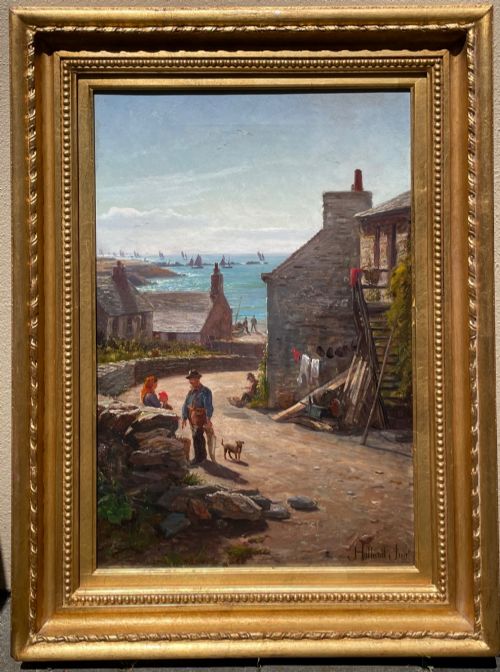
Impressionist Maritime Artwork
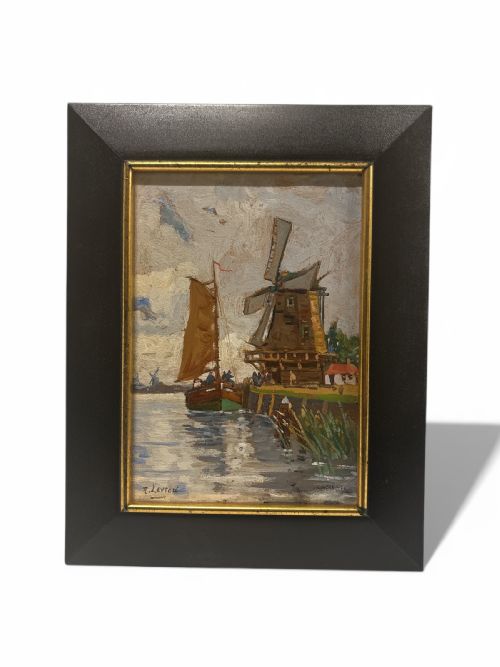
When you seek impressionist maritime artwork, you are choosing coastal scenes and harbour views captured through loose brushwork and atmospheric light.

Impressionist Maritime Artwork
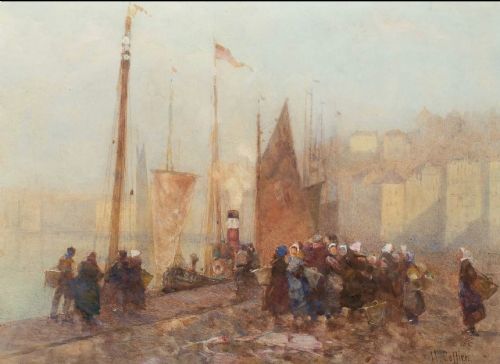
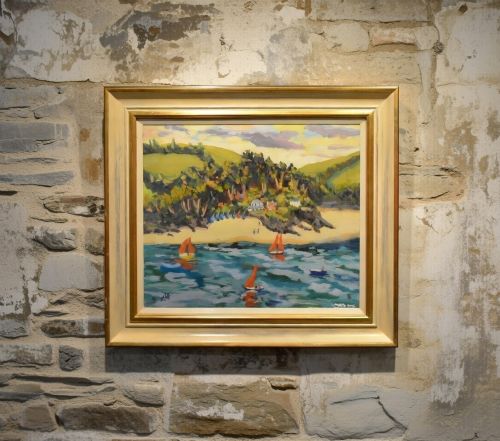
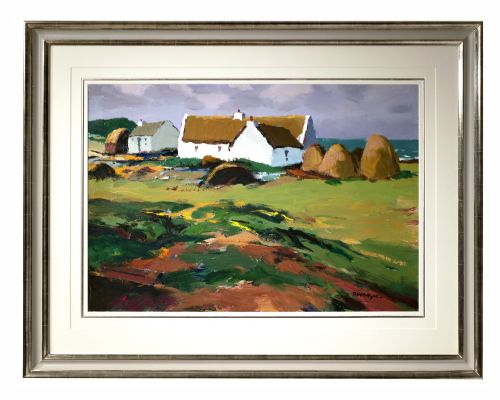
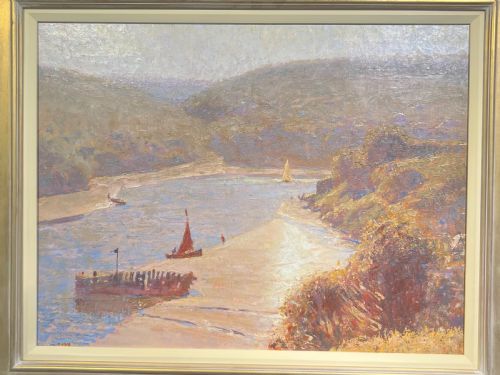
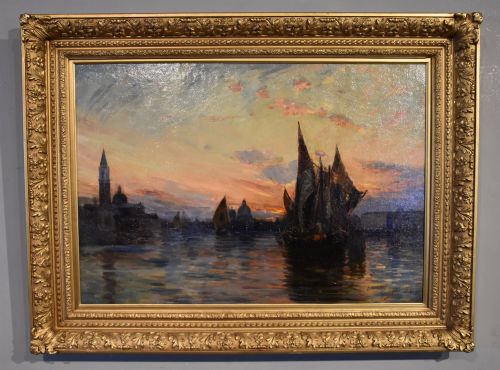
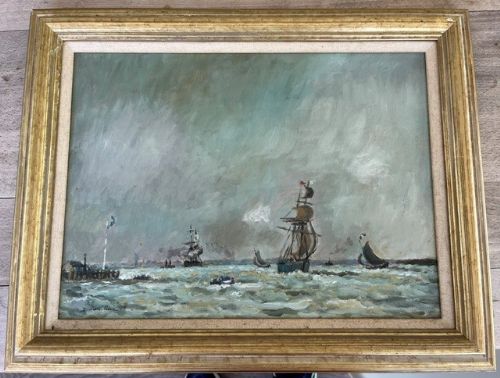
Impressionist maritime artwork encompasses paintings and watercolours depicting seascapes, harbours, coastal towns, and vessels upon the water. The pieces found here range from nineteenth-century British watercolours to mid-century French and British oil paintings.
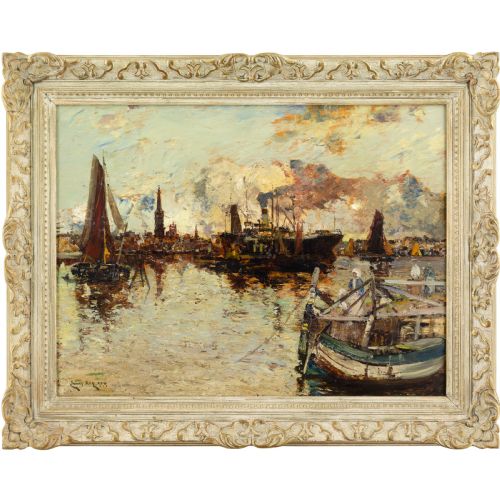
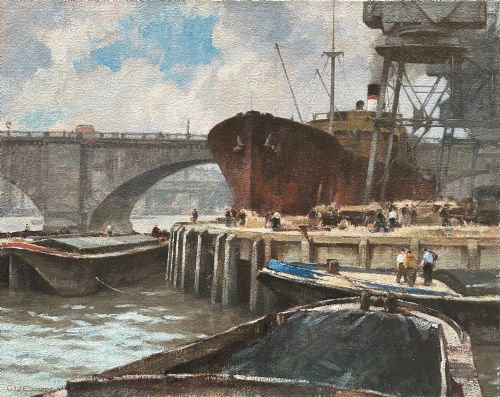
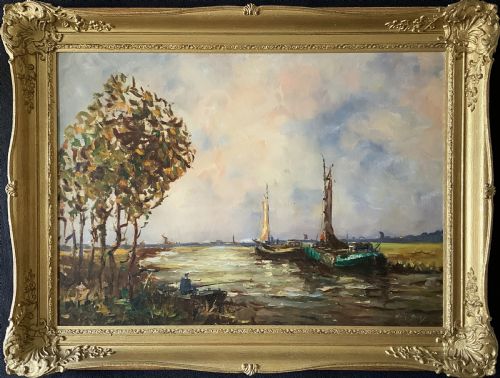
A buyer examining this selection will frequently encounter depictions of working ports, sailing barges, and quiet coastal inlets. These works span the Edwardian era through to the nineteen-sixties, reflecting changing approaches to light and water across Europe.
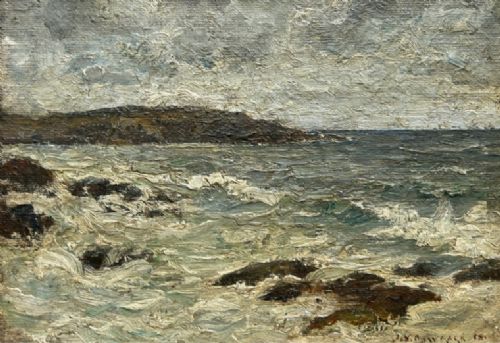
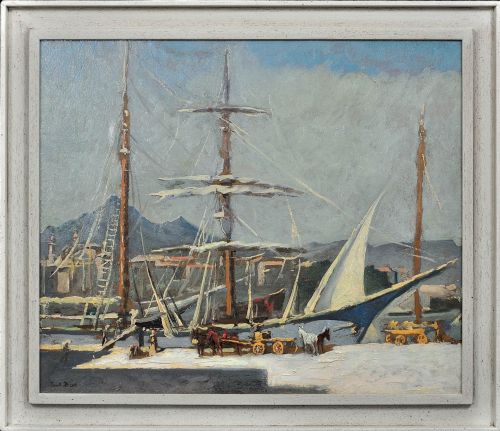
The visual focus rests upon the interaction of light with the sea, whether capturing the bustling quays of Cornwall or the open expanses of the Mediterranean. Works vary from detailed Victorian watercolours to looser post-impressionist canvases.
Materials and Technique
Artists working in this tradition relied primarily upon oil paint on canvas or board, alongside watercolour applied to paper. Canvas supports provided the structure for heavier impasto layers, allowing painters to build up textured surfaces that mimic the movement of waves and clouds.
Watercolour works utilised fluid washes on paper to capture transient atmospheric conditions, particularly in harbour scenes where sky and water meet. Gilt frames frequently complemented these compositions, providing a defined boundary for the vibrant pigments within.
Judging Quality
Quality in these coastal paintings depends upon the artist's handling of light and the economy of brushwork used to define form. Superior examples demonstrate a confident understanding of atmosphere, where water, sky, and vessels integrate harmoniously without excessive detail.
The strength of composition and the vitality of the surface texture distinguish finer works from more formulaic topographical records. Stronger pieces convey the motion of the tide and the weight of the air through decisive application of paint or pigment.
Eugène-Louis Gillot·William Banks Fortescue·James Kay·Paul Bret·Hector Caffieri·Cyril Walduck Edwards·Willem Bos·Donald McIntyre·Cecil Allan Mould·Thomas Hodgson Liddell·John Holland·Frank Kelsey·Elisabeth Bardon·Edward Matthew Elliott·Louis Suire·Gyrth Russell·Jean-Baptiste Olive·Raymond Picque·William Lee Hankey·Fred Pailhes·Edward Seago·Arthur Tucker·William Greaves·James Watson·Owen Bowen
The Impressionist Maritime Artwork Glossary
- Impasto
- Paint applied thickly to a canvas or board, leaving visible brush or palette knife marks. This technique adds tactile dimension to the painted surface, often used to emphasise churning water or highlights on sails.
- Seascape
- A work of art depicting the sea, coastlines, or maritime activities. These subjects allow artists to explore atmospheric effects and changing weather patterns over water.
- Watercolour
- A painting method where fine pigment is suspended in a water-soluble binder and applied to paper. It relies on the white of the paper to provide luminosity through transparent washes.
- Post-Impressionism
- An artistic movement following impressionism that extended its use of vivid colours and thick application while placing greater emphasis on geometric forms or expressive intent.
Impressionist Maritime Artwork: Frequently Asked Questions
What subjects appear in maritime art?
These works depict sailing vessels, fishing boats, bustling harbours, and quiet coastal inlets across various European shores.
Artists frequently recorded working ports, shipping lanes, and tidal changes along British and French coastlines.
How do oil and watercolour differ here?
Oil paintings utilise heavy pigments on canvas or board to build texture and deep atmospheric colour.
Watercolours employ transparent washes on paper to capture bright, swift impressions of light on water.
How do I date a coastal painting?
Dating relies on recorded artist lifespans, stylistic shifts from Victorian realism to mid-century abstraction, and framing materials.
Signatures, exhibition dates, and inscriptions on the reverse of the canvas provide further chronological markers.
Where were these maritime scenes painted?
Locations range from Cornish fishing villages like St Ives and Mevagissey to French ports in Normandy and Brittany.
Other notable settings include Venetian canals, Mediterranean harbours in Italy, and various North Sea locations.