





Impasto Oil Portrait Painting
Impasto oil portrait painting brings heavy texture and striking presence to a room, offering tactile depth that flat canvases simply cannot match.
Impasto Oil Portrait Painting
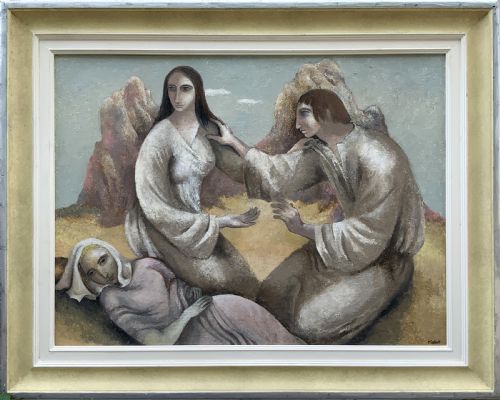
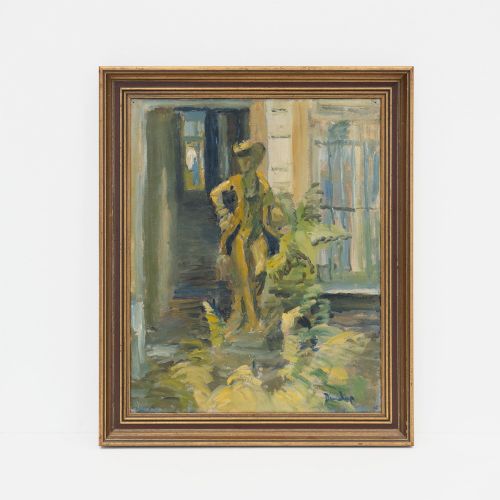
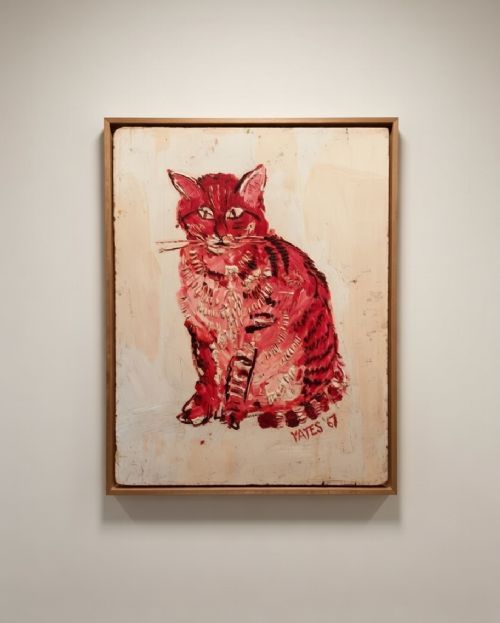
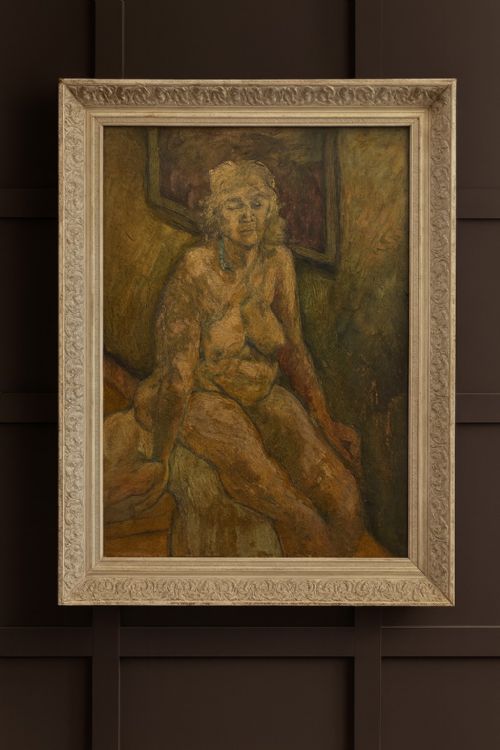
An impasto oil portrait painting displays thick, raised layers of pigment that sit proud of the support, capturing light and shadow across the human or animal subject. When exploring impasto oil portrait painting, buyers encounter works spanning from the late nineteenth century through the mid-twentieth century, capturing figures, self-portraits, and nudes.
The selections on this page showcase diverse regional origins, including British, French, and American hands, working across impressionist, modernist, and expressionist idioms. The most frequently met examples date from the mid-twentieth century, executed in oil on canvas or board within period wood frames.
Materials and technique
Painters built these works using oil paint applied thickly onto stretched canvas, wooden panels, or rigid board supports. The pigment was loaded heavily onto brushes or palette knives, leaving distinct ridges and troughs that remained tactile long after drying.
Frames play a structural role, with gilt and plain wood mouldings enclosing the canvases to protect the vulnerable edges of the thick paint layer. The combination of oil medium and rigid or flexible supports allowed artists to push the boundaries of texture and form.
Listings span from the late nineteenth century through the mid-twentieth century, utilising wood, canvas, and heavy oil paint.
Evaluating quality
Quality rests in the purposeful control of the heavy medium, where thick pigment defines bone structure and light rather than merely hiding the surface. The finest works demonstrate a surety of touch, where every ridge of paint contributes to the expression and character of the sitter.
Context and provenance elevate certain pieces, particularly when signed by listed artists working within recognised movements like Post-Impressionism or Modern British art. The integration of the thick paint with the underlying composition separates masterly execution from mere heaviness of application.
Ronald Ossory Dunlop·Gaetan Dumas·Baruch Shalom Oskotsky·Fred Yates·Pinchus Krémègne·Lucy Kemp-Welch·Georges Rouault
The Impasto Oil Portrait Painting Glossary
- Impasto
- Paint applied thickly to a canvas or panel, standing out in relief from the surface so that brush or knife marks remain visible. This technique adds literal three-dimensional depth to the painted image.
- Oil paint
- A slow-drying paint made by mixing pigments with a drying oil, commonly linseed. It allows artists to work wet-in-wet and build heavy, tactile layers.
- Canvas
- Closely woven fabric stretched across a wooden frame to serve as a painting surface. It provides slight give under the pressure of heavy impasto application.
- Gilt
- A thin layer of gold or gold-coloured material applied to wood frames. It enhances the visual weight and period character of the surrounding artwork.
- Post-Impressionism
- An art movement extending the French impressionists while rejecting their limitations. Artists concentrated on heavier brushwork and symbolic content.
Impasto Oil Portrait Painting: Frequently Asked Questions
Are these paintings supplied with frames?
Most works arrive housed in their period wood or gilt frames, which complement the age and style of the canvas. These enclosures are part of the historical object and help protect the edges from knocks.
Review the individual descriptions to confirm whether a specific piece retains its original framing or is presented unframed.
How should I hang a heavy impasto painting?
Due to the thick layers of oil paint and sturdy wooden stretchers or boards, these works often carry considerable weight. Secure fixings screwed directly into wall studs or heavy-duty wall anchors provide the necessary support.
Keep the painting away from direct sunlight and strong heat sources, which can destabilise old canvas and dried oil pigments over time.
How can I tell the period of a portrait?
Dating relies on stylistic clues, framing materials, and the signatures or documentation associated with the artist. Mid-century works often embrace modernist or expressionist distortion, while nineteenth-century examples lean towards impressionist observation.
Comparing the stretcher construction, canvas type, and biographical dates of the painter helps narrow down the decade of creation.