


Vintage British Impressionist Artwork
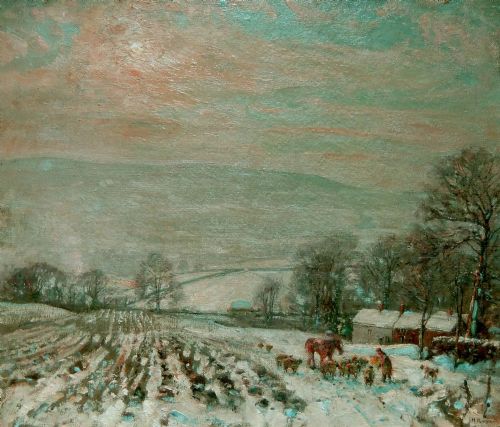
Vintage british impressionist artwork captures light and atmosphere through textured brushwork across landscapes and coastal scenes spanning from the Victorian era into the mid twentieth century.
Vintage British Impressionist Artwork
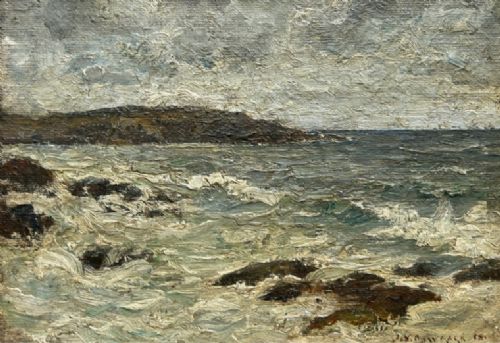
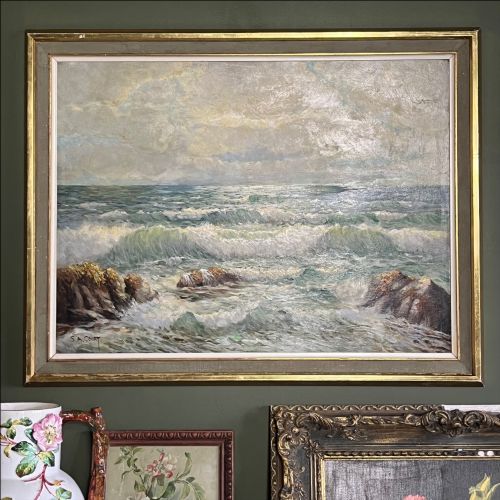
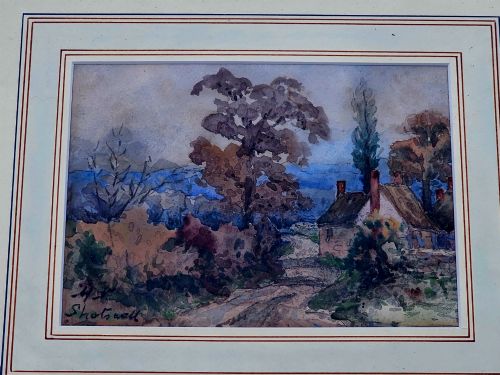
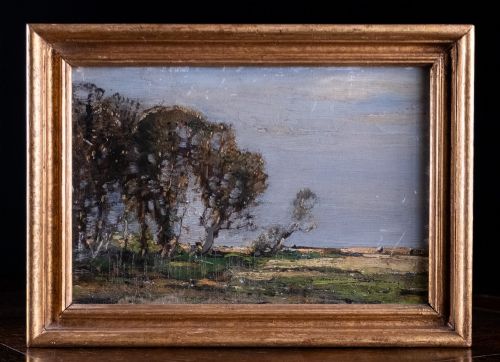
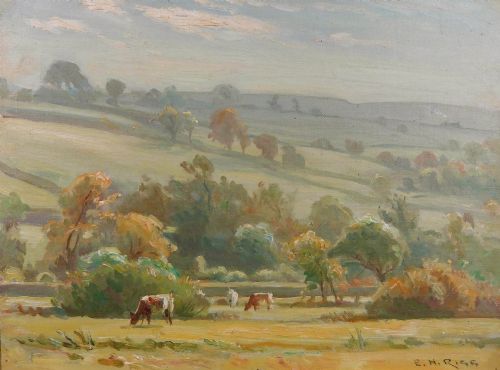
When searching for vintage british impressionist artwork, collectors encounter oil paintings and watercolours depicting coastal scenes, rural landscapes, and pastoral views. These pieces bridge traditional academic painting and modern movements by prioritising optical colour over rigid detail.
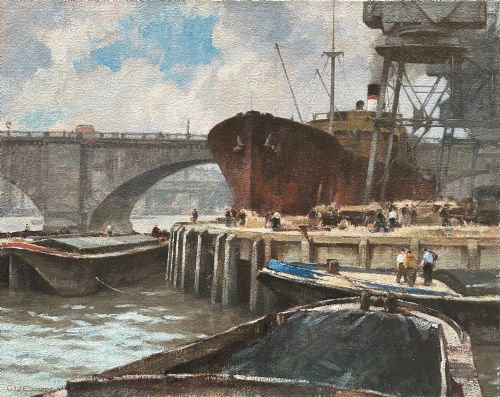
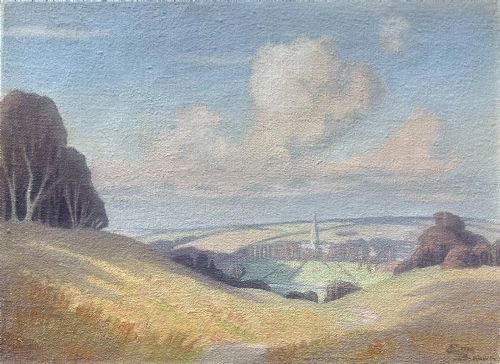
The selections available range from early twentieth century watercolours to robust oil paintings on canvas and wood panel. Many examples focus on regional British settings, including Cornish harbours, Yorkshire valleys, and London river paths.
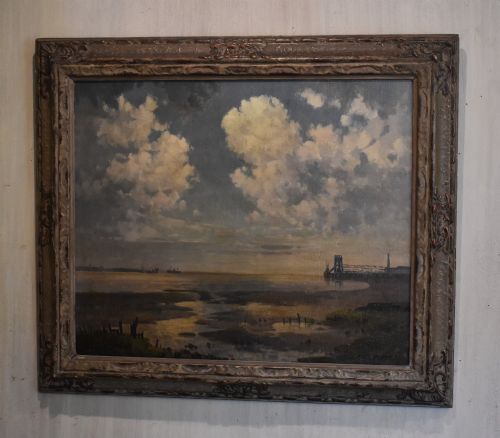
Works attributed to named regional artists appear alongside pieces originating from the broader British School. Buyers frequently find framed compositions that demonstrate en plein air methods applied to changing natural light.
How They Were Made
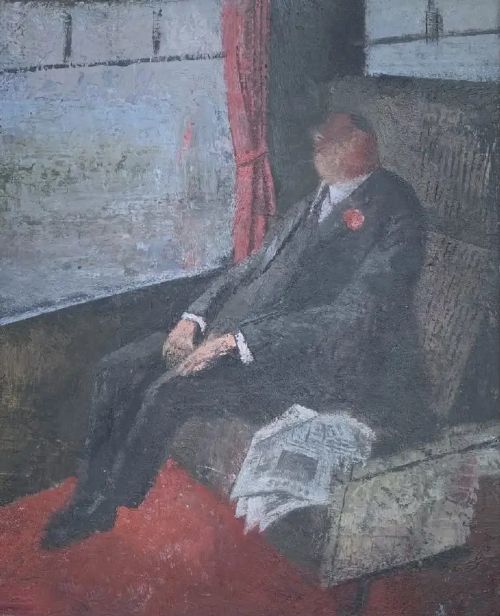
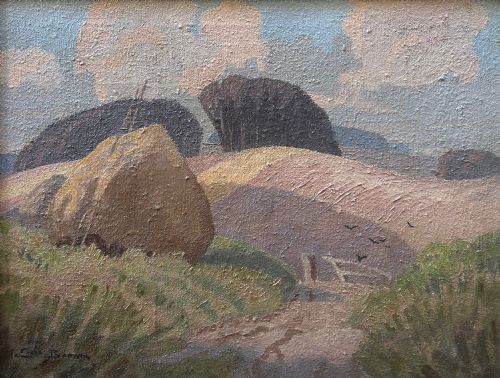
Artists painted primarily in oil or watercolour, applying pigment onto prepared canvas, wood panel, board, or heavy paper support. Oil paint was often laid on thickly to create tactile impasto surfaces that caught the light.
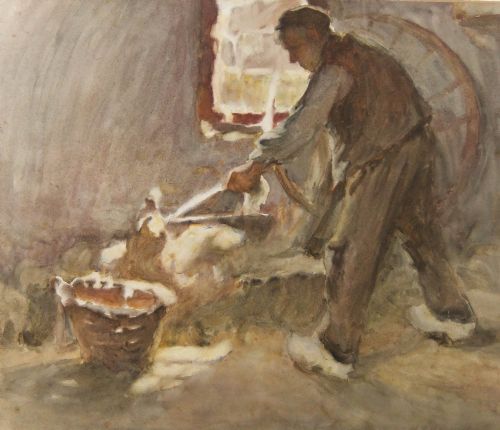
Watercolour paintings utilised fluid washes combined with confident pencil or ink underdrawings to capture immediate atmospheric effects. Many panels and canvases were housed in period gilt frames that complemented the tonal balance of the composition.
Listings feature works spanning the nineteenth century through the nineteen fifties, executed in oil, watercolour, and pastel.
What Varies In Quality
Quality rests upon the artist's ability to command light, shadow, and spatial depth within the chosen medium. Superior works display confident, deliberate brushstrokes that define form without resorting to laboured, tight linework.
The harmony of the palette and the preservation of the surface texture determine the visual strength of a piece. Stronger examples maintain vibrancy in their pigment application and structural integrity across the canvas or panel.
Clifford Hanney·Sidney A Court·Kershaw Schofield·Herbert Royle·William Banks Fortescue·Henry Silkstone Hopwood·Clive Browne·Cyril Walduck Edwards·Herbert Ashwin Budd·Alfred Wolmark·Eric Brown·Ernest Higgins Rigg·Sir Alfred East·Cecil Allan Mould·Maud Raphael Jones·Percy Lancaster·Philip Naviasky·Florence Adelina Hess·Ronald Ossory Dunlop·Dame Laura Knight·William Thomas Wood·John Holland·Frank Kelsey·William Greaves·Owen Bowen
The Vintage British Impressionist Artwork Glossary
- Impasto
- Paint applied thickly to a canvas or panel, standing out in relief from the surface so that the brush or palette knife marks remain visible.
- En plein air
- The practice of painting outdoors to capture the direct, transient effects of natural light and weather upon a landscape.
- Watercolour
- A painting method in which the paints are made of pigments suspended in a water-based solution, typically applied to paper.
- Panel
- A flat piece of wood used as a rigid support for oil paintings prior to or alongside the widespread adoption of stretched canvas.
Vintage British Impressionist Artwork: Frequently Asked Questions
What defines british impressionist artwork?
British impressionism adapts French plein air techniques to the local light and landscape, favouring loose brushwork and natural colour harmony.
These works often record everyday scenes, rural valleys, and coastal harbours rather than grand historical narratives.
How should I care for oil paintings on panel?
Keep wooden panels away from direct heat sources and sudden humidity shifts to prevent warping or paint cracking.
Display the artwork out of direct sunlight and dust the surface gently with a dry, soft cloth.
Are watercolours framed differently from oils?
Watercolour paintings require protective glass and a card mount to prevent the paper from touching the glazing.
Oil paintings on canvas or panel remain unglazed to allow the textured pigment and brushwork to breathe.
How can I tell the period of a landscape?
Stylistic clues, such as the boldness of the palette and the texture of the impasto, often suggest the decades surrounding the turn of the twentieth century.
Framing styles and artist signatures recorded on the reverse also help anchor the piece within its historical era.