


Impasto Landscape Canvas
An impasto landscape canvas brings tactile depth and thick paint texture directly to walls through mid-century and earlier oil paintings.
Impasto Landscape Canvas
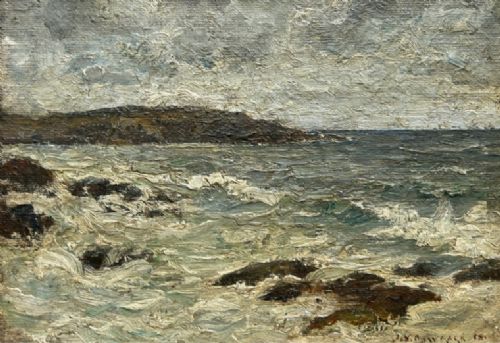
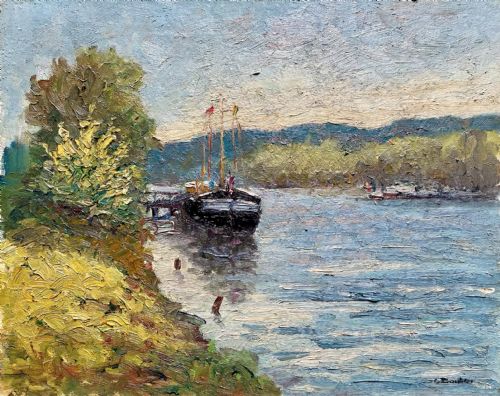
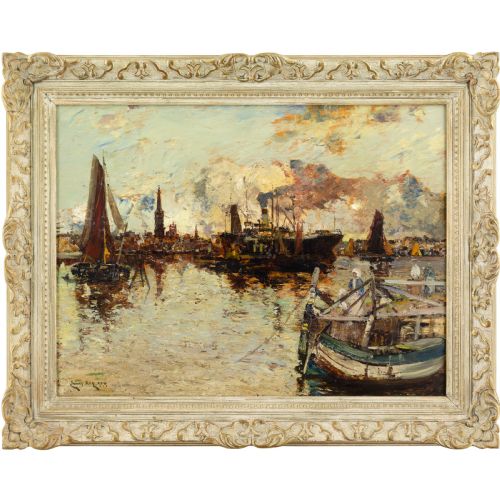
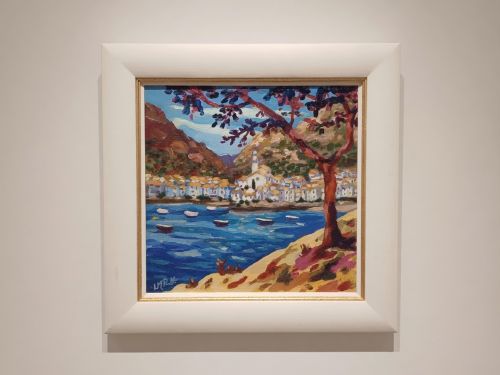
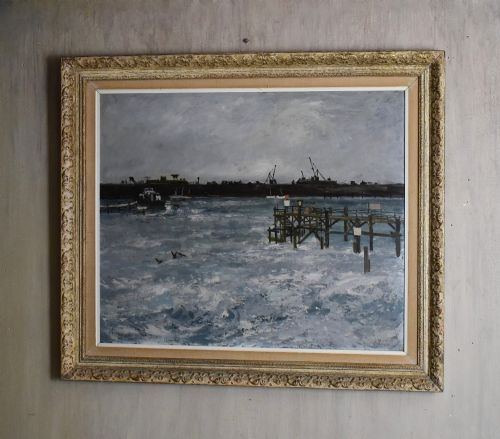
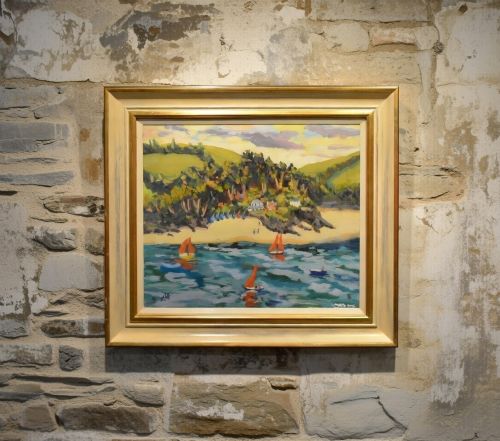
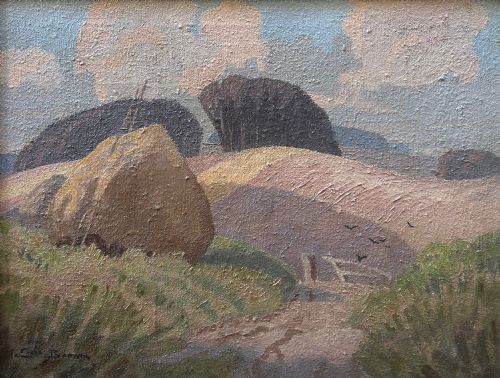
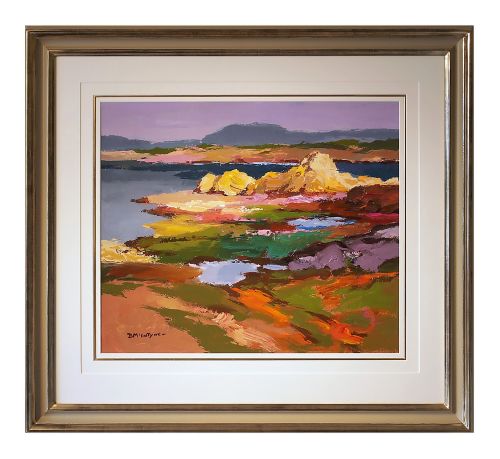
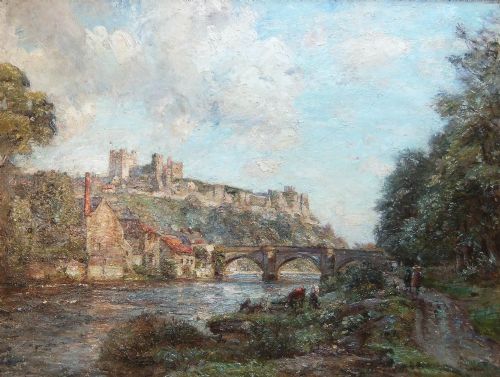
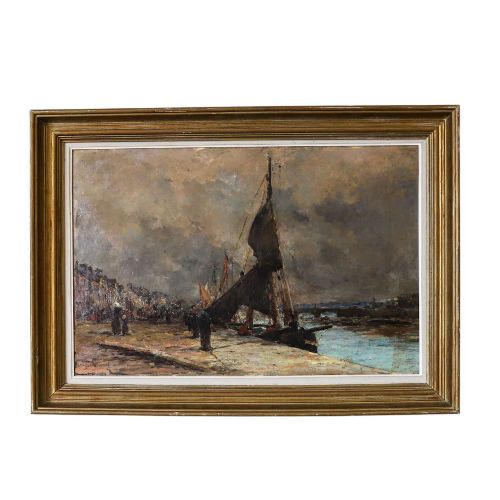
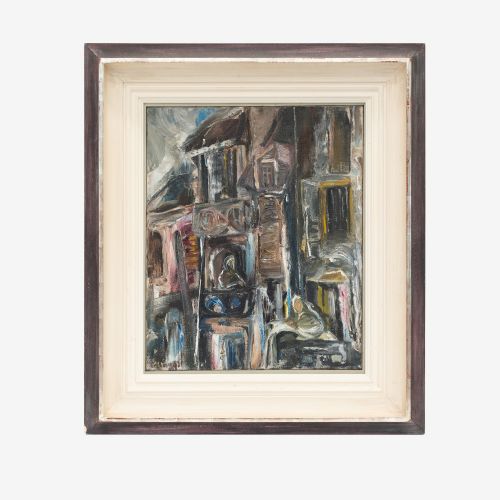
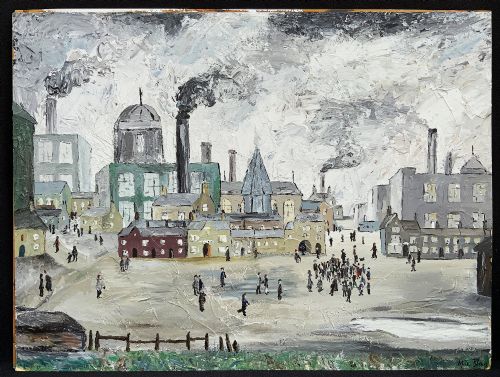
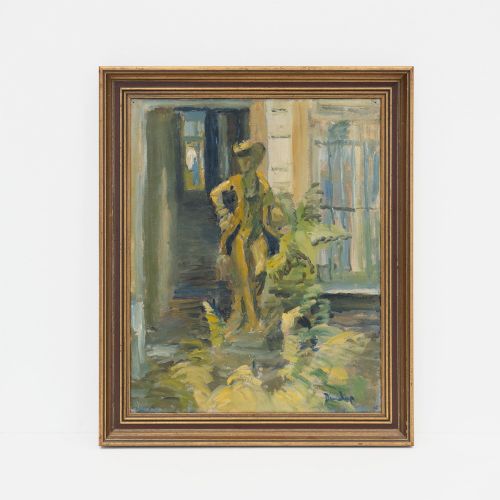
An impasto landscape canvas captures scenes like coastal views, townscapes, and country fields using heavy, raised layers of oil paint. These works span from the nineteenth century through the mid-twentieth century, including British and French impressionist styles.
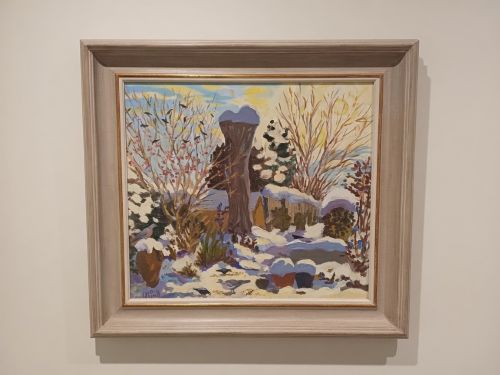
Buyers frequently encounter mid-century examples featuring thick pigment applied with brushes or palette knives. The subjects range from quiet river banks and French ports to bustling industrial townscapes and snowy village scenes.
What varies in quality
Quality rests on the confidence and precision of the brushwork or knife application, where purposeful texture creates genuine atmosphere and spatial depth rather than mere bulk. The handling of light and shadow across the raised pigment distinguishes a masterly composition from a flat imitation.
The harmony of the palette and the strength of the underlying drawing also dictate the success of the piece. Stronger works maintain compositional balance even when the surface is built up with exceptionally thick layers of paint.
Several canvases capture cows, horses, and busy market squares through thick, joyful dabs of paint.
James Kay·Lucy Pratt·Peter Brannan·Eric Brown·Herbert Royle·Lilian Colbourn·Ronald Ossory Dunlop·Helen Layfield Bradley·Jean Baptiste Olive·Raymond Picque·Gabriel Dauchot·Cecil Rochfort D Oyly John·Caroline Burnett·Mercedes Legrand·Phyllis Morgans·Émile Bouche
The Impasto Landscape Canvas Glossary
- Impasto
- Paint applied thickly to a canvas or board so that it stands out from the surface. This technique allows brush or palette knife marks to retain their physical shape and texture.
- Post-Impressionism
- An art movement following impressionism where artists extended impressionist use of vivid colours and thick paint while developing a more personal expression. Works in this style often emphasise structured forms and symbolic content.
- Stretcher
- A wooden framework that keeps an artist canvas taut. The corners are typically expandable to allow adjustments to the tension of the fabric.
- Gilt frame
- A wooden picture frame coated with gold leaf or a gold-coloured finish. These frames frequently accompany nineteenth and twentieth-century oil paintings to complement the artwork.
Impasto Landscape Canvas: Frequently Asked Questions
How do I clean an impasto canvas?
Dust accumulation on thick paint layers requires gentle removal using a soft, dry brush rather than liquid cleaners. Heavy cleaning should be left to professional conservators to protect the raised pigment.
Avoid rubbing the textured surfaces, as the dried oil paint can be brittle and sensitive to pressure or moisture.
Are these paintings usually framed?
Many examples retain their period wooden frames, which can range from simple painted wood to ornate gilt designs. Original frames often provide clues to the era and origin of the artwork.
Some canvases are sold unframed or in later replacement frames depending on their history and previous restoration.
How do I date a canvas?
Dating relies on stylistic clues, artist signatures, framing details, and the physical construction of the canvas and stretcher bars. Mid-century works often display characteristic modernist palettes and bold knife marks.
Examine the back of the canvas or board for inscriptions, stamps, or labels left by previous owners or galleries.
Where should I hang these?
Display these works away from direct sunlight and excessive humidity to protect the oil paint and canvas substrate. Good lighting from an angle can enhance the three-dimensional quality of the impasto texture.
Ensure the wall can support the weight of the framed oil painting securely.