


Original Countryside Artwork
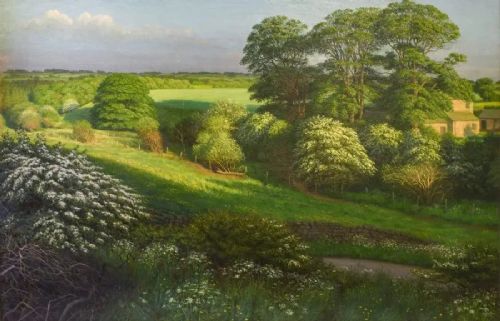
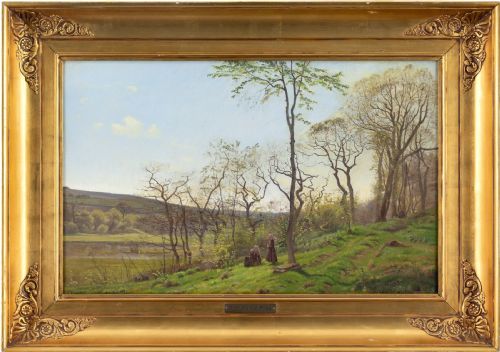
Original countryside artwork comprises oil paintings and watercolours capturing pastoral scenes, rural rivers and woodland vistas intended to bring natural serenity indoors.
Original Countryside Artwork
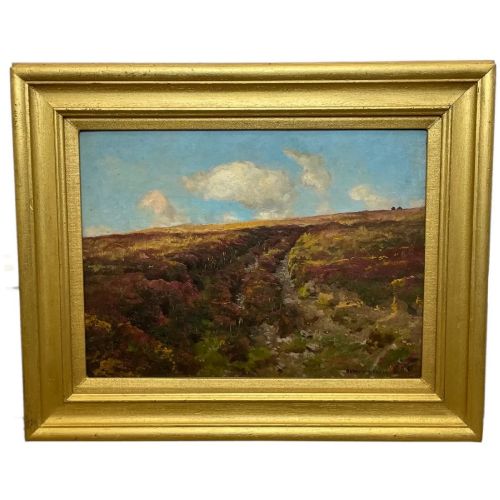
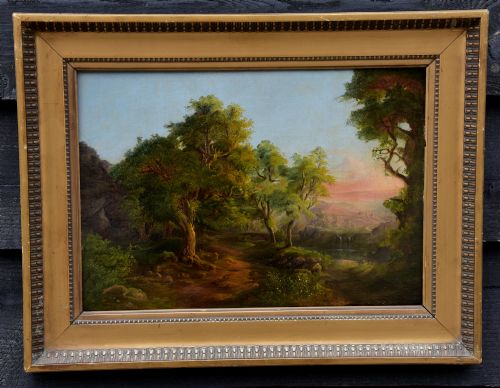
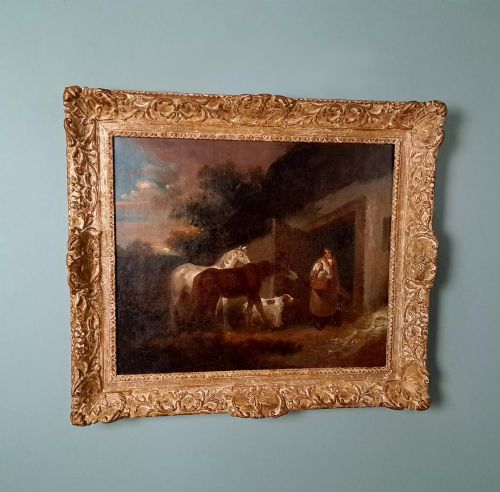
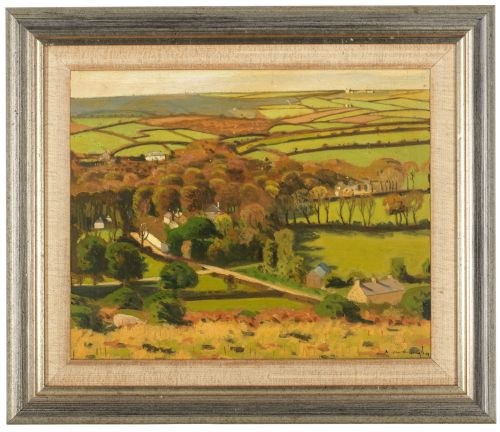
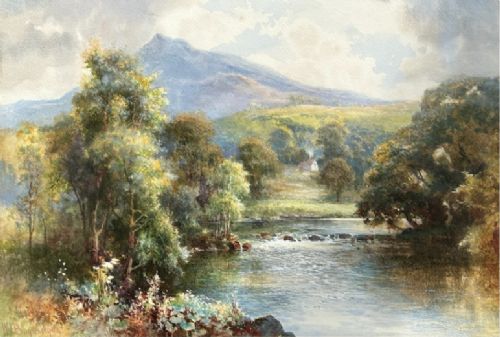
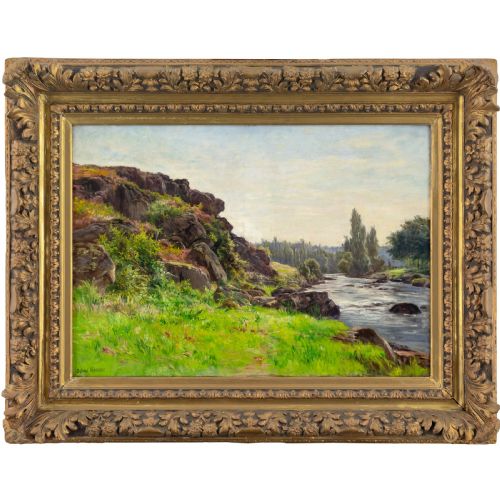
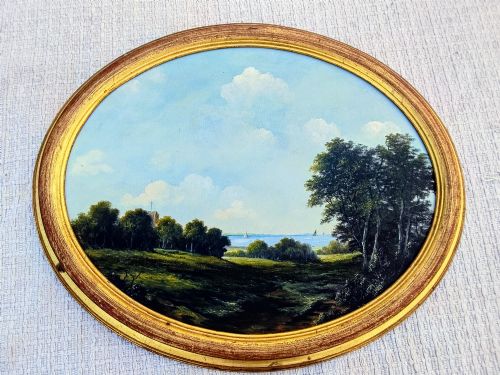
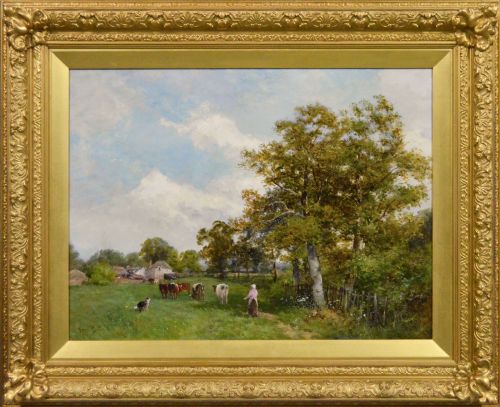
Original countryside artwork brings together pastoral oil paintings, watercolours and wall art depicting rural scenes, rivers and woodland views from the nineteenth and twentieth centuries. These pieces record landscapes across Britain, France and Denmark through distinct regional traditions and personal observations.
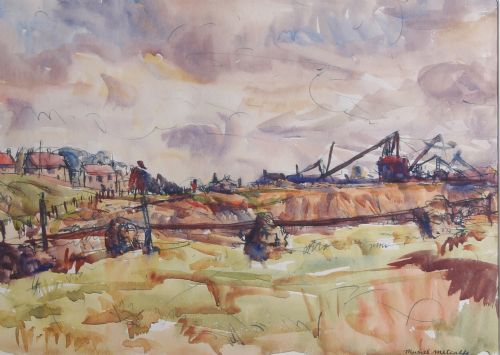
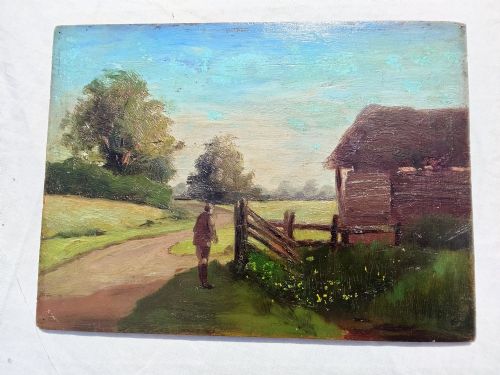
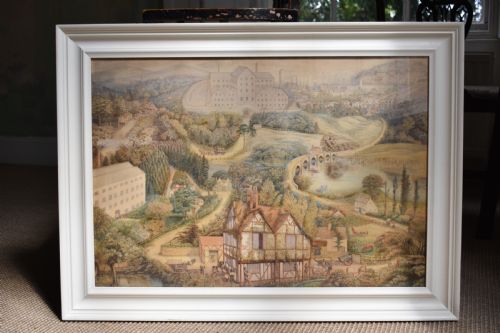
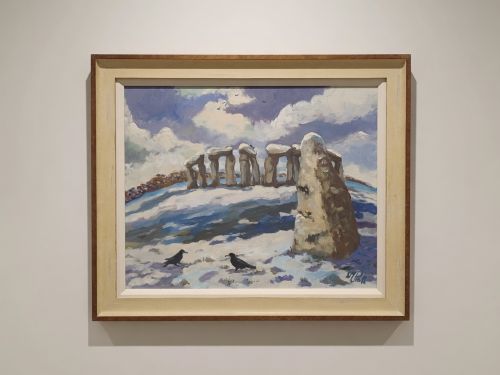
The selections available here lean heavily toward oil paintings on canvas and board alongside delicate watercolours on paper. Buyers frequently encounter nineteenth-century rural idylls, Edwardian river valleys and twentieth-century post-impressionist depictions of fields and farmsteads.
Materials and techniques
Painters relied upon oil paint applied to prepared canvas, wooden panels and boards, building rich textures and deep colour through layered brushwork. Watercolours executed on paper offer a lighter, more translucent rendering of rural light and atmosphere.
Framing often utilised gilded wood to complement the painted compositions and protect the edges of the canvas or paper support. Glass serves to preserve fragile watercolours from moisture and atmospheric dust over decades.
The listings span the Victorian era through the 1960s, utilising canvas, paper, wood panel, oil paint and watercolour.
Distinctions in quality
Skill in handling perspective, natural light and atmospheric depth distinguishes superior compositions from ordinary topographical records. Masterful handling of pigment creates believable motion in rivers and tangible warmth in late afternoon sunlight.
The strength of the artist's draftsmanship and the subtlety of colour mixing determine the enduring visual impact of a landscape. Firmer control over the medium allows the viewer to feel immersed in the depicted valley or woodland.
William H Myers·Frederick Marriott·Arthur Wardle·Robert Morson Hughes·William Joseph Shayer Senior·David Bates·George Oyston·John Bond
The Original Countryside Artwork Glossary
- Oil paint
- A slow-drying paint made by mixing pigments with oils such as linseed, allowing artists to blend tones smoothly and build thick impasto textures.
- Watercolour
- A painting method where coloured pigments are suspended in a water-soluble binder, traditionally applied to absorbent paper to create luminous washes.
- Canvas
- A heavy woven fabric stretched tightly over a wooden frame, serving as a durable and resilient support for oil paintings.
- Wood panel
- A rigid wooden board utilised as a firm base for early paintings, offering a smooth surface for detailed brushwork.
Original Countryside Artwork: Frequently Asked Questions
How do I hang countryside paintings?
Position paintings at eye level where natural daylight enhances the pigments without causing direct glare on the canvas or glass.
Keep pieces away from damp walls and direct heat sources to protect the wooden stretchers and organic pigments from warping.
How do I identify a Victorian landscape?
Look for detailed brushwork depicting dramatic rural lighting, pastoral livestock and tranquil rivers influenced by romanticism and British impressionist movements.
Examine the reverse of the canvas or board for period framer stamps, handwritten inscriptions and patinated wooden stretchers.
Are watercolours harder to care for than oils?
Watercolours require constant protection behind glass to shield the paper and pigments from humidity and ultraviolet fading.
Oil paintings on canvas tolerate ambient indoor conditions better but still benefit from stable temperatures and minimal exposure to direct sunlight.
What subjects define these rural artworks?
Common subjects include winding rivers, wooded valleys, harvesting scenes, coastal views and quiet pastures dotted with cattle or sheep.
Artists frequently returned to specific regions in Wales, Cornwall and Yorkshire to capture the shifting seasonal light.