



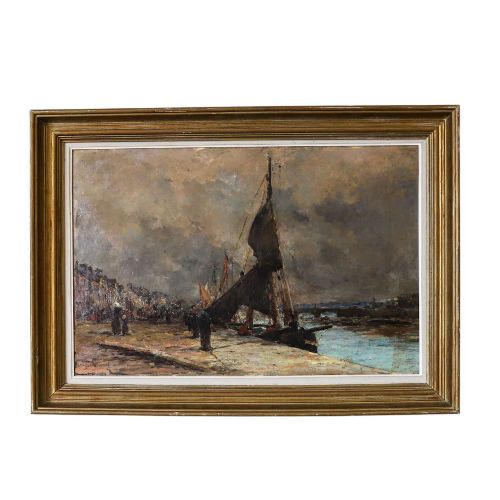
Impasto Landscape Artwork
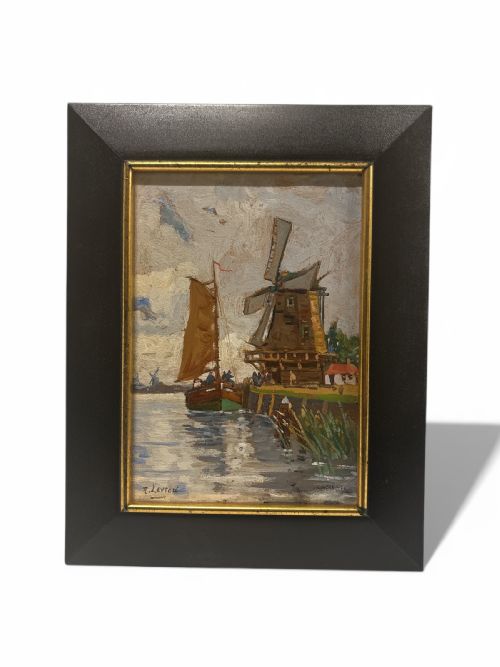
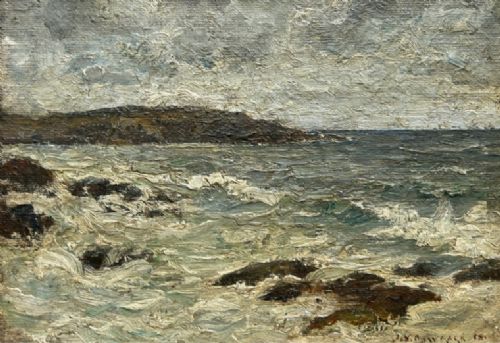
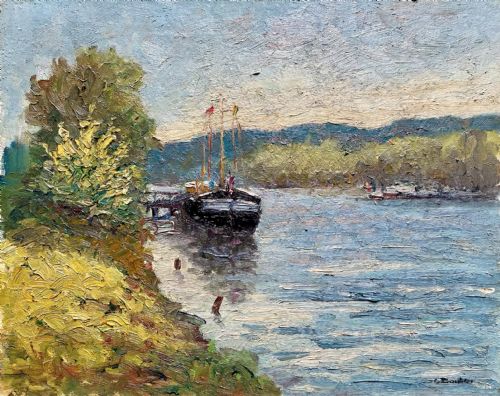
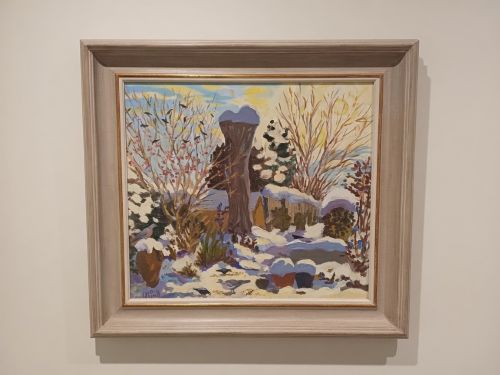
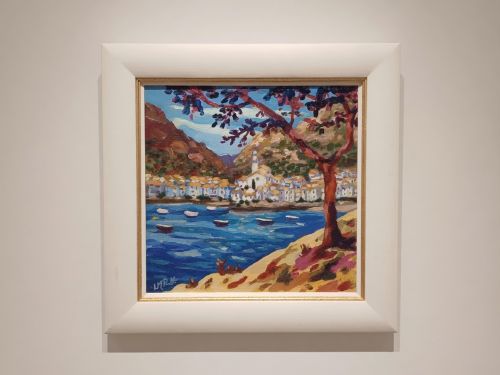
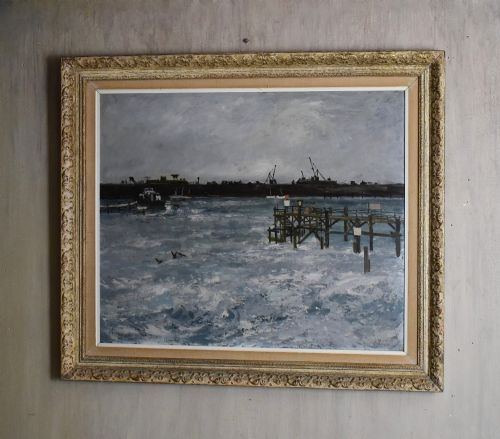
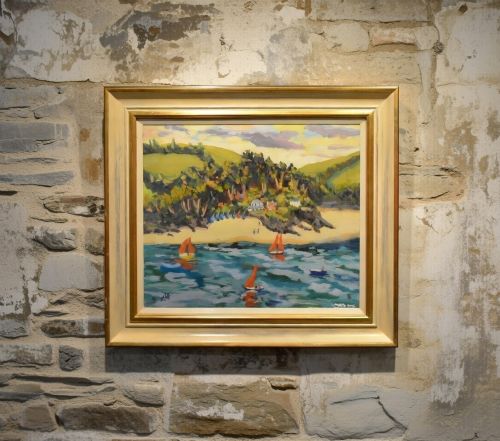
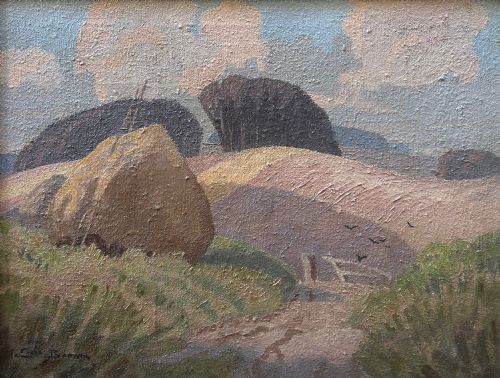
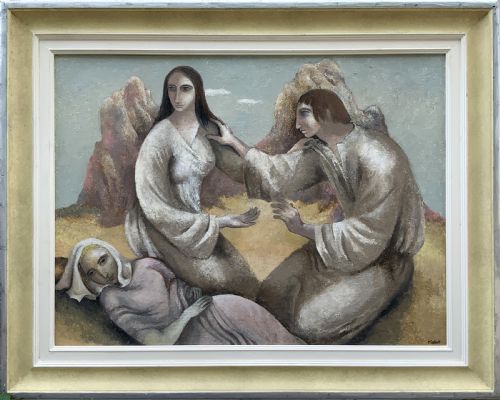
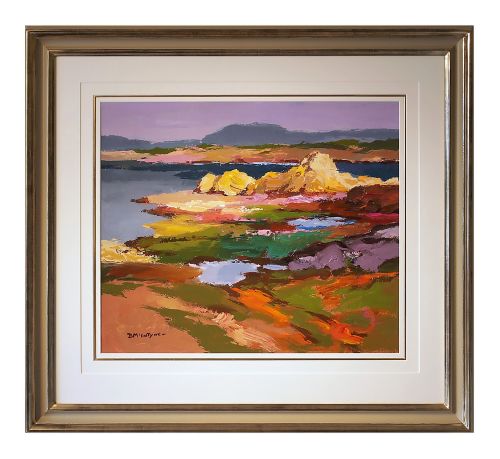
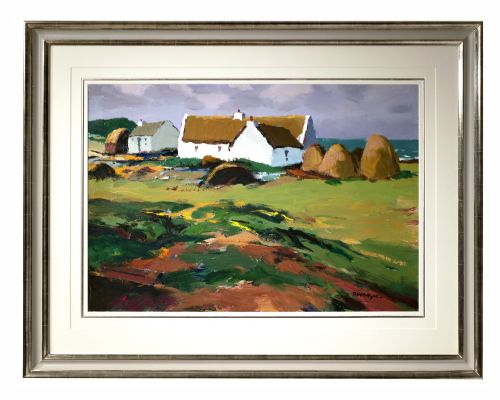
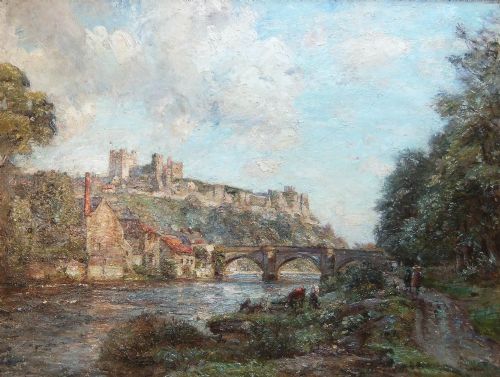
Impasto landscape artwork captures the physical weight of light and terrain through thick, expressive layers of oil paint.
Impasto Landscape Artwork
Impasto landscape artwork brings together tactile surface texture and painted scenery, ranging from Edwardian coastal views to mid-century urban townscapes.
Buyers browsing this selection will frequently encounter British and French canvases and board paintings spanning the early twentieth century through to the nineteen-sixties.
The subjects extend from quiet rural estuaries and snowy winter fields to busy European harbours and sunlit continental street scenes.
Materials and technique
Artists built these heavy surface textures using oil paint applied thickly with brushes or palette knives directly onto stretched canvas or wooden boards.
The underlying support frequently sits within period frames, sometimes finished in gilt wood that complements the dense paint layers.
The listings span multiple decades from the Edwardian era through the nineteen-sixties, incorporating both British impressionist views and continental post-impressionist scenes.
Distinguishing quality
Quality rests in the deliberate handling of the medium, where thick pigment defines form and light rather than merely sitting heavy upon the surface.
A successful piece demonstrates a confident rhythm in the knife or brush marks, giving structural clarity to harbours, fields, and city streets.
Kenneth Cozens·R Leyton·James Kay·Lucy Pratt·Peter Brannan·Eric Brown·Christine Nesbit·Donald McIntyre·Herbert Royle·Lilian Colbourn·Ronald Ossory Dunlop·Jean Baptiste Olive·Raymond Picque·James Fry·Gabriel Dauchot·Cecil Rochfort Doyly John·Caroline Burnett·E A Minardo·Florence Hess
The Impasto Landscape Artwork Glossary
- Impasto
- Paint applied thickly to a canvas or board, standing out in relief from the plane so that the marks of the brush or palette knife remain visible.
- Board
- A rigid wooden or composite panel utilised as a painting support instead of woven fabric.
- Gilt wood
- Carved timber finished with a thin layer of gold leaf or metallic gilding, commonly found on period frames.
- Post-Impressionism
- An artistic movement following impressionism that prioritised expressive colour and structural brushwork over naturalistic depiction.
Impasto Landscape Artwork: Frequently Asked Questions
How do I care for impasto paintings?
Dust accumulates easily on thick paint ridges, so use a very soft dry brush very gently across the surface.
Keep the canvas away from direct heat sources and fluctuating humidity to prevent the thick oil pigment from cracking over time.
Are these paintings usually framed?
Many works retain their period surrounds, which often include gilt wood mouldings chosen to match the era of the composition.
Some pieces are sold unframed or in simpler contemporary housings, allowing the buyer to select a mount that suits their interior.
How are periods identified?
Datings rely on recorded artist lifespans, costume details in figurative scenes, architectural styles in townscapes, and framing materials.
Examine the reverse of the canvas or board for old gallery labels, inscriptions, and signatures that anchor the creation date.
Where were these scenes painted?
The subjects record locations across Britain, France, and wider Europe, capturing specific coastal harbours, rivers, and urban streets.
Artists frequently travelled to paint en plein air, recording regional light in places like Normandy, the Lake District, and Paris.