
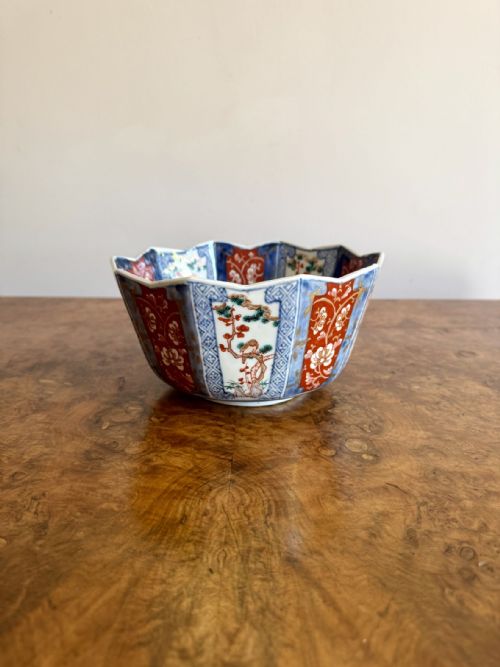


Imari Porcelain Centrepiece Bowl
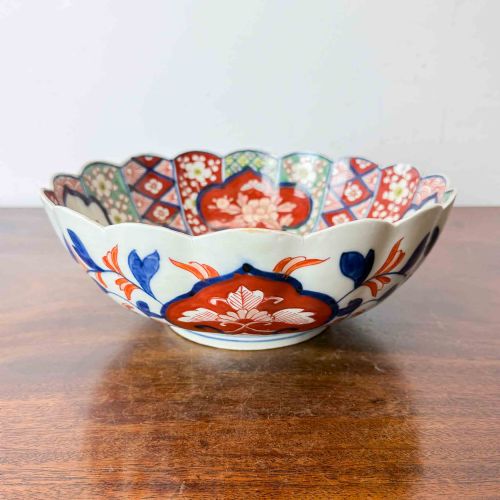
These imari porcelain centrepiece bowl examples offer striking palettes of iron-red, cobalt blue, and gilt that anchor a room.
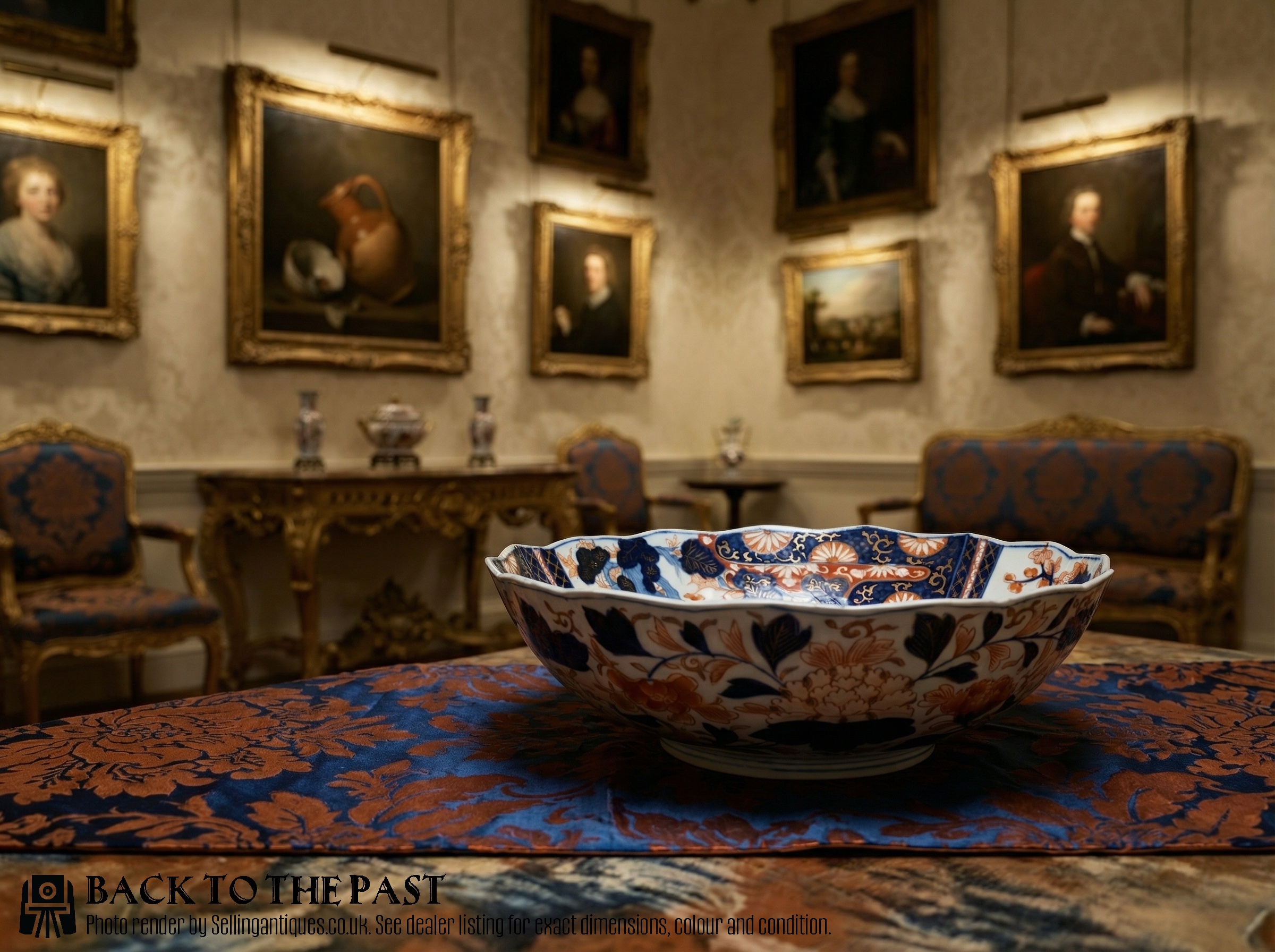
Imari Porcelain Centrepiece Bowl
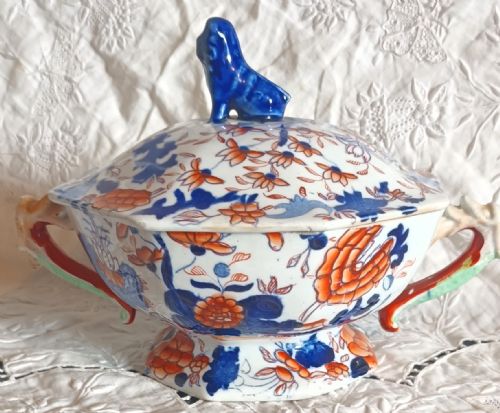
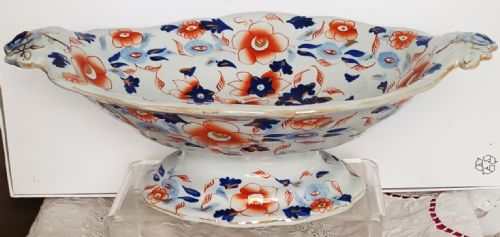
When you search for imari porcelain centrepiece bowl, you encounter striking vessels created across the eighteenth, nineteenth, and early twentieth centuries. These range from Japanese Meiji period examples and Arita wares to English interpretations like Mason's ironstone china and Minton porcelain.
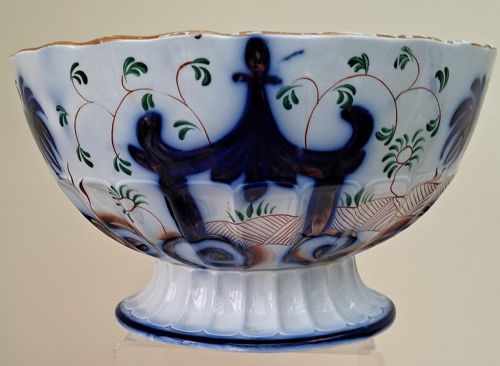
The selection on this page leans heavily towards Japanese imari bowls alongside English Georgian and Victorian pieces utilising similar aesthetic influences. Forms include scalloped edge bowls, footed comports, tureens, and jardinieres originating from distinct decorative traditions.
How they were made
Makers utilised ceramic materials such as porcelain, ironstone, and earthenware as the foundational body for these vessels. Skilled hands applied glaze and enamel decoration, frequently incorporating gilt and gold leaf to heighten the visual impact.
Production techniques combined traditional throwing and moulding with detailed hand-painting in characteristic colour palettes. Potters fired these pieces at high temperatures to set the vibrant iron-red and cobalt blue pigments permanently.
One exceptional nineteenth-century English ironstone pattern charmingly pairs a pagoda motif with a title featuring a crazy cow and a Bengal tiger.
What varies in quality
The precision and depth of the hand-painted enamel work separate standard items from finer examples. Crisp lines within the iron-red and cobalt blue motifs, alongside generous applications of gold leaf or gilt, indicate superior craftsmanship.
The weight and refinement of the underlying porcelain, ironstone, or earthenware body also define the standard. Well-balanced forms with unblemished glazes represent the higher tier of these decorative bowls and centrepieces.
The Imari Porcelain Centrepiece Bowl Glossary
- Imari porcelain
- A style of Japanese export ceramics originating from Arita, typically decorated in underglaze blue, iron-red, and gilt. It became widely emulated by European potteries during the Georgian and Victorian eras.
- Ironstone
- A patented ceramic body developed in nineteenth-century England to provide a durable, dense alternative to porcelain. It readily accepted colourful enamel patterns such as Japanese-inspired designs.
- Comport
- A raised decorative dish or bowl used traditionally for serving fruit or sweets as part of a table centrepiece. These footed vessels elevate the display above the surface of the dining table.
- Chinoiserie
- European artistic interpretations of Chinese and East Asian decorative motifs. This style heavily influenced eighteenth-century export porcelain and subsequent English ironstone patterns.
Imari Porcelain Centrepiece Bowl: Frequently Asked Questions
What is an imari porcelain centrepiece bowl?
An imari porcelain centrepiece bowl is a decorative vessel featuring the characteristic iron-red, cobalt blue, and gilt palette associated with Japanese export wares and their European adaptations.
These pieces function as striking focal points on tables and sideboards, combining functional form with intricate historic ornamentation.
How do I tell Japanese imari from English imari?
Japanese imari typically uses a finer porcelain body and reflects traditional Meiji, Edo, or Arita aesthetics in its hand-painted motifs.
English interpretations often utilise heavier ironstone or earthenware bodies, produced by makers such as Mason's during the Georgian and Victorian periods.
Where were these bowls displayed?
Historically, large bowls and footed comports served as centrepieces on dining tables for displaying fruit or sweetmeats during formal meals.
In modern rooms, they sit comfortably on side tables, cabinets, or open shelves to showcase their vibrant enamels and gilt highlights.
What periods do these bowls date from?
The pieces span several centuries, encompassing eighteenth-century Chinese export, Regency, and nineteenth-century Victorian or Meiji period examples.
Some items extend into the early twentieth century, reflecting enduring European and Japanese manufacturing traditions.
How do I clean an antique bowl?
Dust these ceramic and porcelain pieces gently with a soft, dry cloth to preserve the delicate enamel and gold leaf decorations.
Avoid submerging antique items in water or using harsh chemical cleaners, as this can degrade the historic glaze and gilding.