

Imari Pattern Pottery
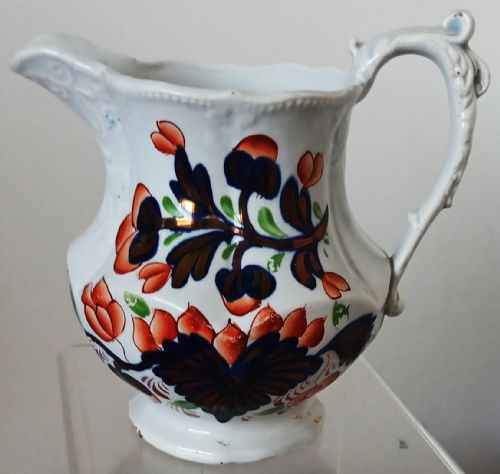
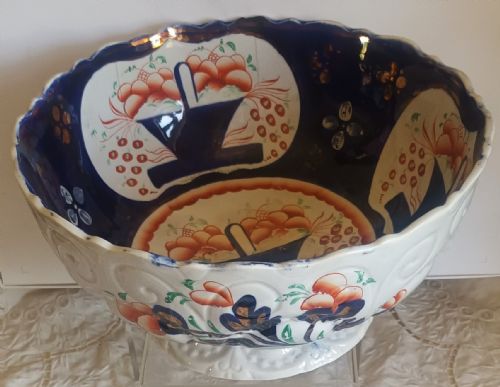
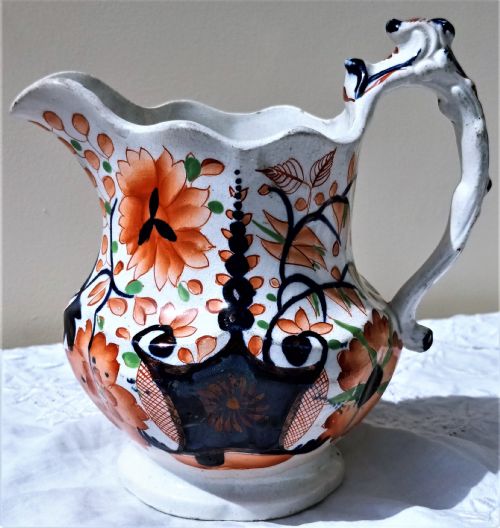
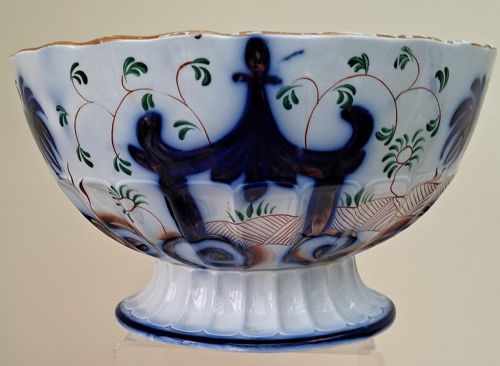
Imari pattern pottery gathers rich cobalt blues and warm iron-red enamels on ceramic vessels, bringing decorative colour and traditional form to a room.
Imari Pattern Pottery
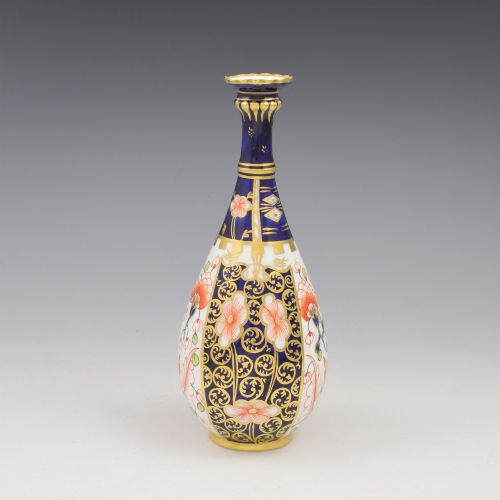
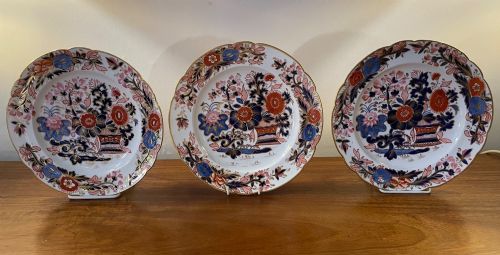
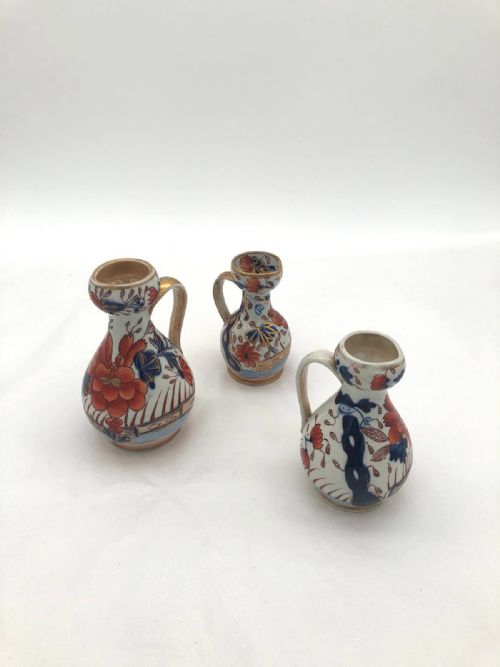
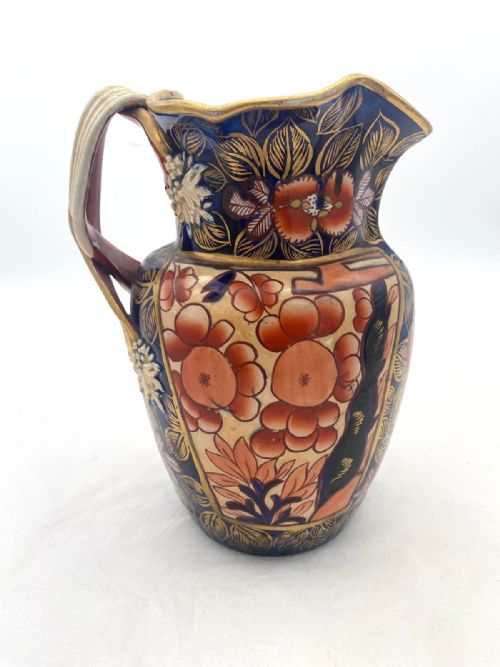
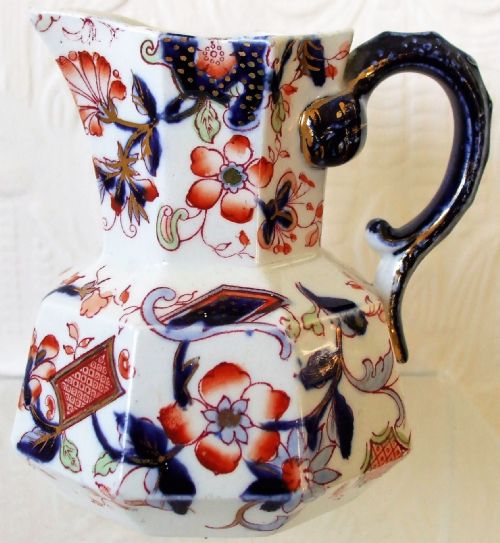
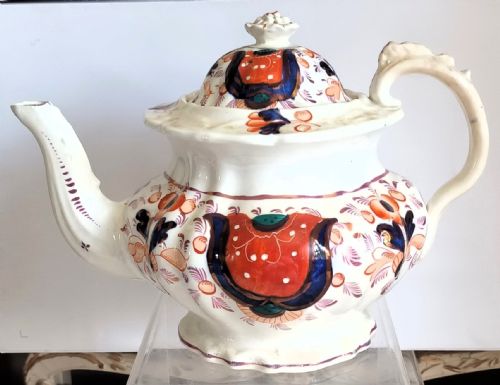
Imari pattern pottery encompasses a variety of ceramic forms, including vases, jugs, pitchers, and decorative plates. These pieces reflect diverse origins, ranging from Japanese pieces to British interpretations produced during the Georgian, Victorian, and Edwardian periods.
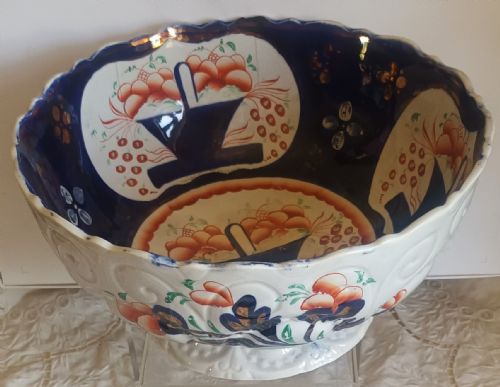
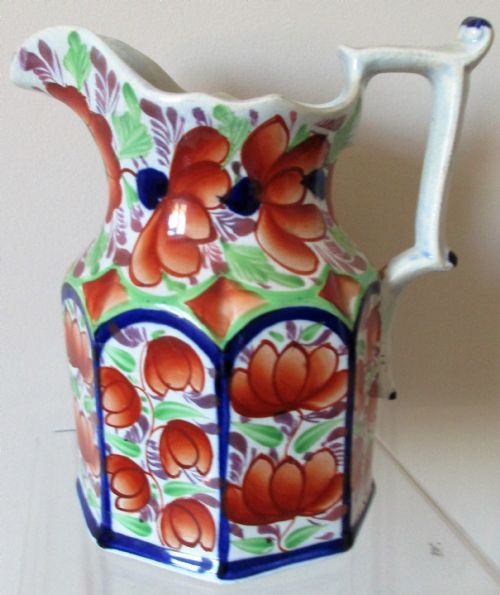
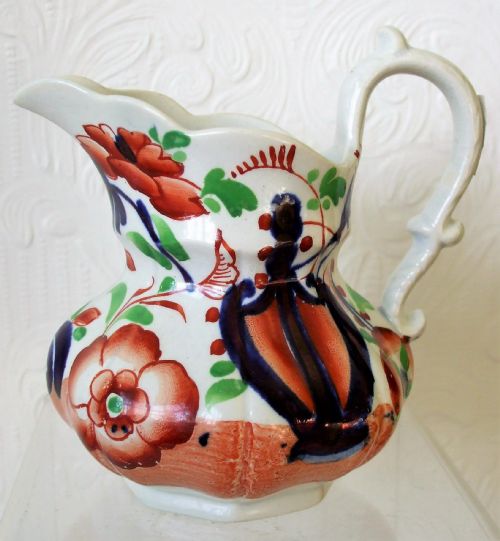
Buyers encountering this selection will frequently find Gaudy Welsh earthenware jugs and bowls alongside Staffordshire plates and Mason's ironstone pieces. The inventory also includes porcelain items from makers such as Royal Crown Derby and Keeling and Co., spanning the nineteenth century up to 1900.
Materials and production methods
Potters utilised ceramic bases such as earthenware, stoneware, ironstone, and porcelain to form the body of each vessel. These surfaces received underglaze blue painting combined with hand-applied enamel colours, often finished with gold leaf or gilding.
Manufacturing techniques involved firing the clay shapes before applying intricate hand-painted designs and overglaze details. Ironstone provided a durable, heavy body suitable for large jugs and plates, while porcelain allowed for delicate vases and teapots.
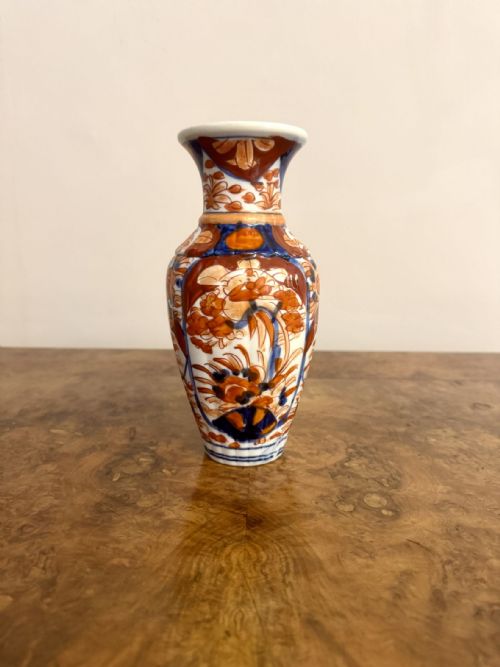
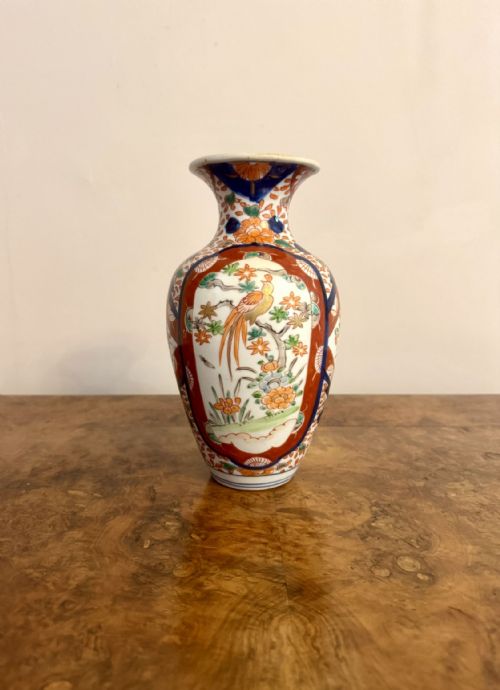
The listings combine nineteenth-century British ironstone and earthenware with Japanese porcelain vases from 1900.
Distinctions in quality
Quality depends upon the precision of the hand-painted decoration and the crispness of the underglaze blue transfer work. Finer examples display carefully aligned enamel colours and well-preserved gilding on the ceramic body.
The weight and consistency of the ironstone or porcelain substance also indicate the standard of production. Pieces featuring complex patterns like pagoda or schoolhouse designs demonstrate greater artisan skill than simpler decorative arrangements.
Mason's·Keeling and Co.·Royal Crown Derby·John Ridgway·Davenport
The Imari Pattern Pottery Glossary
- Ironstone
- A dense, durable type of earthenware patented in the nineteenth century. It provided a strong alternative to porcelain for heavy jugs and dinner services.
- Gaudy Welsh
- A style of colourful pottery produced in Wales and Staffordshire featuring cobalt blue, iron-red, and copper lustre. It often incorporated Imari-inspired oriental motifs on tea sets and jugs.
- Hydra jug
- A specific vessel shape characterised by a flared rim, bulbous body, and serpentine handle. This form appeared frequently in nineteenth-century ironstone and porcelain production.
- Imari palette
- A decorative colour scheme utilising dark underglaze blue, iron-red, and supplementary gold. This palette originated in Japanese ceramics and heavily influenced British makers.
Imari Pattern Pottery: Frequently Asked Questions
What is imari pattern pottery?
Imari pattern pottery refers to ceramics decorated with a distinct palette of deep cobalt blue, vibrant iron-red, and often gilt highlights. The style draws inspiration from traditional Japanese export wares.
British potteries adopted this aesthetic during the Georgian and Victorian eras, applying the vibrant motifs to ironstone jugs, earthenware bowls, and porcelain plates.
How do I identify Gaudy Welsh pieces?
Gaudy Welsh pieces usually present hand-painted floral or architectural motifs, such as pagoda patterns, rendered in cobalt blue, copper lustre, and bright red enamel. They are typically found on earthenware items like jugs and footed bowls.
These wares were made in the nineteenth century and are recognised by their robust pottery bodies and vibrant, accessible decorative schemes.
What is the difference between ironstone and porcelain?
Ironstone is a heavy, opaque, and highly durable type of earthenware designed to resist chipping during daily use. It formed the sturdy body for many nineteenth-century jugs and plates.
Porcelain is a finer, vitrified ceramic that feels smoother and may show translucency when held to the light. It was often utilised for decorative vases and delicate tea wares.
How do I date these ceramic pieces?
Dating relies on maker marks, ceramic bodies, and stylistic indicators associated with periods like the Georgian, Victorian, or Edwardian eras. Ironstone items often bear impressed or printed factory stamps underneath.
Stylistic shifts, such as the transition from early nineteenth-century transfer printing to late Victorian enamel combinations, help narrow down the decade of production.