


Imari Pattern Dishes
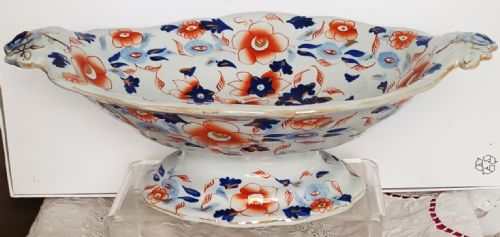
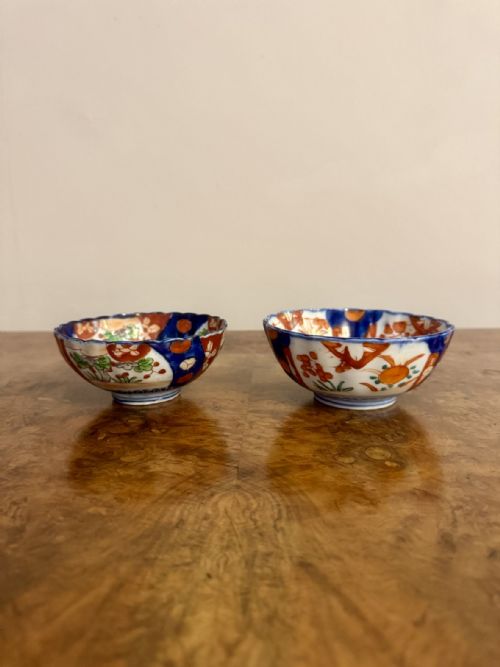
Imari pattern dishes bring rich iron-red, cobalt blue and gold leaf decoration to a table, combining Japanese export traditions with English porcelain and ironstone.
Imari Pattern Dishes
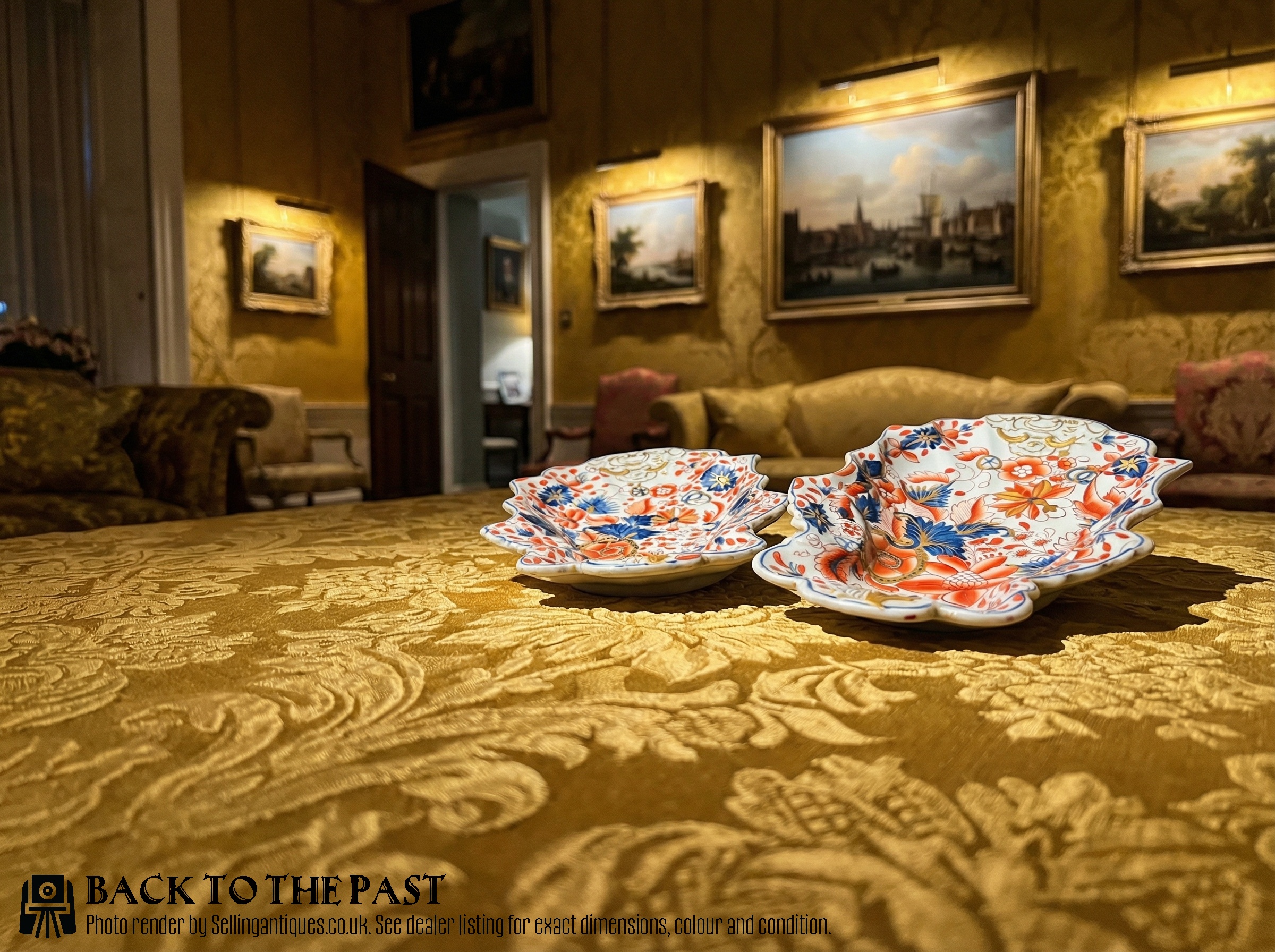
Imari pattern dishes encompass a broad selection of decorative plates, serving dishes, tureens and bowls created across the eighteenth, nineteenth and twentieth centuries. Buyers seeking these wares encounter both traditional Japanese exports and English interpretations produced by major factories.
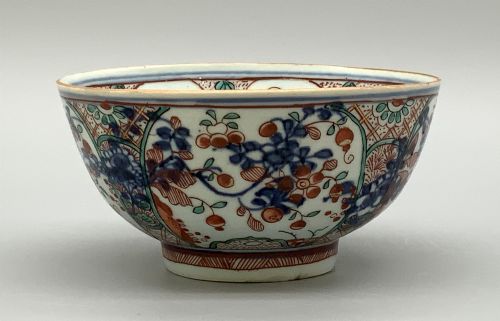
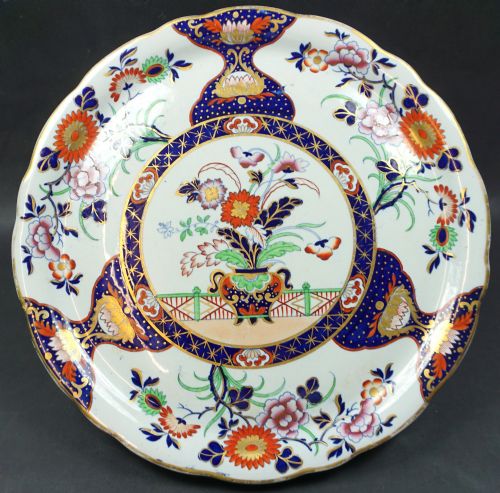
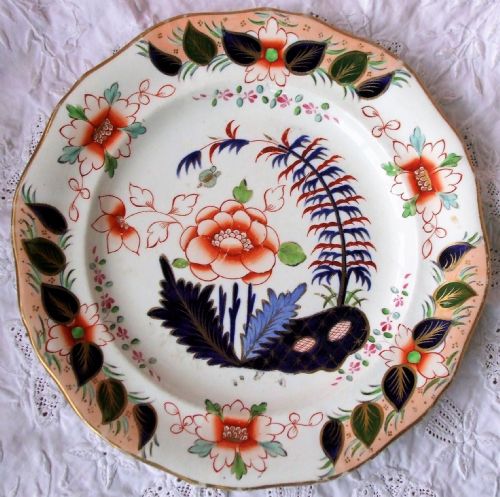
The English examples span Georgian, Regency and Victorian periods, often utilising durable ironstone or bone china alongside rich enamel painting. Alongside these domestic services, Japanese porcelain plates and bowls from the late nineteenth and early twentieth centuries appear frequently.
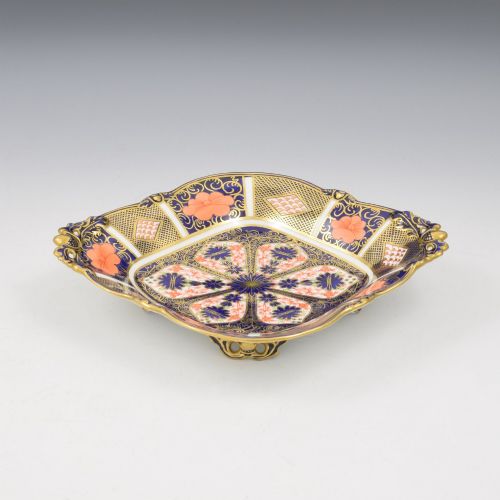
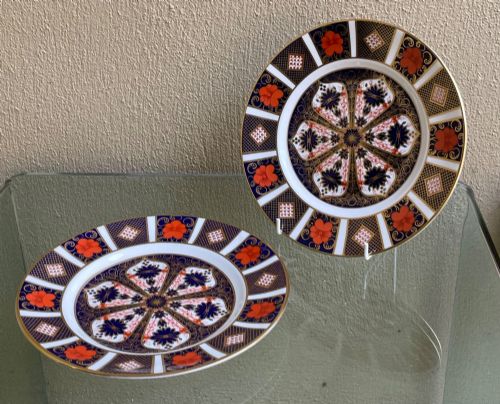
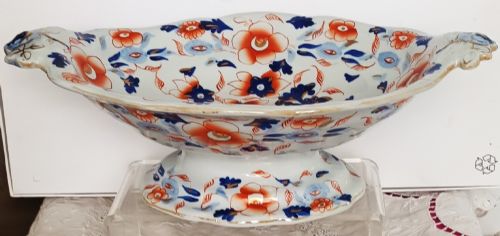
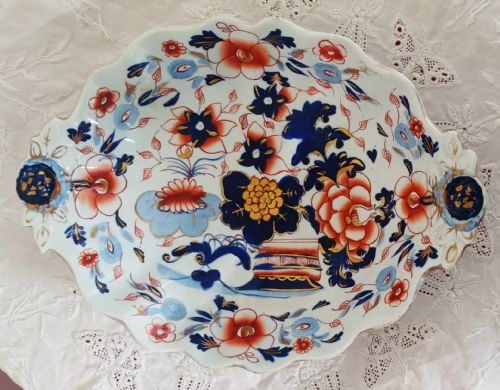
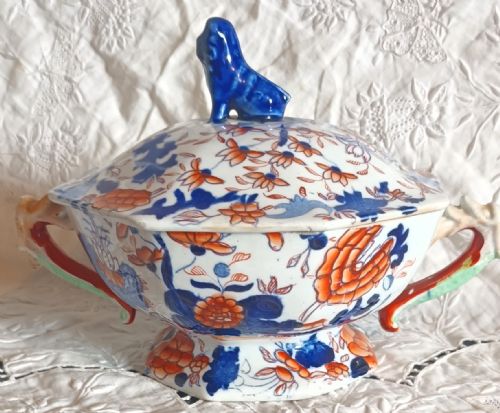
Forms range from simple round plates and scalloped dishes to footed comports, boat-shaped vessels and covered tureens. Each piece displays the distinctive palette of iron-red, underglaze blue and supplementary gilt highlights characteristic of the style.
How they were made
Potters shaped ceramic, bone china, ironstone or porcelain bodies before applying underglaze cobalt blue and firing the pieces. Enamel colours and gold leaf were subsequently added over the glaze in secondary decorative firings.
Ironstone bodies provided a heavy, robust alternative to porcelain, suiting large tureens, ashets and serving dishes intended for heavy dining room use. Fine porcelain permitted lighter forms, including pierced serving trays, delicate dessert plates and small bowls.
Several plates depict black ships, recording early Japanese encounters with foreign vessels through hand-painted ceramic art.
What varies in quality
Quality rests upon the precision of the hand-painting, the richness of the gilding and the clarity of the enamel colours across the surface. Early eighteenth-century examples and finely executed nineteenth-century porcelain show superior control in detailed compartmentalized patterns.
The weight and finish of the ceramic body also separate standard utility wares from exhibition-grade cabinet pieces. Crisp moulding on ironstone comports and delicate potting on porcelain plates indicate greater workshop care.
Royal Crown Derby·Hicks And Meigh·John Davenport Of Longport·Masons Patent Ironstone·Flight Barr And Barr·Chamberlain Worcester·John Ridgway·Minton
The Imari Pattern Dishes Glossary
- Imari Style
- A decorative scheme originating in Japan and copied in Europe, utilising iron-red, cobalt blue and gold leaf.
- Ironstone
- A dense, heavy ceramic paste patented in the nineteenth century for durable tableware and large serving vessels.
- Comport
- A raised dish or bowl used for serving fruit or dessert at the dining table.
- Tureen
- A deep covered bowl designed for serving soup, sauce or vegetables.
- Kakiemon
- An asymmetric Japanese ceramic style featuring sparse, refined enamel painting of birds and foliage.
Imari Pattern Dishes: Frequently Asked Questions
What is an imari pattern dish?
An imari pattern dish is a ceramic plate, bowl or serving vessel decorated in the traditional palette of deep underglaze blue, iron-red enamel and gold leaf.
These designs derive from seventeenth-century Japanese export wares and their nineteenth-century English interpretations.
How do I date an imari dish?
Dating depends on the ceramic body, maker's marks and painting style, moving from early Japanese export porcelain to Georgian and Victorian ironstone.
Factory backstamps on English pieces and the weight of the clay body help establish the decade of manufacture.
Were imari dishes used daily?
English ironstone imari services were built heavy and robust for practical dining table use during the nineteenth century.
Fine porcelain variations and delicate serving trays served decorative functions or dessert courses in wealthier households.
What is the difference between Japanese and English imari?
Japanese pieces utilise native porcelain bodies with traditional motifs, whereas English makers adapted the aesthetic onto ironstone, bone china and stoneware.
English factories introduced distinct regional pattern numbers and European vessel shapes while retaining the core colour scheme.