


Imari Pattern Ceramic Vase
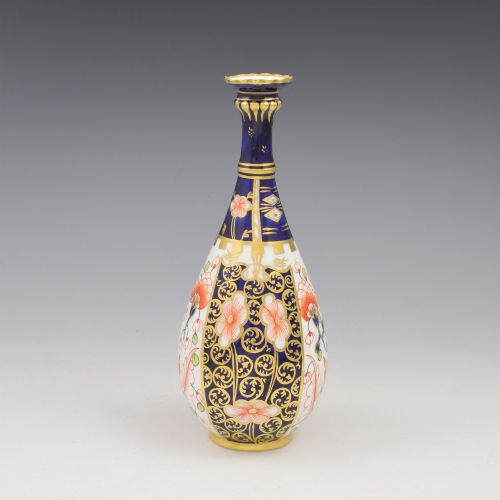
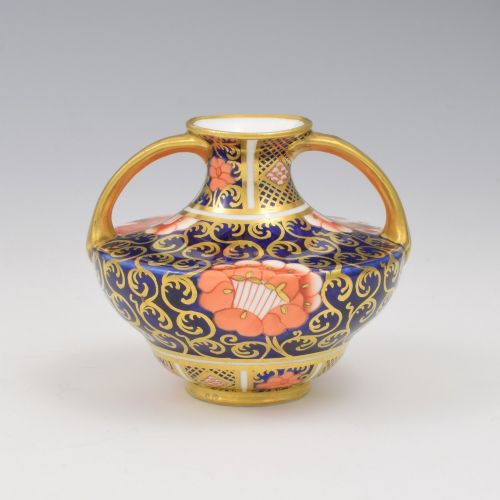
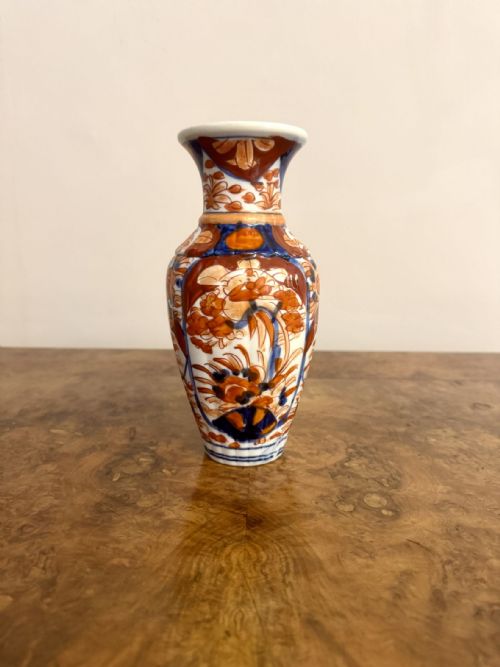
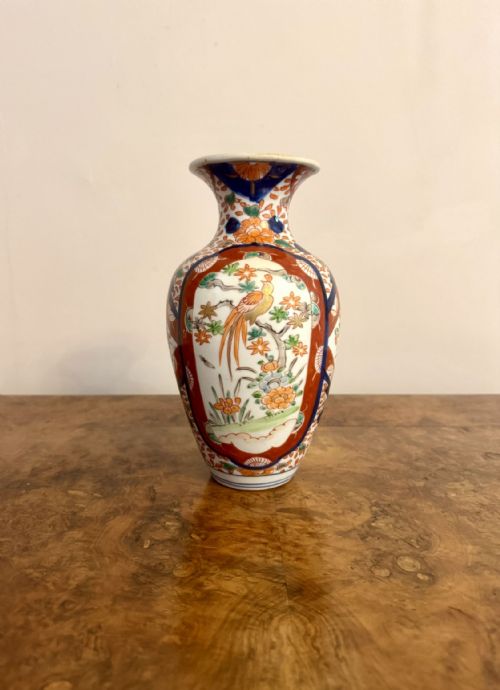
An imari pattern ceramic vase brings rich palettes of iron-red, cobalt blue, and gilding into a room, spanning Japanese export pieces and English interpretations.
Imari Pattern Ceramic Vase
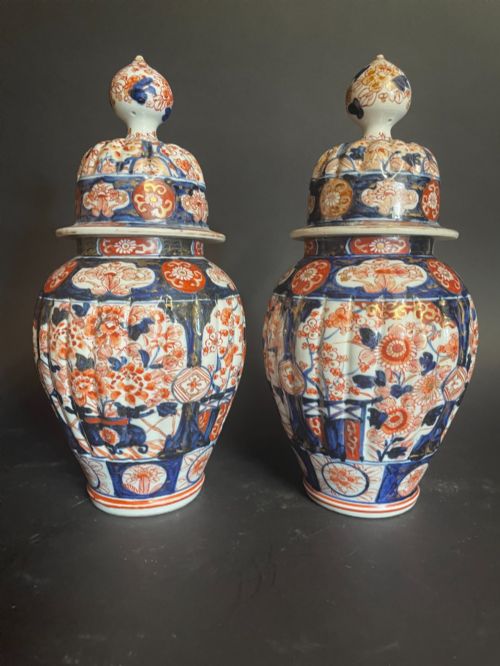
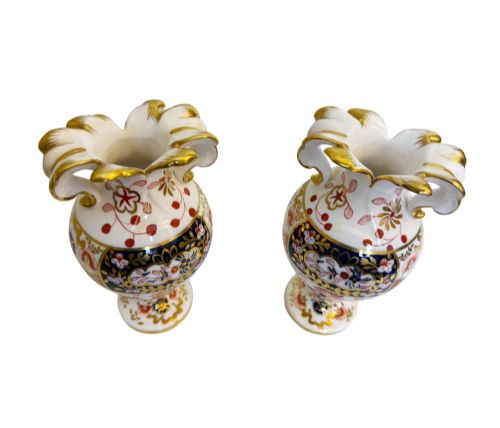
An imari pattern ceramic vase draws on a distinct decorative tradition originating in Japan and later interpreted by English potteries. When searching for an imari pattern ceramic vase, buyers encounter both imported Japanese wares and domestic porcelain or ironstone pieces produced across the eighteenth, nineteenth, and early twentieth centuries.
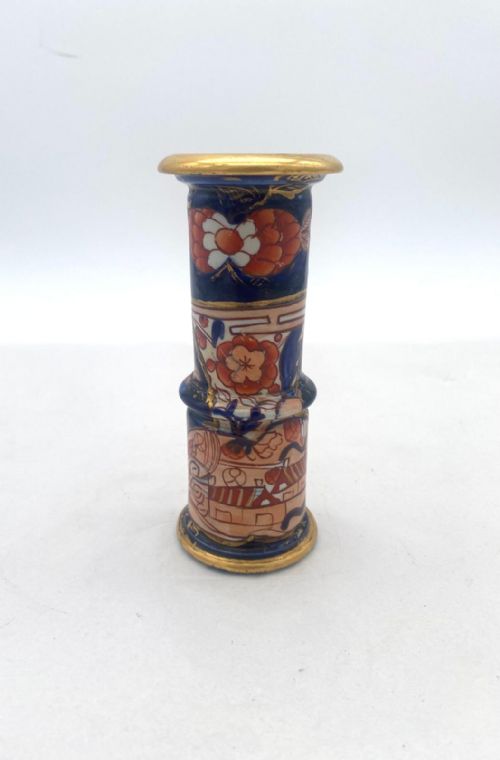
The forms vary considerably across the selection. Collectors find baluster lidded jars, twin-handled vessels, spill vases, and occasional table lamps adapted from earlier bodies.
Japanese examples often date from the Meiji period or earlier Edo and Arita traditions, while British counterparts include output from factories such as Royal Crown Derby, Spode, Masons, and Minton.
How they were made
Makers utilised porcelain, ironstone, and earthenware as foundations for these vessels. Cobalt blue underglaze work is typically applied first before the piece undergoes an initial firing.
Enamel colours, particularly iron-red and green, along with gold leaf and gilding, are added over the glaze in subsequent low-temperature firings. This layered technique creates the characteristic depth and richness associated with the style.
One nineteenth-century pattern whimsically records a crazy cow and a bengal tiger across its ceramic surface.
What varies in quality
The crispness of the underglaze cobalt painting and the precision of the overglaze enamel work dictate the visual strength of a piece. Hand-painted details executed with botanical or geometric exactness separate standard production wares from superior examples.
The application of gold leaf and gilding shows distinct variation across makers and periods. Rich, thick gilding that retains its burnished lustre indicates a higher standard of manufacture in both English and Japanese workshops.
Royal Crown Derby·Spode·Masons Ironstone·Minton
The Imari Pattern Ceramic Vase Glossary
- Imari
- A style of ceramic decoration featuring a palette of underglaze blue, iron-red, and gold, named after the Japanese port from which wares were exported. The aesthetic was widely copied by European potteries during the eighteenth and nineteenth centuries.
- Ironstone
- A heavy, durable type of earthenware patented in the nineteenth century by English manufacturers as a resilient alternative to porcelain. It frequently served as a sturdy body for intricate imari patterns.
- Baluster
- A vase form characterised by a rounded body that tapers toward the base and swells outward below a narrower neck. This shape provides a broad canvas for complex panel designs.
- Gilding
- The application of gold leaf or gold dust to the surface of ceramics to highlight rims, handles, and decorative motifs. Its preservation offers an indication of how carefully a vessel has been handled over time.
Imari Pattern Ceramic Vase: Frequently Asked Questions
How do I distinguish Japanese imari from English imari?
Japanese pieces generally employ finer porcelain bodies with characteristic foot rims and traditional export motifs rooted in Edo and Meiji aesthetics. English versions often utilise ironstone or soft-paste porcelain with patterns adapted by factories like Royal Crown Derby and Spode.
Examination of the glaze texture and any factory marks on the underside helps clarify the origin of the vessel.
What periods do these vases usually date from?
The selection spans from the eighteenth century through to the Edwardian era and the early twentieth century. Nineteenth-century pieces form a substantial portion of available stock.
Stylistic cues and manufacturing techniques help align individual vessels with specific decades, such as the Meiji period in Japan or the Regency and Victorian eras in Britain.
Were imari vases used as lamps?
Many larger vases and lidded jars have been converted into table lamps over time. This adaptation was a common practice in the nineteenth and twentieth centuries.
Buyers find both original decorative vessels and those fitted for electrical wiring within the current selection.
How should I care for an antique imari vase?
These ceramic pieces require gentle maintenance using a dry or barely damp microfiber cloth to remove dust. Avoid chemical cleaners that might damage overglaze enamels and fragile gilding.
Placement away from direct sunlight preserves the vibrancy of the iron-red pigments and cobalt blue.