







Imari Floral Porcelain
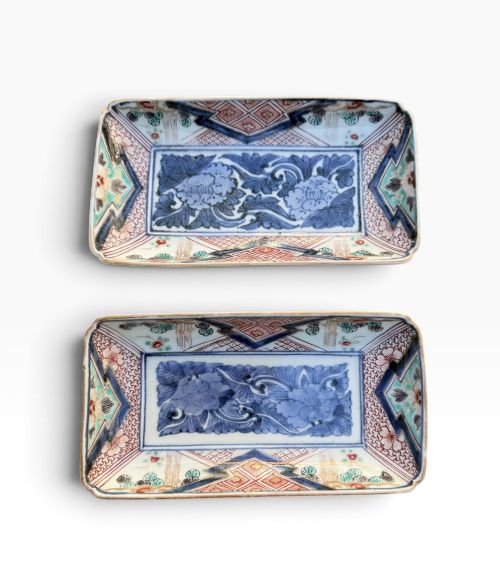
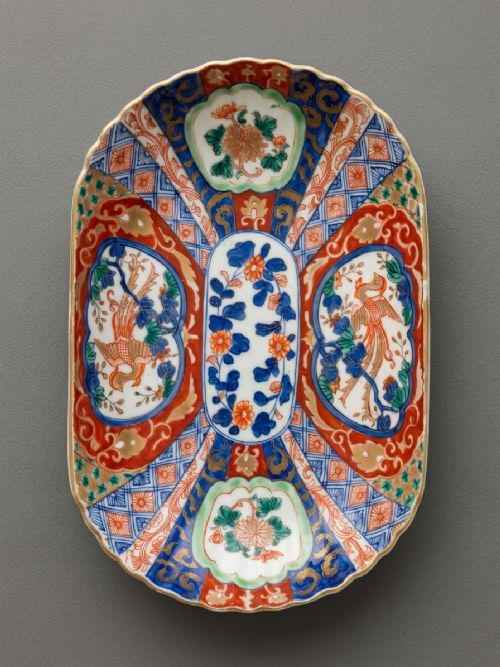
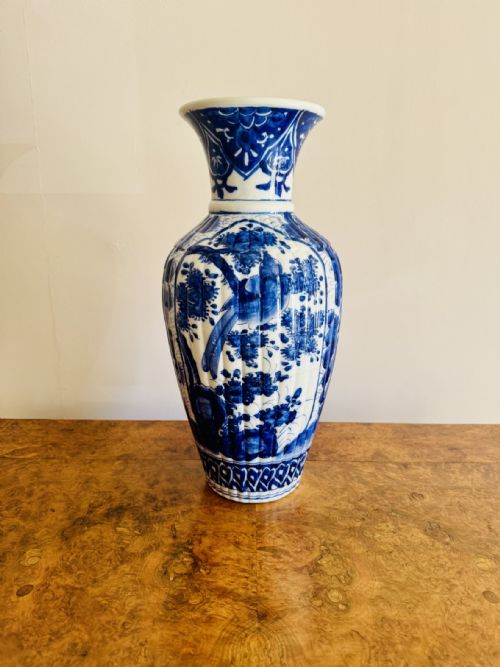
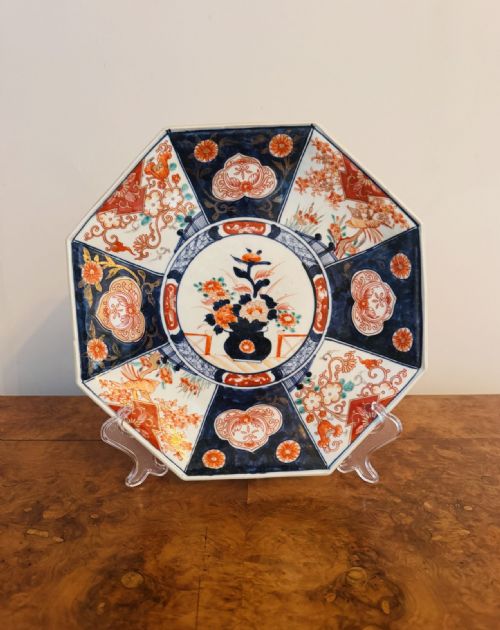
Imari floral porcelain brings together rich iron-red, cobalt blue and gold decoration across plates, chargers and vases from Japanese and English kilns.
Imari Floral Porcelain
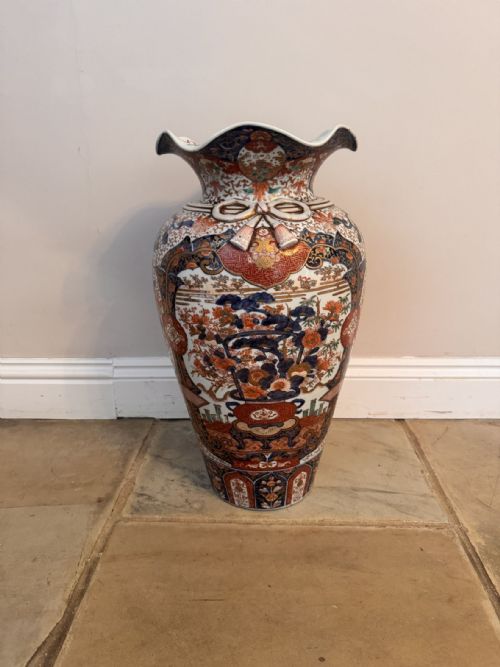
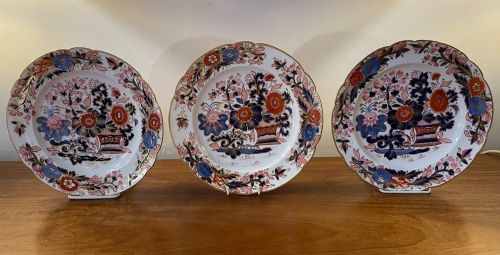
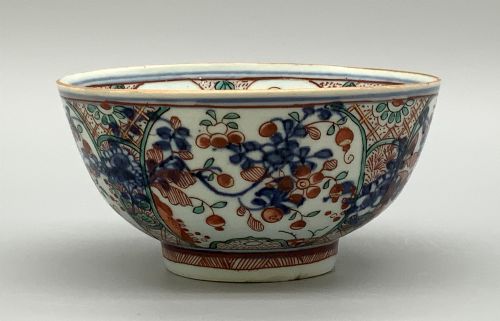
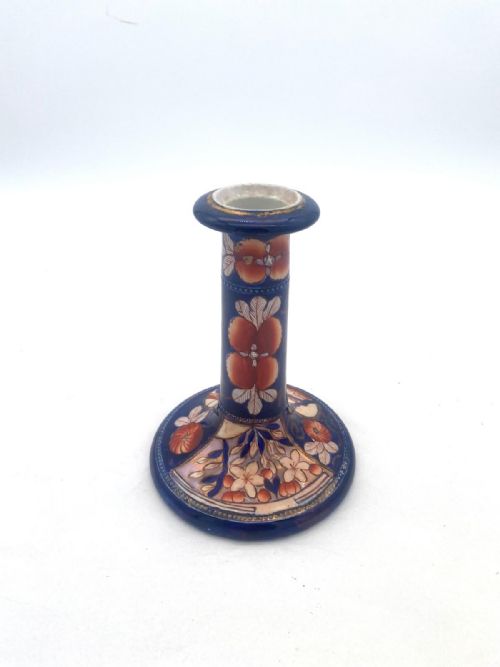
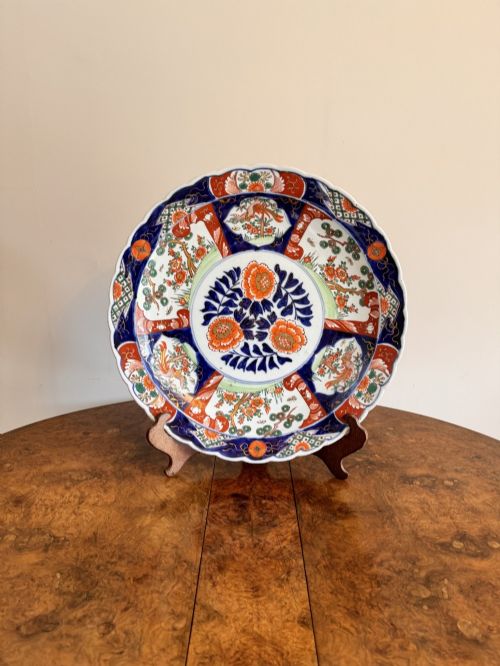
Imari floral porcelain encompasses decorative plates, chargers, bowls, jars and vases originating predominantly from Japan during the Edo and Meiji periods alongside English interpretations from the Georgian and Victorian eras. Japanese examples often display intricate panel designs on porcelain, while English counterparts frequently utilise ironstone or earthenware with similar rich palettes.
Scalloped edge dishes and hexagonal plates appear regularly alongside large floor standing vases and baluster vessels. Buyers encounter 18th century Arita pieces as well as late 19th century Meiji period output and 19th century English factory productions carrying the distinctive palette.
Materials and Technique
Potters built these vessels using porcelain, ironstone or earthenware, applying cobalt blue underglaze paint before firing the body. Artisans then added overglaze enamel colours, including characteristic iron-red and highlights in gold leaf or gilding, followed by a secondary low-temperature fixative kiln firing.
Hand colouring and glazed finishes define the surface texture of both Japanese exports and English ironstone wares. Artisans shaped intricate forms such as hexagonal plates and scalloped dishes by hand or mould, ensuring durable ceramic bodies suited to daily display or utility.
Imari Floral Porcelain Retail Price Guide 2026
Typical asking prices for imari floral porcelain among the pieces listed under this phrase on Sellingantiques today, from the lower quarter to the upper quarter. They describe what is for sale here now, not the wider market.
Listings feature Japanese Meiji period pieces alongside 18th century Arita porcelain and Victorian English ironstone.
Assessing Quality
Execution of the painted floral motifs and precision of the gilding separate standard production from exceptional examples. Crisp cobalt blue definition and vibrant, securely bonded enamel colours indicate superior artistry in both Japanese Arita wares and English pottery.
Form complexity also dictates distinction, where balanced proportions on large chargers, floor standing vases and finely moulded scalloped rims demonstrate higher technical mastery by the maker.
John Davenport of Longport·Hicks & Meigh·Keeling & Co.
The Imari Floral Porcelain Glossary
- Imari palette
- A decorative colour scheme characterised by cobalt blue underglaze combined with iron-red and gold overglaze. This distinctive combination originated in Japan and was subsequently adopted by English potteries.
- Arita
- The Japanese town and surrounding region in Hizen province where porcelain production began in the early seventeenth century. It served as the primary export centre for Japanese Imari wares.
- Meiji Period
- The era in Japanese history spanning from 1868 to 1912, corresponding with the reign of Emperor Meiji. Pieces from this time frequently demonstrate intricate hand-painted floral and panel designs.
- Ironstone
- A heavy, durable type of ceramic developed in England as a tougher alternative to porcelain. Factories utilised it extensively for plates and jugs decorated in the Imari style.
- Baluster
- A vase shape characterised by a rounded body that tapers toward the base and swells outward near the centre. This architectural silhouette frequently supports detailed floral patterns.
Imari Floral Porcelain: Frequently Asked Questions
How do I care for imari floral porcelain?
Wash these ceramic and porcelain pieces gently by hand using warm water and mild soap to protect the overglaze enamel and gold leaf.
Avoid abrasive sponges and dishwashers, which cause the delicate gilding and painted floral details to fade over time.
Are these pieces Japanese or English?
The selection includes both authentic Japanese exports from the Edo and Meiji periods and English interpretations produced by factories during the Georgian and Victorian eras.
Japanese items typically employ true porcelain, whereas many English equivalents utilise sturdy ironstone or earthenware bodies decorated with the traditional palette.
What is the difference between an imari plate and a charger?
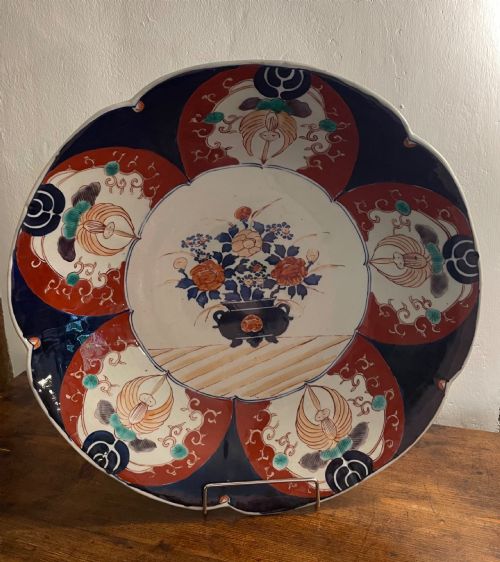
Plates generally measure a standard diameter suitable for dining or small-scale display, while chargers represent much larger decorative platters.
Chargers were traditionally intended to sit on stands or hang upon walls to showcase more complex floral and panel compositions.
How do I distinguish 18th century pieces from later items?
Earlier 18th century wares often feature distinct potting irregularities, thinner bodies and specific cobalt tones characteristic of early Arita kilns.
Late 19th century Meiji period and Victorian items generally display brighter enamels, heavier forms and more standardised manufacturing techniques.