




Imari Blue White Porcelain
Imari blue white porcelain brings together rich ceramic traditions from Japan, China, and Britain across the seventeenth, eighteenth, and nineteenth centuries.
Imari Blue White Porcelain
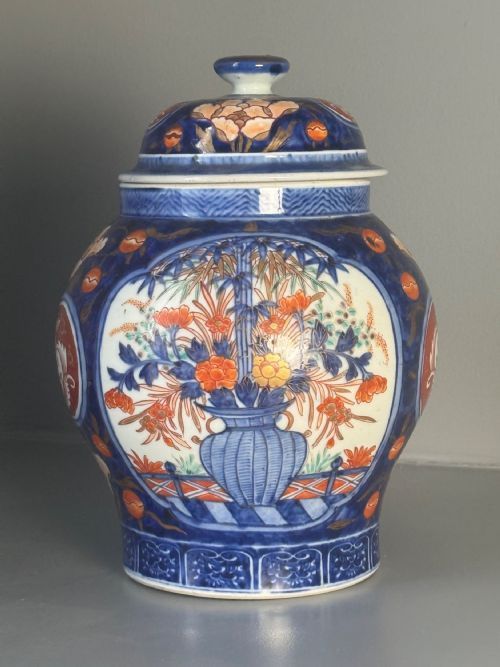
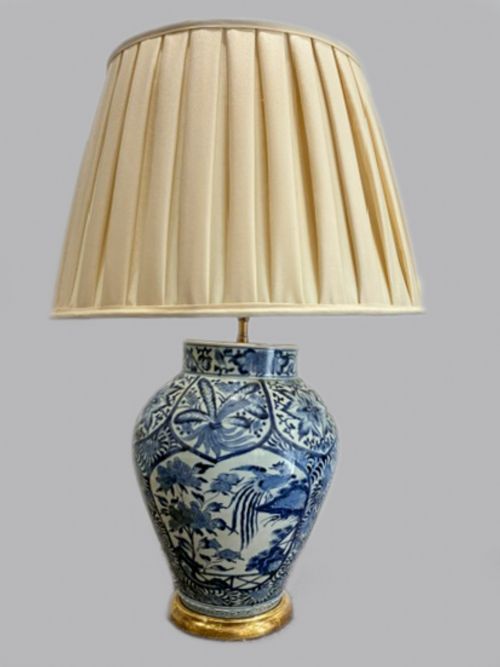
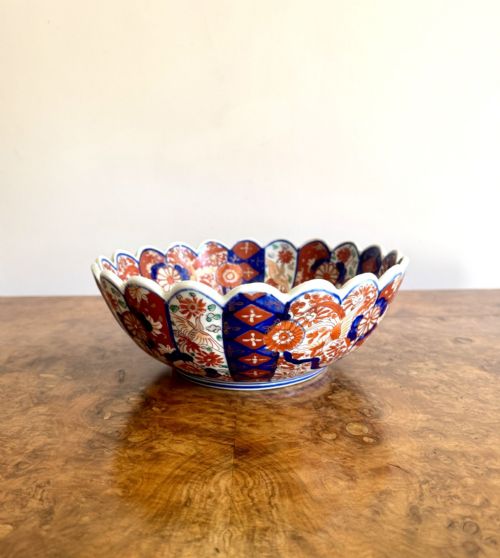
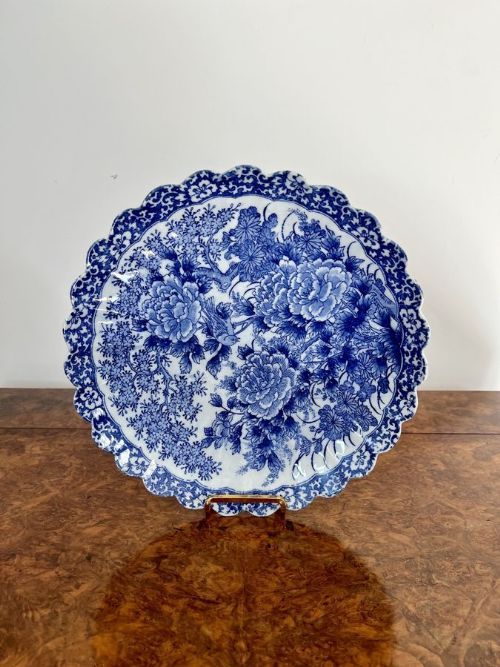
Imari blue white porcelain encompasses decorative plates, chargers, bowls, vases, and jardinières spanning the seventeenth century to the early twentieth century. Buyers encounter Japanese Arita pieces, Chinese export wares, and British adaptations in forms ranging from fish-shaped dishes to large temple jars.
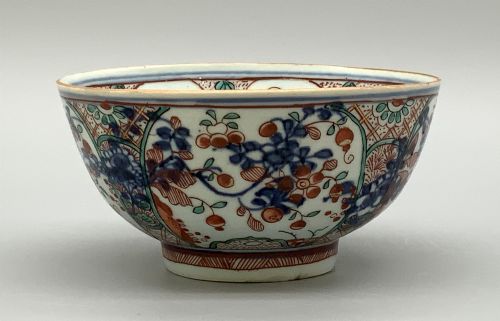
The selections on this page draw heavily on Japanese Meiji and Edo periods alongside eighteenth-century Chinese Kangxi production and Georgian British ironstone. Large chargers and scalloped plates dominate the Japanese pieces, while Chinese and British makers contribute specialised bowls, teapots, and sauce tureens.
Each object reflects cross-cultural trade and design exchange, combining traditional Eastern forms with Western utility. Whether selecting a small tea canister or a pair of large lidded vases, buyers engage with centuries of international ceramic artistry.
Materials and Techniques
Potters utilised porcelain bodies finished with cobalt underglaze to achieve the characteristic deep blue tones seen across these wares. Artisans applied hand-painted designs directly onto the clay before firing, often incorporating enamel and gold leaf highlights for added depth.
Kiln firing methods developed in Arita, Jingdezhen, and British factories allowed for the creation of durable glazed surfaces that resisted everyday wear. Skilled hands shaped plates, jars, and bowls either on the potter's wheel or within moulds before applying intricate scrolling foliate borders and figural motifs.
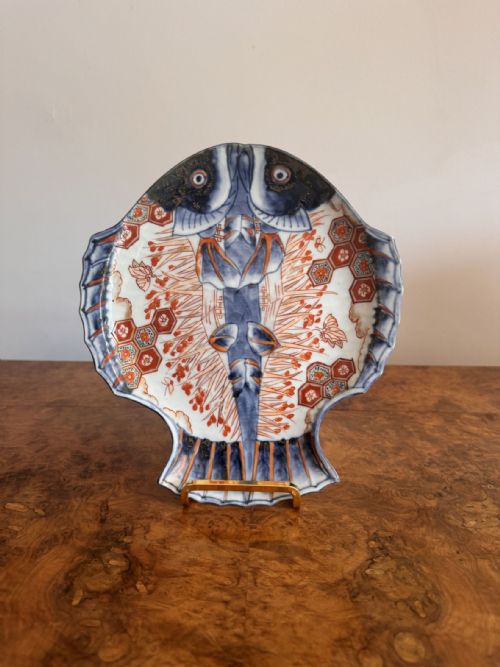
Fish-shaped plates remind us that historic potters occasionally enjoyed serving dinner on the subject of the meal itself.
Assessing Quality
Quality rests upon the crispness of the cobalt underglaze painting and the precision of hand-painted details within the scrolling foliate borders. Superior examples display controlled brushwork and balanced compositions, whereas simpler wares show more repetitive or hurried application.
The physical weight, symmetry of the porcelain body, and preservation of enamel and gold leaf details distinguish finer items from standard production pieces. Intricate forms, such as fan-shaped dishes or fish-shaped plates, demand higher levels of ceramic skill than standard circular vessels.
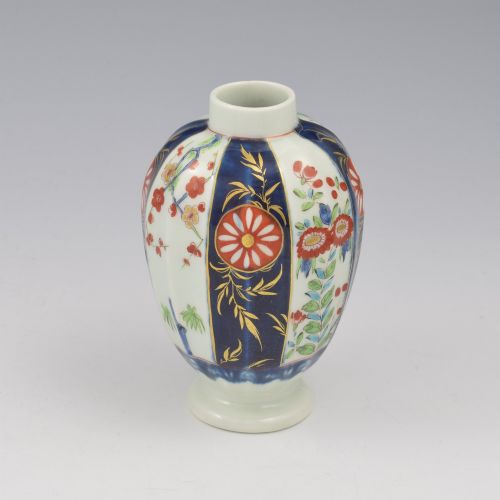
Dr Wall Worcester·Masons Ironstone·Spode
The Imari Blue White Porcelain Glossary
- Cobalt Underglaze
- A blue pigment applied to raw porcelain pottery before glazing and firing, which reacts to high temperatures to produce a permanent deep blue colour.
- Charger
- A large decorative plate intended for display on a wall or sideboard rather than for dining use.
- Jardiniere
- A large ceramic pot or bowl designed to hold growing plants or flower arrangements.
- Ironstone
- A type of heavy, durable ceramic developed in Britain as a robust alternative to true porcelain.
- Edo Period
- A period in Japanese history spanning from sixteen hundred and three to eighteen hundred and sixty-eight, noted for distinct artistic traditions.
Imari Blue White Porcelain: Frequently Asked Questions
How do I date imari porcelain?
Dating relies on examining the specific ceramic body, the shade of the cobalt underglaze, and the painting style characteristic of periods like the Edo or Meiji eras. Japanese Arita pieces from the seventeenth century exhibit different potting traits compared to later nineteenth-century adaptations.
Secondary clues include foot ring construction, glaze pooling, and any associated export marks. Comparing the decorative motifs against known historical examples helps narrow the production window.
Were these pieces used daily?
Many larger chargers, temple vases, and jardinières served purely decorative roles in domestic interiors rather than functioning as tableware. Smaller bowls, plates, and teapots saw active service in homes before entering collector markets.
Over time, fragile items like tea canisters and sauce tureens transitioned from functional dining accessories into display objects. Their survival in good condition reflects careful handling by generations of owners.
How should I display chargers?
Large chargers and decorative plates suit wall mounting using specialised secure wire hangers designed for heavy porcelain. Alternatively, sturdy plate stands allow these pieces to sit securely on open shelves or sideboards.
Placing items away from direct sunlight protects any delicate enamel and gold leaf details applied over the glaze. Adequate spacing ensures the intricate blue and white patterns remain visible focal points.