
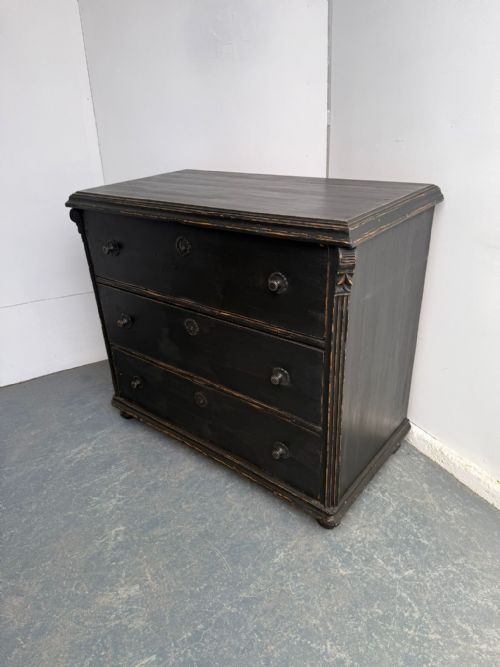
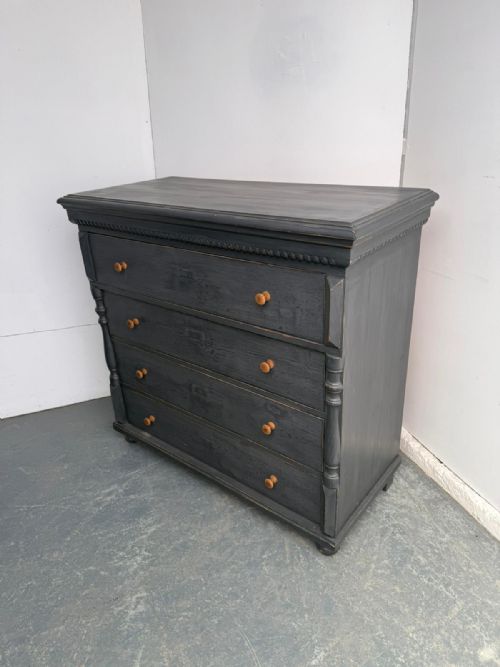
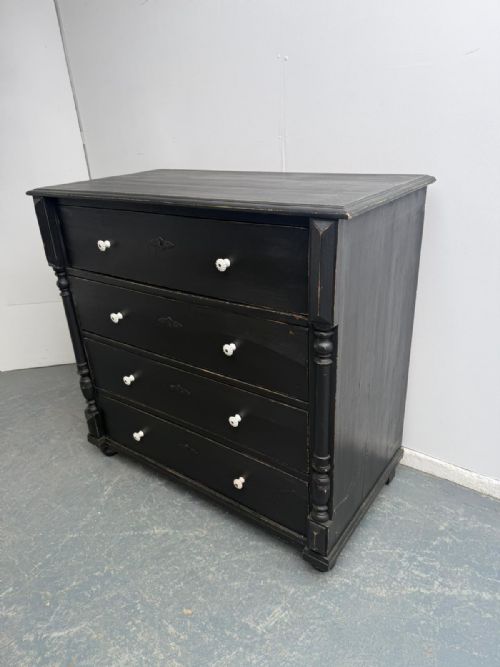

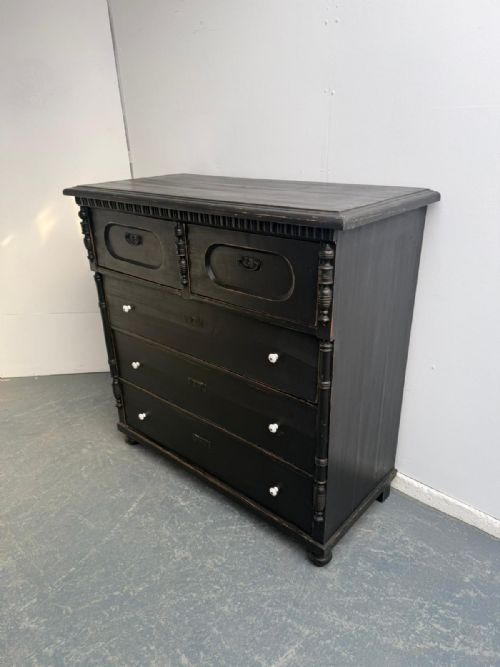
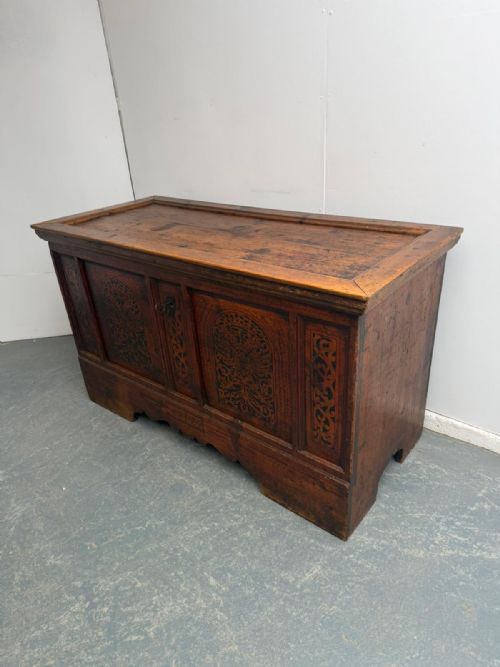


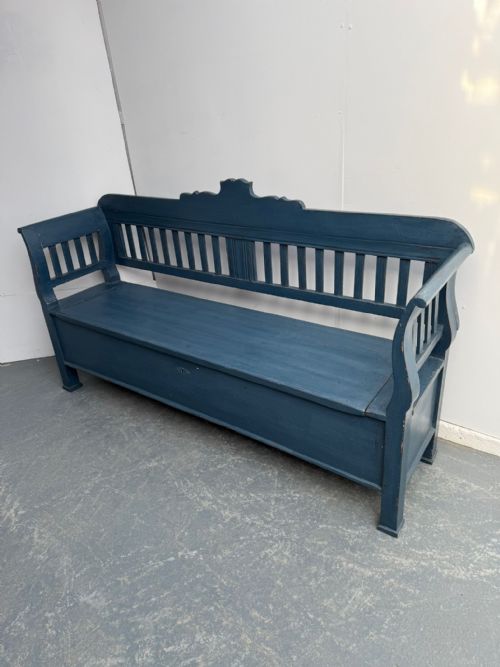


Hungarian Painted Chest
A hungarian painted chest brings vibrant folk tradition and honest utility into a room, offering generous storage wrapped in rich colour and storytelling surface design.
Hungarian Painted Chest
When you search for a hungarian painted chest, you encounter a diverse range of sturdy wooden storage pieces that span several distinct historical periods. These items cross multiple stylistic categories, including European folk art, Victorian country, and rustic country designs.
The selection here encompasses various practical forms beyond traditional blanket boxes and coffers. You will find multi-drawer chests of drawers, large mule chests, mule chests with cupboards, box settles, and multi-drawer shop fittings.
These items originate predominantly from Victorian and Georgian eras, alongside examples from the Regency period and the early twentieth century. Each piece showcases the robust joinery and utilitarian charm characteristic of Hungarian rural craftsmanship.
How they were made
Construction relies heavily on solid pine timbers, selected for availability and durability in rural workshops. Carpenters shaped these woods into robust carcases using traditional joinery methods suited to heavy daily domestic use.
Surfaces were prepared and finished with paint layers, often incorporating regional pigments that created striking black, blue, white, grey, green, teal, and cream finishes. Iron, brass, and metal hardware such as hinges and drawer pulls were added to secure and operate the lids and drawers.
Hungarian Painted Chest Retail Price Guide 2026
Typical asking prices for hungarian painted chest among the pieces listed under this phrase on Sellingantiques today, from the lower quarter to the upper quarter. They describe what is for sale here now, not the wider market.
Listings feature pine structures coated in paint, complemented by iron, brass, and ceramic hardware across Victorian, Georgian, Regency, and 1910 periods.
What varies in quality
The distinction between ordinary and exceptional examples rests upon the preservation of the original painted surface and the complexity of the piece's form. Multi-drawer configurations, such as extensive shop fittings or larger chests of drawers, require superior structural joinery to maintain alignment across numerous moving parts.
Proportion and scale also dictate distinction, where massive coffer boxes or large mule chests demand substantial timber framing. The survival of untouched regional paintwork, whether simple monochrome or detailed floral folk motifs, elevates the character of the object considerably.
The Hungarian Painted Chest Glossary
- Coffer
- A large wooden chest traditionally used for storing valuables or household goods. These heavy boxes often feature hinged lids and robust iron or metal fastenings.
- Mule chest
- A traditional storage chest distinguished by the addition of one or more drawers beneath the main lift-top compartment. This form bridges the gap between the box coffer and the chest of drawers.
- Box settle
- A wooden bench featuring high sides, a solid back, and a lift-top seat that conceals a storage compartment underneath. These dual-purpose seats served practical functions in farmhouse kitchens.
- Shop fitting
- Heavy multi-drawer cabinetry designed originally for commercial trade use rather than domestic storage. Examples range from twenty-five to fifty small drawers housed within a single pine frame.
Hungarian Painted Chest: Frequently Asked Questions
What rooms suit a painted Hungarian chest?
These pieces fit naturally into hallways, bedrooms, or living spaces where substantial storage is required. Their decorated surfaces allow them to function as focal points or functional side tables.
Smaller boxes and cupboards offer versatile placement options on tabletops or in alcoves, whilst larger chests and shop fittings anchor bigger rooms effectively.
How do I care for the painted surface?
Maintenance requires keeping the wood away from direct heat sources and excessive moisture to protect the historic paint layers. Dusting gently with a dry, soft cloth preserves the original finish without chemical intervention.
Avoid using modern liquid polishes or abrasive cleaners that might lift or dull the historic pigments and applied folk art motifs.
Are these chests genuinely old?
The pieces originate from periods spanning the Georgian and Victorian eras through to the early twentieth century. Their construction utilises aged pine and traditional hand-forged iron or brass hardware consistent with those eras.
Stylistic markers such as European folk art motifs and regional painting techniques correspond directly to historical Hungarian rural manufacturing practices.
What is the difference between a coffer and a mule chest?
A coffer consists of a single deep compartment accessed entirely via a hinged lid at the top. It represents an older, simpler form of box storage.
A mule chest incorporates one or more functional drawers built beneath the main storage well. This addition allows access to stored items without needing to lift the heavy top lid.