


Howard and Sons Settee
A howard and sons settee brings unmatched comfort and timeless English country house style into a sitting room.
Howard and Sons Settee
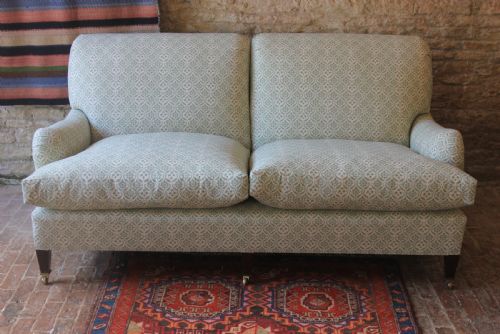
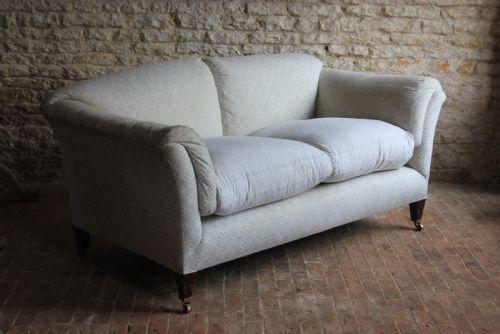
When you search for howard and sons settee, you are looking at deep-seated upholstered seating known for robust frames and exceptional comfort. The pieces listed span the nineteenth century, the Edwardian period, and later interpretations.
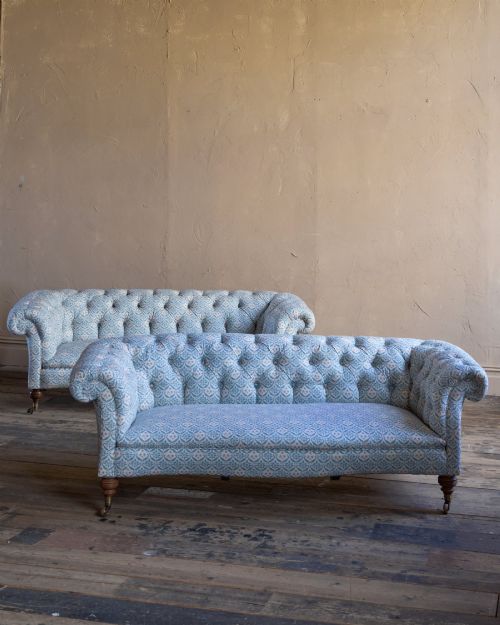
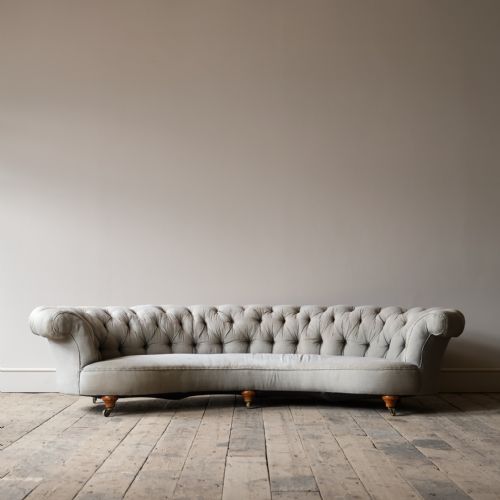
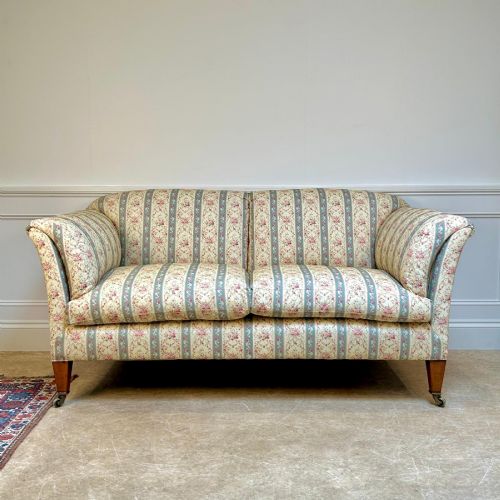
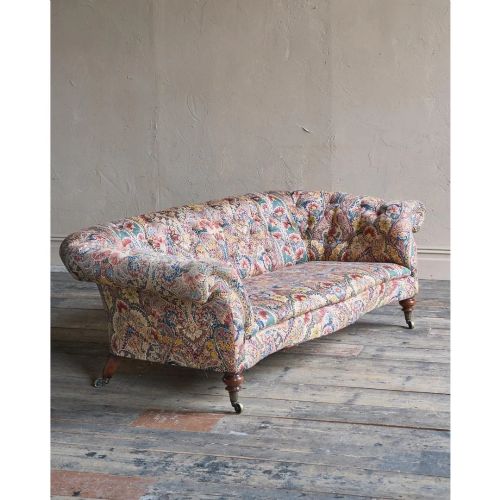
You will most frequently meet nineteenth-century Chesterfield sofas alongside specialised forms like the Crescent, Chaplin, Ivor, Portarlington, and Leeds models. These range from standard serpentine shapes to pairs of sofas and matching sets with chairs.
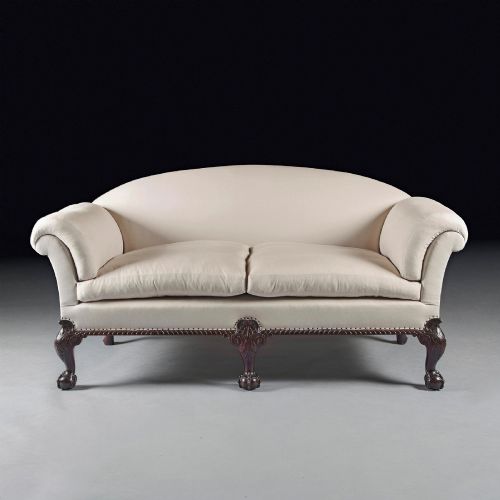
Origins include Victorian and Edwardian examples, with occasional pieces reflecting the Aesthetic Movement or Victorian Chippendale Revival styles. Walnut and mahogany feature in the support frames and legs.
What varies in quality
The distinction between standard production and the finest workshop output rests in the precision of the frame joinery and the resilience of the internal springing. Superior examples retain their original tension and supportive posture without excessive sagging.
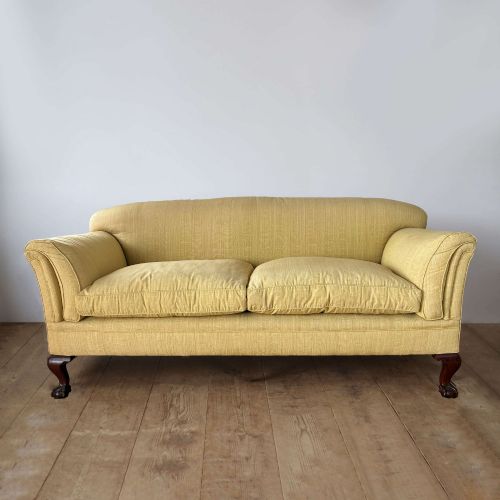
Surface preservation separates untouched pieces from heavily altered ones, particularly regarding original leather, ticking, or specific maker markings like Berners Street stamps. The integrity of carved wooden elements, such as ball and claw feet, also dictates desirability.
Some settees come with their original ticking upholstery, proving that underwear can sometimes outlive the dress.
Howard and Sons
The Howard and Sons Settee Glossary
- Chesterfield
- A large upholstered sofa with deep buttoning and arms the same height as the back. This form is common across nineteenth-century listings.
- Ticking
- A tightly woven heavy cotton or linen fabric used traditionally as a durable inner cover for upholstery. Original ticking appears on Edwardian examples.
- Ball and claw
- A furniture foot design representing a bird's talon grasping a ball, seen on Victorian Chippendale Revival and Aesthetic Movement pieces.
- Aesthetic Movement
- A late nineteenth-century design style emphasising visual beauty over narrative subject matter. Pieces from this movement incorporate distinct decorative fabrics.
Howard and Sons Settee: Frequently Asked Questions
What defines a howard and sons settee?
These pieces are characterised by deep seats, robust wooden frames, and sophisticated upholstery that prioritises comfort. They represent classic English seating design from the nineteenth and early twentieth centuries.
Buyers encounter various forms, including Chesterfield shapes, crescent designs, and specific named models like the Portarlington or Leeds. Their construction reflects traditional craftsmanship using hardwood, brass, and quality textiles.
How do I identify the period of a settee?
Dating relies on stylistic clues, frame materials, and upholstery methods visible in the piece. Nineteenth-century examples often feature traditional Chesterfield proportions, while Edwardian pieces introduce variations like the Bridgewater set or original ticking.
Examining the wood species, such as walnut or mahogany, and structural details like ball and claw feet helps narrow down the era. Maker stamps or location markers, such as Berners Street, provide definitive historical context.
Where were these settees originally used?
Historically, these settees furnished the principal reception rooms and libraries of English country houses. Their generous proportions and deep seating were designed for relaxed lounging.
Today, they function as central statement pieces in drawing rooms and studies. Their adaptable aesthetic allows them to anchor both traditional and contemporary interiors.
How should I care for leather or fabric upholstery?
Maintaining upholstered furniture involves regular gentle vacuuming to remove dust from crevices and folds. Leather requires appropriate conditioning to prevent drying, while fabric benefits from professional cleaning when necessary.
Protecting the piece from direct sunlight preserves the colour and integrity of cotton, leather, and original ticking. Ensuring proper room humidity prevents the wooden frames and internal webbing from degrading.