

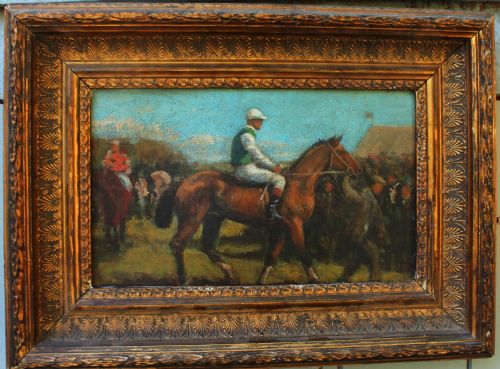


Horse Racing Artwork
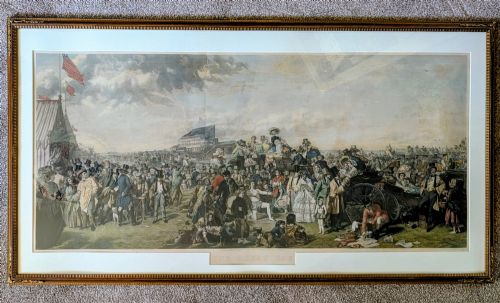
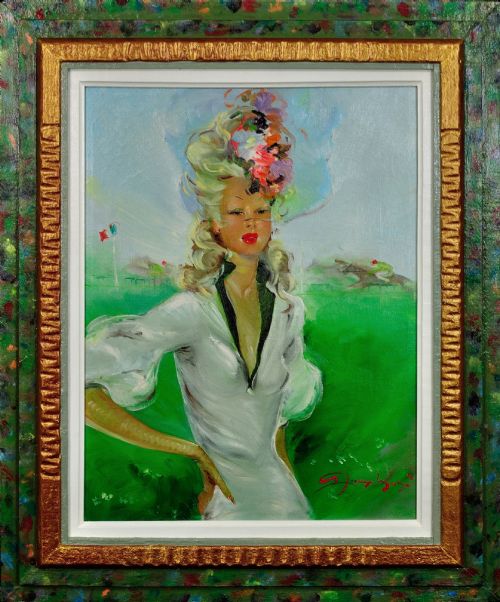
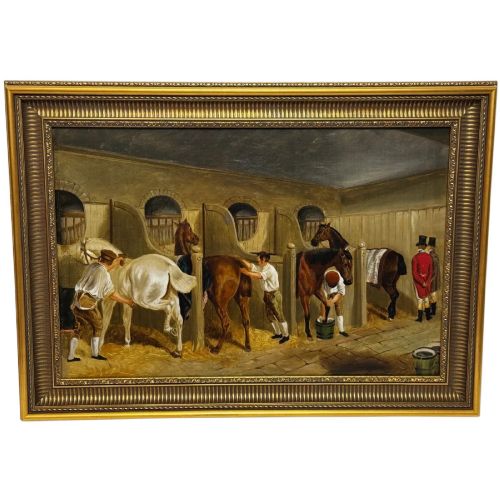
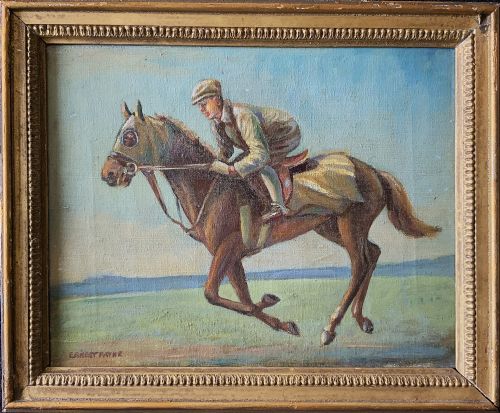
Horse racing artwork captures the speed and pageantry of the turf through oil paintings, watercolours, and early prints.
Horse Racing Artwork
Horse racing artwork spans centuries of sporting depiction, capturing notable horses, jockeys, and trackside scenes in various mediums. Buyers seek these pieces to bring the traditional atmosphere of the turf and equestrian history into interiors.
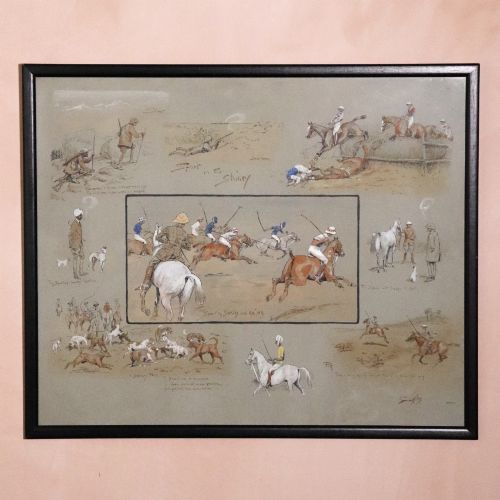
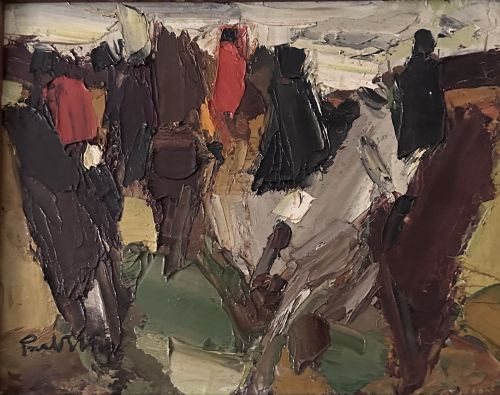
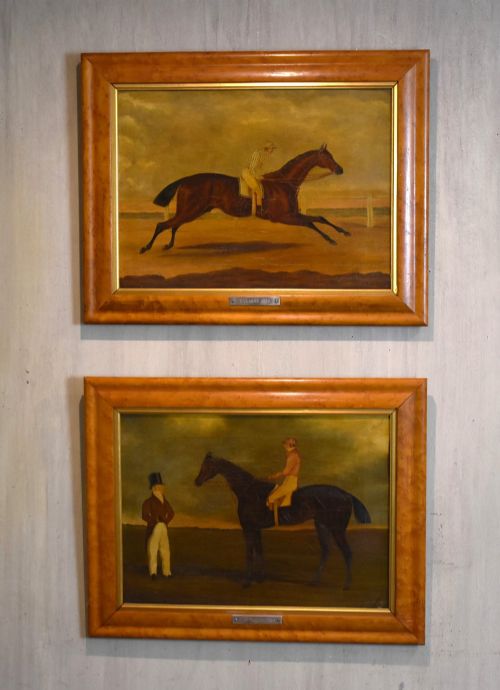
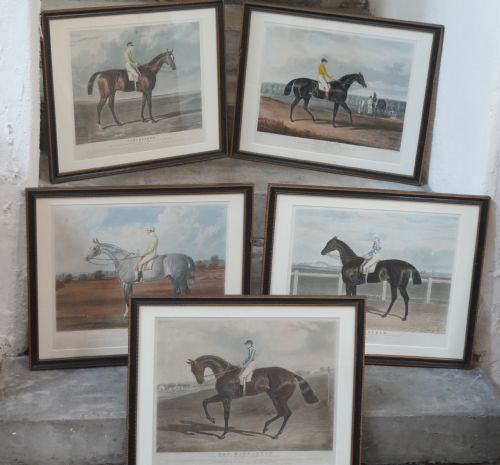
The selection ranges from Victorian oil portraits of named winners and nineteenth-century engravings to mid-century pastels and original prints by notable sporting artists. Framed prints and oil paintings dominate the available selection.
Origins stretch from British tracks like Epsom and Newmarket to international courses, encompassing both detailed topographical records and impressionistic race day captures.
How they were made
Artists employed oil on canvas, gouache, watercolor, and pastel on coloured paper to render the musculature of horses and the motion of races. Printmakers utilised engraving, chromolithography, and reverse silhouette painting on glass.
Framing often involves gilded wood or simple periods frames that complement the paper or canvas supports.
Horse Racing Artwork Retail Price Guide 2026
Typical asking prices for horse racing artwork among the pieces listed under this phrase on Sellingantiques today, from the lower quarter to the upper quarter. They describe what is for sale here now, not the wider market.
Listings feature works spanning from the eighteenth century through to the mid-twentieth century, utilising canvas, paper, glass, and silk.
What varies in quality
Quality rests upon the accuracy of anatomical drawing in the horses and the vitality of the composition during motion. Works by named artists or contemporaneous portraitists command greater attention than generic decorative prints.
The condition of the paper, canvas, or glass surface, alongside the integrity of the original framing, dictates the desirability of each piece.
William Powell Frith·John Frederick Herring Snr·Alfred Munnings·John Rattenbury Skeaping·Gabriel Dauchot·Alfred Wheeler·Charles Johnson Payne Snaffles·Isaac Cullin·Thomas Worth
The Horse Racing Artwork Glossary
- Chromolithograph
- A multicolour print produced through lithography, allowing for complex colour reproduction on paper. These were common in nineteenth-century publications.
- Gouache
- An opaque watercolour medium used by artists to create dense colour and solid forms on paper. It often appears in mid-century racing works.
- Engraving
- A printmaking technique where an image is incised into a metal plate, holding ink for transfer onto paper under pressure. Sets of these often depict racing sequences.
- Needlework
- A textile picture stitched with silk thread onto canvas or fabric, depicting detailed scenes such as race tracks. These require careful preservation behind glass.
Horse Racing Artwork: Frequently Asked Questions
How do I identify a Victorian racing print?
Victorian racing prints often feature hand-coloured details on paper, depicting named horses, jockeys, or famous courses like Epsom. They frequently appear in original timber or gilded frames.
Paper toning and printing techniques characteristic of the nineteenth century help confirm the period when examining the margins.
What subjects are common in these artworks?
Common subjects include champion racehorses with their jockeys up, starting line tensions, and panoramic views of tracks on race days. Portraits of specific winners record turf history.
Artists also captured the social aspects of the paddock and stands, alongside steeplechasing and point-to-point events.
How should I care for antique paper prints?
Paper prints require protection from direct sunlight to prevent fading of the inks and watercolours used in hand-colouring. Keeping them away from excessive moisture preserves both the paper and the original frame.
Glazing should ideally use UV-filtering glass where possible during any necessary reframing.
Are these works original or reproductions?
The selection includes original one-off oil paintings, pastels, and gouaches alongside vintage and antique prints produced in period runs. Each listing details the specific medium used by the artist or printmaker.
Signatures, dates, and plate marks assist in distinguishing original prints from later restrikes.