



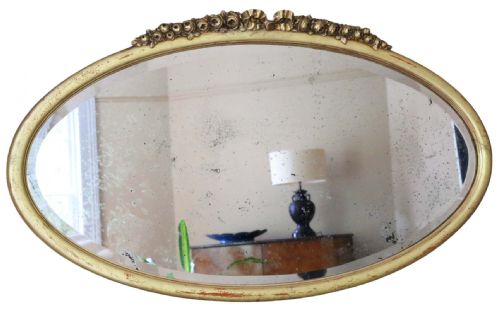
Horizontal Gilded Mirror
A horizontal gilded mirror brings light and presence to a room, drawing the eye along its wide frame.
Horizontal Gilded Mirror
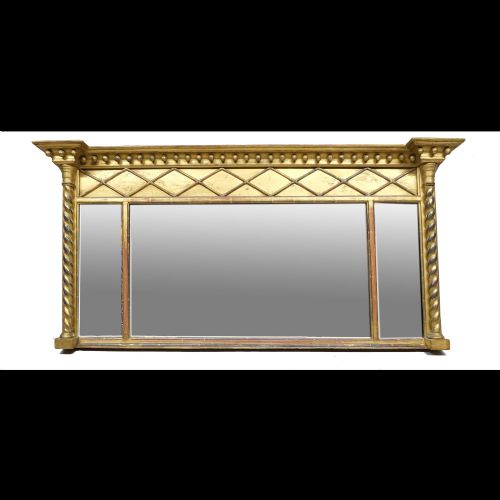
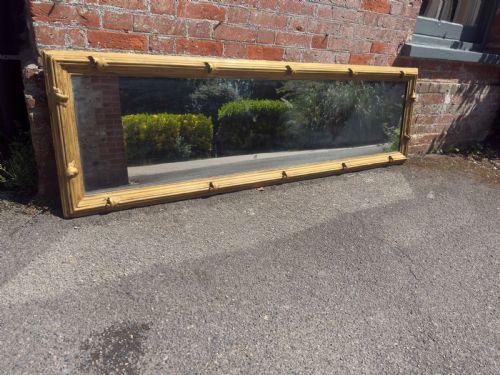
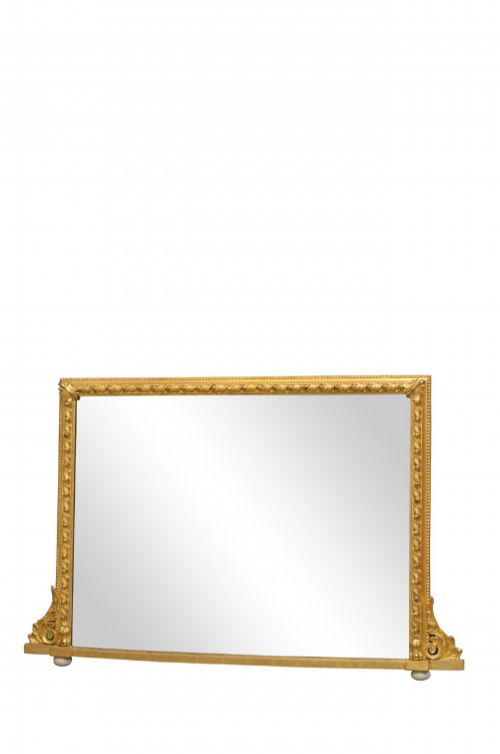
A horizontal gilded mirror serves primarily as an overmantel mirror or a wide wall mirror designed to hang above a fireplace or sideboard. These pieces span several distinct periods including the Regency, Victorian and Art Deco eras, with nineteenth-century examples appearing most frequently.
The forms vary from simple oval and rectangular formats to elaborate tryptic and triple-plate configurations. Makers constructed these items using wood, gesso and composition, finished with gold leaf or paint.
Buyers will encounter distinct stylistic influences across the selection, ranging from Neoclassical and Rococo Revival details to clean lines from later decades. Each piece reflects the interior design priorities of its specific period.
Materials and Construction
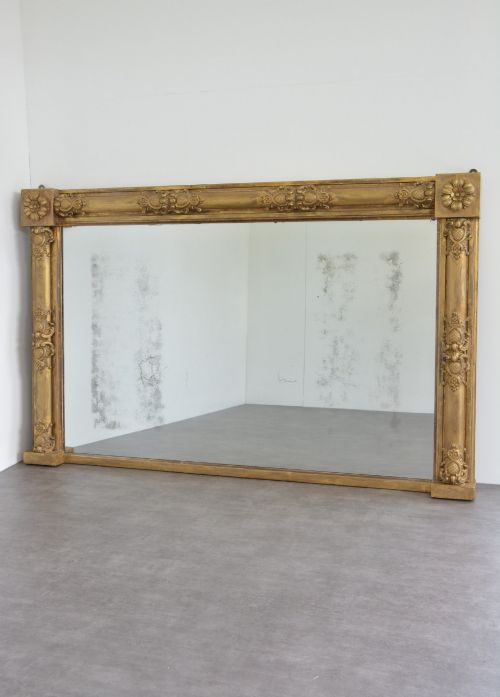
Makers built the foundational framework using timber such as mahogany, walnut, birds-eye maple, or carved wood, applying gesso and composition ornaments to create relief decoration. Artisans then laid gold leaf or paint over the prepared surfaces to achieve the characteristic metallic finish.
Glass plates were set within the frames, sometimes featuring bevelled edges or showing age such as light foxing. The structural joinery and carving techniques reflect the standards of nineteenth-century and early twentieth-century workshops.
Some nineteenth-century mirrors still hold faint traces of workshop chalk on their backs, left behind by the hands that gilded them.
Distinctions in Quality
The refinement of the carved wood details and the crispness of the gesso and composition ornamentation separate standard examples from finer works. Superior pieces display deeply carved motifs and precise application of the gold leaf.
The retention of original glass and untouched surface finishes contributes significantly to the integrity of an example. Construction depth and the complexity of multi-plate configurations, such as tryptic designs, also distinguish the range.
The Horizontal Gilded Mirror Glossary
- Giltwood
- Wood that has been coated with gold leaf or gold paint. This finish creates a luminous surface that catches the ambient light in a room.
- Gesso
- A plaster-like mixture applied to wooden frames as a base for moulding and gilding. It allows artisans to shape intricate relief ornamentation.
- Composition
- A moulded material made from whiting, linseed oil, resin and glue. Workshops used it to press decorative details onto mirror frames quickly.
- Overmantel mirror
- A wide mirror designed specifically to hang on the wall above a fireplace mantelpiece. Its horizontal proportion matches the width of the fireplace below.
- Tryptic
- A mirror featuring three distinct glass panels arranged side by side. This format divides the reflection and broadens the visual span.
Horizontal Gilded Mirror: Frequently Asked Questions
Where should I hang a horizontal gilded mirror?
These mirrors traditionally sit above a fireplace mantelpiece, where their wide proportions balance the hearth below. They also function effectively above large sideboards or low console tables in a dining room or hallway.
Positioning the glass opposite a window maximises the reflection of natural light into the space. Ensure the wall fixings can support the substantial weight of a wood and gesso frame.
How do I identify a Regency period mirror?
Regency pieces often display classical architectural motifs, bold gilding, and specific frame configurations like the tryptic layout. The proportions reflect early nineteenth-century design aesthetics.
Examining the construction methods and the materials beneath the surface helps confirm the period origin.
What does foxed glass mean?
Foxed glass refers to mirrors that have developed speckled age spots or a mottled appearance within the reflective backing over time. This natural oxidation process occurs as air reaches the silvering behind the glass.
Many collectors appreciate this characteristic as a sign of genuine age rather than a defect.
Are these mirrors heavy?
Solid wood construction combined with gesso, composition, and thick glass makes these items quite heavy. Proper wall anchors and sturdy brackets attached directly to wall studs are essential for safe hanging.
Professional installation is recommended for the larger overmantel formats.