

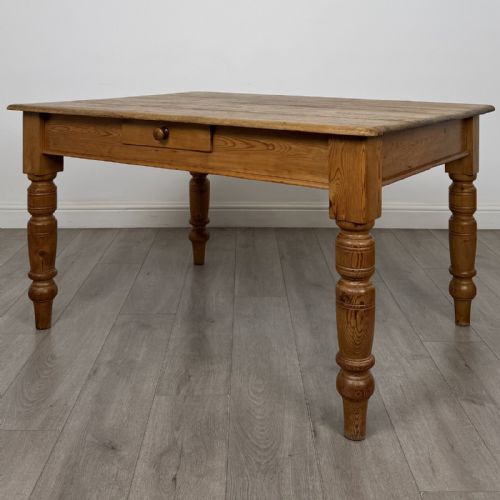
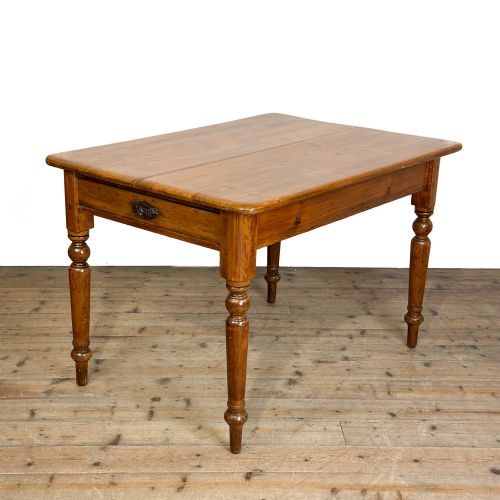
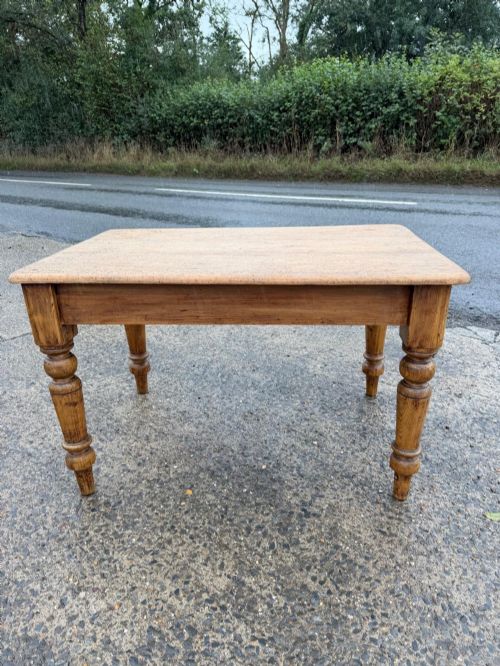
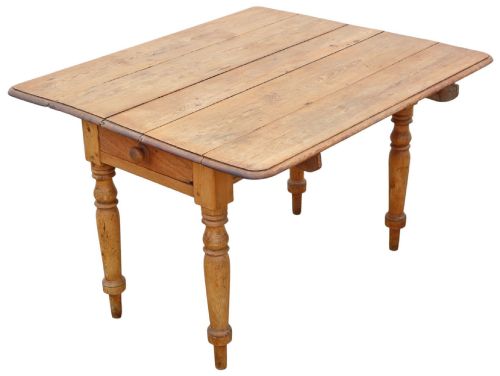
Honey Pine Table
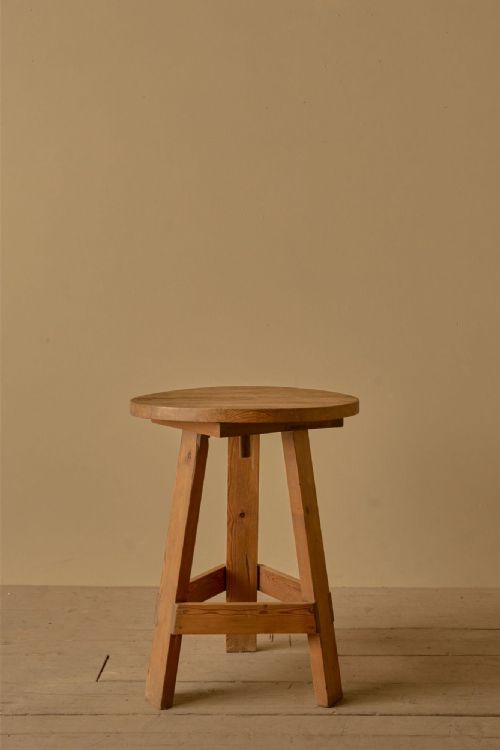
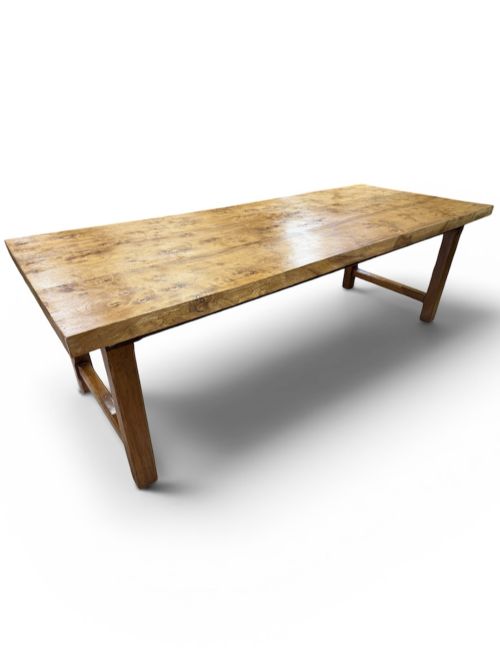
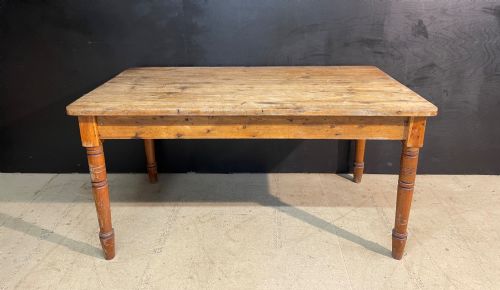
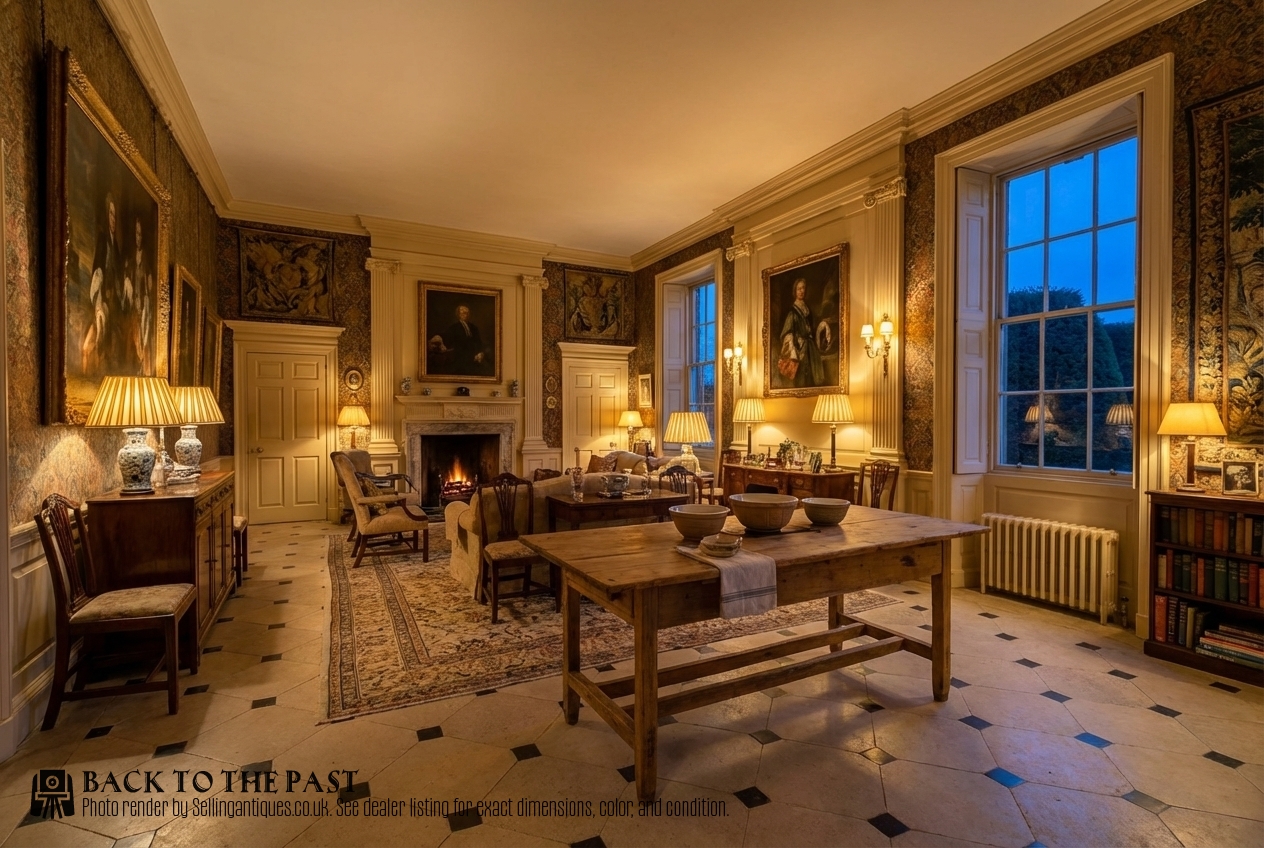
A honey pine table brings warmth and honest utility into a room, coming in forms from large kitchen prep boards to compact coffee tables.
Honey Pine Table
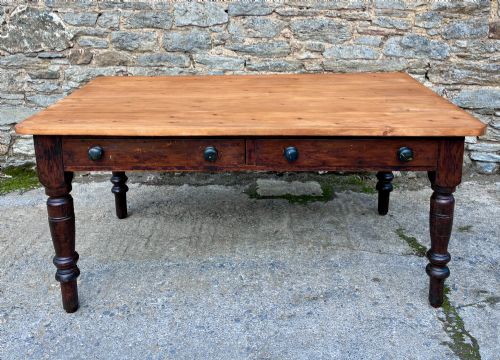
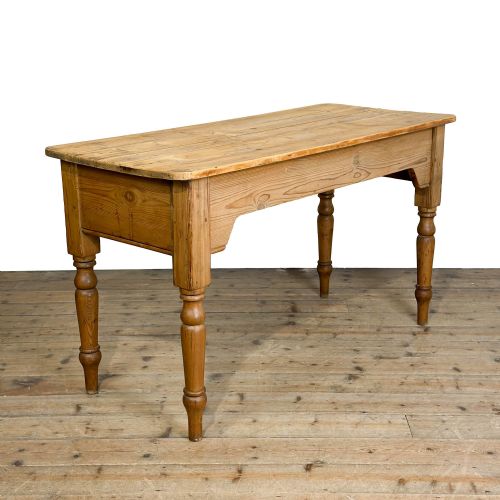
A honey pine table is a practical piece of wooden furniture designed for daily use in kitchens, dining rooms, and sitting areas. When you search for a honey pine table, you encounter domestic items built primarily during the nineteenth and twentieth centuries, spanning periods from the Victorian era through the Edwardian years and into the 1930s.
How they were made
Construction relies heavily on solid pine and pitch pine timbers, sometimes complemented by secondary woods like ash or combined with brass hardware and iron components. Makers shaped these domestic pieces using traditional joinery, often leaving surfaces waxed to protect the wood while highlighting the natural grain and warm tone.
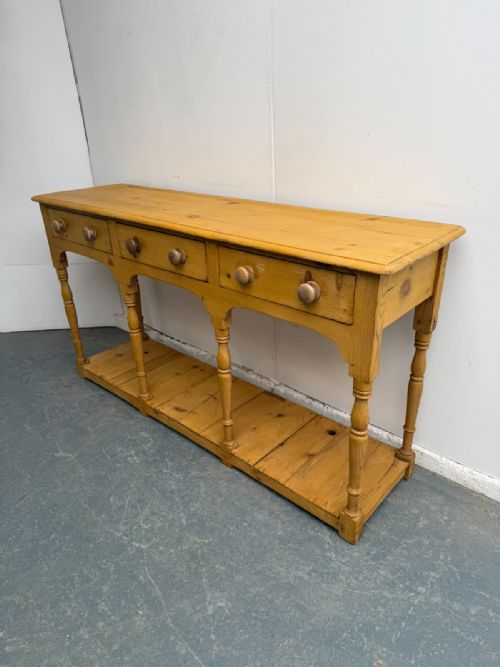
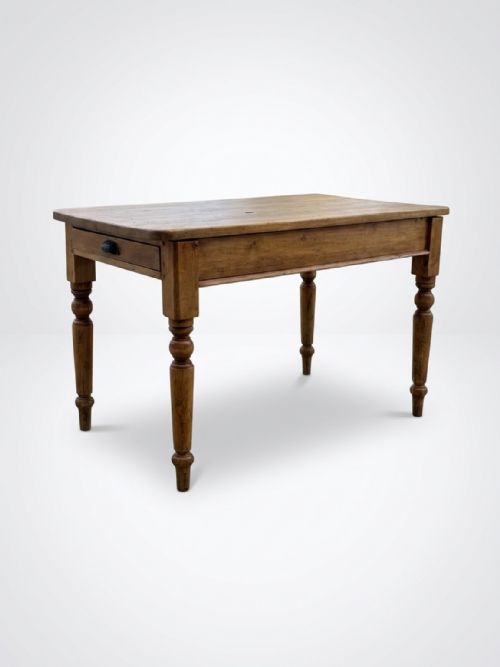
Many examples incorporate functional elements such as drawers with front friezes, pot shelves, or folding drop leaves designed for flexible daily service in sculleries and kitchens.
Honey Pine Table Retail Price Guide 2026
Typical asking prices for honey pine table among the pieces listed under this phrase on Sellingantiques today, from the lower quarter to the upper quarter. They describe what is for sale here now, not the wider market.
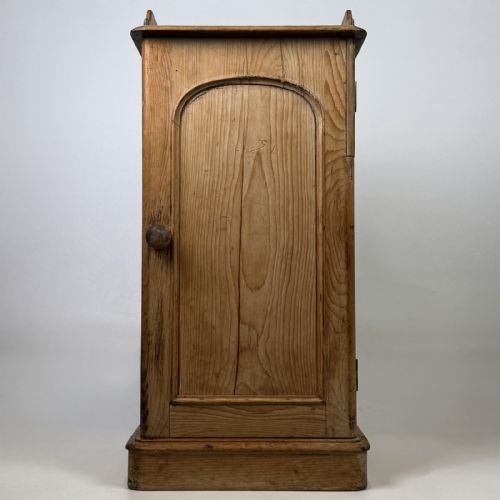
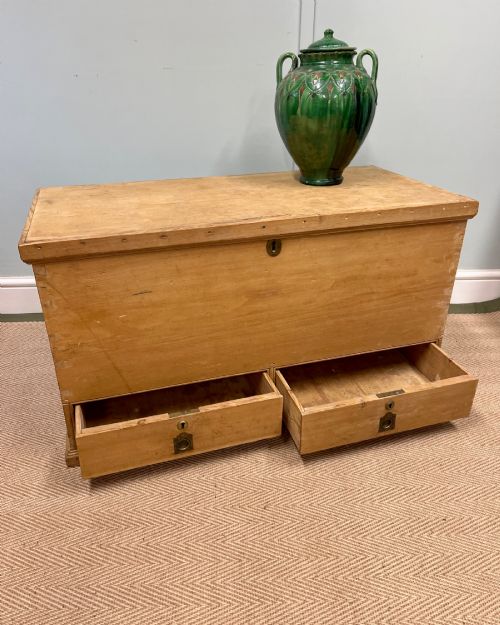
A cute, waxed Victorian box waits quietly among the tables, ready to hold secrets.
What varies in quality
Quality in these tables rests upon the selection of timber and the integrity of the original construction, distinguishing heavy domestic workhorses from lighter occasional items. Thicker solid pine boards, substantial framing, and intact period hardware indicate a higher grade of manufacture intended for rigorous household tasks.
The degree of preservation in the waxed finish and the subtlety of proportion in turned legs or drawer assemblies also separate standard utility furniture from finer examples.
The Honey Pine Table Glossary
- Pitch pine
- A dense, resinous softwood commonly utilised for nineteenth-century farmhouse tables and washstands. It offers greater durability and a pronounced grain pattern compared to standard softwoods.
- Drop leaf
- A table top configuration featuring hinged flaps that fold down to save space. This mechanism allowed kitchens and sculleries to expand surface area only when needed for preparation or dining.
- Refectory table
- A long, narrow dining table originally designed for communal meals. Nineteenth-century interpretations in pine provide substantial length for seating multiple people.
- Washstand
- A dedicated piece of chamber furniture often adapted as a side table. These items frequently incorporate lower shelves or small surfaces suited to basins and jugs.
- Frieze drawer
- A storage compartment integrated directly beneath the upper surface of a table. It sits within the horizontal framing member known as the frieze.
Honey Pine Table: Frequently Asked Questions
What periods do these tables come from?
The listings span the Victorian era, the Edwardian period, and into the early twentieth century, specifically covering dates from the early 1800s through the 1930s.
Most pieces date from the nineteenth century, reflecting the peak period of practical pine furniture production in British homes and farmhouses.
How were honey pine tables originally used?
These tables served central roles in domestic life as kitchen preparation spaces, farmhouse dining boards, and scullery work surfaces. Smaller variants functioned as side tables, desks, or coffee tables in sitting rooms.
Their robust construction made them ideal for heavy daily tasks involving food preparation, writing, and household chores.
Are all these tables made of pine?
The primary material is pine, including standard pine and denser pitch pine variants. Some items incorporate secondary woods such as ash, alongside functional details in brass and iron.
Ceramic and glass elements occasionally appear on related washstands and bedside cabinets associated with the same periods.
How do I identify a farmhouse table?
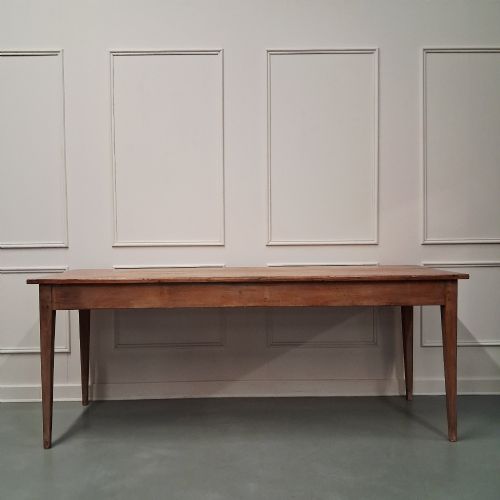
Farmhouse tables typically feature heavy solid pine tops, sturdy legs, and often a practical drawer set into the front frieze. They emphasise utility and sturdy construction over delicate ornamentation.
Sizes range from compact kitchen tables to large dining boards capable of seating six or more people.