

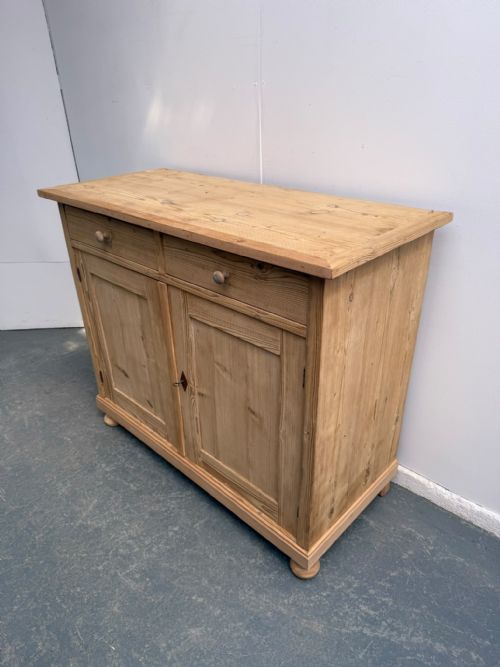
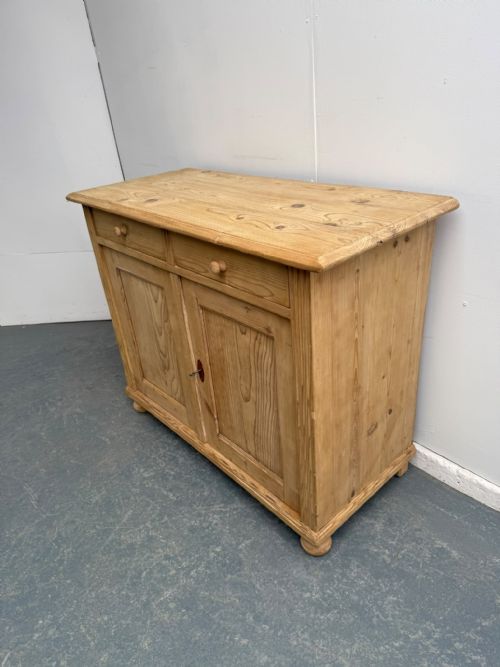
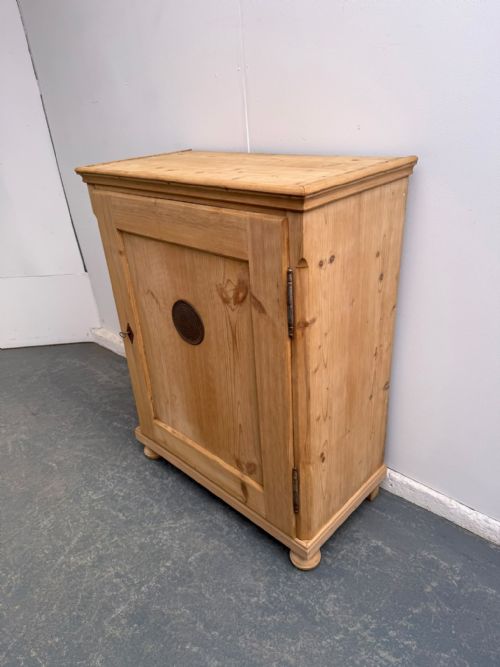
Honey Pine Storage Cupboard
A honey pine storage cupboard brings domestic warmth and honest utility into a room, offering robust storage built from timber with a warm grain.
Honey Pine Storage Cupboard
When you search for a honey pine storage cupboard, you encounter practical utility furniture designed to hold provisions, linens or garments. These pieces span Georgian, Victorian and early twentieth-century periods, reflecting generations of domestic use.
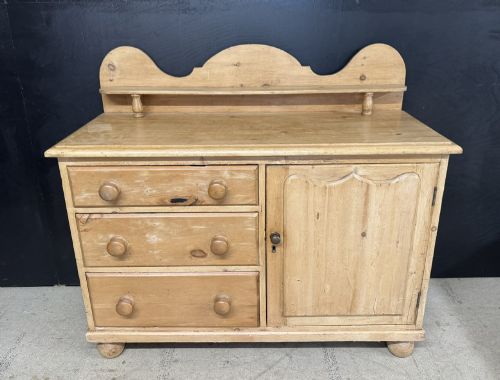
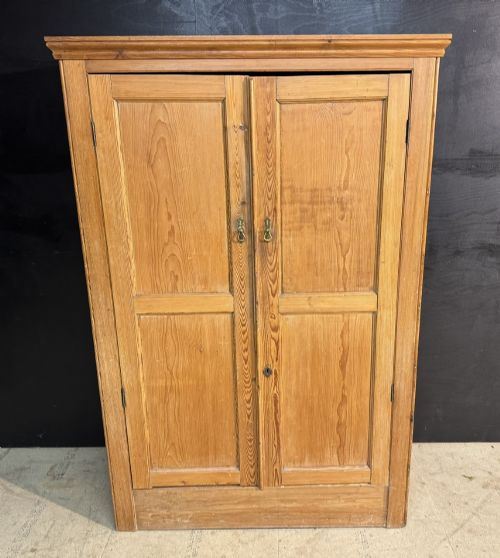
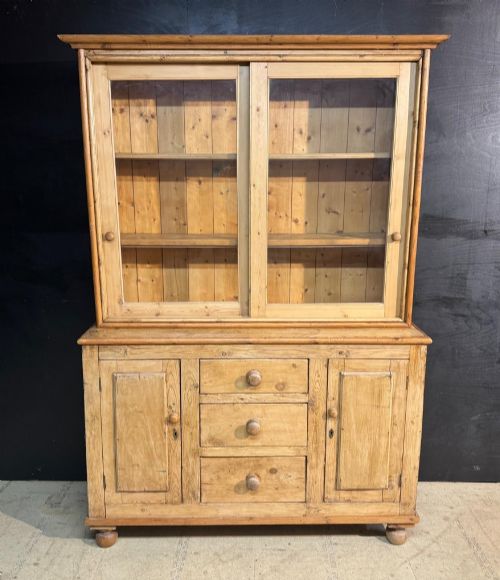
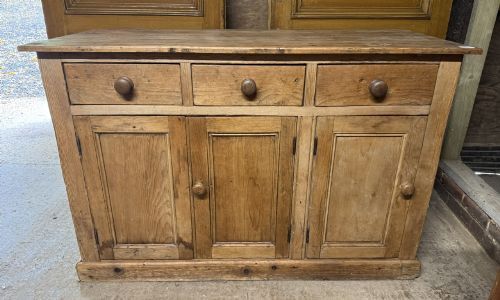
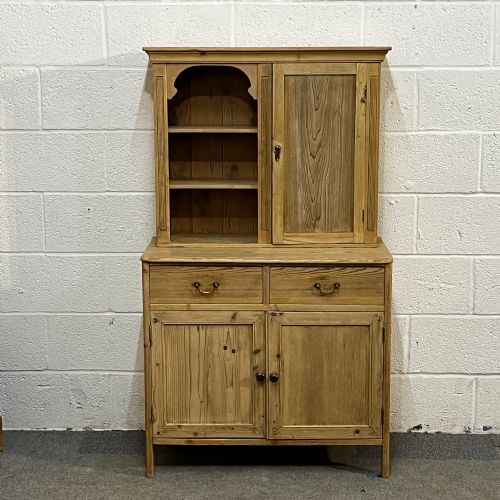
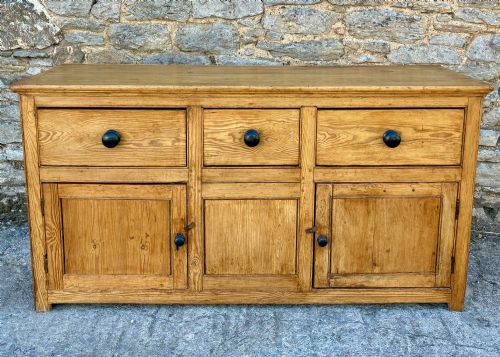
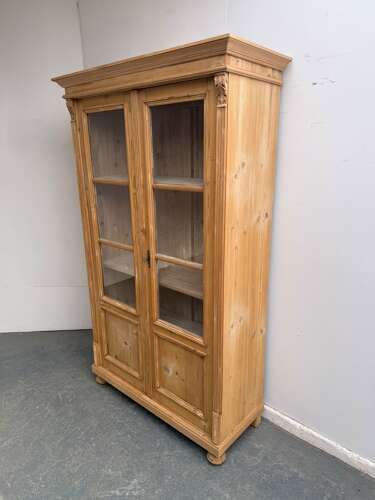
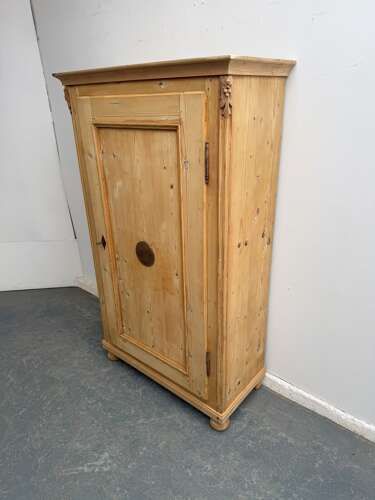
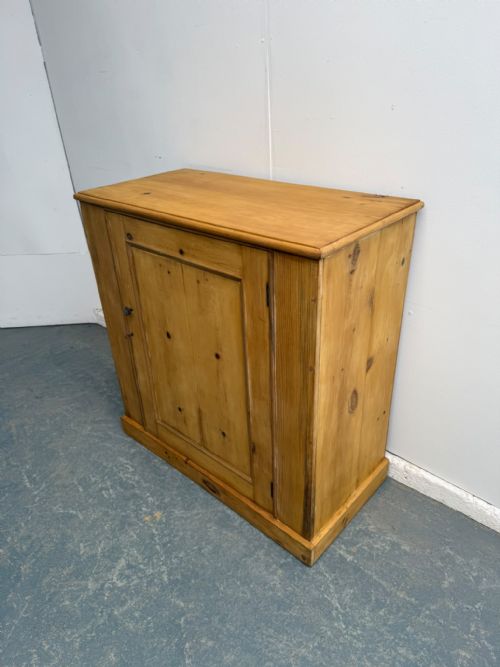
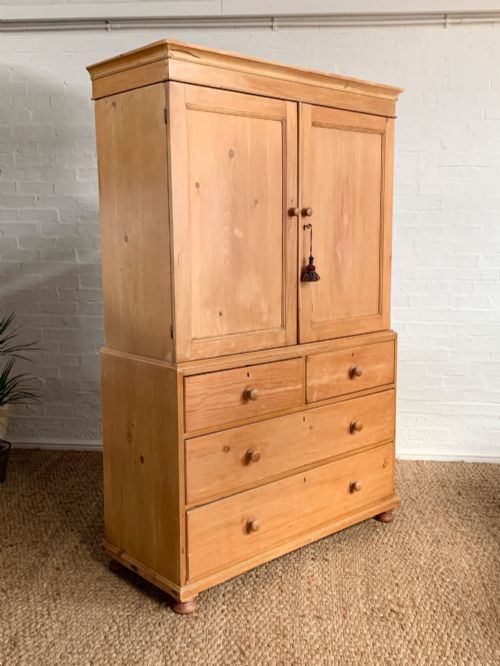
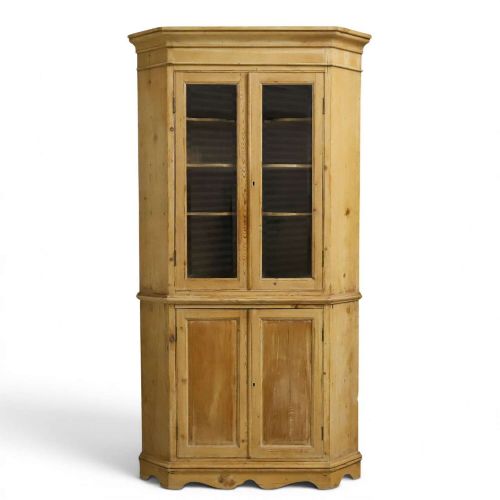
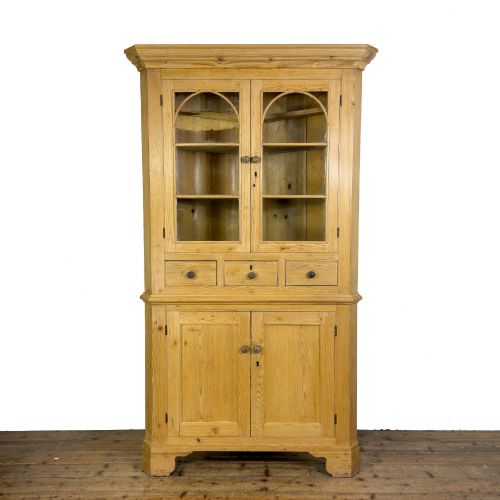
The versions you meet most frequently on this page belong to the Victorian era and the nineteenth century. They appear in various configurations, from single-door hall cabinets and two-door storage units to dresser bases and larder cupboards.
Origins range from English country workshops to Hungarian pieces, showing regional carpentry traditions. The forms remain straightforward, prioritising internal capacity and everyday function over ornamental display.
What varies in quality
The standard of a piece rests upon the weight of the timber used and the integrity of its original construction. Heavier planks and stable carcases distinguish better examples from lighter utility items.
Proportion and detailing separate everyday furniture from finer specimens. Well-executed paneling, original brass or iron fittings, and balanced door alignments indicate careful workshop origin.
Object forms include wardrobes, larder cupboards, kitchen dressers, corner cabinets, linen presses, and sideboards.
The Honey Pine Storage Cupboard Glossary
- Pine
- A softwood timber commonly used in British and European vernacular furniture. It takes wax finishes well and develops a rich patina over time.
- Larder cupboard
- A tall cabinet originally ventilated or shelved for storing food provisions. These pieces often feature louvered or paneled doors.
- Dresser base
- A low cabinet featuring drawers and cupboards beneath a flat top. It served as a primary work and storage surface in kitchens.
- Knockdown
- Furniture designed to be disassembled for transport. This technique utilised pegs or bolts rather than permanent glue.
- Linen press
- A tall cupboard equipped with sliding trays or shelves for storing household textiles. Lower drawers typically provided additional space for garments.
Honey Pine Storage Cupboard: Frequently Asked Questions
How were these cupboards used originally?
Families utilised these cupboards in kitchens, hallways and bedrooms to store food, linens, tableware and garments.
Their flexible interior shelving and drawer arrangements allowed households to adapt them to changing domestic storage needs over generations.
How do I care for waxed pine?
Caring for waxed pine involves applying a quality natural beeswax periodically to nourish the timber and maintain its lustre.
Keep the wood away from direct heat sources and moisture, wiping surfaces gently with a dry or slightly damp cloth.
How can I tell the period of a cupboard?
Dating a pine cupboard relies on examining construction techniques, such as hand-cut joints, backboards and the style of hardware.
Georgian pieces often display different proportions and mouldings compared to later Victorian or early twentieth-century utility cabinets.