
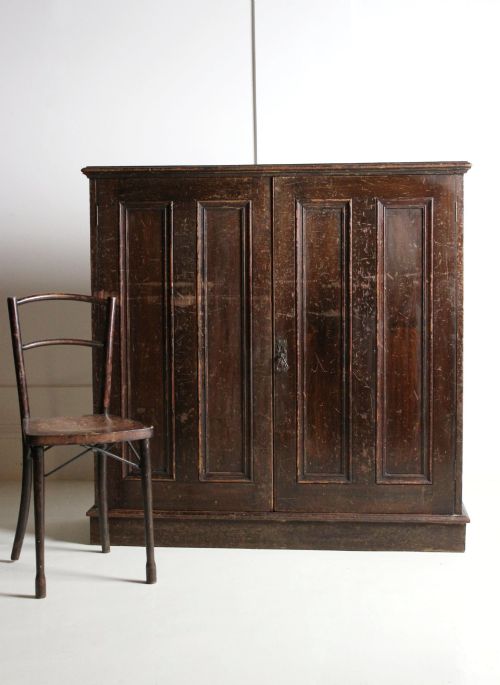
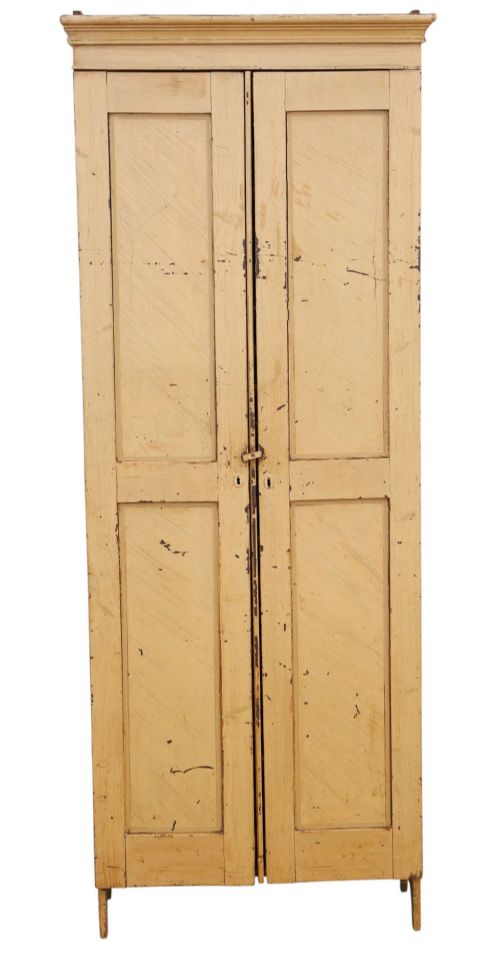
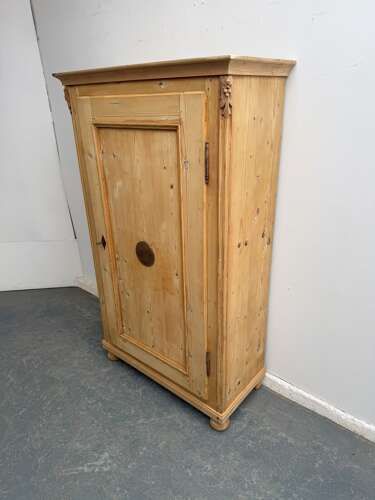
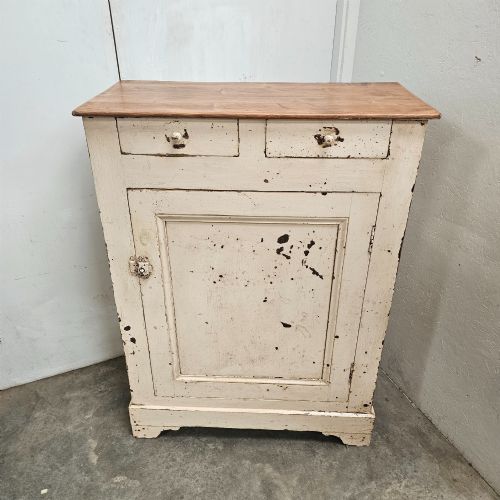


Pine Food Safe Cabinet
A pine food safe cabinet is a utilitarian pantry cupboard designed to keep provisions fresh, combining practical ventilation with honest country charm.
Pine Food Safe Cabinet
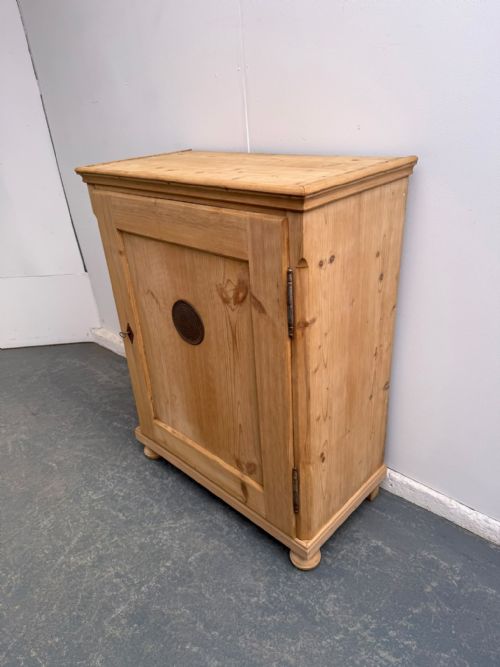
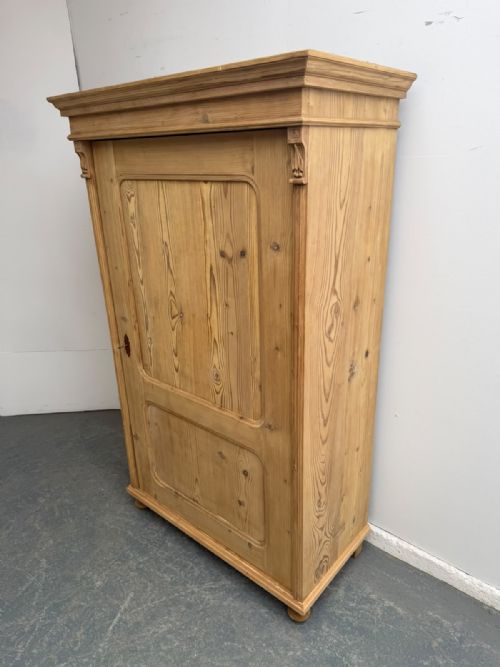
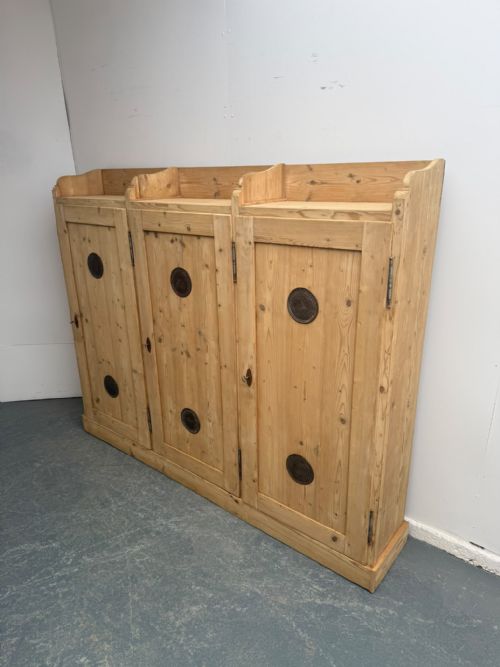
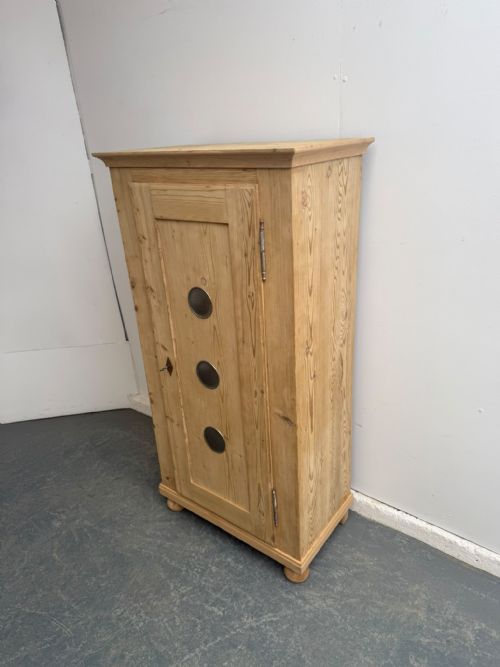
A pine food safe cabinet functions as a traditional storage cupboard, appearing across domestic settings from the eighteenth century into the twentieth century. These pieces encompass various forms including larder cupboards, pantry cupboards, and jam cupboards, originating from regional workshops in Britain, Scandinavia, France, and Eastern Europe.
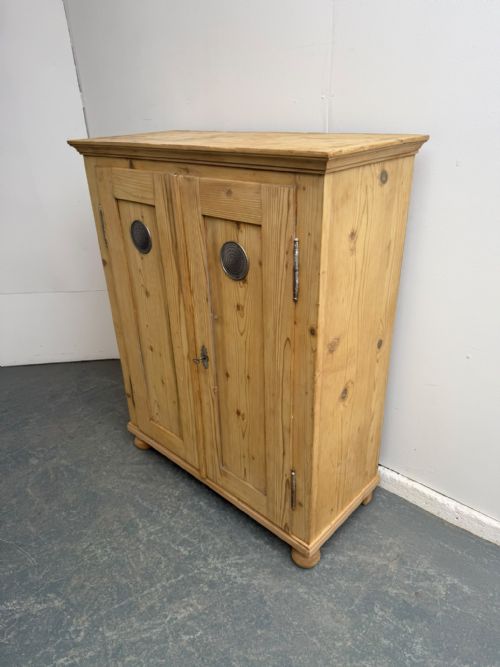
The most common examples encountered on this page date from the Victorian period, frequently built with single or double doors incorporating perforated panels. Regional vernacular styles such as Welsh, Scandinavian, and French provincial influence the proportions, ranging from tall narrow carcasses to low wide units with integrated drawers.
How they were made
Carpenters constructed these cupboards primarily using solid pine, occasionally augmented with cedar or stained pine finishes. Iron, brass, and standard metal hardware provide functional hinges, latches, and structural reinforcement.
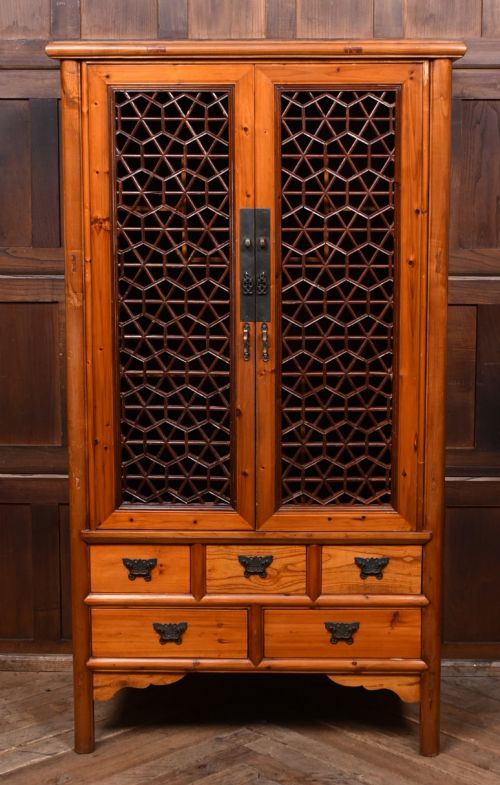
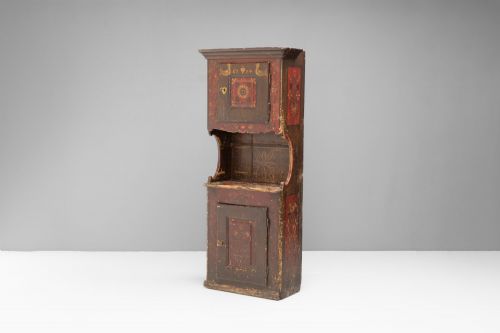
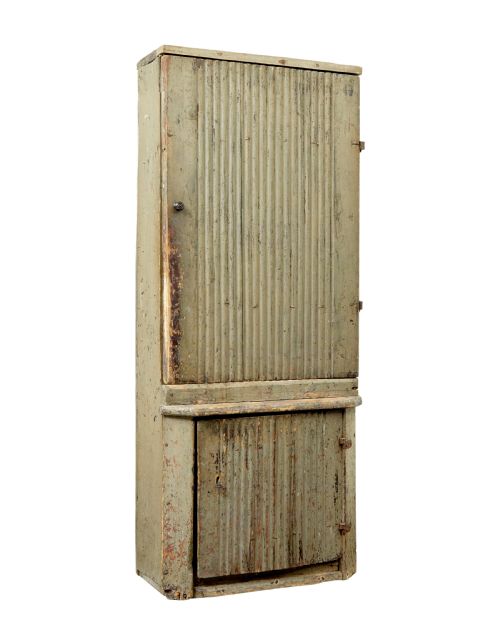
Surfaces frequently show historical layers of paint or applied wax finishes, alongside folk art decoration and later sign-writing. Pervented panels and pierced wooden or metal screens allow air circulation while protecting stored provisions.
One cheerful survivor even wears later sign-writing for Hovis Bread, proving cupboards love a career change.
What varies in quality
The distinction between standard utility items and finer examples lies in the integrity of the timber and the subtlety of regional construction details. Better examples retain original hardware, uncompromised ventilation screens, and early painted surfaces rather than stripped timber.
Proportion and scale also dictate distinction, with bespoke regional vernacular pieces showing greater joinery skill than mass-produced utilitarian storage units. The presence of untouched patination and original regional characteristics elevates the standing of an individual cupboard.
The Pine Food Safe Cabinet Glossary
- Pine
- A softwood commonly utilised in vernacular furniture construction for its workability and availability. It accepts paint and wax finishes readily.
- Vented
- A description for cupboard doors incorporating pierced panels, mesh, or fretwork designed to circulate air around stored food. This keeps provisions fresh in domestic kitchens before mechanical refrigeration.
- Confiturier
- A French term for a small jam cupboard or storage cabinet designed for preserves. These pieces often feature single doors and compact proportions.
- Vernacular
- Architecture and furniture built by local craftsmen using regional traditions and readily available materials. These objects reflect the specific geographical origin and domestic needs of their makers.
- Patina
- The surface appearance and texture developed on wood and paint through age, wear, and repeated polishing. It signals the historical continuity of the object.
Pine Food Safe Cabinet: Frequently Asked Questions
What is a pine food safe cabinet used for?
These cabinets served as domestic larders to store perishables such as bread, cheese, and preserves away from pests while allowing air circulation. Modern homes utilise them as kitchen storage cupboards, linen presses, or freestanding pantry units.
Their shelved interiors and ventilated doors make them practical for organising dry goods, tableware, or household items while adding distinct country character to a room.
How do I identify the age of a pine cupboard?
Dating relies on construction methods, hardware types, and stylistic indicators such as moulded cornices, panel configuration, and foot styles. Eighteenth-century pieces often display hand-planed surfaces and pegged joinery.
Victorian and later examples frequently incorporate machine-sawn timber, simpler hinges, and standardised drawer construction. Paint analysis also reveals whether surface layers belong to the original period or date from later redecoration.
Are these cupboards finished with wax or paint?
Surfaces vary significantly, with many examples featuring historical layers of paint, folk art decoration, or stripped pine prepared for wax. Original painted finishes often show age-related crackle and wear that collectors value.
Unpainted surfaces allow the warm grain of the pine to show through when treated with traditional beeswax. Some pieces retain traces of early sign-writing or decorative pigments characteristic of Scandinavian and British provincial traditions.
Where were these regional cupboards made?
Evidence shows production spanning British workshops including Welsh vernacular makers, alongside Scandinavian, French provincial, and Eastern European joiners. Each region developed distinct proportions, door configurations, and decorative treatments.
Scandinavian and Eastern European pieces often display brighter painted finishes or carved details, while British country cupboards tend towards simpler utilitarian forms in waxed or painted pine.