
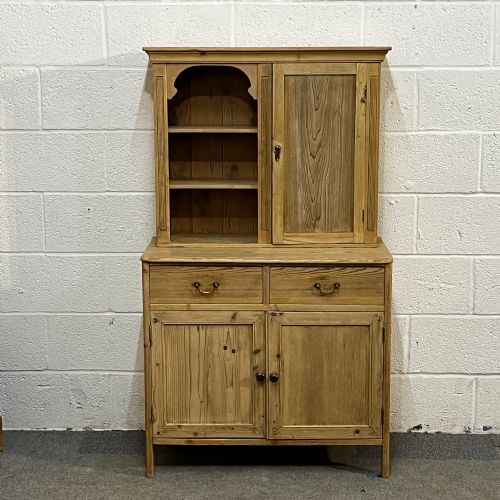
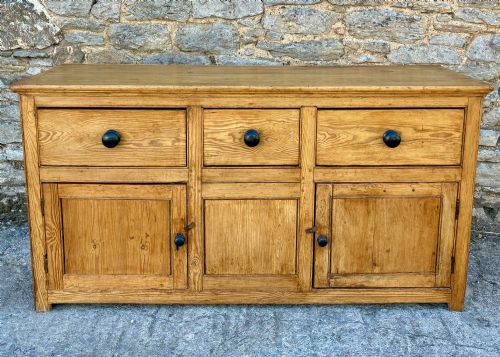

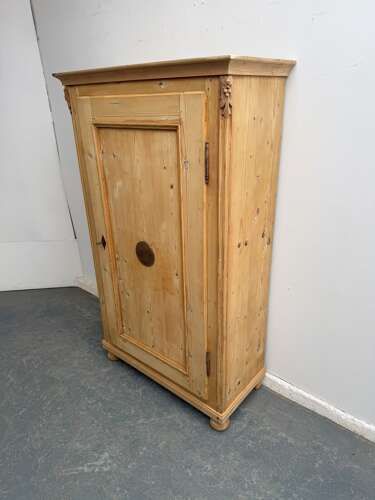
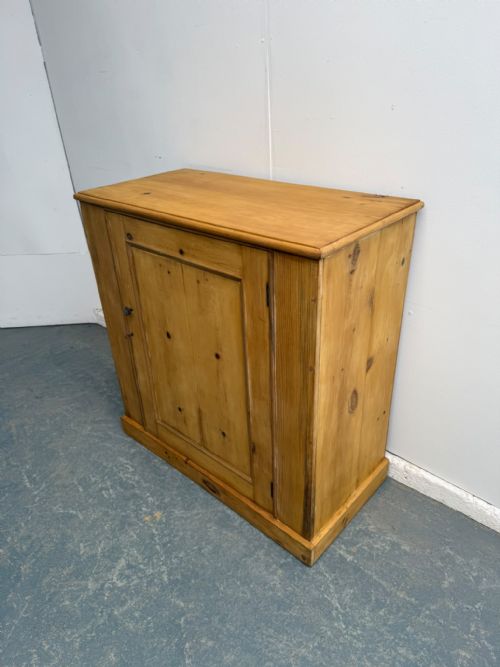

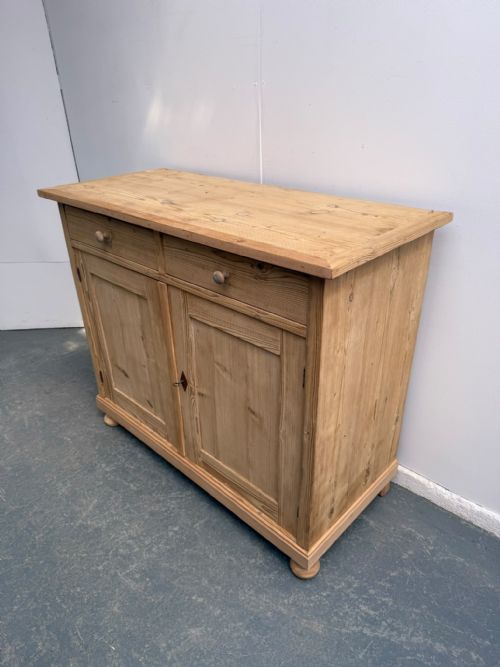
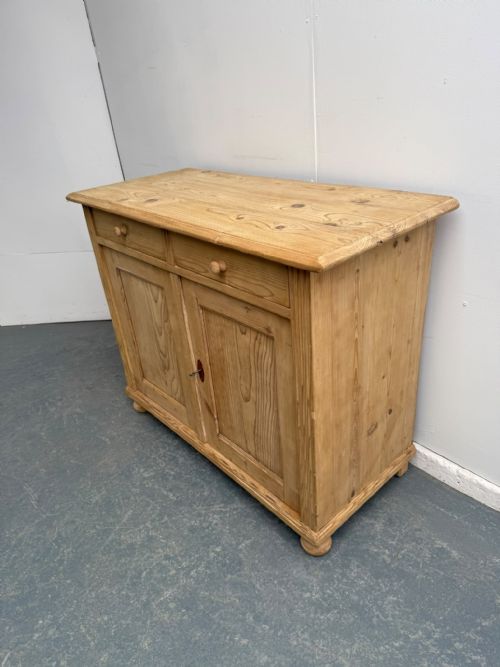
Honey Pine Storage Cabinet
A honey pine storage cabinet brings warmth and utility to any room, offering robust storage fashioned from honest timber.
Honey Pine Storage Cabinet
When someone searches for a honey pine storage cabinet, they seek a practical vessel for domestic organisation that carries the warm, mellow tone developed by softwood over generations. These pieces emerge predominantly from the Victorian era and the nineteenth century, alongside Georgian, nineteen-hundred, and nineteen-ten examples.
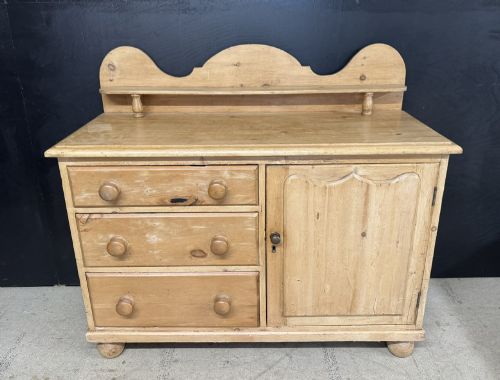
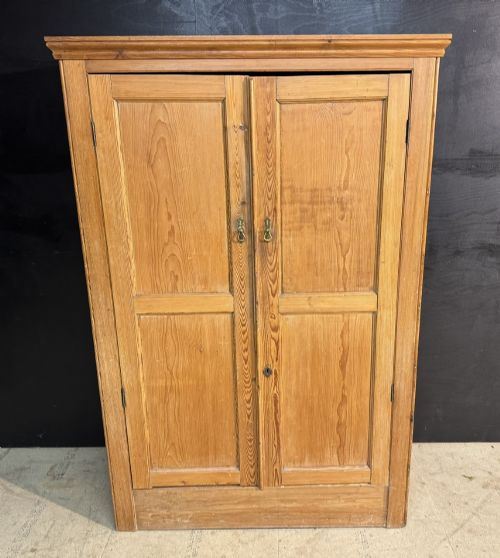
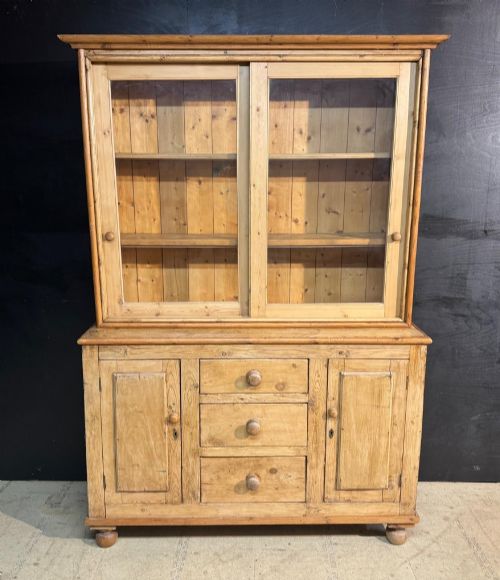
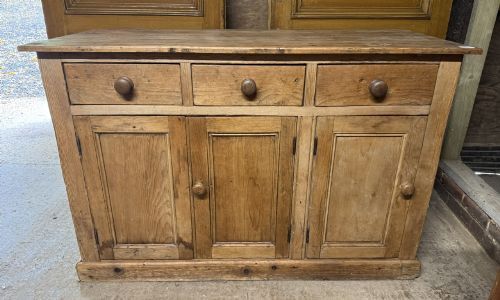
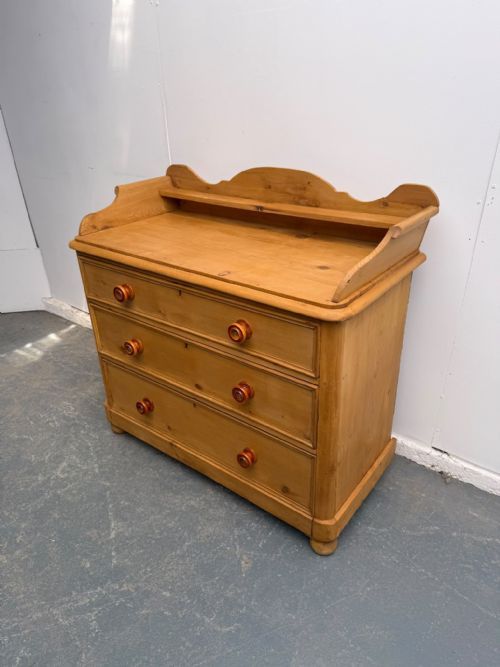
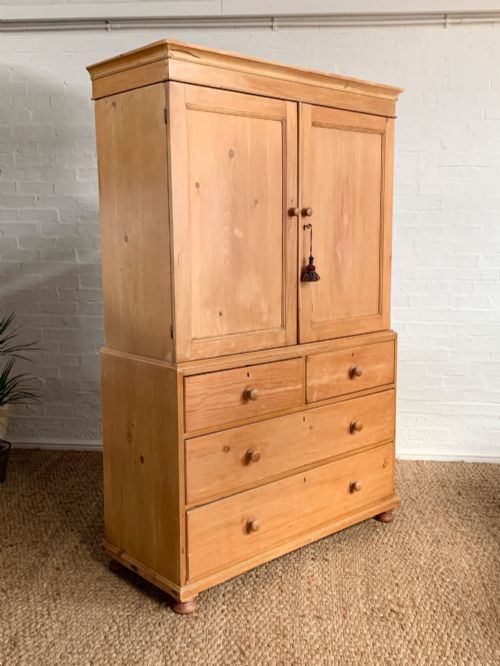
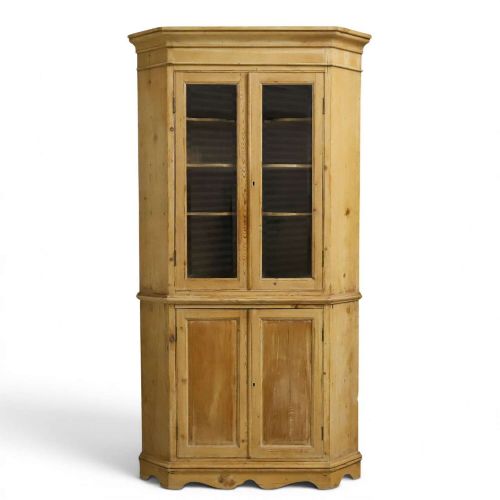
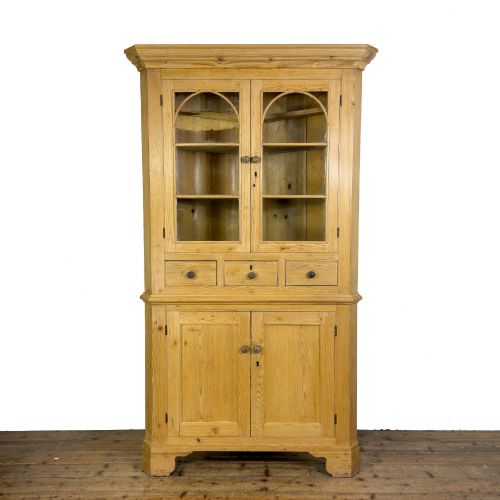
The selection here encompasses various utilitarian forms designed to hold household goods, ranging from single and double door cupboards to larder cupboards, dresser bases, corner cabinets, and chests of drawers. Buyers encounter both stripped natural timber finishes and items previously painted or waxed.
Originating from British, English, Swedish, and Hungarian traditions, these items reflect country and regional craftsmanship rather than courtly luxury. The predominant styles span Victorian Country, Rustic Farmhouse, Georgian Country, Arts and Crafts, and Art Nouveau.
Materials and construction methods
Makers utilised pine as the primary softwood, supplemented occasionally by cedar, alongside iron, brass, and glass for hardware and glazing. Surfaces were finished with wax or paint depending on the period and regional workshop practice.
Joinery techniques ranged from standard panel construction to knockdown formats designed for ease of transport. Hardware fittings incorporated brass handles and iron hinges that secured heavy doors on larder cupboards and wardrobes.
Regional styles include English country workshop pieces alongside imported examples from Sweden and Hungary.
Distinguishing quality in construction
Quality rests in the integrity of the timber selection, such as dense pitch pine, and the tightness of the original joinery. Better examples retain their original configuration, whether as tall wardrobes, multi-drawer chests, or glazed display cabinets, without heavy structural alterations.
The refinement of proportion and the retention of honest surface patination - whether a warm waxed glow or an untouched painted skin - separate standard utilitarian boxes from finer vernacular pieces.
The Honey Pine Storage Cabinet Glossary
- Pine
- A softwood derived from conifer trees, widely utilised in vernacular furniture for its workability and availability. It takes wax polish well to develop a warm honey tone.
- Dresser base
- A lower sideboard form derived from kitchen dressers, featuring cupboards or drawers beneath a flat top. They served as primary storage units in domestic spaces.
- Knockdown
- Furniture designed to be disassembled into component parts for transport and reassembled on site. This method was common for large wardrobes and cupboards in older houses.
- Pitch pine
- A resinous pine variety known for its durability and prominent grain patterns. It often appears in heavier furniture such as Wellington chests.
- Larder cupboard
- A tall ventilated storage piece historically used for food preservation and kitchen provisions. They frequently feature panelled doors and internal shelving.
Honey Pine Storage Cabinet: Frequently Asked Questions
How do I clean a waxed pine cabinet?
Apply a traditional beeswax polish sparingly with a soft cloth and buff gently along the grain to maintain the natural sheen.
Avoid modern liquid silicone sprays, which can build up a sticky residue and damage the historic wax finish over time.
Were these cabinets originally painted or waxed?
Many utility pieces left workshops with a painted finish to protect the softwood, while others received simple wax coats.
Later stripping revealed the raw timber underneath, leading to the popular honey tones seen on many surviving examples today.
Can I dismantle a knockdown wardrobe for moving?
Yes, many older wardrobes and large cupboards were built with pegged or wedged joints specifically to allow dismantling.
Carefully document the position of each panel and wedge during disassembly to ensure a correct fit when reassembling.
What is the difference between a dresser base and a sideboard?
A dresser base originates from the lower section of a kitchen dresser, usually offering deep cupboards or banks of drawers.
Sideboards generally served formal dining rooms, whereas dresser bases belonged to working kitchens and pantries.