
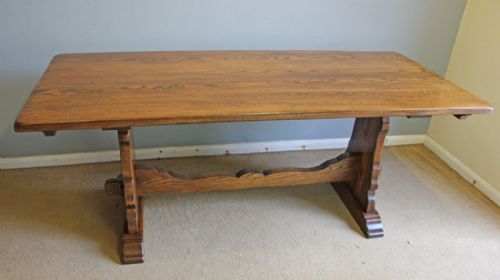
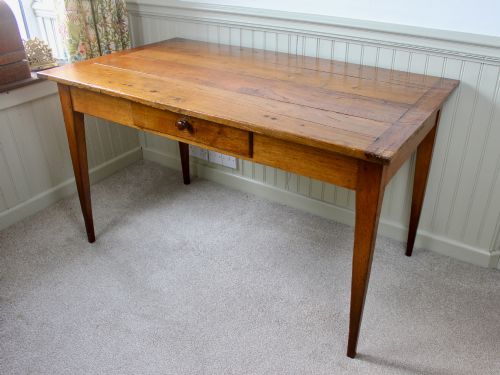
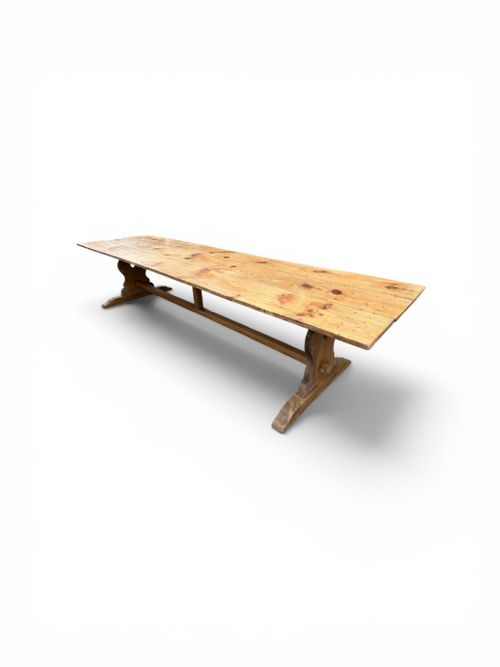


Honey Oak Dining Table
A honey oak dining table brings warmth to a room with its rich grain and honest timber.
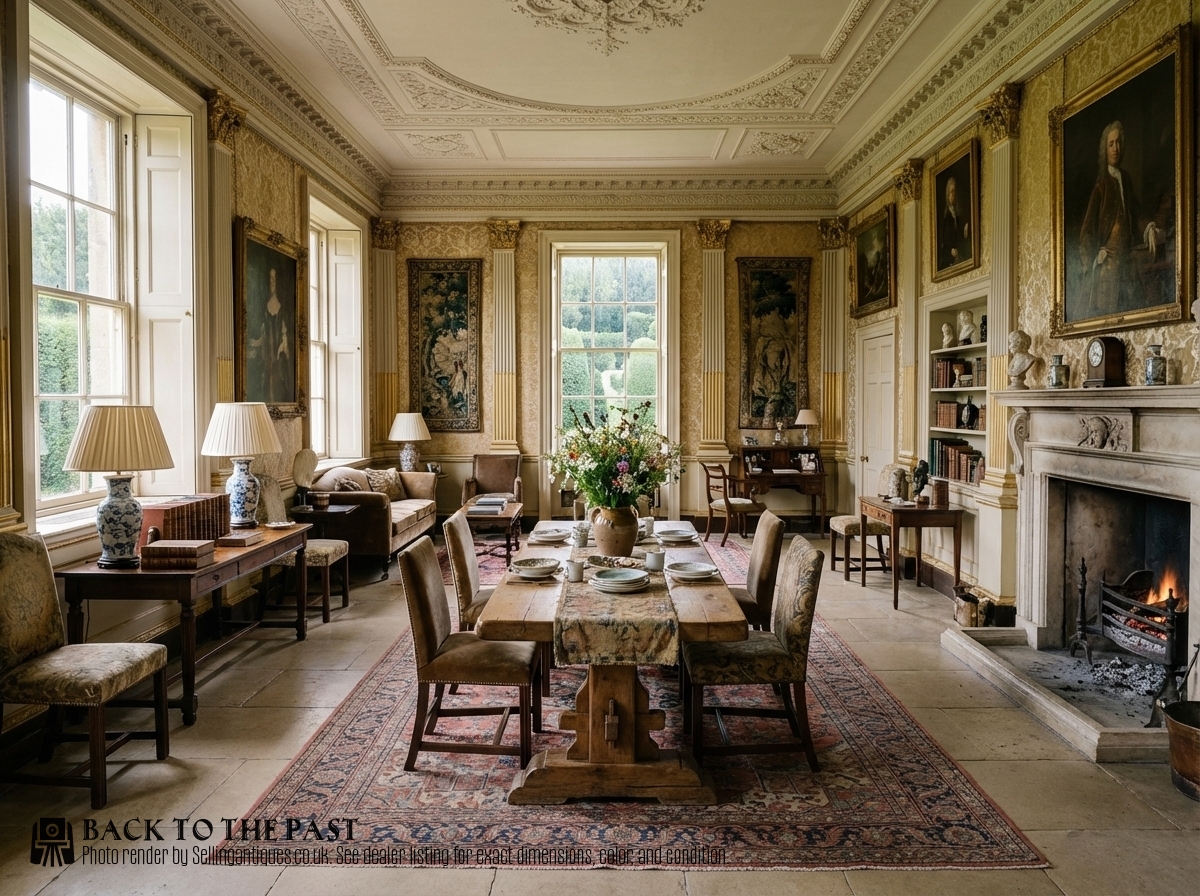
Honey Oak Dining Table
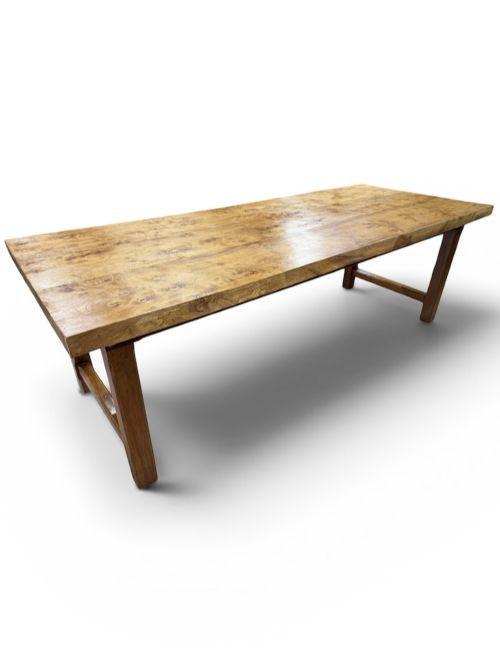
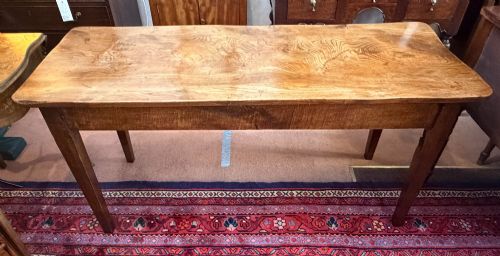
A honey oak dining table provides a warm, golden surface for gathering, formed from sturdy timber that shows years of honest use. When you search for a honey oak dining table, you encounter robust refectory and farmhouse formats dating from the nineteenth and early twentieth centuries.
The selection on this page leans heavily towards traditional farmhouse and refectory designs alongside French provincial styles. These pieces often feature plank tops, draw leaves, or bread slides, serving as the central working surface of the kitchen or dining room.
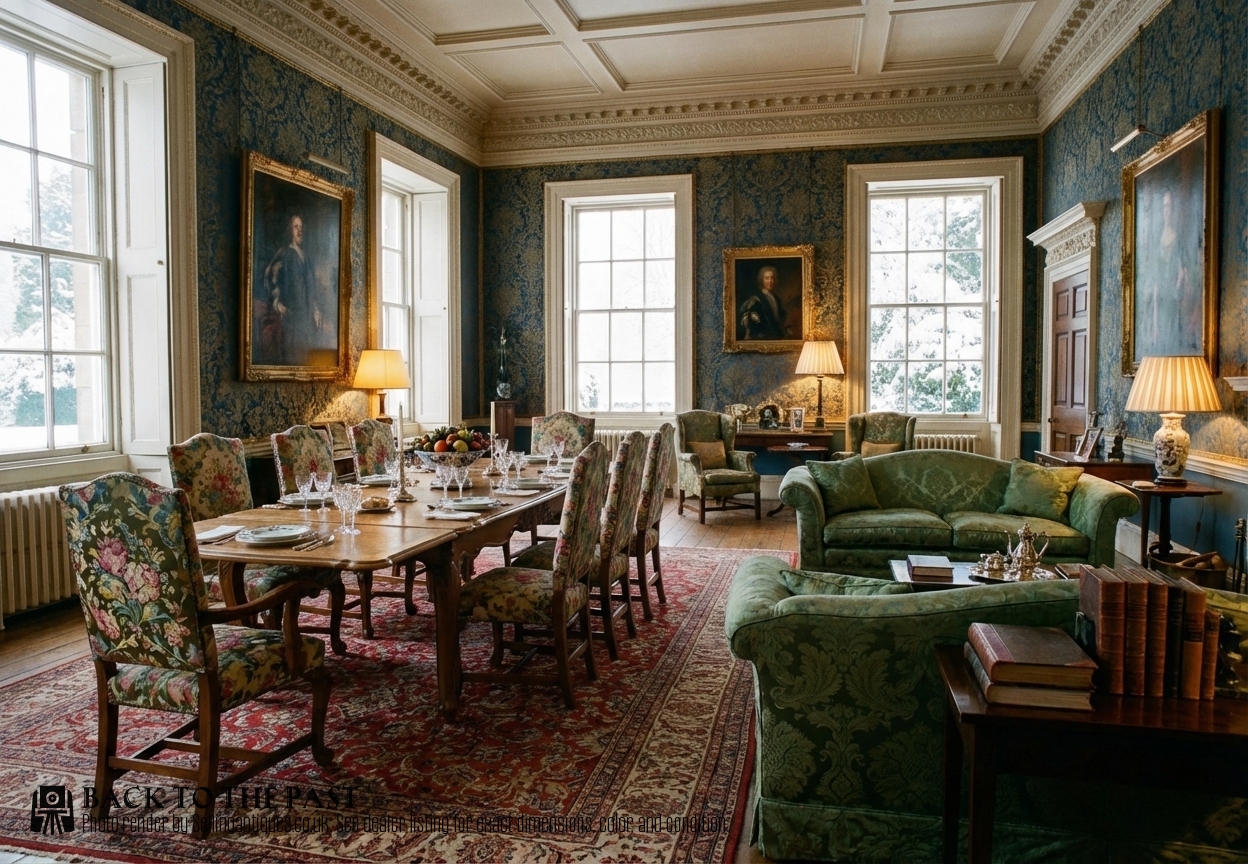
How they were made
Cabinet makers and carpenters built these tables using solid oak, pine, and elm, relying on heavy timber planks for durability. Joinery often includes pegged joints and trestle supports designed to withstand daily family life over generations.
Surfaces were finished to highlight the natural grain of the wood, sometimes incorporating veneer or fruitwood details. The wood naturally deepens in tone over time, developing the honeyed hue prized by collectors.
Honey Oak Dining Table Retail Price Guide 2026
Typical asking prices for honey oak dining table among the pieces listed under this phrase on Sellingantiques today, from the lower quarter to the upper quarter. They describe what is for sale here now, not the wider market.
Many historic farmhouse tables still bear small ink stains and knife cuts from generations of domestic preparation.
What varies in quality
The distinction between ordinary and exceptional pieces lies in the thickness of the timber and the integrity of the original construction. Tables with unwarped plank tops and tight, stable joinery demonstrate superior craftsmanship from the outset.
Proportion and surface patination dictate the visual weight of the piece within a room. Well-balanced legs, original stretcher bases, and an undisturbed surface finish elevate a table above standard utilitarian examples.
The Honey Oak Dining Table Glossary
- Refectory table
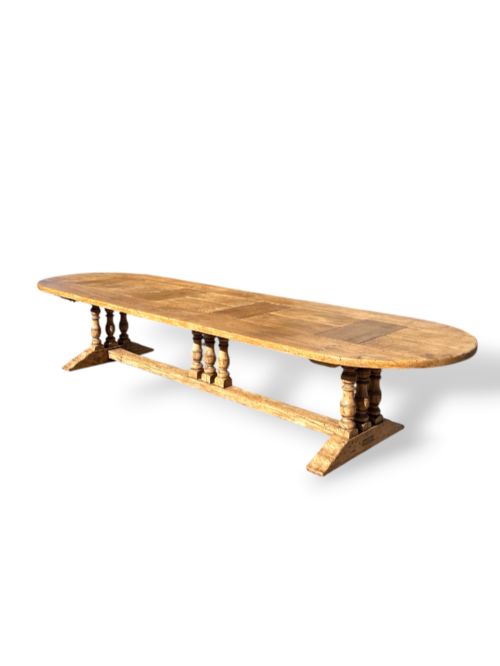
- A long, narrow dining table traditionally used in monasteries and great halls for communal meals. They are characterised by long boards and sturdy stretcher bases.
- Bread slide
- A pull-out wooden shelf positioned just beneath the table top. Historically, this feature provided a surface for slicing bread or cooling loaves.
- Parquetry
- A geometric mosaic of wood pieces used for decorative effect on furniture surfaces. This technique creates patterned tops that add visual texture.
- Gateleg table
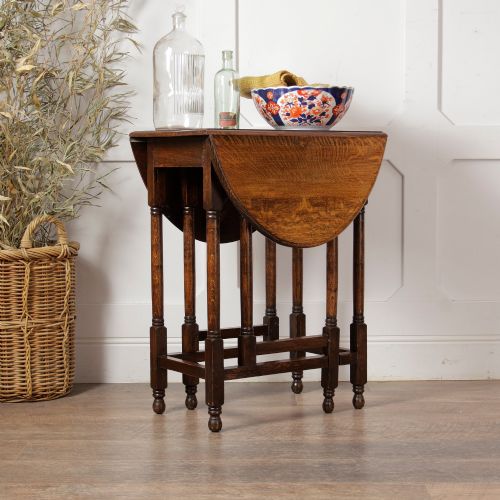
- A table with hinged drop leaves supported by legs that swing out like a gate. This design allows the surface area to expand or contract as needed.
- Draw leaf table
- A dining table equipped with sliding leaves stored beneath the main top that pull out to extend the length. This mechanism provides extra seating space without removing the primary surface.
Honey Oak Dining Table: Frequently Asked Questions
How do I clean a honey oak dining table?
Wipe the surface regularly with a soft, slightly damp cloth to remove dust and daily grit. Avoid harsh chemical cleaners that can strip the natural finish and dry out the old timber.
Apply a traditional beeswax polish occasionally to nourish the wood and maintain its soft sheen. Buff the wax gently with a dry cloth after application to protect against moisture rings and minor spills.
Are these tables suitable for everyday family use?
These tables were originally built for heavy daily labour in kitchens and farmhouses, making them exceptionally sturdy for modern dining. Solid oak and elm construction stands up well to the demands of active households.
Existing marks and bumps in antique timber often absorb future wear gracefully. Using placemats and coasters helps prevent excessive heat damage while preserving the historic surface.
How do I date an antique oak table?
Examine the underside and joints for tool marks, peg construction, and hand-cut elements that reveal older manufacturing methods. Machine-sawn boards and modern metal fixings usually indicate a later date of manufacture or subsequent repair work.
Consider the overall style, proportion, and wear patterns alongside the timber characteristics. Comparing the piece with documented examples from the nineteenth and early twentieth centuries helps narrow down the period.
Will a refectory table fit my dining room?
Refectory tables tend to be longer and narrower than standard modern dining tables, requiring careful measurement of your room. Ensure you leave adequate clearance around all sides for chairs to pull out comfortably.
Take note of the stretcher placement beneath the top to check leg room for diners. Measuring doorways and hallway turns beforehand also prevents delivery issues with large refectory frames.