


Historical Portrait Mezzotints
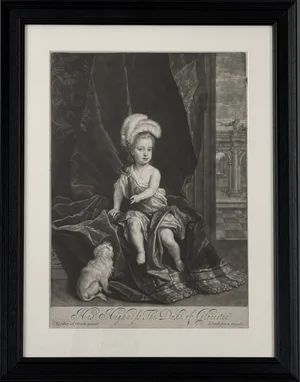
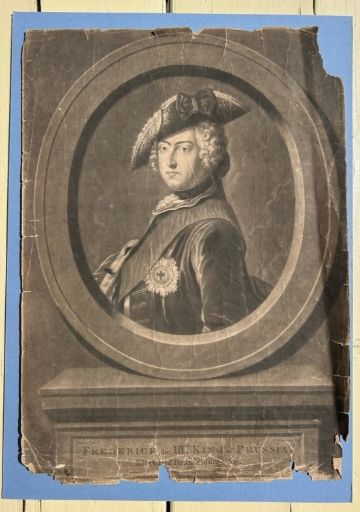
Historical portrait mezzotints are works on paper created using inked copper plates that capture the likenesses of notable figures from earlier centuries.
Historical Portrait Mezzotints
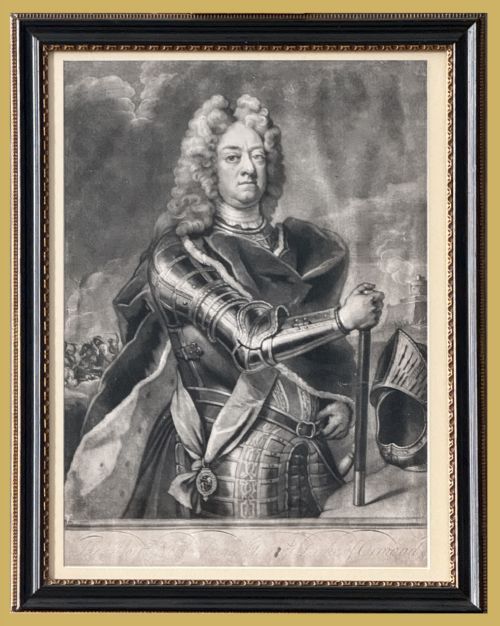
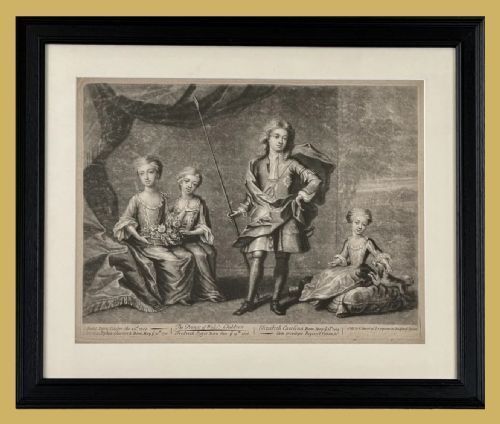
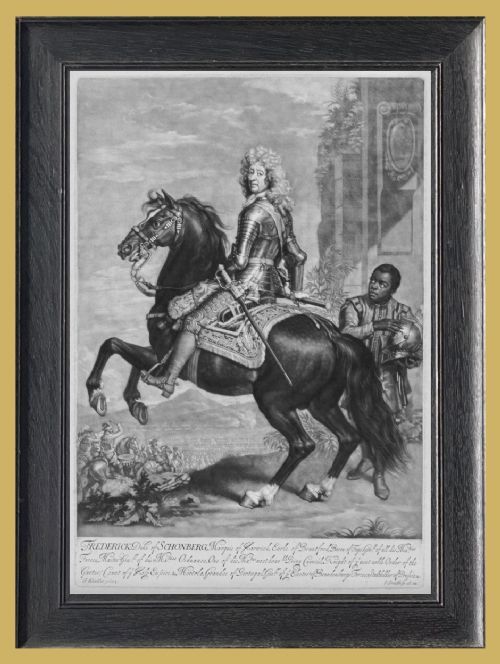
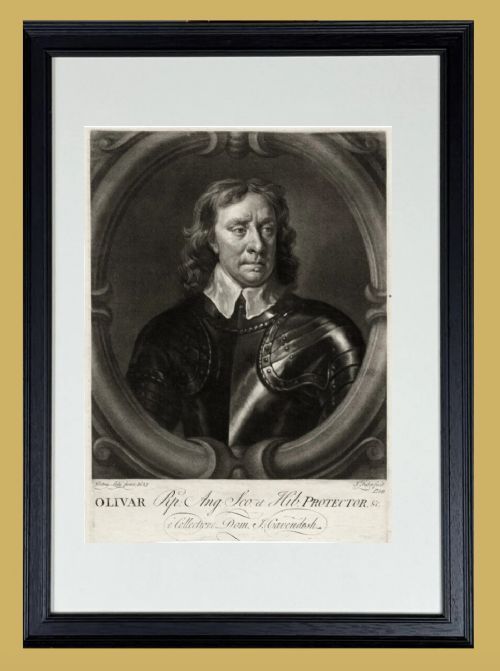
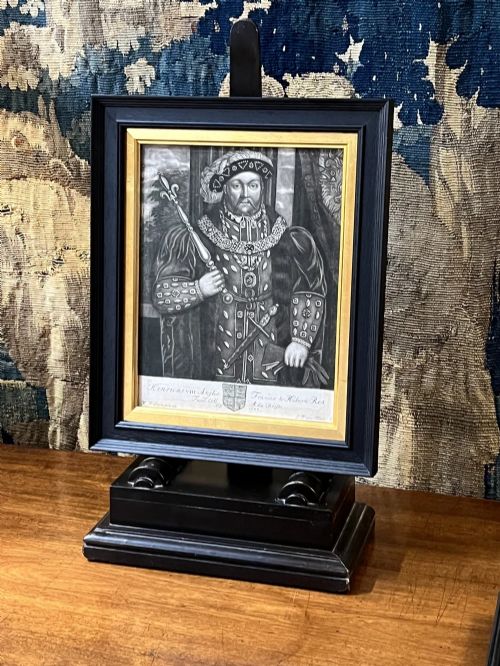
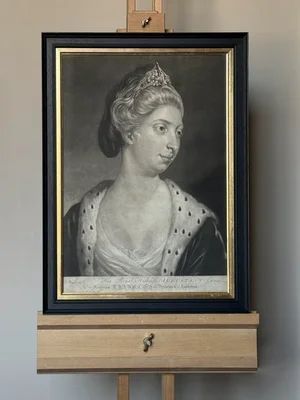
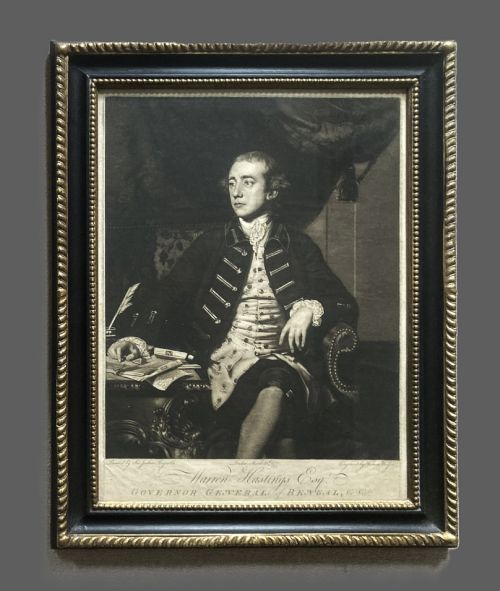
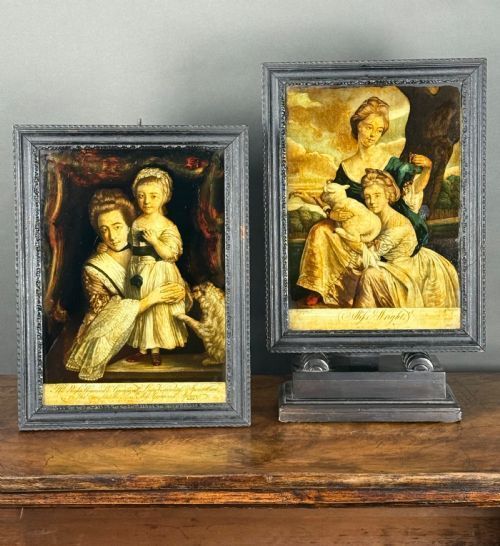
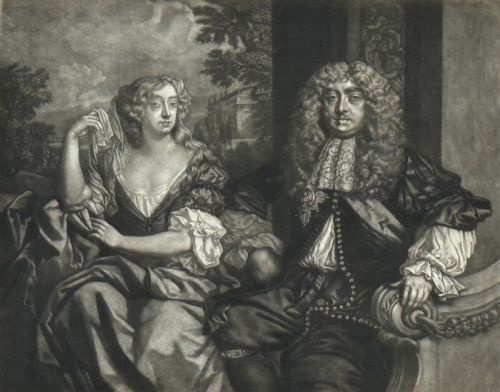
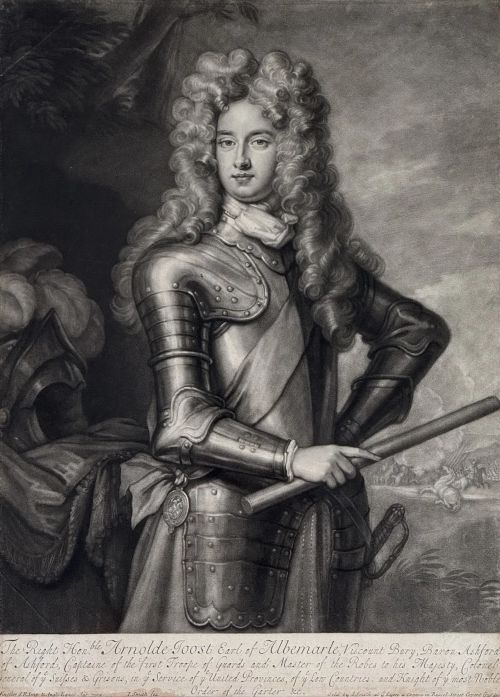
Historical portrait mezzotints present significant figures from the seventeenth and eighteenth centuries, including monarchs, noblemen, and military commanders. These works take the form of framed prints, wall art, and reverse glass prints.
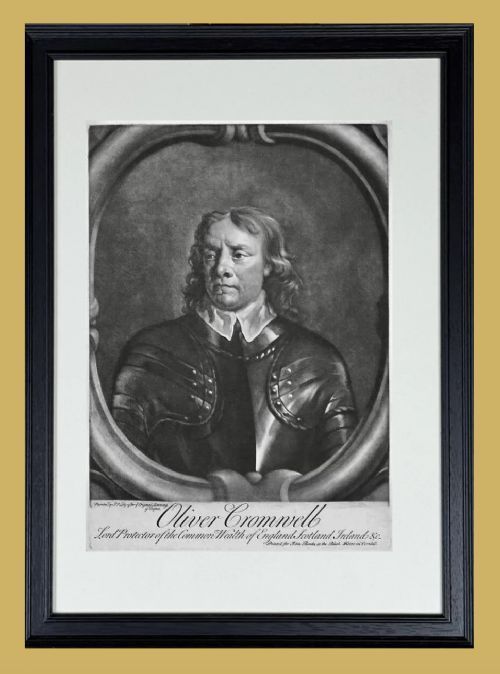
Buyers meet subjects ranging from Oliver Cromwell and Henry VIII to eighteenth-century aristocrats and governors. The selections span seventeenth-century British and Georgian aesthetics, alongside Baroque and Restoration expressions.
The pieces on this page originate predominantly from the eighteenth and seventeenth centuries, including specific dates such as seventeen-fifty. They arrive ready to hang in traditional wood frames behind glass.
Materials and Technique
Makers utilised copper plates, preparing the metal surface with a rocker to create a textured ground that held ink for deep, velvety tones. Printing took place on paper using hand-operated presses, applying pigment and ink to transfer the likeness.
Certain examples incorporate reverse glass techniques, applying paint and ink directly to the glass surface rather than standard paper sheets. Wood framing and gold leaf often complete the presentation of these prints.
The collection includes historical portraits after notable painters such as Sir Peter Lely, Sir Joshua Reynolds, and Sir Godfrey Kneller.
Quality and Execution
Quality rests in the depth of the plate work and the richness of the ink impression upon the paper. Strong impressions retain deep tonal gradations across the background and clothing, whereas weaker prints appear flat and lose definition in the shadows.
The sophistication of the original painting translated by the printmaker dictates the artistic merit of the piece. Master engravers capture subtle facial expressions and fabric textures far more convincingly than routine practitioners.
John Simon·John Smith·John Bowles·John Faber Snr·Thomas Watson·Richard Houston
The Historical Portrait Mezzotints Glossary
- Mezzotint
- A printmaking process where the copper plate is roughened evenly to produce rich dark tones and subtle gradients of light. This technique allows for the creation of velvety shadows and smooth tonal transitions.
- Reverse glass print
- An image applied directly to the rear side of a glass panel, creating a glossy finished surface when viewed from the front. This method requires painting or printing in reverse order.
- Baroque
- An elaborate artistic style characterised by drama, rich detail, and grand scale, prevalent during the seventeenth century. It influences the posture and theatrical framing of many portrait subjects.
- Georgian
- The period spanning the reigns of the four King Georges, marking a distinct phase in British portraiture and interior decoration. Works from this era often reflect neoclassical refinements.
- Restoration
- The historical period following the return of the monarchy in sixteen-sixty, shaping the attire and social standing of sitters from that era. Portraiture from this time often displays ornate court dress.
Historical Portrait Mezzotints: Frequently Asked Questions
What is a mezzotint?
A mezzotint is an intaglio printmaking method where the artist works from dark to light by roughening a copper plate.
This technique produces rich tonal gradations and deep shadows without relying on traditional line etching.
How do I hang these prints?
These works arrive as framed art, ready for wall mounting using standard picture hooks suited to the weight of wood and glass.
Keep them away from direct sunlight to protect the paper and ink from fading over time.
How are seventeenth and eighteenth-century prints distinguished?
Dating relies on the clothing of the sitters, the lettering style of the inscriptions, and the recorded periods of the printmakers.
Seventeenth-century subjects often wear elaborate lace collars and heavy wigs, while eighteenth-century figures reflect Georgian fashions.
What is a reverse glass print?
A reverse glass print involves transferring or painting the image onto the back of a glass sheet so it is viewed through the front.
This method gives the artwork a distinctive luminous sheen quite different from paper prints.