
Historical Oil Artwork
When you search for historical oil artwork, you uncover centuries of painted portraiture, maritime scenes, and narrative compositions captured on canvas, wood, and board.
Historical Oil Artwork
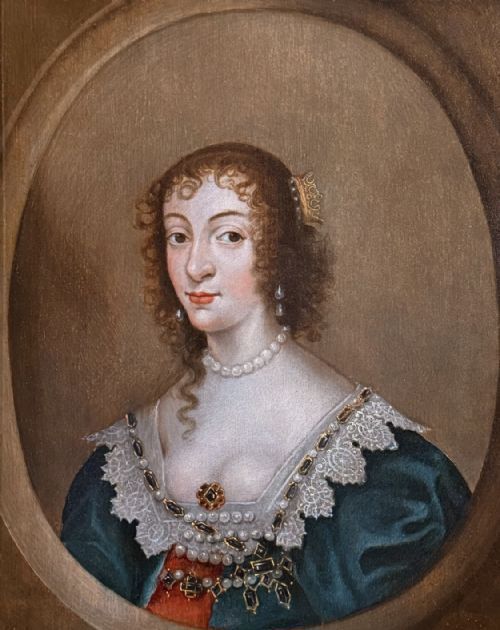
A historical oil artwork represents past centuries through painted imagery, capturing subjects ranging from aristocratic sitters to dramatic maritime battles and domestic genre scenes. These works span periods from the seventeenth century through to the early twentieth century, reflecting the shifting aesthetic priorities of Dutch, English, and continental schools.
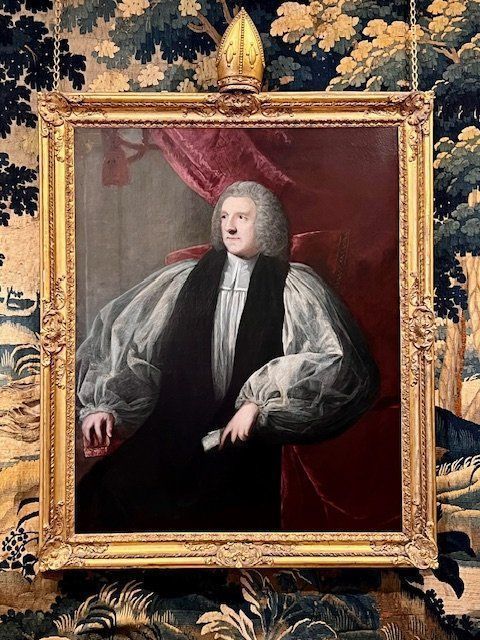
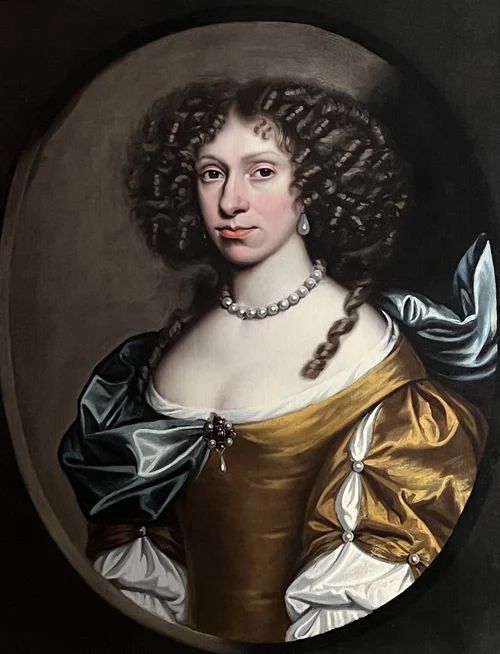
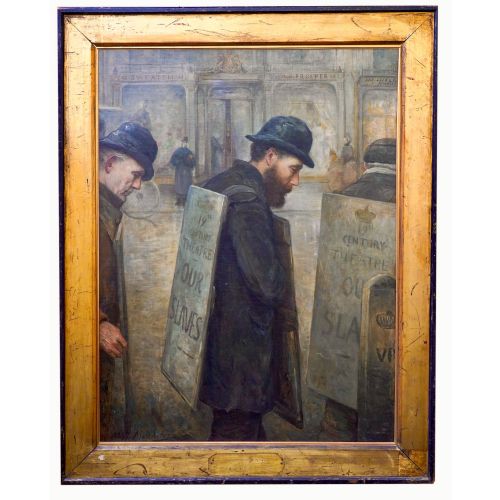
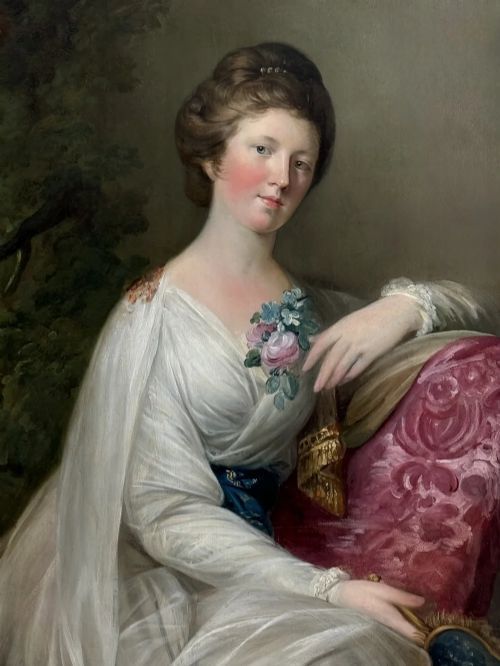
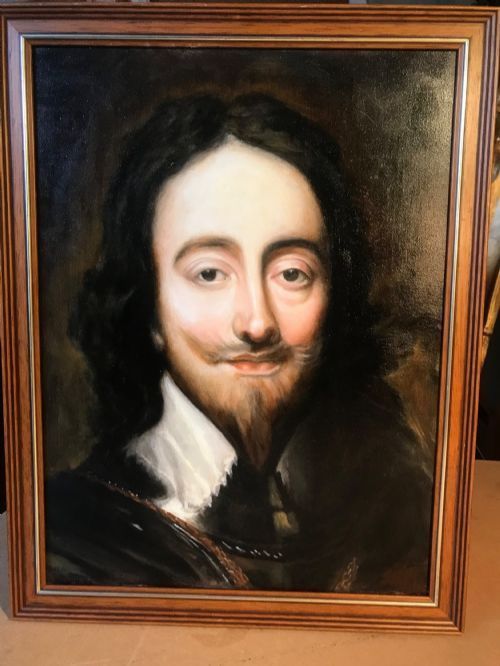
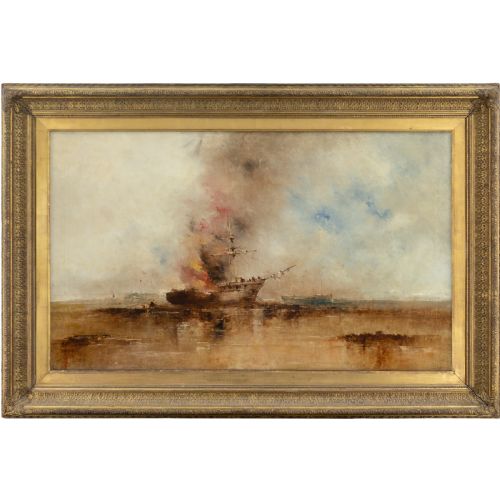
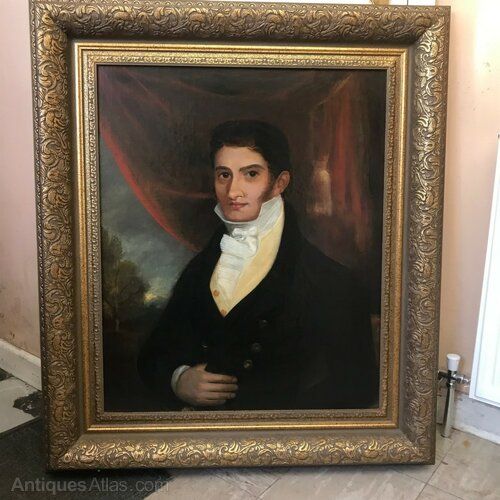
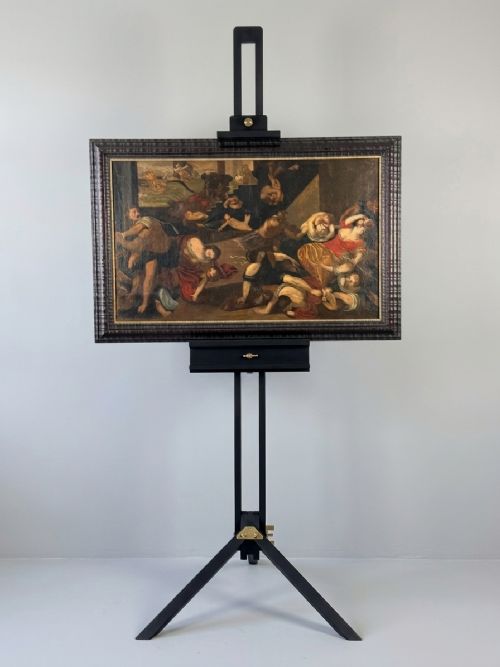
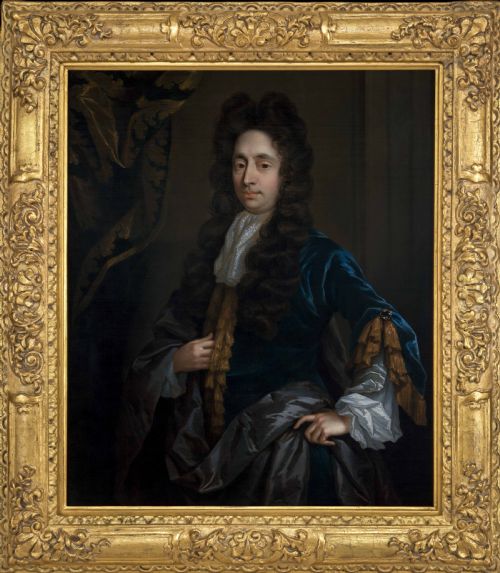
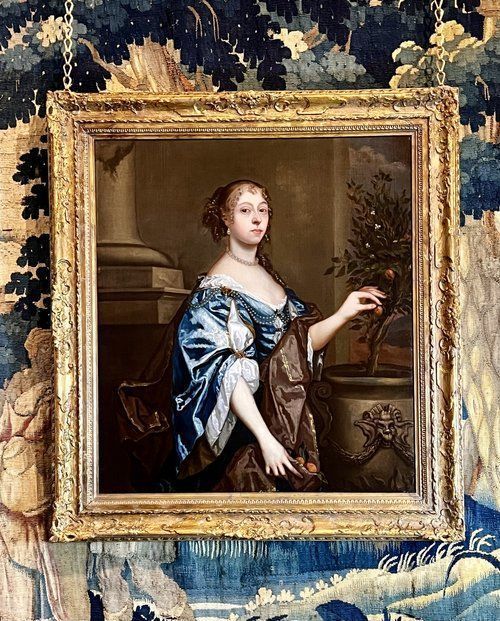
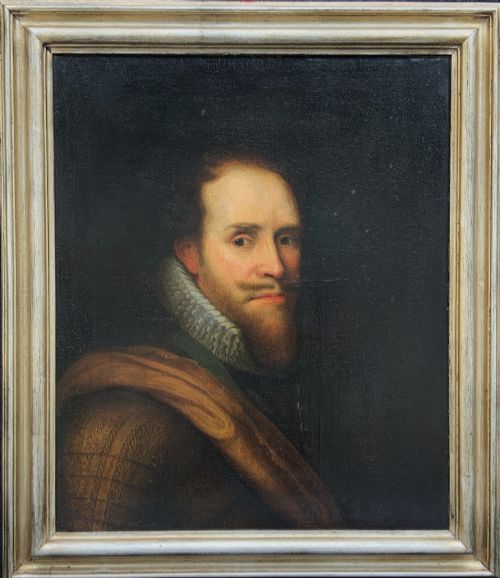
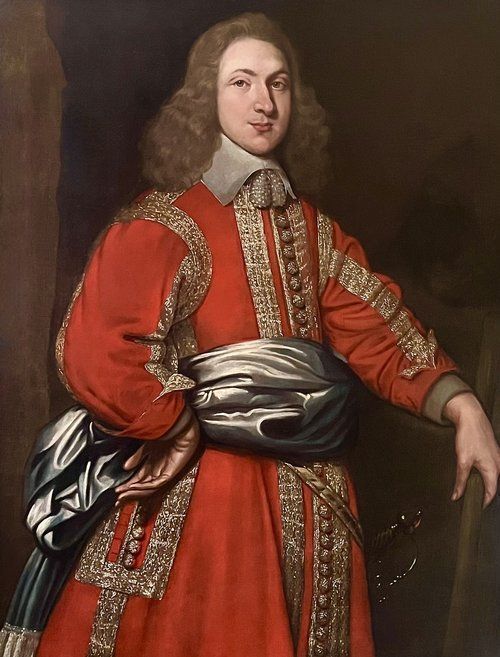
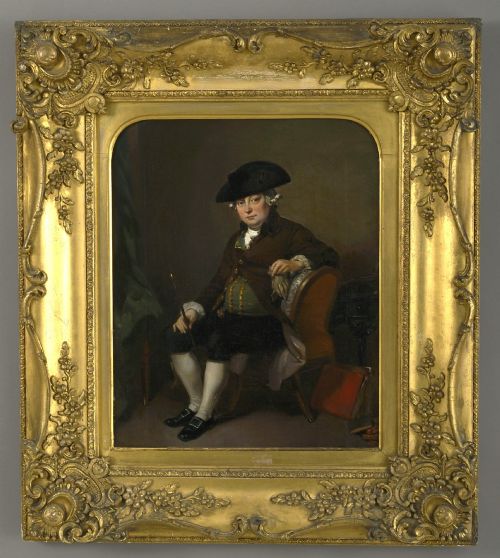
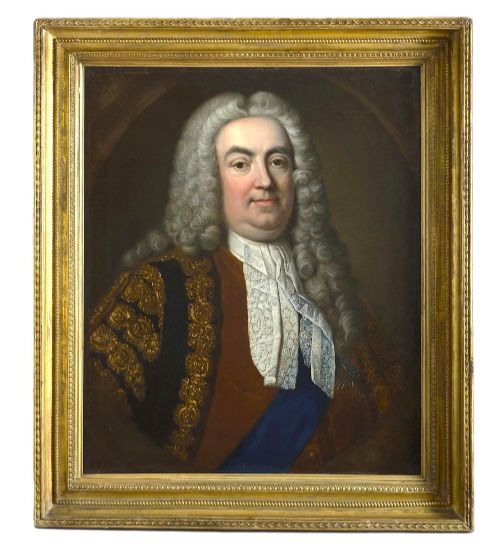
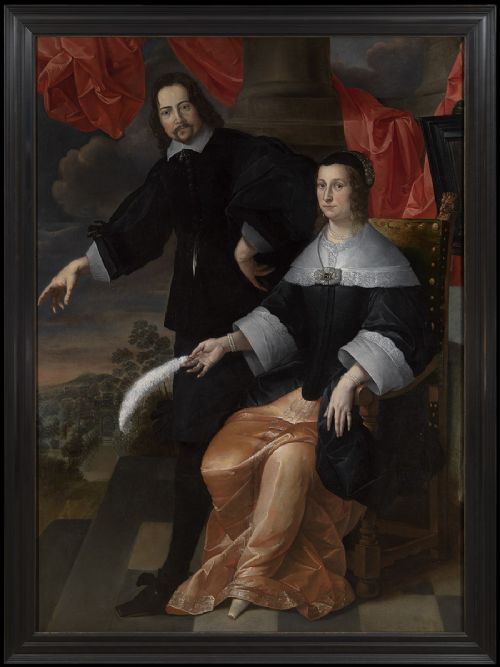
The most frequent form encountered on this page is the oil portrait, depicting military officers, noblemen, and literary figures rendered in elaborate period costume. Alongside these sit narrative historical pieces, such as theatrical scenes and naval engagements, recorded in oil on canvas or wood panel.
Materials and Techniques
Artists built these historical oil artworks using oil paint applied to prepared surfaces of woven canvas, rigid wood panels, or artist boards. The physical support often dictates the survival and texture of the paint layer, with wooden panels providing a smooth, stable ground for meticulous detail.
Framing frequently incorporates giltwood surrounds that complement the rich pigments and dark varnishes characteristic of seventeenth-century Dutch styles and later Victorian academic painting.
Listings feature eighteenth-century oil portraits on canvas alongside seventeenth-century Dutch school panels.
Quality Variations
The standard of a historical oil artwork rests on the anatomical precision of the figures, the handling of fabrics such as lace and velvet, and the psychological depth of the portraiture. Works by named studio masters or active circle members display superior brushwork control compared to provincial copies.
Condition also governs standing, where original canvas stretches, minimal overpaint, and stable crackle patterns preserve the integrity of the composition intended by the artist.
Sir Joshua Reynolds·David Scougall·Anthony Van Dyck·Constantyn Netscher·Pieter Borsseler·Jean Baptiste Van Loo·Robert Byng·Sir William Beechey·John Michael Wright·Sir John Gilbert·George Watson·Harold Knight
The Historical Oil Artwork Glossary
- Oil on canvas
- A painting technique where pigment mixed with drying oil is applied to a stretched woven fabric support. This combination allows for rich blending of tones and large-scale compositions.
- Giltwood
- Wood carved and coated with a thin layer of gold leaf or metallic gilt powder. It is commonly found on traditional frames encasing historical paintings.
- Dutch Baroque
- An artistic movement from the seventeenth century characterised by dramatic lighting, intense realism, and rich shadow play. It heavily influences many portraits and maritime scenes of the era.
- Circle of
- A designation indicating that an artwork was produced by an unidentified artist working in close association with a known master, adopting their specific style.
- Genre painting
- The pictorial representation of scenes from everyday life, involving ordinary people engaged in common activities. These works provide social history alongside artistic merit.
Historical Oil Artwork: Frequently Asked Questions
How do I identify a 17th-century oil painting?
Seventeenth-century pieces typically feature dark, earthy palettes, heavy panel or coarse canvas supports, and subjects in ruff collars or elaborate armour. Examining the craquelure in the oil paint also helps indicate age.
Signatures or inscriptions on the reverse often point toward specific continental schools, such as the Anglo-Dutch workshops active during that period.
What is the difference between canvas and panel?
Canvas consists of woven fabric stretched over a wooden frame, allowing for larger compositions and a textured paint surface. Wood panels provide a rigid, smooth base favoured for smaller, highly detailed portraits.
Both materials require stable environmental conditions to prevent warping or canvas slackening over the centuries.
How should I care for antique oil paintings?
Keep historical oil artworks away from direct sunlight, high humidity, and rapid temperature fluctuations to protect the canvas and underlying wood. Avoid touching the painted surface, as natural oils from skin can degrade aged varnish.
Dust gently with a soft, dry brush only when necessary, leaving deeper cleaning to professional conservators.
What does attribution to a school mean?
An attribution to a specific school indicates that the work was created in a particular region and era, following the stylistic conventions of that group. It suggests the artist trained within or closely mirrored the traditions of those workshops.
This classification provides historical context when a specific individual hand cannot be definitively proven.