


Oval Portrait Fine Art
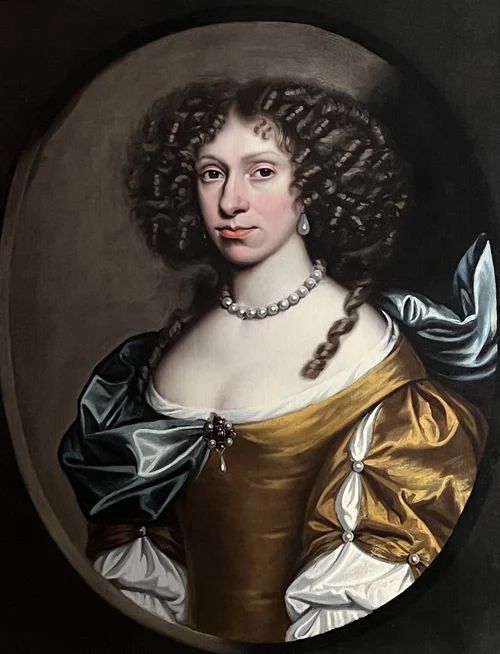
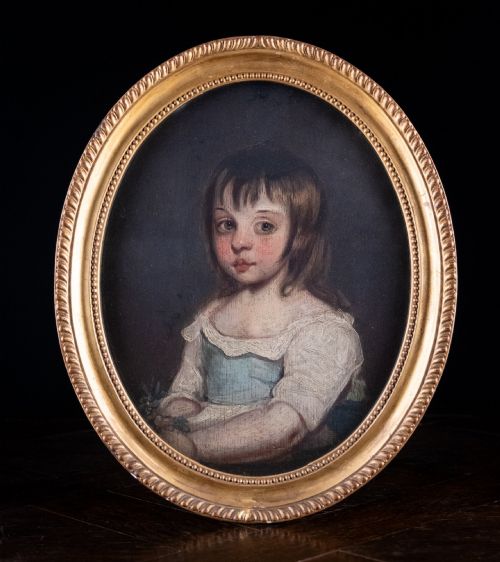
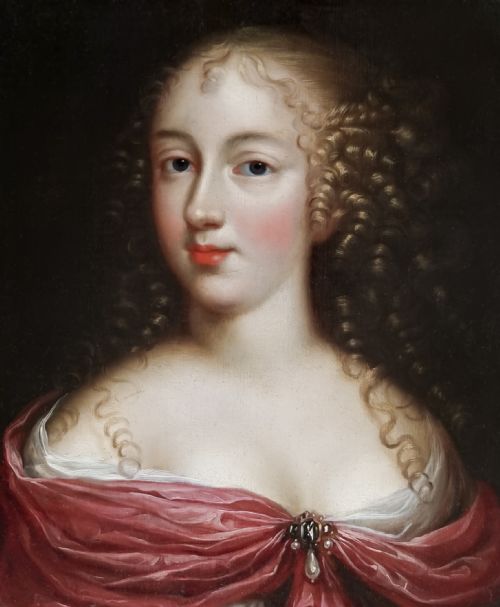
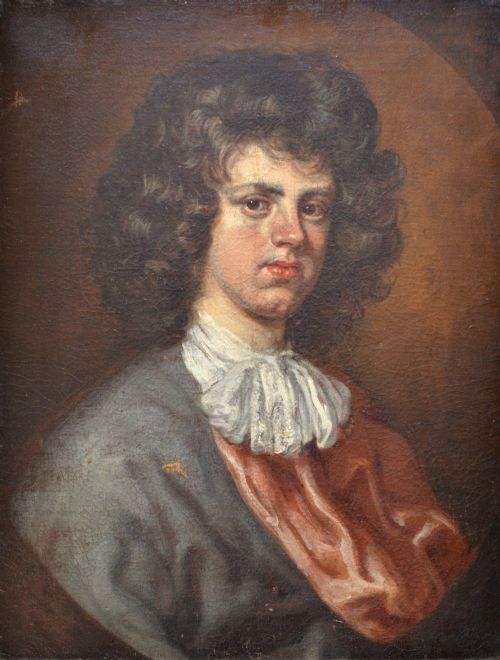
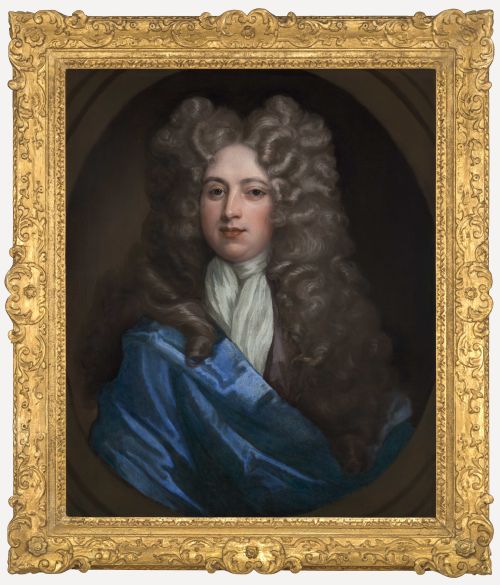
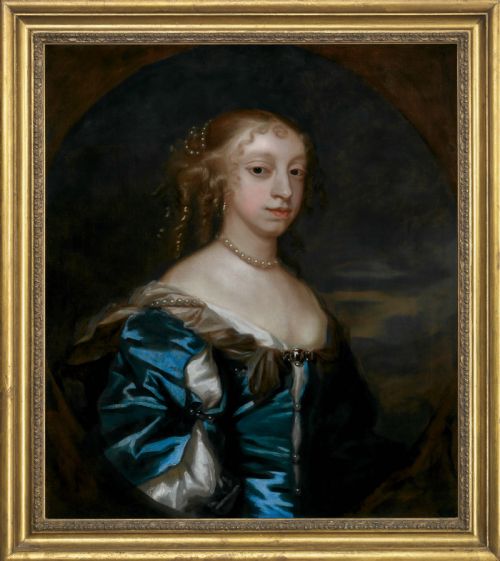
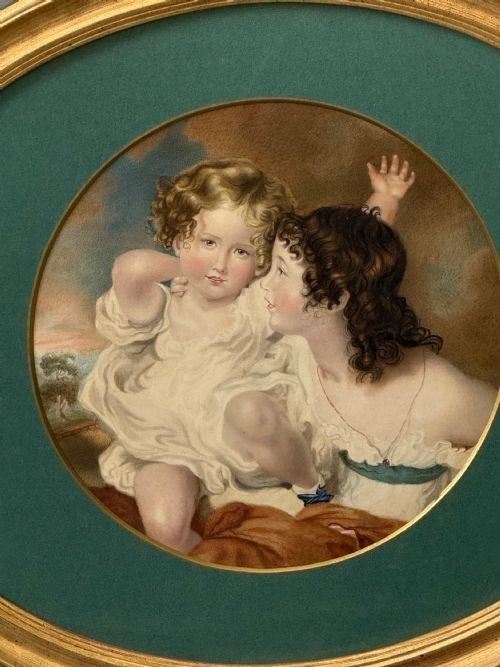
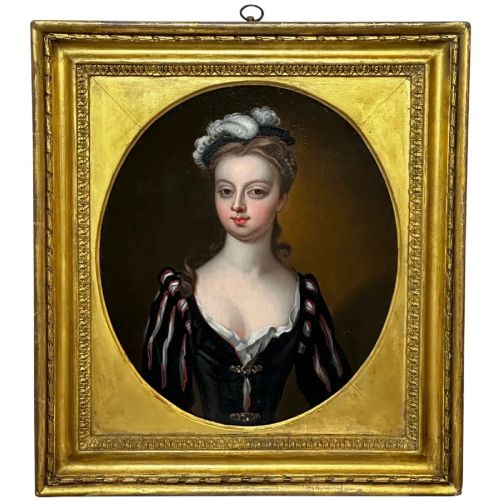
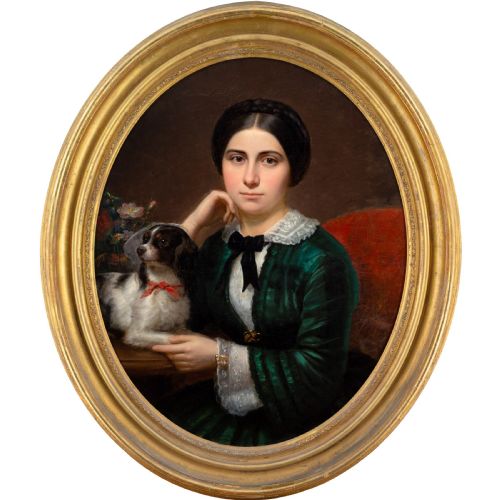
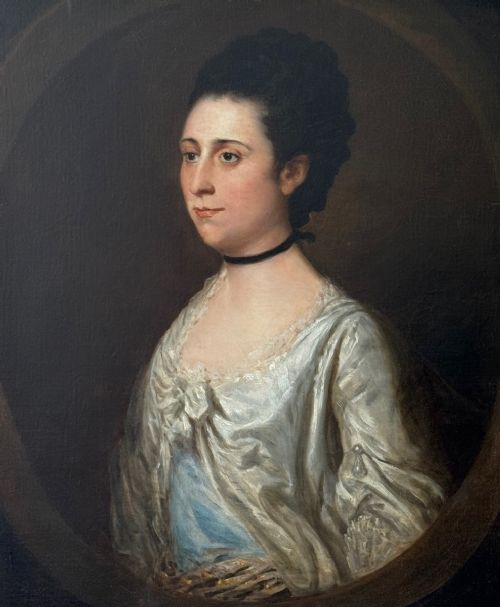
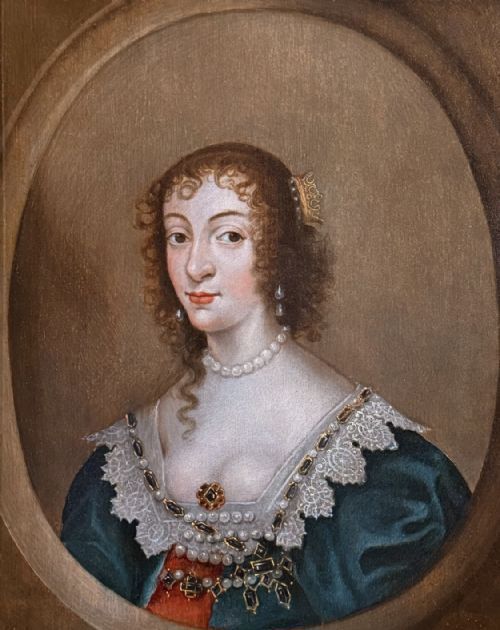
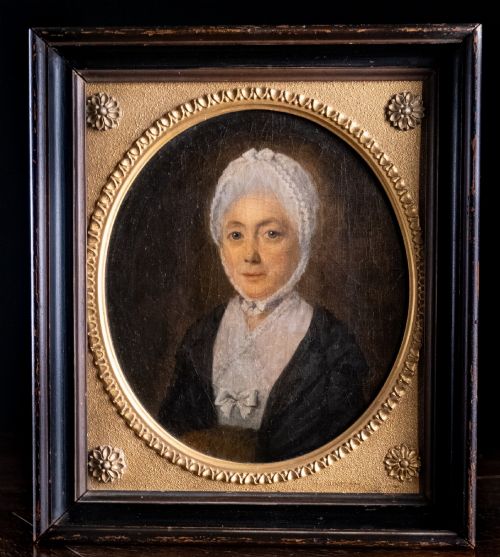
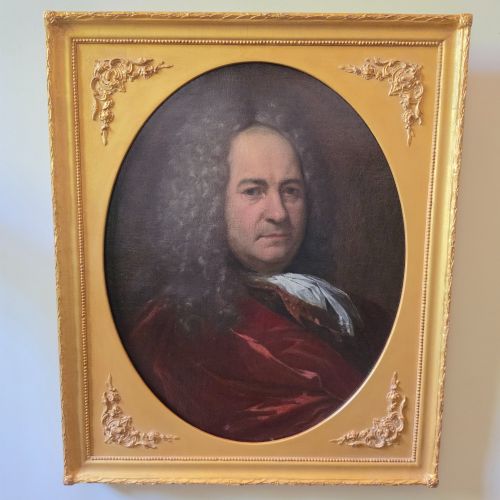
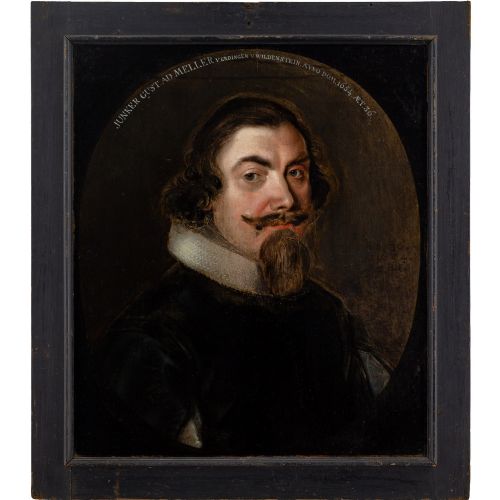
When you search for oval portrait fine art, you encounter historic likenesses rendered in curved formats that concentrate the viewer's gaze upon the sitter.
Oval Portrait Fine Art
Oval portrait fine art comprises historical paintings and miniatures housed within curved boundaries, shifting visual emphasis entirely toward the subject's face and expression. These pieces span centuries of artistic production, originating primarily from the seventeenth and eighteenth centuries alongside later nineteenth-century examples.
The format appears across various media, including oil on canvas, oil on panel, and delicate portrait miniatures. Sitters range from nobility and physicians to children and country girls, captured through the stylistic lenses of Georgian, Baroque, Jacobean, and Victorian aesthetics.
Collectors browsing this selection meet works attributed to named artists, school circles, and regional British, French, and German institutions. The curved presentation inherently alters how compositions function, cutting away extraneous background corners to intensify psychological focus.
Materials and Techniques
Artists painted these works predominantly using oil on stretched canvas or wooden panels, applying layers of pigment to build depth in skin tones and garments. Panel paintings often utilise sturdy timber supports, while canvas works rely on woven fabric primed for fine brushwork.
Portrait miniatures and plumbago drawings incorporate paper, glass, and specialised mounting techniques to protect delicate graphite or watercolour applications. Giltwood and ebonised frames tailored to the curved geometry complete the physical construction of these pieces.
Listings span seventeenth-century panels to twentieth-century canvases, utilising oil, watercolour, and plumbago.
Assessing Quality and Execution
Quality rests upon the precision of facial rendering, particularly the handling of light in the eyes, lace textures, and skin translucency. Superior examples demonstrate confident brushwork and anatomical accuracy that capture the distinct personality of the sitter.
The integrity of the original support system and the preservation of the painted surface dictate the overall grade. Works retaining their period frames and untouched pigment layers command greater appreciation among collectors.
David Scougall·James Sharples·Thomas Beach·William Naish·Nicolas Freese
The Oval Portrait Fine Art Glossary
- Oil on canvas
- Pigment mixed with drying oil applied to a woven fabric support. This surface medium dominates historical portraiture from the seventeenth century onward.
- Portrait miniature
- A small, highly detailed painting designed for intimate viewing. These works frequently incorporate watercolour on vellum or ivory, secured behind protective glass.
- Giltwood
- Wood carved and coated with a thin layer of gold leaf. This material frequently frames antique portraits to enhance their visual presence.
- Plumbago
- An early form of pencil drawing utilising graphite. Artists during the eighteenth century employed this medium for monochrome portraiture.
- Circle of
- A designation indicating an artist worked closely within the studio or sphere of a master. This attribution reflects stylistic alignment rather than direct signature.
Oval Portrait Fine Art: Frequently Asked Questions
How do I date an oval portrait?
Dating relies heavily on the costume, hairstyles, and lace collars worn by the sitter, which shifted rapidly across decades. Examining the construction of the wooden panel or the weave of the canvas also provides reliable chronological markers.
Secondary clues include the framing style, canvas stamps, and inscriptions left on the reverse by previous owners or restorers. Comparing brushwork techniques to documented examples from specific artistic circles narrows the production window further.
Where were these portraits displayed?
Historically, families hung these works in private drawing rooms, galleries, and stairwells within stately homes and townhouses. Oval formats were specifically chosen to soften rigid wall panelling and complement decorative plasterwork.
Smaller miniatures were often kept in private chambers, carried in pockets, or worn as personal jewellery close to the heart. Their intimate scale fostered personal connections between the viewer and the depicted ancestor or monarch.
What is a plumbago portrait?
A plumbago is a detailed monochromatic drawing created using graphite, which was historically known as plumbago. These works gained popularity during the Georgian period for their crisp precision and subtle tonal gradations.
Artists used fine strokes to capture likenesses with photographic clarity long before the invention of the camera. They represent a specialised subset of paper-based fine art highly prized by dedicated portrait collectors.