


Historical Military Portrait
When you search for a historical military portrait, you enter a tradition of painted leadership and campaign service spanning several centuries.
Historical Military Portrait
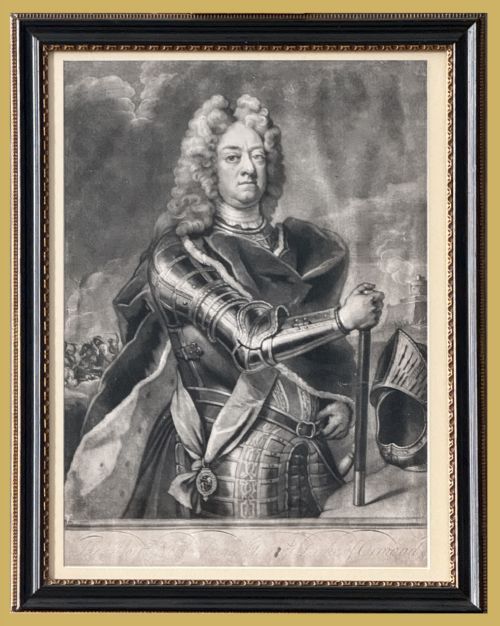
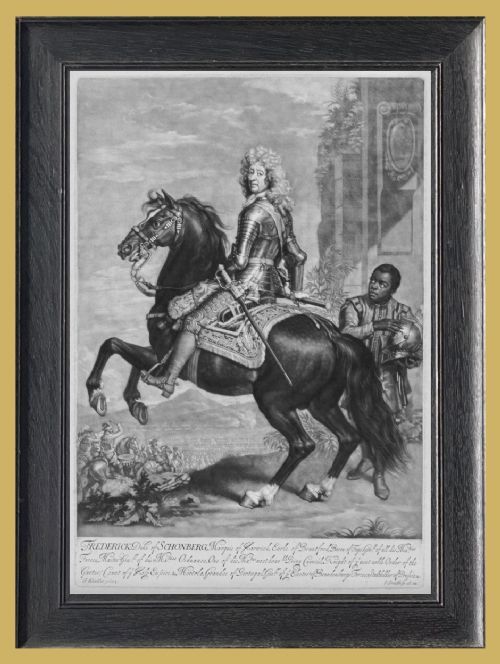
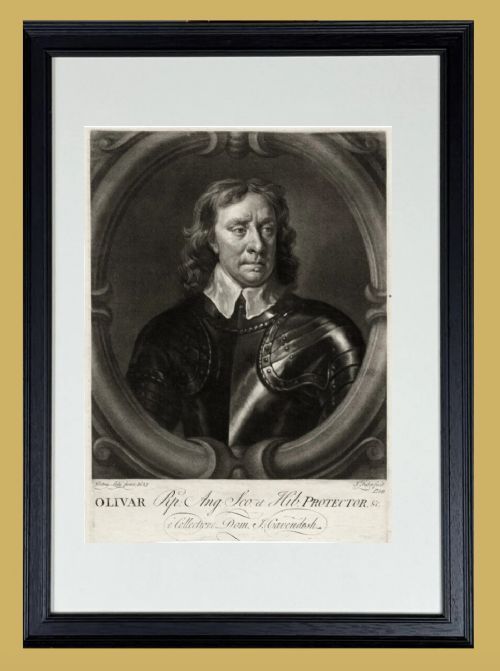
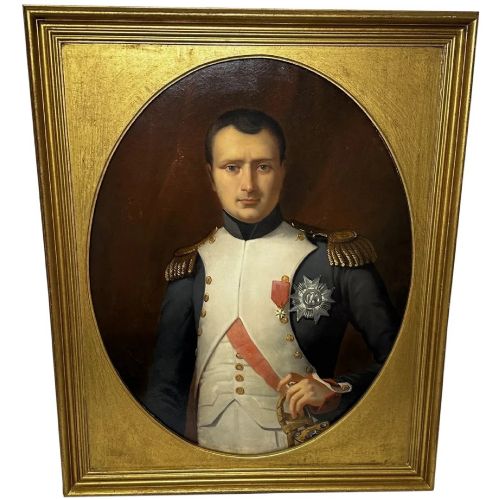
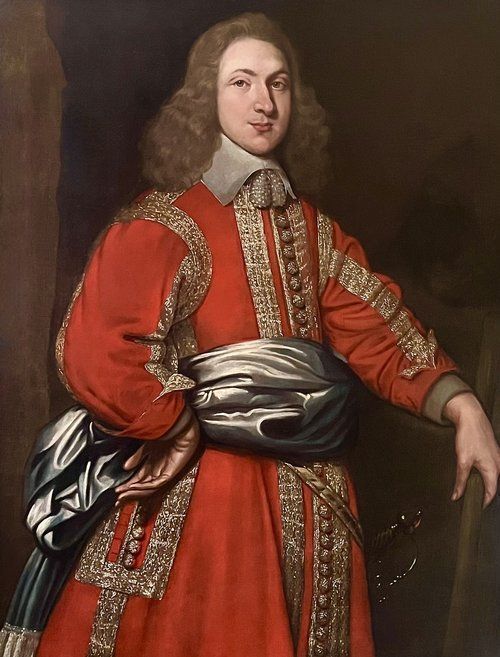
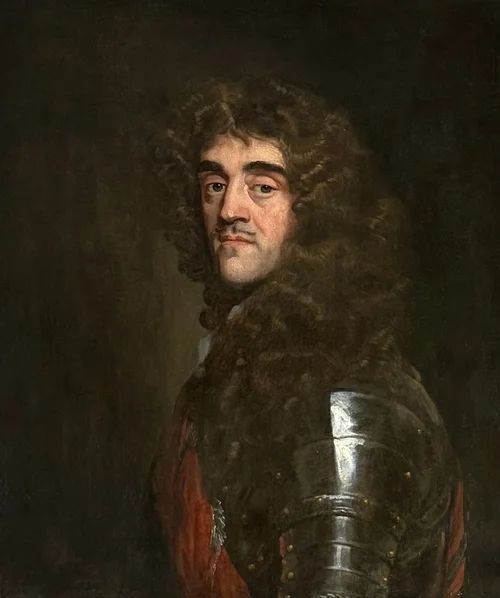
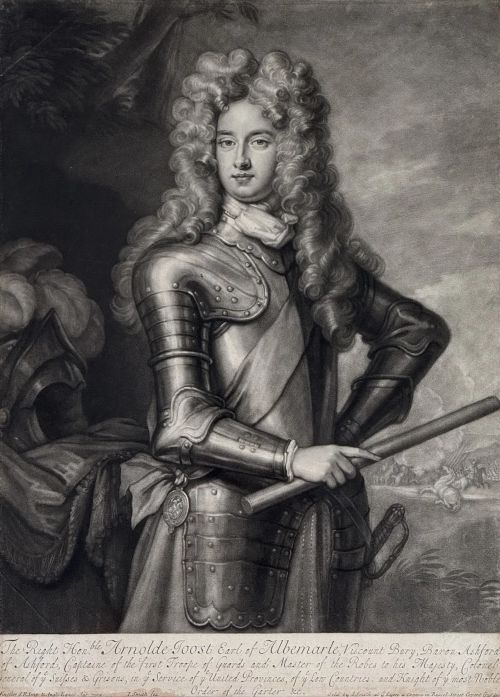
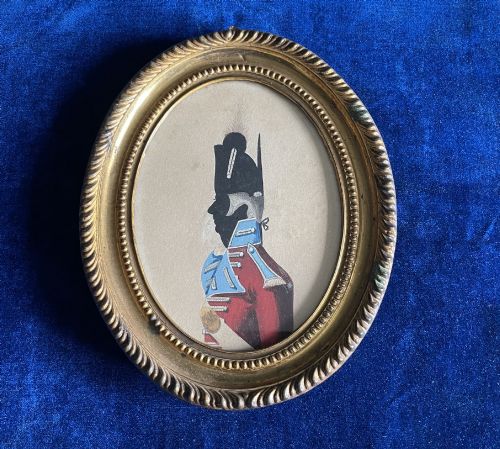
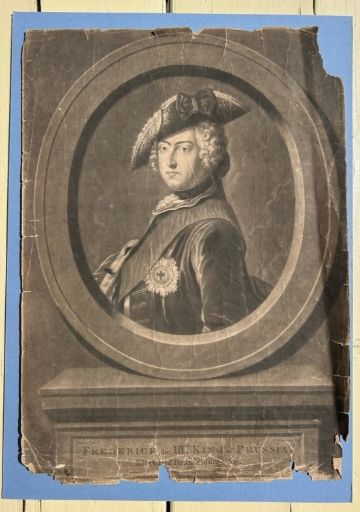
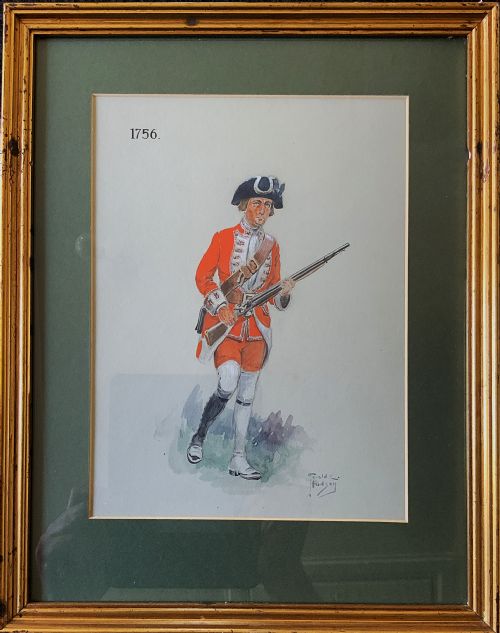
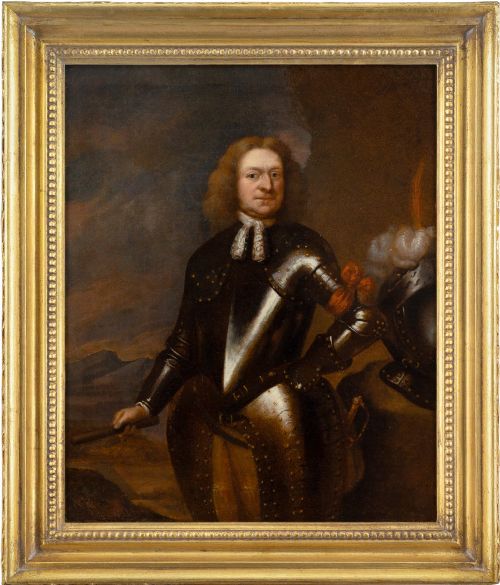
A historical military portrait depicts officers, generals, and commanders from various European conflicts, rendered in oil on canvas, watercolour, or via print formats such as mezzotint engraving. These works capture notable figures ranging from seventeenth-century cavaliers in full armour to nineteenth-century generals and admirals.
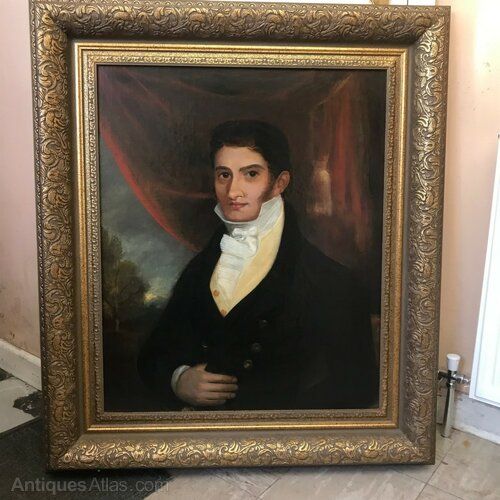
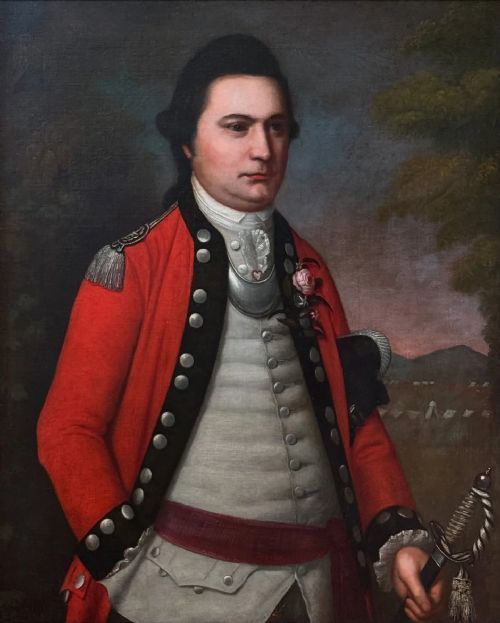
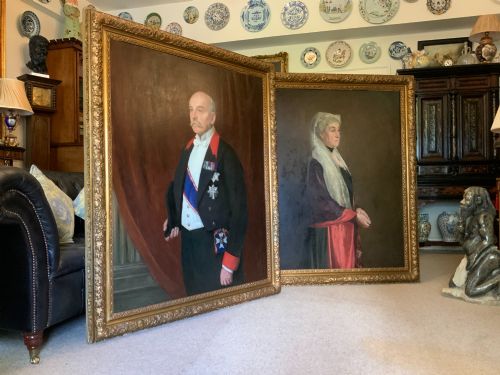
The most common form encountered in these listings is the oil painting, often framed in giltwood, presenting half-length or full-length subjects in uniform or service dress. Examples extend across periods from the seventeenth century through to the mid-twentieth century, recording individual service history and regimental identity.
Subjects include named commanders such as Oliver Cromwell, the Duke of Wellington, and Napoleon, alongside anonymous officers and aristocratic soldiers. Styles shift from the Baroque and Georgian eras into nineteenth-century realism and later commemorative works.
Materials and technique
Canvas serves as the primary support for oil paintings, stretched over wooden frames and built up with ground layers before the application of oil pigments. Artists also utilised paper for watercolours and print processes, mounted beneath glass within timber or gilt frames.
Printmakers employed copper plates for mezzotint engravings, working the surface with a rocker to create rich tones and subtle light gradations after original paintings by masters. Potters shaped earthenware figures such as Staffordshire portrait pieces, applying hand-painted glaze to depict military leaders.
Listings feature oil paintings, watercolours, and mezzotint engravings spanning the seventeenth to the twentieth century.
Assessing quality
Quality rests upon the skill of the brushwork and the accuracy of the anatomical and uniform detailing achieved by the artist. Master painters and skilled contemporary printmakers capture individual character and fabric texture with greater precision than anonymous or studio copies.
The integrity of the original surface, the depth of the surviving pigment, and the condition of the support frame influence the visual strength of each piece. Superior examples retain their original canvas tension and unblemished paint layers without excessive later restoration.
John Simon·Michael Dahl·Stickland Lowry·John Smith·Sir Godfrey Kneller·Joseph Sympson·Sir Peter Lely·Antoine Pesne·Ernest Crofts·Sir Anthony van Dyck·Francis Russell Flint·Albert Ferdinand Le Dru·Ramsay Richard Reinagle·Wybrand de Geest
The Historical Military Portrait Glossary
- Mezzotint
- A printmaking process where the copper plate is roughened uniformly to produce dark tones, then scraped to create lighter areas. This technique allows for subtle tonal gradations, popular in eighteenth-century portrait reproduction.
- Cavalier
- A seventeenth-century royalist supporter, often depicted in contemporary art wearing long hair, armour, and a sash. The style reflects the aristocratic military fashion of the English Civil War period.
- Giltwood
- Timber carved and coated with a thin layer of gold leaf or metallic powder. It provides ornate framing for formal oil paintings across the Georgian and Victorian eras.
- Portrait miniature
- A small-scale painting executed with fine detail on ivory, vellum, or paper. These portable likenesses were frequently commissioned by military officers for personal keepsakes.
Historical Military Portrait: Frequently Asked Questions
What periods do these portraits cover?
The works span from the seventeenth century through the Georgian and Victorian eras up to the mid-twentieth century.
Earliest examples depict seventeenth-century officers in armour, while later pieces record nineteenth-century generals and campaigns.
Are all the subjects identified?
Many paintings and prints name specific historical commanders, noblemen, or generals in their titles.
Other works record anonymous infantry officers, aristocratic gentlemen, or naval personnel from various European conflicts.
What mediums were used for these artworks?
Artists worked primarily in oil on canvas, alongside watercolours, wash drawings, and paper supports.
Printmakers produced mezzotint engravings, and ceramicists modelled Staffordshire pottery figures of military leaders.
How should framed oil paintings be displayed?
Oil paintings on canvas require stable indoor environments away from direct sunlight and excessive humidity.
Proper wall placement protects the wooden stretchers, giltwood frames, and the pigment layers from environmental degradation.