



Historical Military Painting
When collecting historical military painting, you secure a tangible record of past campaigns, cavalry skirmishes and officers in armour through canvas and watercolour.
Historical Military Painting
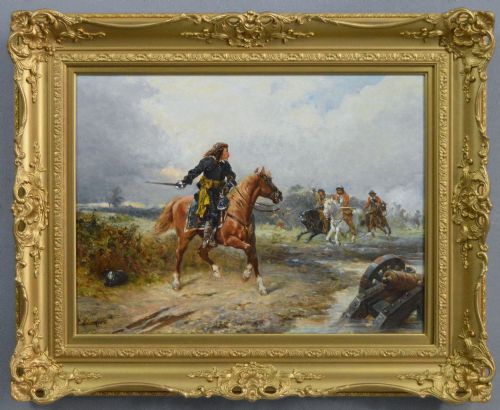
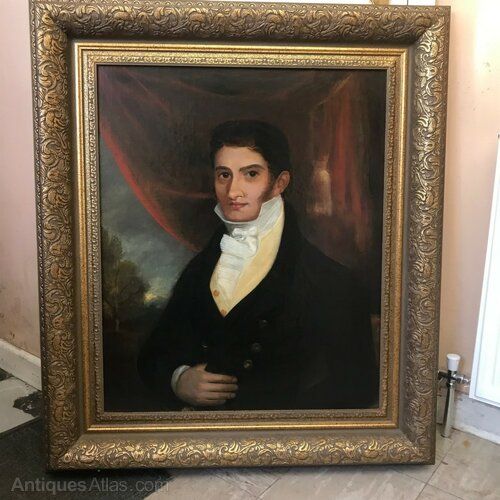
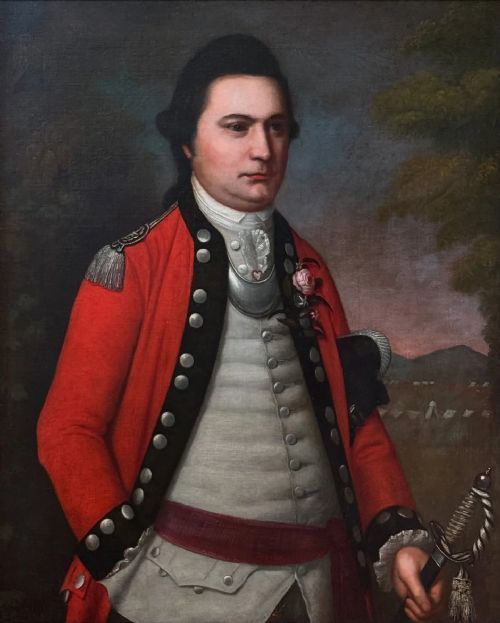
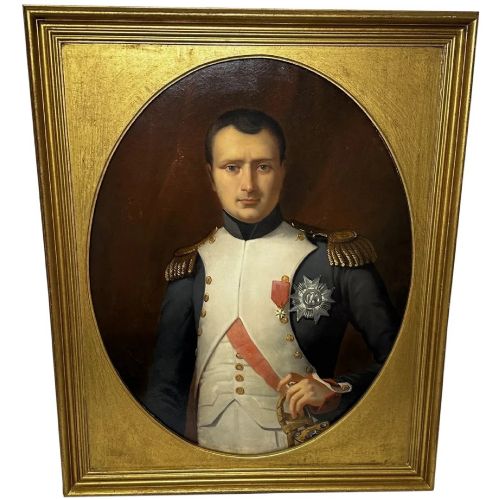
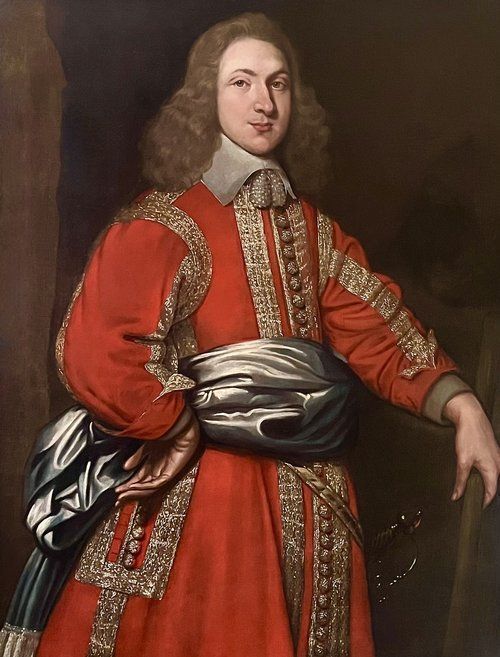
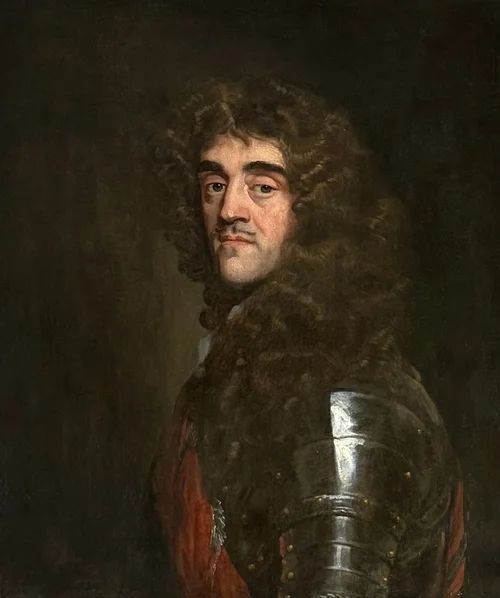
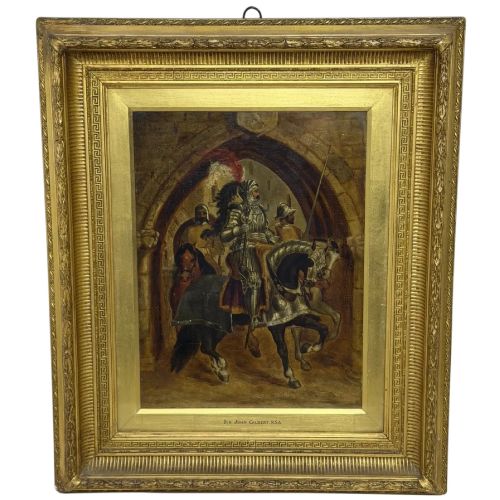
A historical military painting captures officers, commanders and battle scenes ranging from seventeenth-century conflicts to twentieth-century engagements. The most common examples on this page are oil portraits of officers in armour or red coats alongside narrative watercolours of campaigns.
These works span multiple periods including the seventeenth, eighteenth and nineteenth centuries, reflecting shifts in portraiture and battle art. Artists recorded both famous generals like the Duke of Wellington and anonymous soldiers.
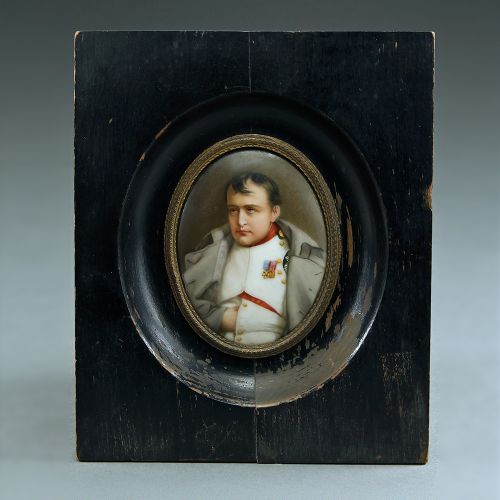
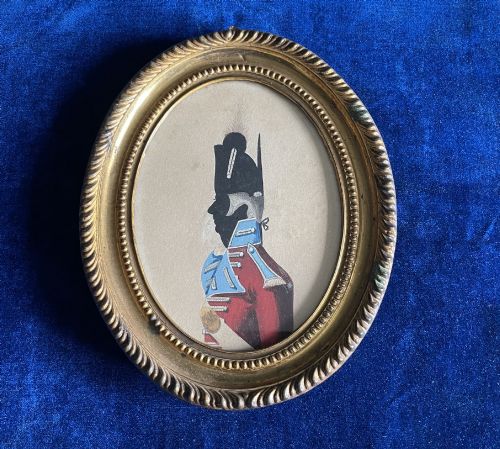
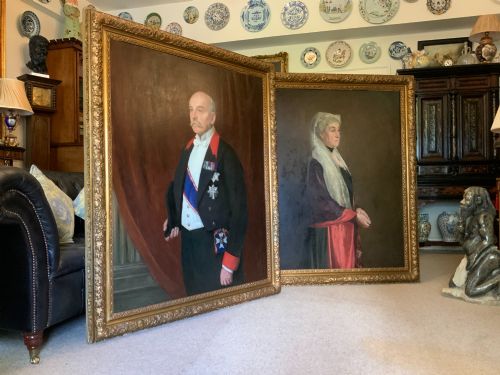
Formats vary from large oil canvases and framed historical militia pairs down to delicate miniature paintings on paper and glass. Each piece preserves the uniform, rank and equipment of past armies.
Materials and technique
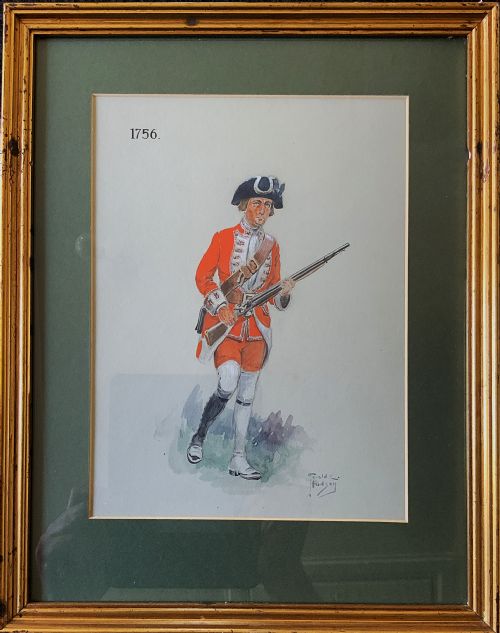
Painters applied oil paint onto stretched canvas and wood panels, building rich textures for red coats, steel armour and dark backgrounds. Watercolours and wash on paper were utilised for rapid field sketches and detailed campaign studies.
Frames of giltwood frequently house these works, complementing the dark tones of oil paint and the fine detail of miniature portraits. Canvas supports dominate larger portraits, while paper accommodates delicate military watercolours.
The selection includes formal portraits of generals, cavalry skirmishes, naval battles and narrative scenes of roundhead soldiers.
Assessing quality
Quality rests upon the artist's ability to render facial expression, anatomical proportion and the accurate detail of military uniforms, sashes and armour. Works by named painters or established circles demonstrate superior brushwork compared to primitive or studio pieces.
Condition of the canvas, pigment stability and the presence of original frames influence the overall standard of a piece. Finer works display careful handling of light on metal and cloth, whereas lesser examples rely on formulaic backgrounds.
Stickland Lowry·John Greenhill·Nicolas De Largilliere·John A. Houston·David Scougall·Jean Sobieski·Ernest Crofts·Frank Dadd·Sir Thomas Lawrence·Francis Russell Flint·Albert Ferdinand Le Dru·George Cattermole·Ramsay Richard Reinagle·John F.H. Dutton·Wybrand de Geest
The Historical Military Painting Glossary
- Canvas
- A heavy woven fabric stretched across a wooden frame to serve as a support for oil painting. It provides a durable surface that holds layered pigments securely over centuries.
- Giltwood
- Wood carved and covered with a thin layer of gold leaf or gold paint. Frames made from this material are common on traditional portraits and historical art.
- Miniature painting
- A small-scale portrait or scene executed with fine brushstrokes on paper, vellum or glass. These portable works often depict individual officers in high detail.
- Oil paint
- Pigment mixed with a drying oil such as linseed, allowing for smooth blending and deep colour saturation. It remains the primary medium for large historical and military canvases.
- Wash
- A thin, transparent layer of diluted watercolour paint applied to paper to create smooth background tones or atmospheric effects in military sketches.
Historical Military Painting: Frequently Asked Questions
How do I identify seventeenth-century military portraits?
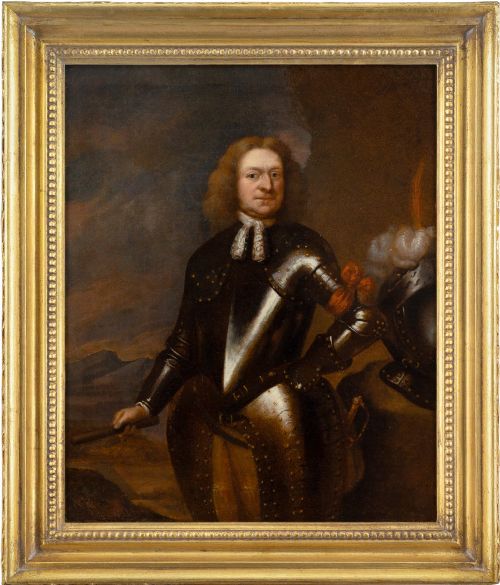
Look for specific clothing styles such as full suits of steel armour, lace collars and red sashes worn by cavaliers and commanders. Artists of this era often painted subjects in half-length poses with dark, neutral backgrounds.
The canvas texture and wooden stretcher construction also offer clues to age, alongside any inscribed names or biographical details recorded on the frame.
What is the difference between oil and watercolour military art?
Oil paintings on canvas were typically commissioned as formal portraits of generals or large battle scenes meant for display in grand rooms. Watercolours on paper served as portable records, campaign studies and detailed illustrations of specific regiments.
Oils offer rich texture and deep colour permanence, while watercolours rely on delicate washes to capture light and movement quickly in the field.
How should I display antique oil paintings at home?
Hang paintings away from direct sunlight and fluctuating heat sources to protect the canvas and oil pigments from cracking or fading. Ensure the wall fixings can safely support the weight of the heavy wooden frame.
Keep the room humidity stable to prevent the canvas from slackening and maintain the original giltwood frame in clean condition.
What do uniform details reveal about a painting?
Uniforms, medals and headwear help date the artwork and identify the specific regiment, rank or nationality of the soldier depicted. Red coats typically indicate British infantry, while armour styles point to earlier centuries of European warfare.
Studying buttons, lace and weaponry allows collectors to connect the portrait to documented historical campaigns and military units.