




Historic Print
A historic print preserves the artistry of past centuries through ink, paper, and hand-coloured cartography, offering a direct link to Georgian, Victorian, and Jacobean interiors.
Historic Print
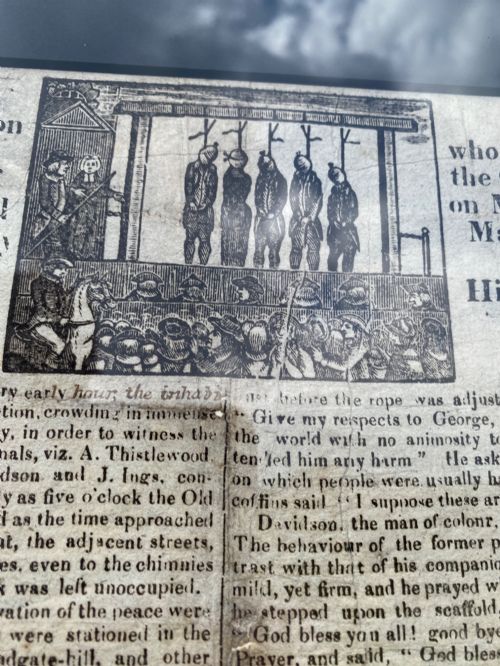
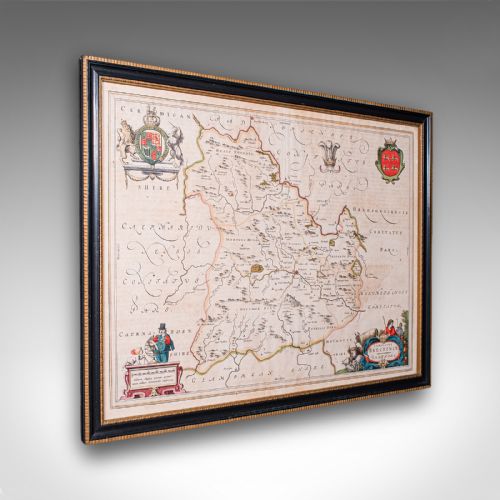
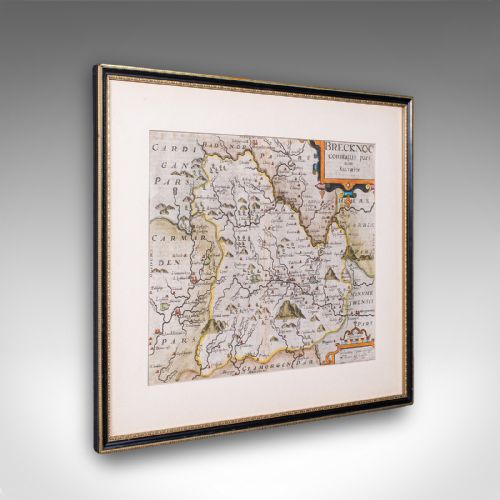
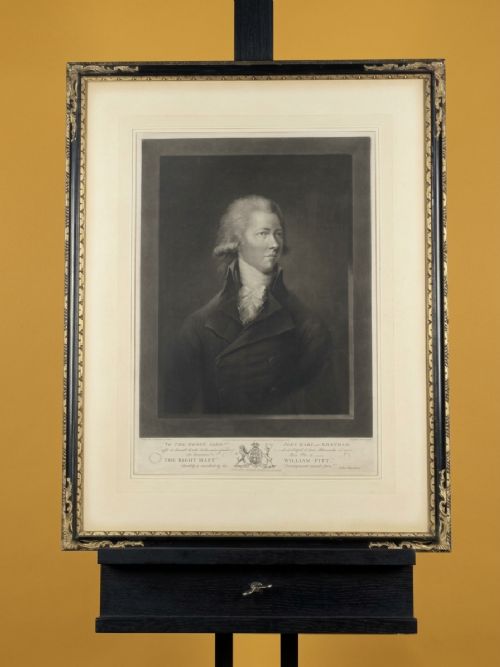
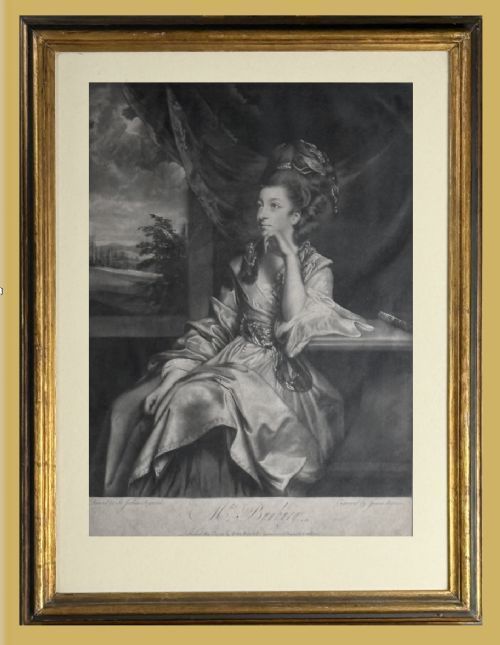
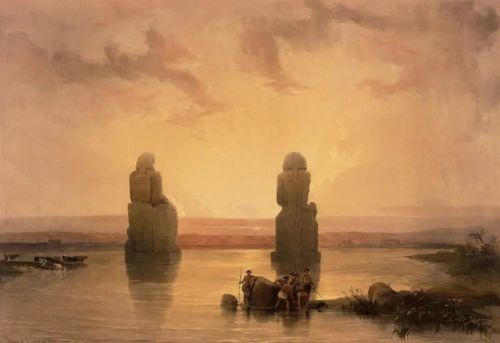
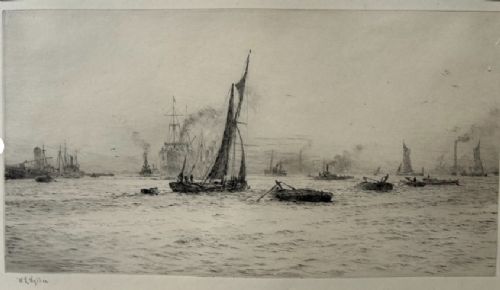
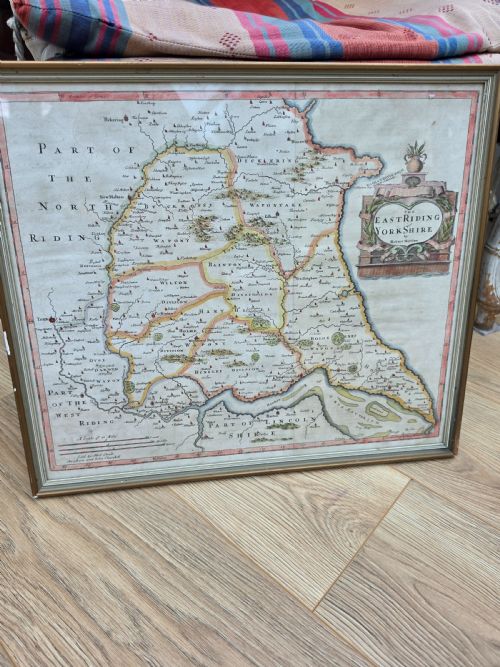
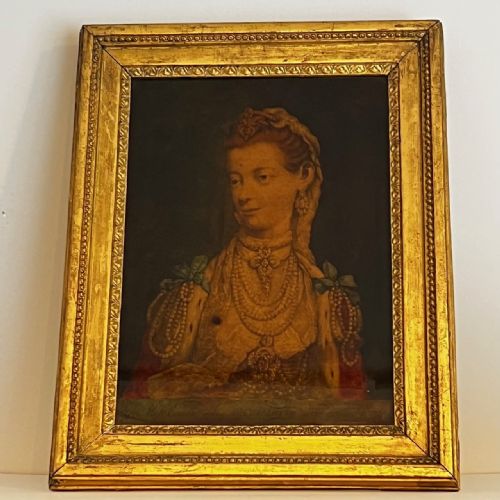
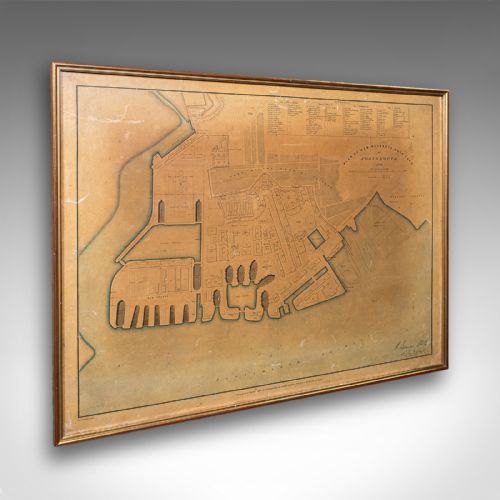
A historic print encompasses framed antique maps, mezzotint portraits, engravings, and original etchings spanning from the seventeenth century through the Victorian era. These wall art pieces and framed cartography selections frequently feature works by noted cartographers and artists from British and European traditions.
Buyers most commonly encounter seventeenth-century county maps alongside eighteenth-century portraiture and nineteenth-century London views. These items arrive framed in wood or giltwood, often preserved behind glass with period paper and ink intact.
Materials and construction
Makers utilised traditional paper, ink, and watercolour applied by hand, alongside specialist techniques such as mezzotint engraving and reverse glass printing. Cartographic works often involved copperplate engraving to achieve fine lines and detailed topography.
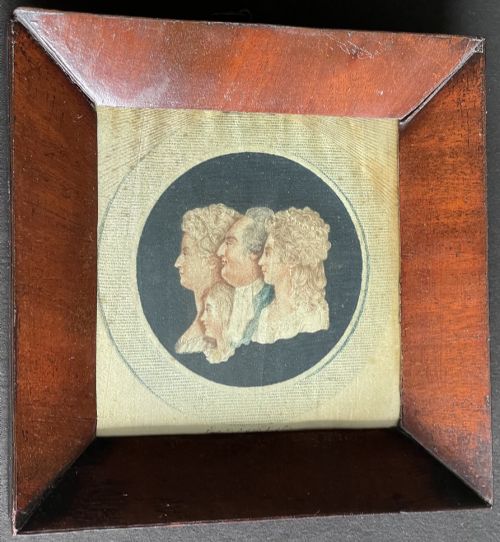
Framing materials range from simple timber mouldings to ornate giltwood frames, whilst specific items incorporate unusual substrates including silk and fabric wall panels.
Historic Print Retail Price Guide 2026
Typical asking prices for historic print among the pieces listed under this phrase on Sellingantiques today, from the lower quarter to the upper quarter. They describe what is for sale here now, not the wider market.
Quality factors
The clarity of the impression and the crispness of the ink lines distinguish superior examples from worn plates. Early printings from copperplates retain fine architectural and cartographic details that later impressions lose.
The survival of original hand-colouring, contemporary framing materials, and sheet margins heavily influences the standing of a piece within its period.
John Speed·Jan Blaeu·William Daniell·Sir Joshua Reynolds
The Historic Print Glossary
- Mezzotint
- A printmaking process where the copper plate is roughened to produce dark tones, allowing smooth gradations of light and shade. This technique was frequently utilised for eighteenth-century portraiture.
- Cartography
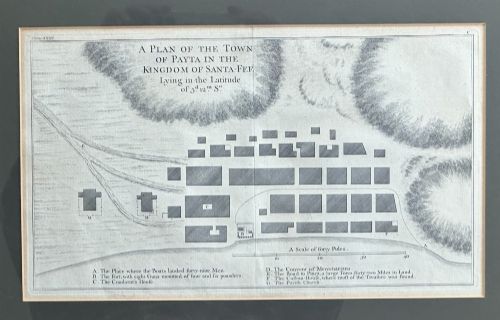
- The science and art of making maps, heavily represented here by seventeenth-century county maps and town plans. These pieces record historical borders and settlements.
- Engraving
- A method of cutting a design into a metal plate with a burin to hold ink for printing. It produced the fine lines seen in historical town plans and panoramic views.
- Giltwood
- Wood carved and treated with a thin layer of gold leaf, commonly seen on frames housing eighteenth and nineteenth-century works.
Historic Print: Frequently Asked Questions
How should I hang a historic print?
Protect antique paper and watercolours by positioning them away from direct sunlight and excessive humidity. Use stable wall fixings suited to the weight of traditional wood and giltwood frames.
Ensure frames hang securely on picture hooks rather than simple wire where possible, maintaining a consistent indoor climate to preserve the paper and ink.
Are these maps original period printings?
The selection includes cartography from the seventeenth, eighteenth, and nineteenth centuries, produced during the operational periods of the respective mapmakers. Examination of the paper stock and plate marks helps confirm the age of each piece.
Each map reflects the geographical knowledge and engraving techniques of its specific publication date, from early county surveys to Victorian town plans.
What is a mezzotint portrait?
A mezzotint is a tonal printmaking method developed to reproduce paintings with subtle shifts in light and shadow. Eighteenth-century examples often capture prominent historical figures after artists like Sir Joshua Reynolds.
These prints offer deep, velvety dark areas that distinguish them from standard line engravings.
How do I care for silk prints?
Items printed on silk require specialised framing with conservation-grade materials to prevent fabric degradation. Keep them in rooms with stable temperatures and minimal light exposure.
Avoid any moisture contact, as textiles react poorly to humidity fluctuations compared to traditional rag paper.