



Historic Portraiture Wall Art
Historic portraiture wall art brings centuries of faces into a room, offering genuine glimpses of past nobility, gentry and notable figures.
Historic Portraiture Wall Art
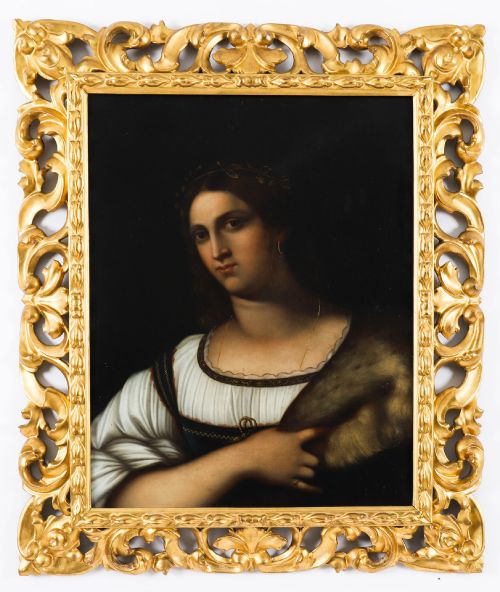
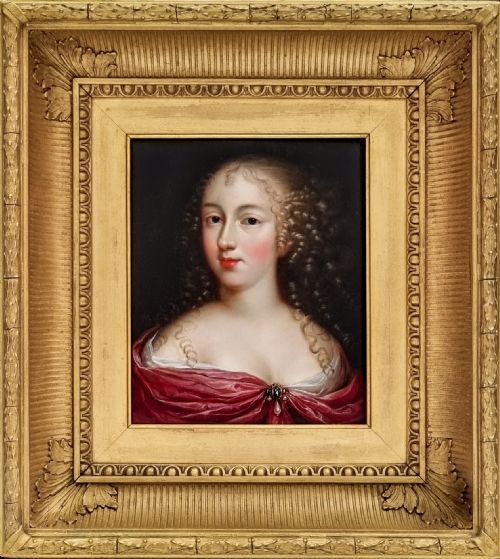
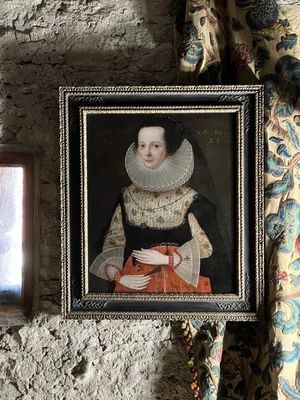
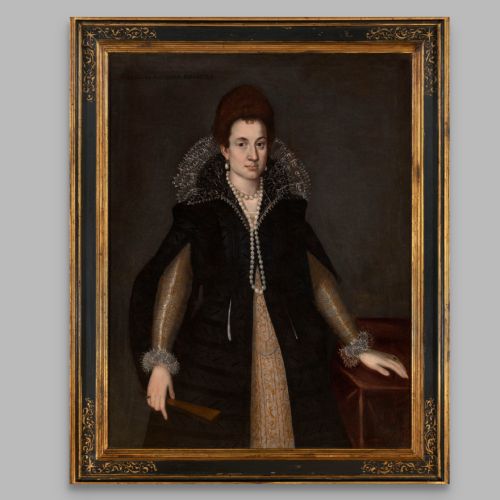
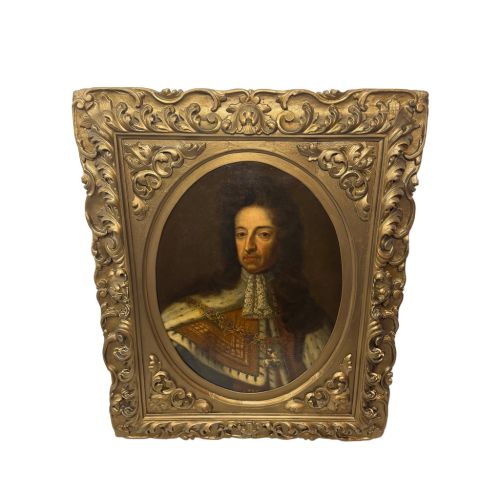
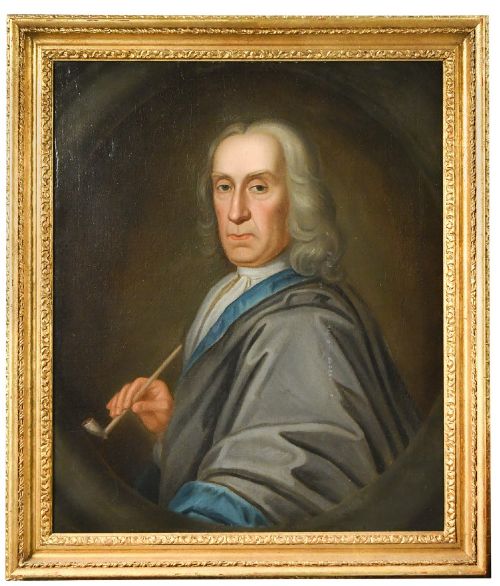
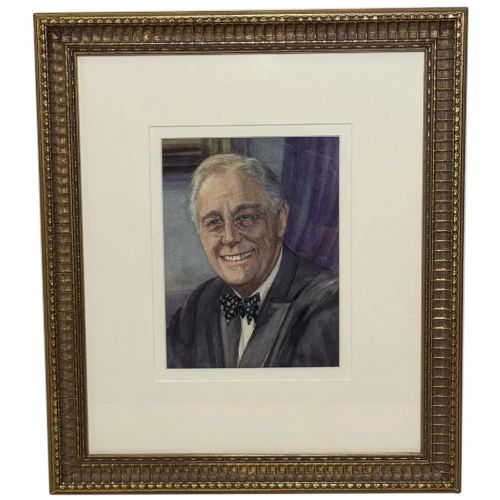
Historic portraiture wall art comprises painted and printed likenesses spanning several centuries, capturing subjects ranging from seventeenth-century noblewomen to nineteenth-century figures. These works often arrive framed in heavy giltwood, preserving the visual weight of earlier centuries.
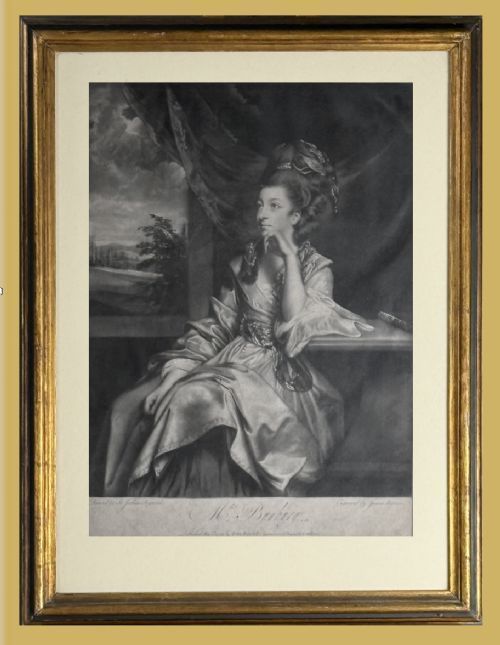
The selection leans heavily toward oil paintings on canvas and panel, alongside period mezzotints and fine art prints. Pieces frequently emerge from defined historical movements like the Baroque, Georgian and Victorian eras, presenting subjects with distinct period attire and accessories.
Buyers encounter named sitters alongside anonymous subjects, each conveying the distinct social standing or professional life of their era. English and continental schools dominate the selection, offering varied interpretations of human likeness across generations.
Materials and technique
Frames play a crucial role in the presentation, frequently constructed from wood and finished with gold leaf or giltwood. Such frames were designed to complement the status of the sitter and the decorative standards of the period.
Printmakers employed techniques like mezzotint to translate painted portraits into reproducible works on paper. This method allowed tonal gradations that captured the subtleties of light and shadow found in the original paintings.
The listings span multiple centuries, incorporating seventeenth-century panels and twentieth-century canvas works across various European schools.
Distinctions in quality
The integrity of the original support, whether canvas or panel, dictates the longevity and stability of the painted surface. Works that retain their original giltwood frames without heavy restoration demonstrate better overall preservation.
Attribution to documented artists or well-recorded schools elevates a piece above standard decorative portraiture. Historical provenance adds context regarding the sitter and the workshop responsible for the execution.
James Watson·Sir Joshua Reynolds·John Greenhill·Richard Cosway·John Raphael Smith
The Historic Portraiture Wall Art Glossary
- Mezzotint
- A printmaking process where the copper plate is roughened to achieve rich dark tones and subtle gradations of light. This technique gained popularity for reproducing oil paintings of notable figures.
- Giltwood
- Wood carved and coated with gold leaf or gold paint to create a lustrous decorative surface. These frames often accompany fine paintings from the seventeenth century onward.
- Panel painting
- A painting executed on a flat piece of wood rather than stretched canvas. This practice was common in earlier centuries before canvas became the dominant support.
- Baroque
- An artistic style characterised by drama, rich detail and deep chiaroscuro. Works from this period use strong lighting to create theatrical presence.
- Provenance
- The documented history of ownership of an artwork from its creation to the present day. Clear provenance helps verify the identity of the sitter and the creator.
Historic Portraiture Wall Art: Frequently Asked Questions
How do I date a historic portrait?
Dating relies heavily on the clothing style, hair arrangement and any visible accessories worn by the sitter. Written inscriptions on the reverse or contemporary documentation also help anchor the work to a specific decade.
Frame styles provide additional clues, though frames were frequently replaced or updated in later centuries. Comparing the handling of paint with documented works by contemporary schools narrows the timeframe further.
What is an English school painting?
The term English school refers to artworks produced in England by artists working within British traditions during a particular era. It often denotes a painting whose specific creator remains anonymous but whose stylistic traits align with national artistic practices.
These pieces reflect the prevailing tastes of patrons commissioning portraits within Britain at that time. They provide insight into the local artistic community and portraiture conventions.
How should I hang these paintings?
Historic portraits require stable wall environments away from direct sunlight and dramatic fluctuations in temperature or humidity. Proper hanging hardware matched to the weight of the heavy wood and gilt frames is essential for security.
Positioning them at eye level allows viewers to engage with the gaze of the sitter as intended by the artist. Adequate wall space lets the ornate frames command attention without crowding.
Are these portraits always painted from life?
Many portraits were created from direct sittings, while others were copied from earlier paintings or produced after the subject had passed. Studio copies and derivative works were common for prominent historical figures or dynastic lineages.
Inscriptions and historical records often clarify whether a work is a primary portrait or an early repetition. Both categories hold distinct historical interest for collectors.