



Historic Portraiture Oil Canvas
Historic portraiture oil canvas pieces are centuries of painted faces rendered in oil on canvas, offering a direct encounter with past lives that collectors prize.
Historic Portraiture Oil Canvas
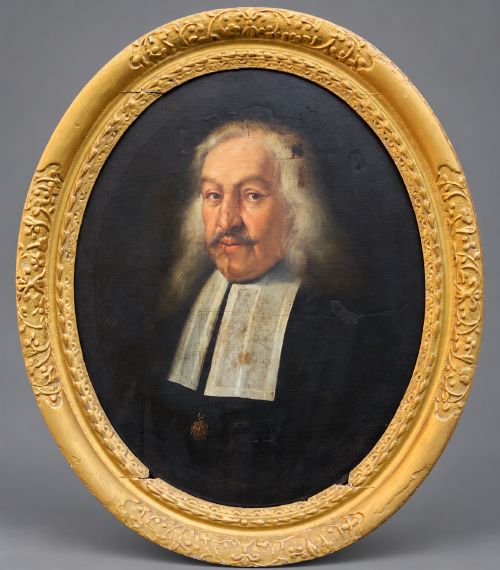
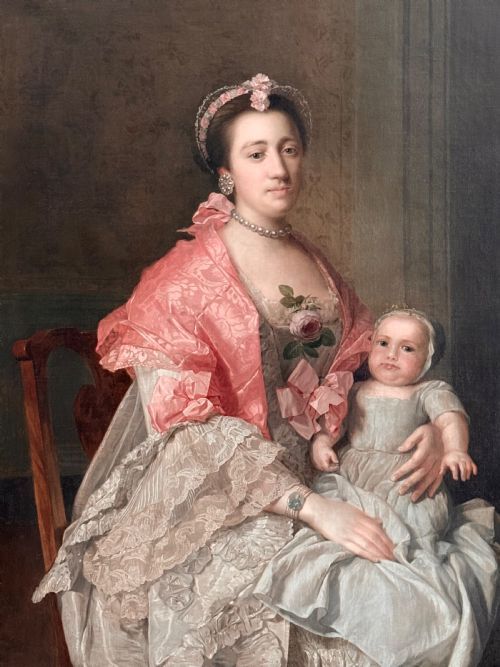
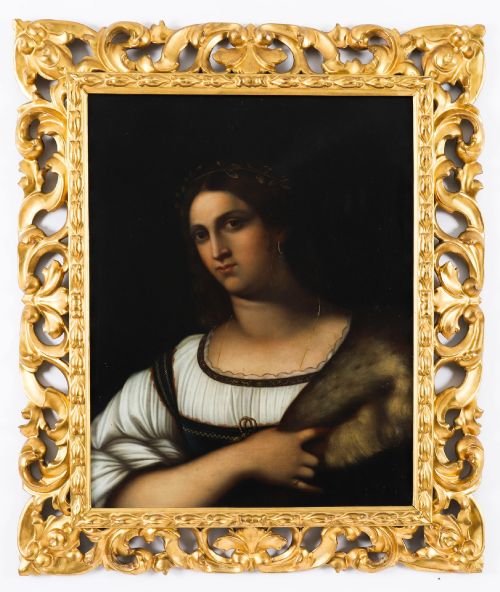
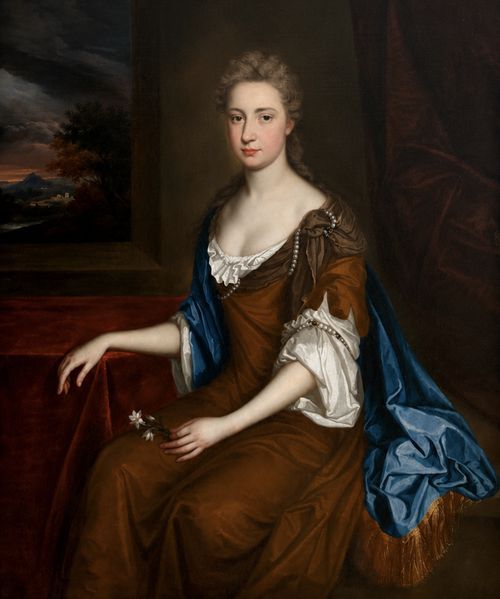
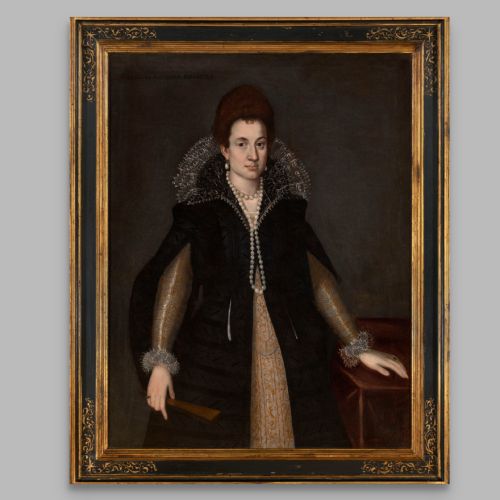
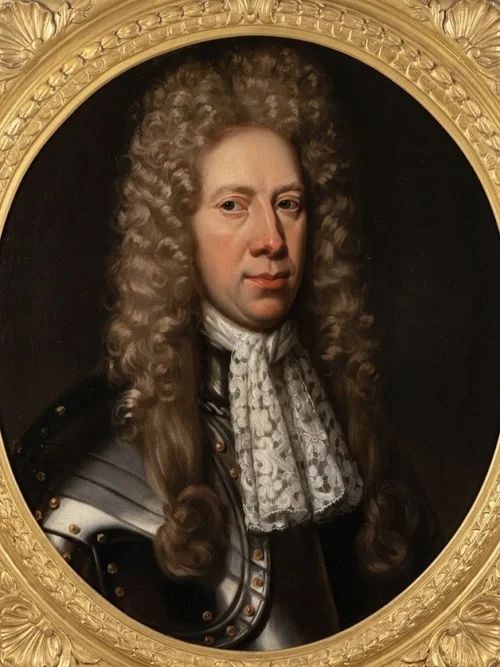
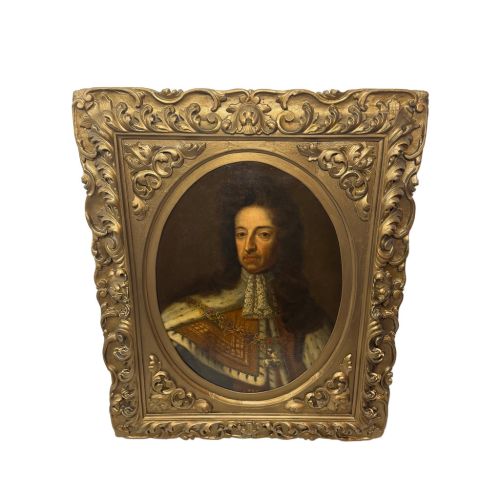
When you examine historic portraiture oil canvas works, you encounter painted likenesses spanning from the seventeenth century through to the twentieth century. These portrait paintings capture aristocrats, gentlemen, ladies, and notable figures rendered in oil on canvas.
The selection ranges from seventeenth-century English school depictions and Georgian canvases to Victorian and later works. You will frequently meet pieces framed in period giltwood or wood, reflecting the aesthetic choices of their respective eras.
How they were made
Makers applied oil paint directly onto stretched canvas surfaces, frequently utilising wood for structural stretching frames and supports. Pigments mixed with oils allowed artists to build rich tones and subtle skin textures over time.
Finished works were typically housed within wooden frames embellished with gold leaf or gilt wood. These surrounds provided structural protection and visual weight appropriate to the stature of the sitters.
Historic Portraiture Oil Canvas Retail Price Guide 2026
Typical asking prices for historic portraiture oil canvas among the pieces listed under this phrase on Sellingantiques today, from the lower quarter to the upper quarter. They describe what is for sale here now, not the wider market.
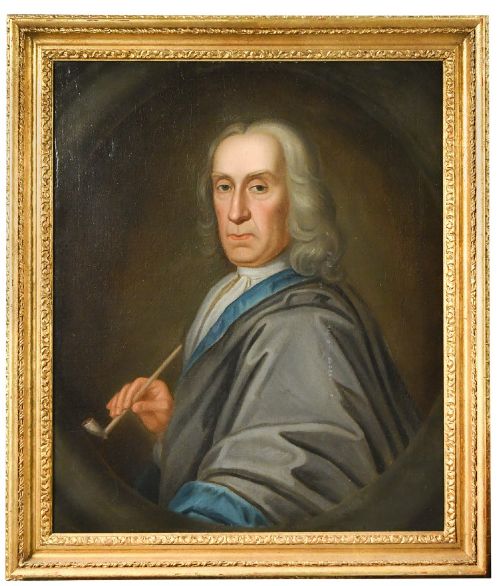
Among the painted gentlemen and dignitaries, a veterinary surgeon proudly holds a pelican tooth extractor for posterity.
What varies in quality
The distinction in these works rests upon the precision of brushwork and the psychological depth captured in the sitter's expression. Masterful handling of light upon fabric and skin separates accomplished studio pieces from more mechanical likenesses.
Material preservation also defines the tier of a piece, specifically the stability of the canvas and the integrity of the original paint layers. Intact period frames that complement the painting add further cohesion to the work.
Sir Allan Ramsay·John Scougall·Pietro Fachetti·John Greenhill·Richard Cosway·Eugen Rosenfeld·Francis Alleyne·Rudolph Lehmann·Sir Peter Lely·John Raphael Smith·Daniel Mytens·Lemuel Francis Abbott·John E Fernley
The Historic Portraiture Oil Canvas Glossary
- Giltwood
- Wood carved and coated with gold leaf or gold paint to create a lustrous decorative frame. These frames frequently accompany oil paintings from the seventeenth and eighteenth centuries.
- Oil on Canvas
- A technique where pigments suspended in oil are applied to a woven fabric support. This combination provides flexibility and durability for large-scale portraiture.
- English School
- A classification for artworks produced by artists working within England during a specific stylistic period. It groups regional traditions rather than a single formal academy.
- Dutch Golden Age
- A period of exceptional artistic production in the Netherlands during the seventeenth century. Works from this tradition emphasise sharp realism and dramatic lighting.
- Baroque
- A European artistic style spanning the seventeenth and eighteenth centuries characterised by movement and dramatic contrast. Portraits in this style often employ deep shadows and rich garments.
Historic Portraiture Oil Canvas: Frequently Asked Questions
What is historic portraiture oil canvas?
Historic portraiture oil canvas encompasses painted representations of individuals created using oil paints on woven fabric supports across multiple centuries. These artworks record the likenesses and social standing of past subjects.
Subjects range from seventeenth-century aristocrats to nineteenth-century professionals and railway figures. Each piece serves as both a historical document and a fine art object.
How were these portraits displayed?
These paintings were traditionally hung within grand houses, parlours, and institutional galleries to project lineage and status. They functioned as focal points for interior spaces.
Contemporary collectors display them in residential settings to anchor a room with historical character. They pair effectively with traditional interiors and eclectic modern spaces alike.
How do I identify the period?
Dating relies on the costume of the sitter, the hairstyle, and the painting technique characteristic of specific centuries. Seventeenth-century pieces often feature rigid lace collars, while Georgian works display distinct tailoring and softer lighting.
Frame construction and canvas preparation also provide chronological clues. Examining recorded signatures or attribution notes helps narrow the date of execution.
What does circle of mean?
The term circle of indicates an artist who worked in close association with a master painter. Their style closely mirrors the techniques and palette of the primary figure without being an autograph work.
This designation helps contextualise anonymous or workshop pieces within a recognised artistic movement. It connects the work to a known stylistic lineage.