

Oval Canvas Wall Art
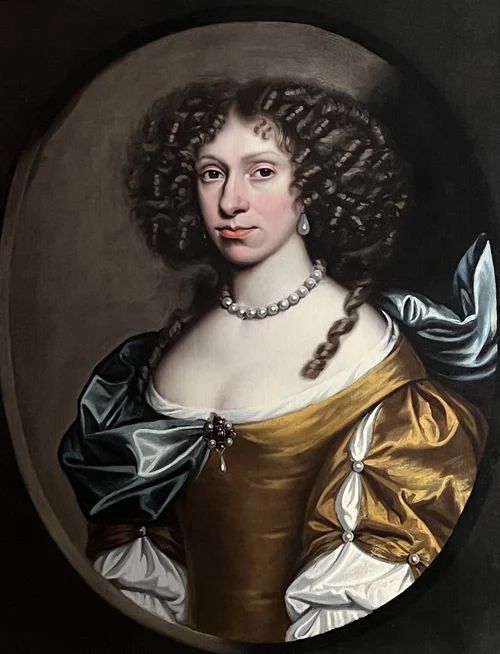
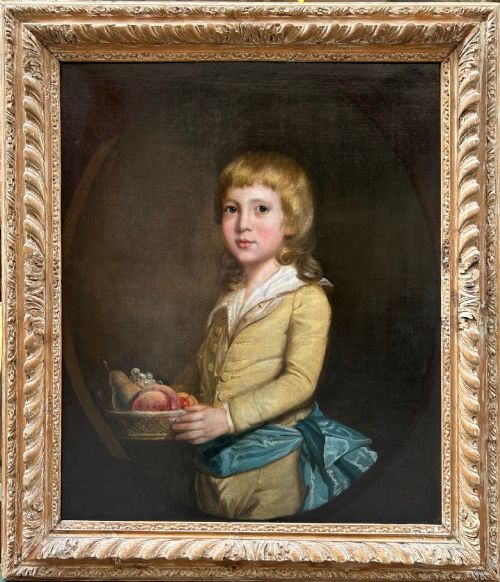
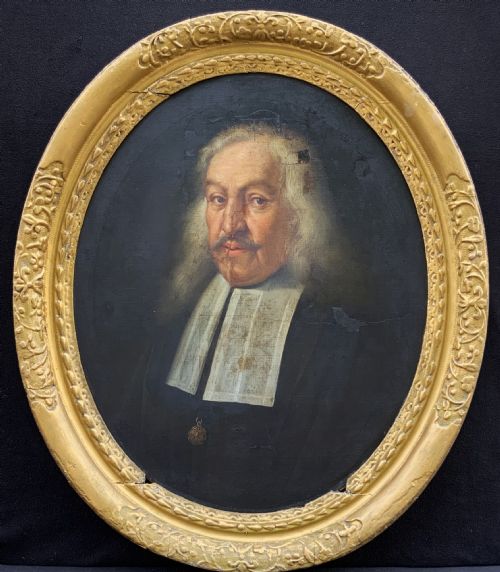
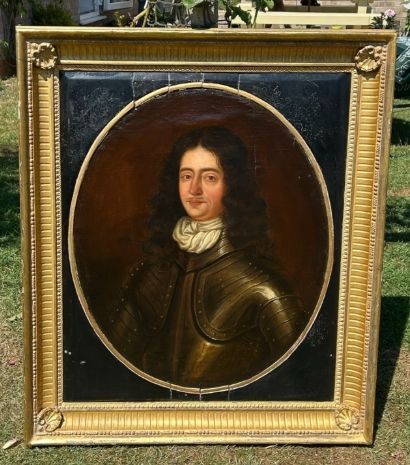
Oval canvas wall art brings centuries of portraiture and classical oil painting into interior spaces through curved wooden frames.
Oval Canvas Wall Art
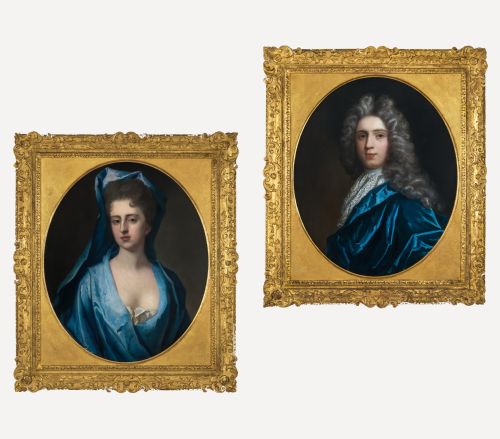
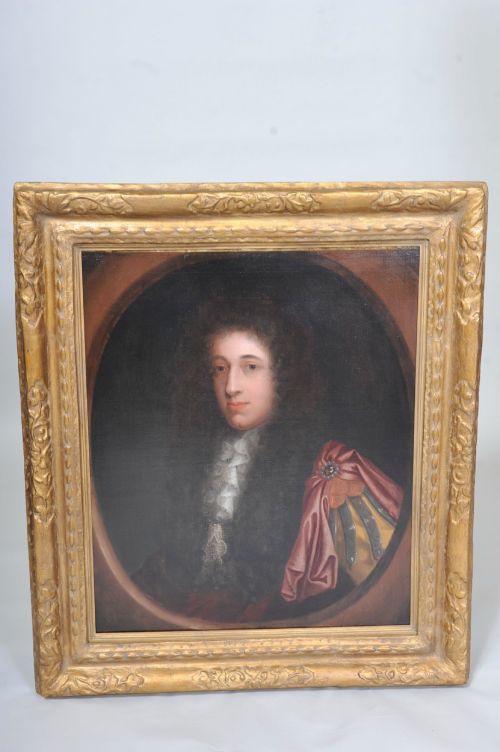
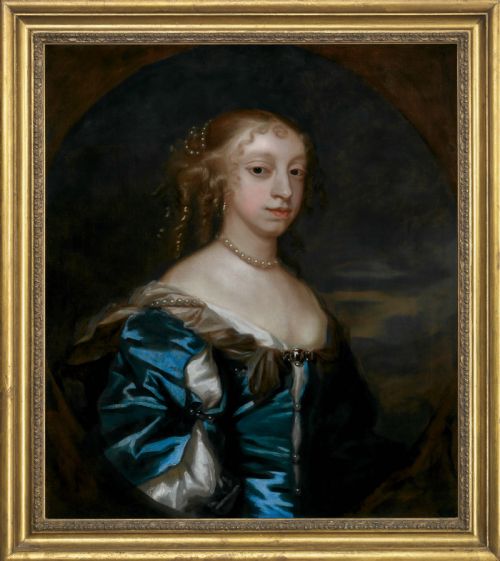
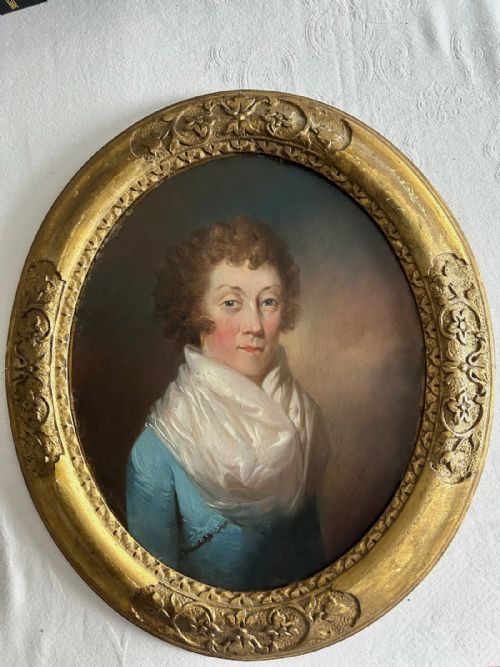
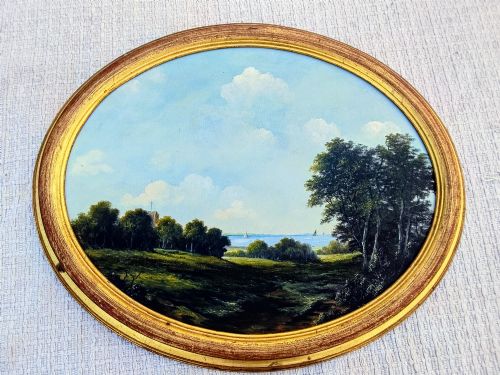
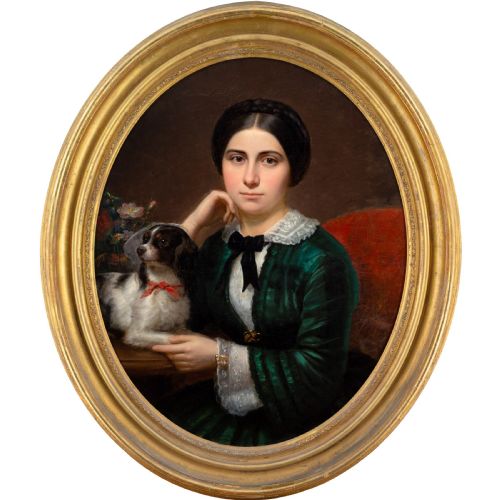
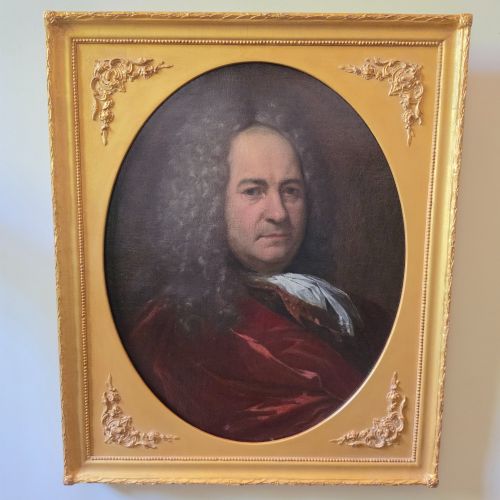
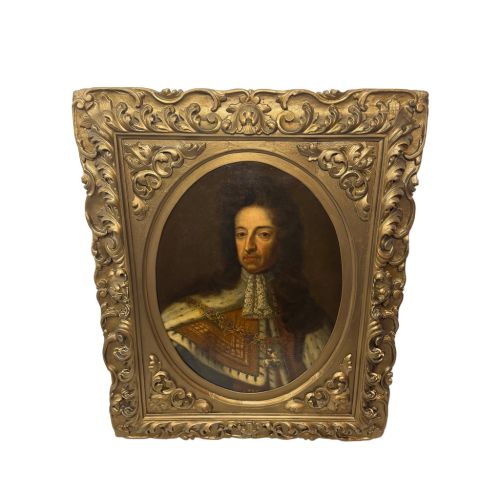
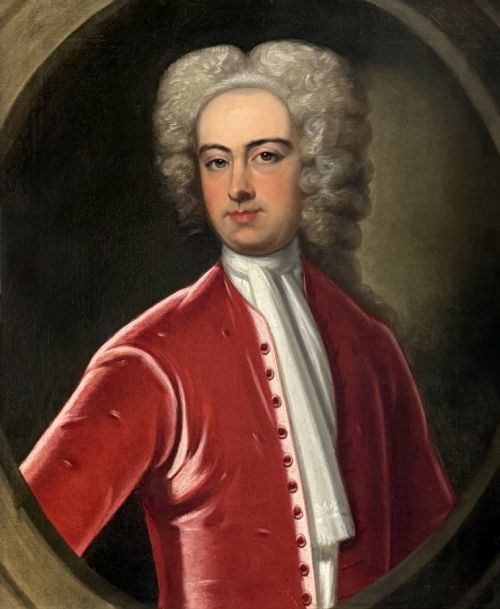
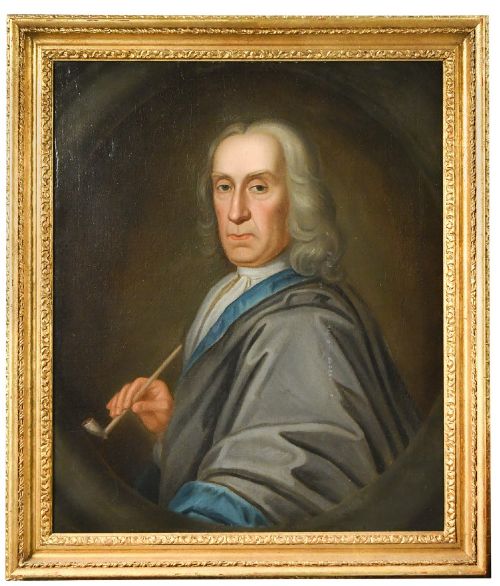
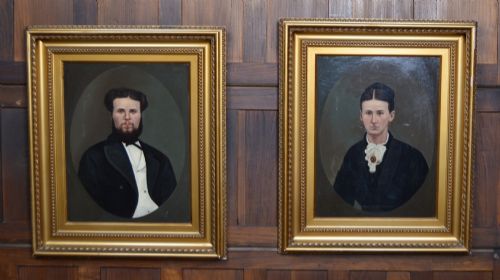
Oval canvas wall art predominantly consists of oil paintings from the seventeenth, eighteenth, and nineteenth centuries, spanning Georgian, Regency, and Victorian periods. Buyers encounter historical portraits of gentlemen, ladies, and children created by British, French, Flemish, and German schools.
The format relies heavily on curved boundaries to soften the corners of traditional rectangular portraiture, concentrating the viewer's attention entirely on the subject's face and attire. These works frequently employ oil paint on canvas stretched across curved wooden supports, often housed within period surrounds.
Subjects range from named historical figures and nobility to anonymous sitters, alongside religious scenes and landscape views from the nineteen-sixties. The selection centres on antique and vintage fine art paintings rather than modern reproductions.
Materials and Construction
The works utilise oil paint applied to woven canvas substrates, mounted onto specialised curved stretchers designed to maintain tension across the rounded perimeter. Painters built up compositions through multiple layers of pigment, utilising the absorbent qualities of prepared canvas to achieve depth in skin tones and drapery.
Frames play an integral role in construction, employing carved wood finished with gesso and gold leaf to create ornate giltwood surrounds tailored to the curved shape. These materials interact to preserve the physical integrity of the fabric while providing structural rigidity suited to wall display.
The inventory includes portrait paintings, sea views, and religious subjects created by British, French, Flemish, and German schools.
Evaluating the Range
Quality separates through the precision of the brushwork and the psychological depth captured in the sitter's expression, moving from stiff provincial works to fluid masterworks by established portraitists. The execution of hands, lace, and fabric textures indicates the level of training possessed by the artist.
Condition of both the oil paint surface and the original giltwood frame dictates standing within the category, where undisturbed historical surfaces command greater appreciation than heavily restored compositions.
DAVID SCOUGALL·Michael Dahl·Thomas Murray·CHARLES JERVAS·Thomas Beach·Pieter Borseler·Jeremiah Davison·Allan Ramsay·Costantino Frixione·ENOCH SEEMAN·Pieter Nason·Cornelius Johnson·Willem Wissing·Sir Peter Lely·Andrea Soldi
The Oval Canvas Wall Art Glossary
- Giltwood
- Wood that has been coated with a thin layer of gold leaf or powder. This finish appears frequently on antique frames surrounding oil paintings.
- Gesso
- A paint mixture consisting of a binder mixed with chalk, gypsum, or pigment. It serves as a smooth preparation layer on wooden frames before gilding.
- Old Master
- A term for a European painter of skill who worked before about eighteen hundred. These artists produced many of the portrait paintings found in this category.
- Circle of
- An art historical designation indicating an artist worked during the same period and in a similar style to a master. Such works share technical characteristics without being direct products of the named hand.
Oval Canvas Wall Art: Frequently Asked Questions
How do I hang an oval painting securely?
Heavy giltwood frames require robust wall fixings anchored directly into studs or masonry to support the concentrated weight safely.
Use two parallel hanging points rather than a single cord to keep the curved frame level over time.
What periods do these paintings cover?
The selection spans from the seventeenth century through the Georgian and Regency eras into the nineteenth and twentieth centuries.
Most examples originate from the seventeen-hundreds and eighteen-hundreds, reflecting traditional European portraiture styles.
Are the frames original to the canvas?
Many pieces retain their period giltwood or wood surrounds, which were specifically constructed to match the curved dimensions of the canvas.
Examining the backboards and rabbet provides clues about whether the frame and painting have remained together historically.
How should I clean an old oil painting?
Surface dust can be removed gently using a very soft, dry brush without applying pressure to the painted canvas.
Chemical cleaning or moisture should be avoided entirely to prevent damage to the aged oil paint and varnish layers.