

Dark Canvas Painting
When choosing a dark canvas painting, you acquire historic portraiture and rich still lifes dominated by deep, shadowy grounds from centuries past.
Dark Canvas Painting
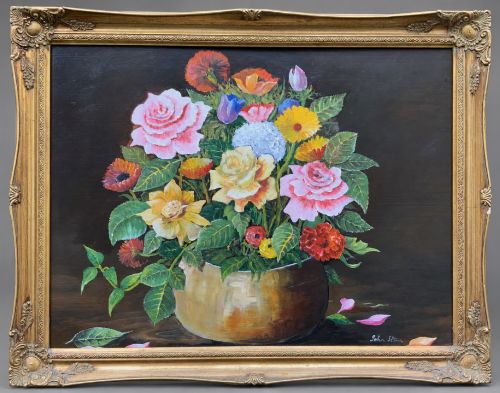
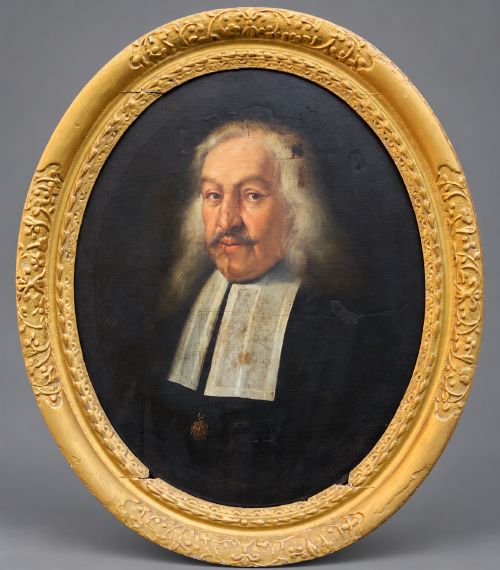
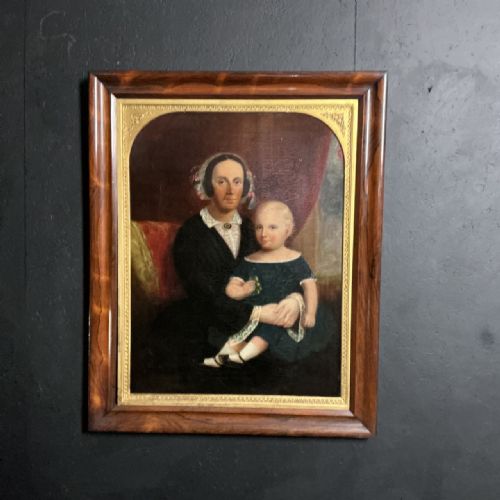
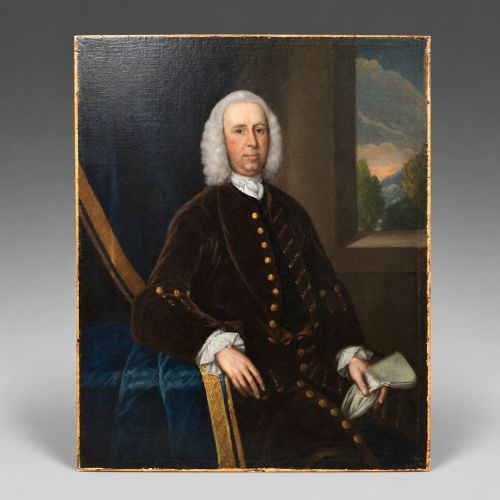
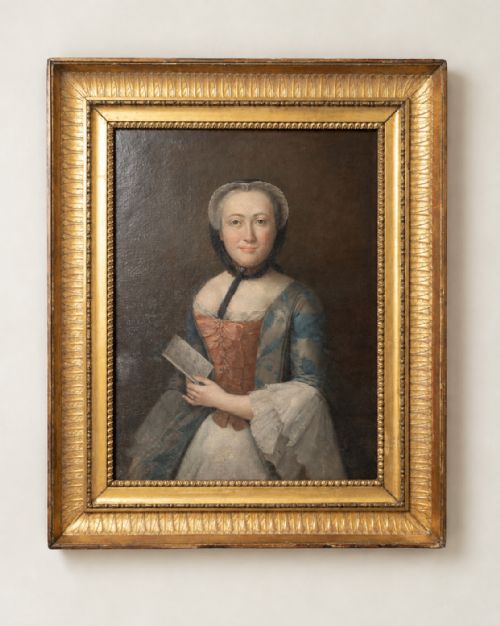
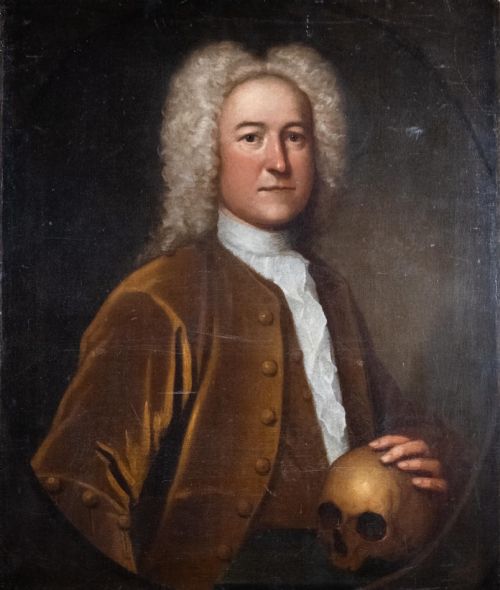
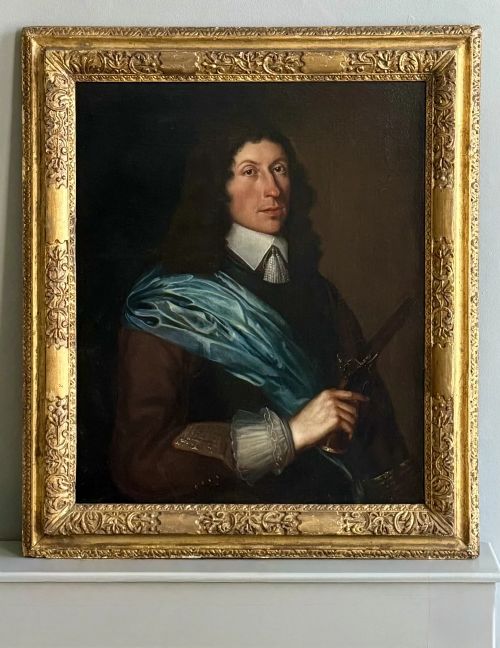
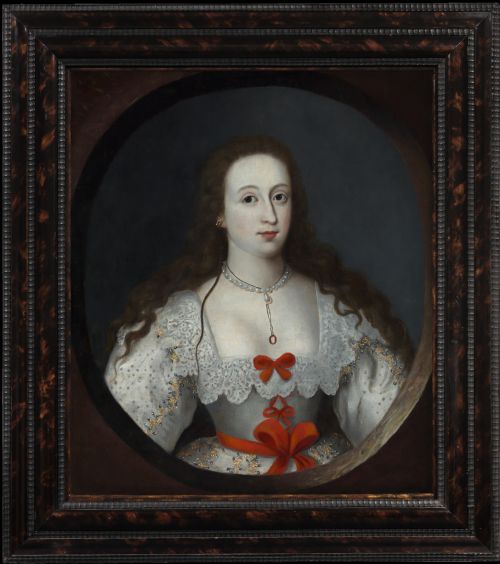
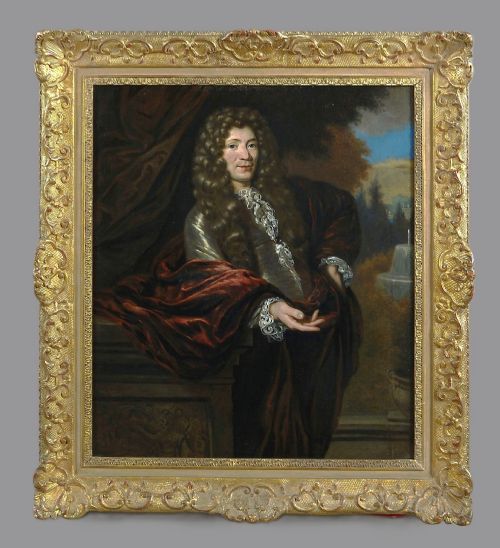
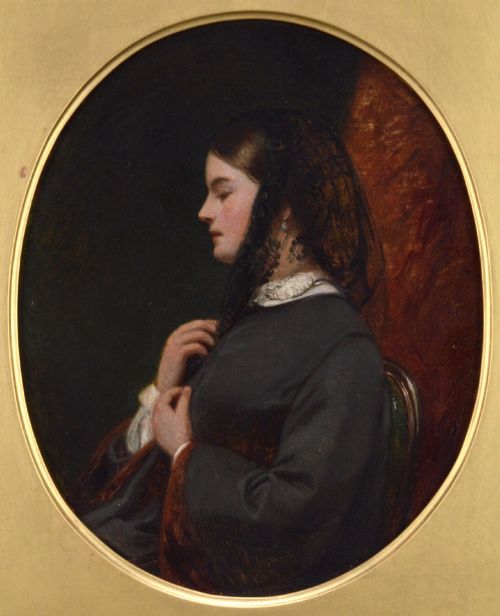
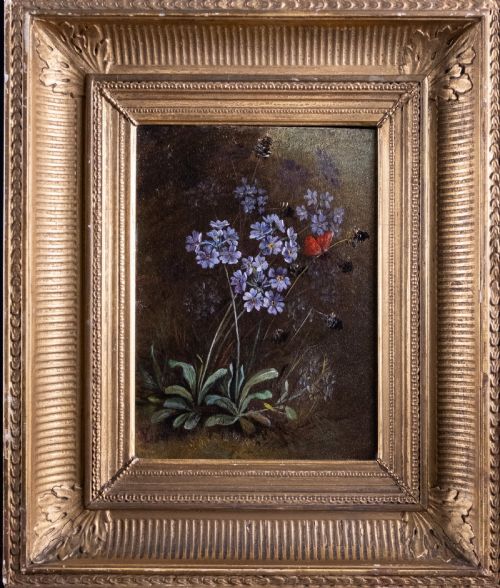
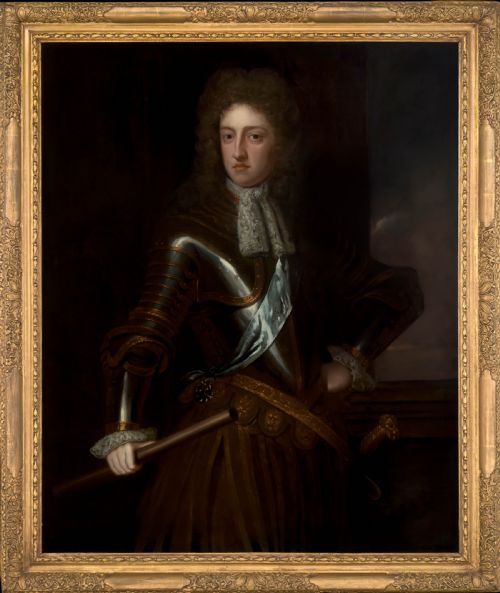
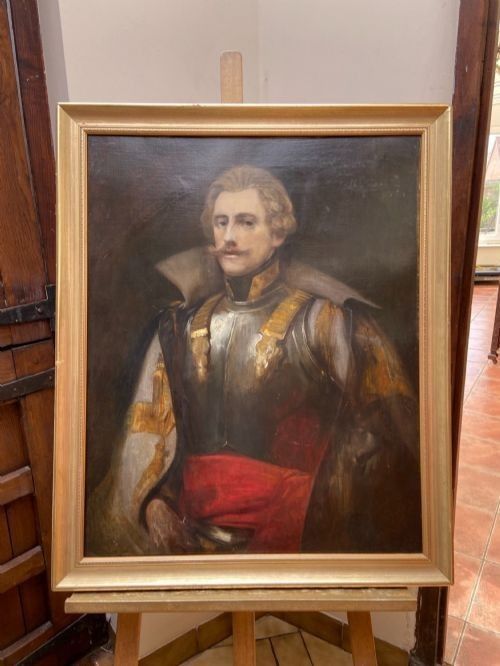
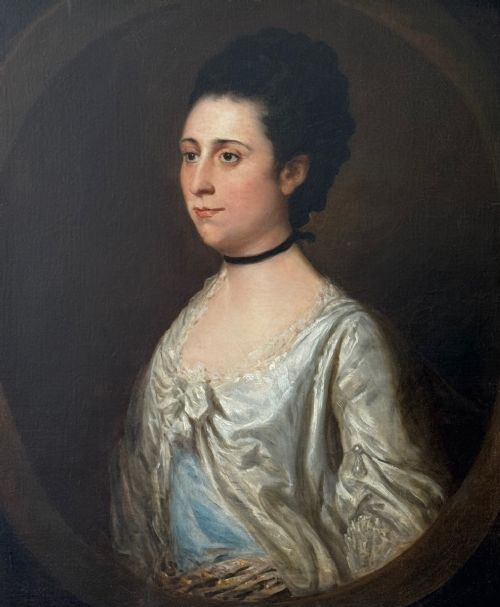
A dark canvas painting encompasses historic oil paintings spanning the sixteenth century through the twentieth century, with strong representation from the seventeenth and eighteenth centuries. Buyers encounter formal portraiture of gentlemen, noblemen, and ladies, alongside still lifes and marine subjects.
The dominant aesthetic relies on deep, shadowy backgrounds that make subjects emerge from obscurity. Works originate from various European traditions, including English, Dutch, Italian, and French schools.
Formats range from intimate panel or canvas portraits to large compositions featuring figures, animals, or religious scenes. These pieces reflect historical periods such as the Renaissance, Baroque, Jacobean, and Victorian eras.
How They Were Made
Artisans built these works using oil paint applied to stretched canvas or occasionally wooden supports. Pigments were layered over dark grounds to create depth and shadow.
Dark Canvas Painting Retail Price Guide 2026
Typical asking prices for dark canvas painting among the pieces listed under this phrase on Sellingantiques today, from the lower quarter to the upper quarter. They describe what is for sale here now, not the wider market.
Listings feature oil on canvas works across the sixteenth, seventeenth, eighteenth, and nineteenth centuries, spanning Baroque, Jacobean, and Victorian styles.
What Varies In Quality
The sophistication of brushwork and anatomical precision set superior examples apart from simpler folk art or provincial pieces. Mastery in rendering light on fabrics, lace, and skin tones indicates a skilled hand or established studio output.
Condition and originality of the surface play a major role in evaluation. Intricate details like ruff collars, delicate expressions, and well-preserved giltwood frames distinguish higher-tier historic works from lesser decorative items.
Cornelius Johnson·Michiel van Musscher·Sir Godfrey Kneller·Charles Jervas·Constantyn Netscher·David Scougall·John Hayls·Angelo Maria Crivelli
The Dark Canvas Painting Glossary
- Oil on Canvas
- A painting medium where pigments suspended in oil are applied to a woven fabric support. This technique allowed artists to achieve rich tonal gradations and deep shadows characteristic of early works.
- Giltwood
- Wood that has been treated with a thin layer of gold leaf or gold paint. Frames constructed in this manner frequently accompany period portraits.
- Baroque
- An artistic style prevalent from the late sixteenth century through the mid-eighteenth century. It is characterised by dramatic lighting, deep shadows, and emotional intensity.
- Old Master
- A term for a European artist of high skill working before about eighteen hundred. These painters established foundational techniques for portrait and still life compositions.
Dark Canvas Painting: Frequently Asked Questions
What periods do dark canvas paintings come from?
These works date from the sixteenth century through the mid-twentieth century, with significant numbers originating in the seventeenth and eighteenth centuries.
Examples span Renaissance, Baroque, Jacobean, and Victorian movements, reflecting the shifting portraiture and still life conventions of those eras.
How should I hang a dark canvas painting?
Position the piece away from direct sunlight to protect aged oil pigments and canvas supports from fading or thermal stress.
Pairing the dark background with adequate wall lighting allows the subtle details in the subject's clothing and face to emerge clearly.
How do I identify the school of a painting?
Examine the subject matter, costume details, and handling of paint, which often link a work to specific regional traditions like the Dutch Golden Age or Italian Renaissance.
Inscribed names, signatures, or historical attributions recorded in titles also point toward particular workshops or regional schools.
What subjects appear in these paintings?
Common subjects include formal portraits of gentlemen, noblemen, and ladies, often depicted with ruff collars, lace, or military attire.
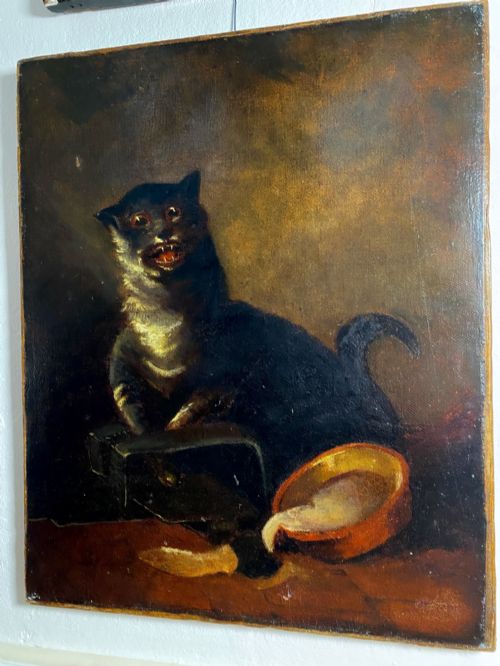
Other compositions feature still lifes of flowers, animals, marine scenes, and religious narratives set against deep, shadowy backgrounds.