




Historic Male Portrait Painting
A historic male portrait painting brings centuries of character into a room through oil on canvas and fine portrait miniatures.
Historic Male Portrait Painting
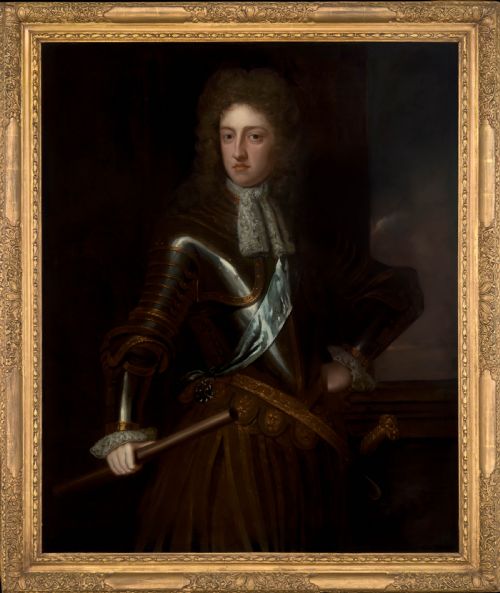
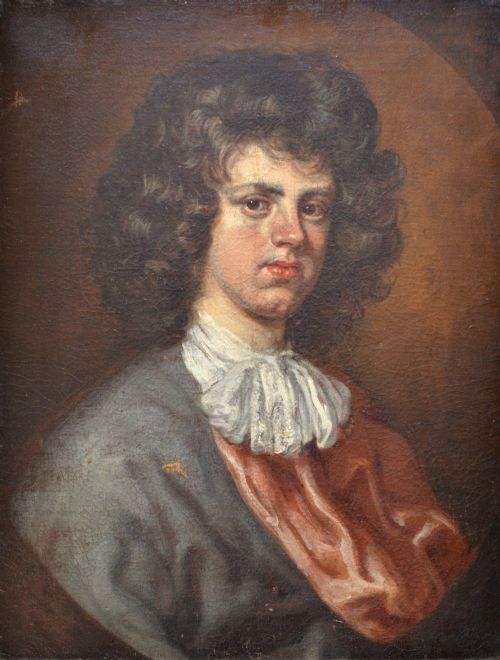
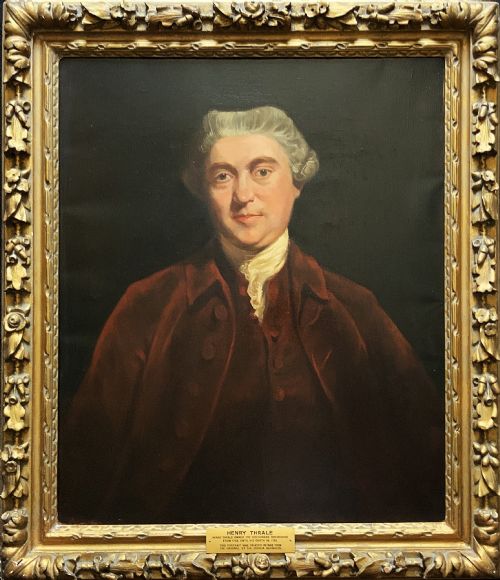
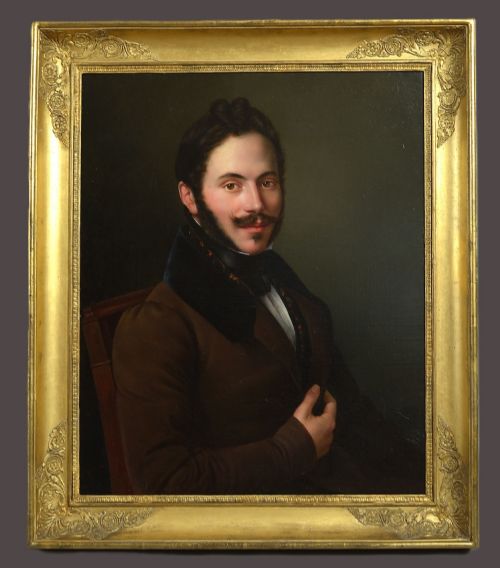
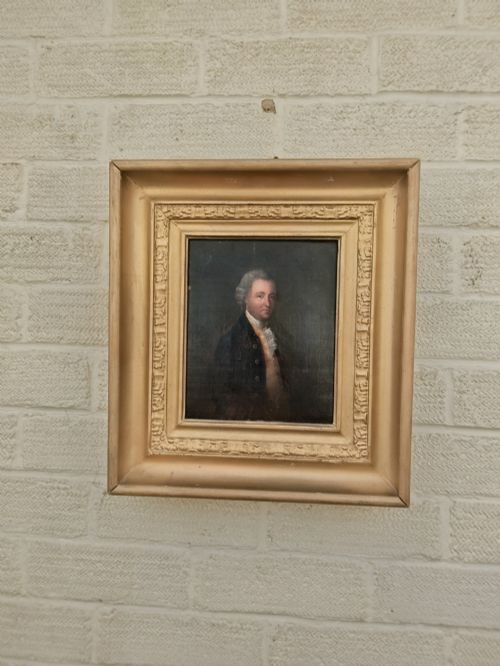
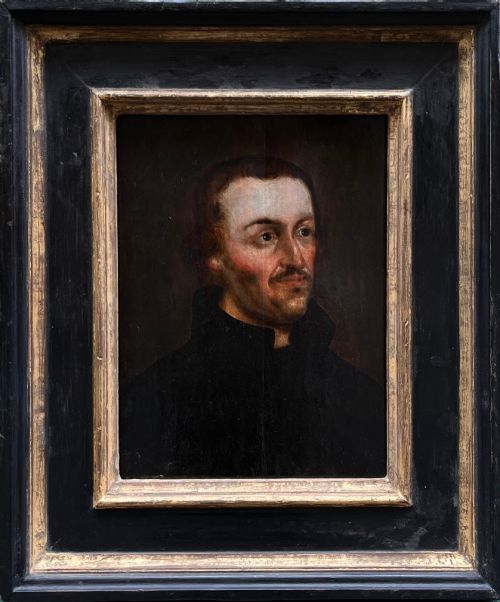
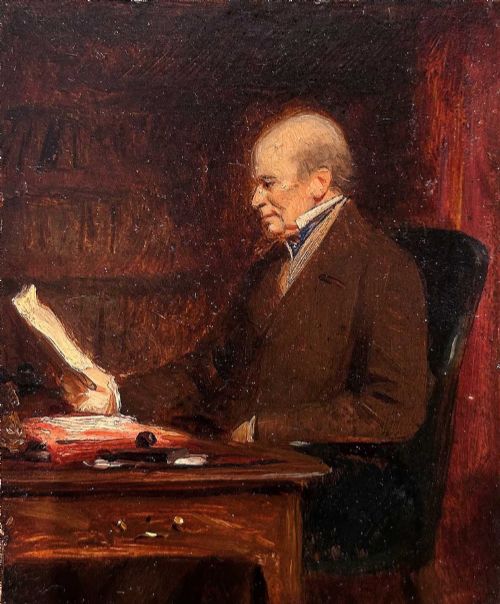
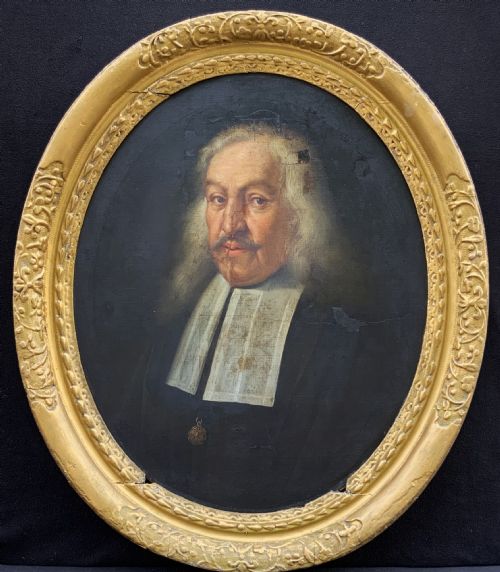
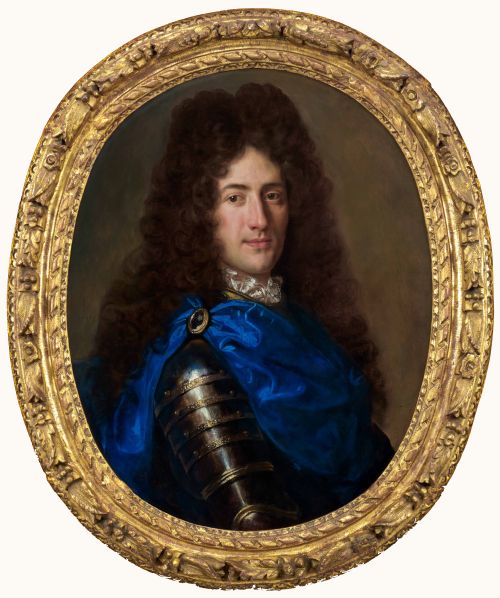
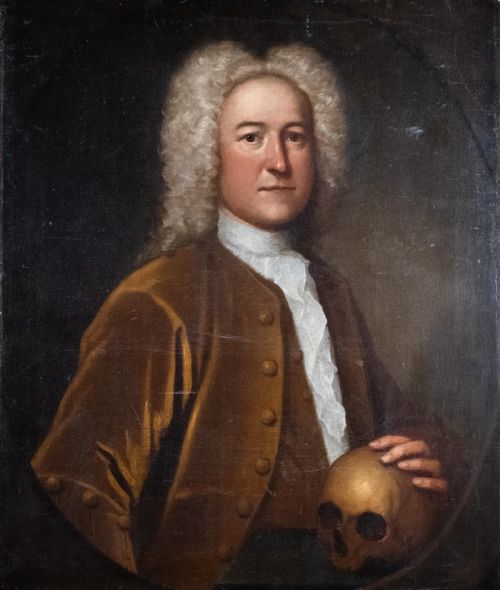
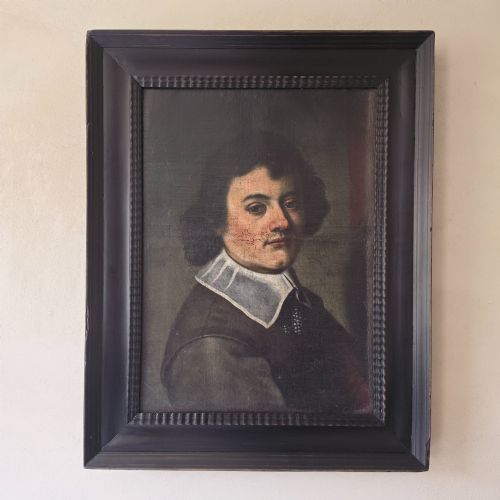
A historic male portrait painting captures noblemen, physicians, artists and officers from the seventeenth, eighteenth and nineteenth centuries. These works span English, Scottish, French and broader European schools, reflecting the shifting fashions of gentlemen in armour, robes or simple dark suits.
Works range from studio pieces and circles of established portraitists to academic copies and school pieces. Buyers encounter both large formal canvases and intimate cabinet works.
Materials and Construction
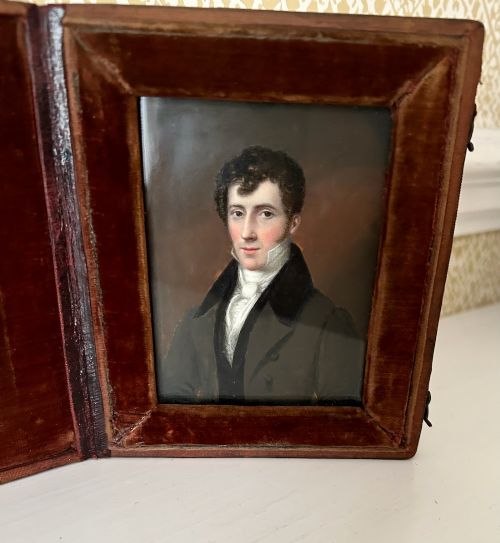
Artists painted primarily in oil upon stretched canvas or wooden panels, utilising ground pigments mixed with oil. Portrait miniatures also appear in watercolour formats.
Many canvases sit within period giltwood or gilt wood frames that complement the depth of the dark backgrounds and rich garments depicted.
Several gentlemen are depicted holding skulls or peering past heavy velvet curtains, reminding viewers of both mortal limits and dramatic flair.
Assessing Quality
The strength of a portrait lies in the handling of the sitter's face, hands and gaze, where master painters captured bone structure and individual personality with precision. Studio pieces and works by followers often show firmer adherence to standard formulae compared to primary hands.
Condition of the canvas, original pigments and the preservation of the underlying ground layer dictate the visual impact of the work today. Original period frames also contribute significantly to the integrity of the piece.
Sir William Beechey·Sir Godfrey Kneller·Mary Beale·Sir Joshua Reynolds·Edouard Pingret·Pieter Borseler·Joseph Vivienne·Joseph Highmore·William Millar·Richard Cosway·Henry William Pickersgill·William Robinson·Rudolph Lehmann·Sir James Guthrie·Abraham Van Blyenberch·John Bettes the Elder·Michael Dahl·George Francis Joseph·James Latham
The Historic Male Portrait Painting Glossary
- Circle of
- A term indicating the work was produced by an artist working closely within the orbit of a master, adopting their style and methods.
- Oil on Canvas
- Pigments bound in a drying oil applied to a woven fabric support stretched across a wooden frame. This medium dominated European painting for centuries.
- Portrait Miniature
- A small, highly detailed portrait, often painted on vellum, card or ivory, designed for intimate viewing or portable display.
- Giltwood
- Wood carved and coated with a thin layer of gold leaf or gilt powder. It provides reflective, ornate borders for historic frames.
- School
- A classification grouping artists of a particular nation, region or period who share common techniques and stylistic traits.
Historic Male Portrait Painting: Frequently Asked Questions
What does attribution to a circle mean?
Attribution to the circle of an artist signifies that the painting was created by an unknown hand working closely alongside or under the direct influence of a known master. These painters absorbed the studio's palette, lighting techniques and compositional habits.
While not painted by the master's own brush, these works date from the same period and reflect the high standards of the primary workshop. They offer an accessible entry point into collecting period portraiture.
How should I care for an oil portrait?
Historic oil paintings require stable environmental conditions away from direct sunlight, extreme temperature shifts and high humidity. Displaying them on internal walls protects the canvas and wooden stretcher from warping.
Dust should be removed gently with a soft, dry brush by a professional conservator when necessary. Avoid using household cleaners or moisture on the painted surface or giltwood frame.
Are these portraits original period pieces?
The collection includes authentic works created during the seventeenth, eighteenth and nineteenth centuries, alongside occasional nineteenth-century copies after earlier masters. Each listing specifies the period of execution and the materials used.
Examining the canvas weave, stretcher construction and pigment ageing helps verify the age of the painting. Documentation and stylistic analysis confirm whether a work is contemporary to its subject.